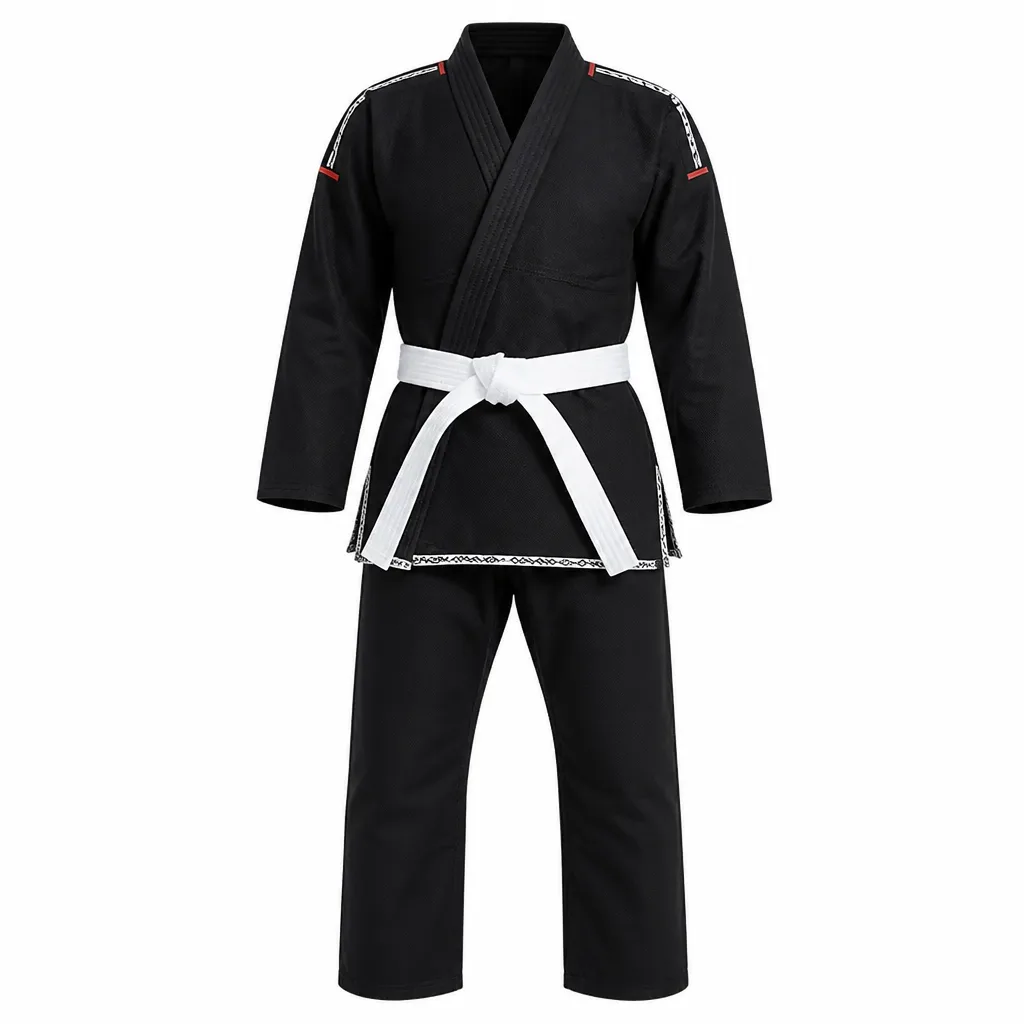
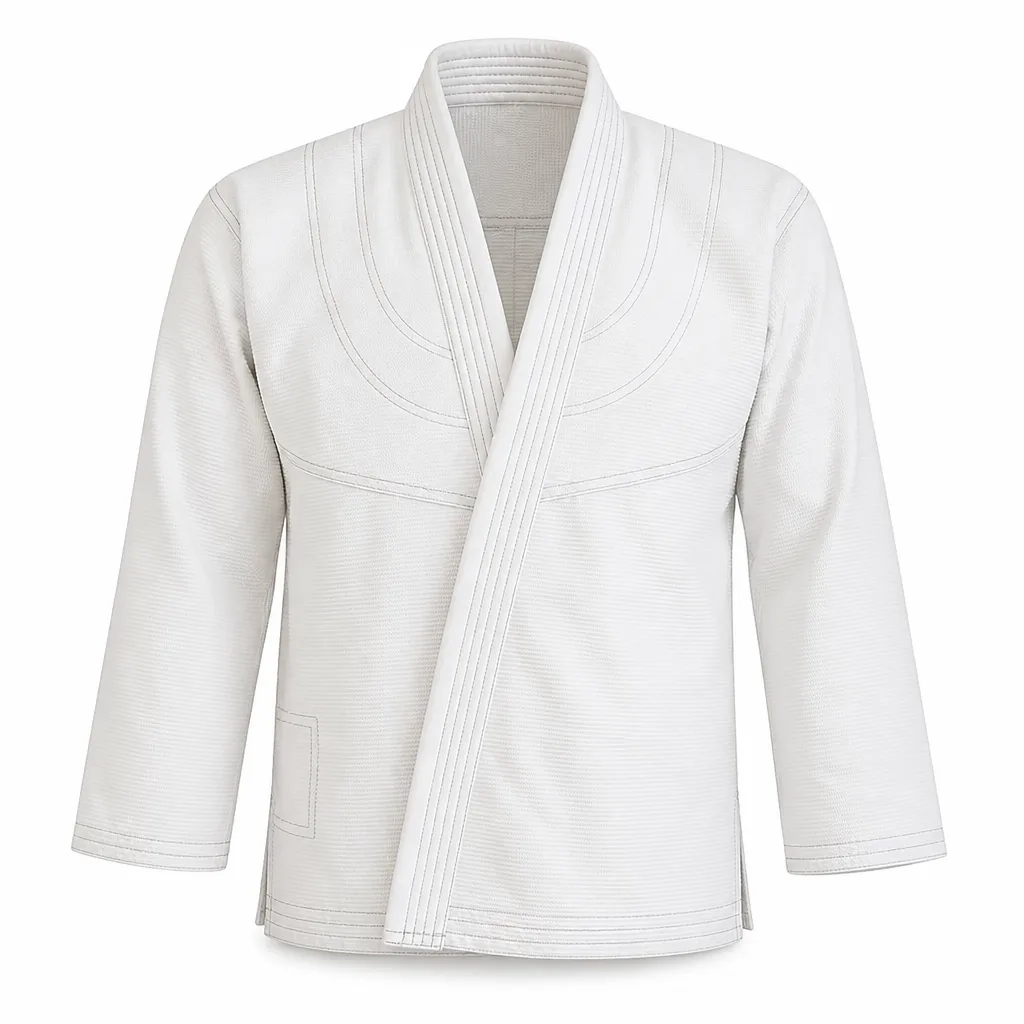
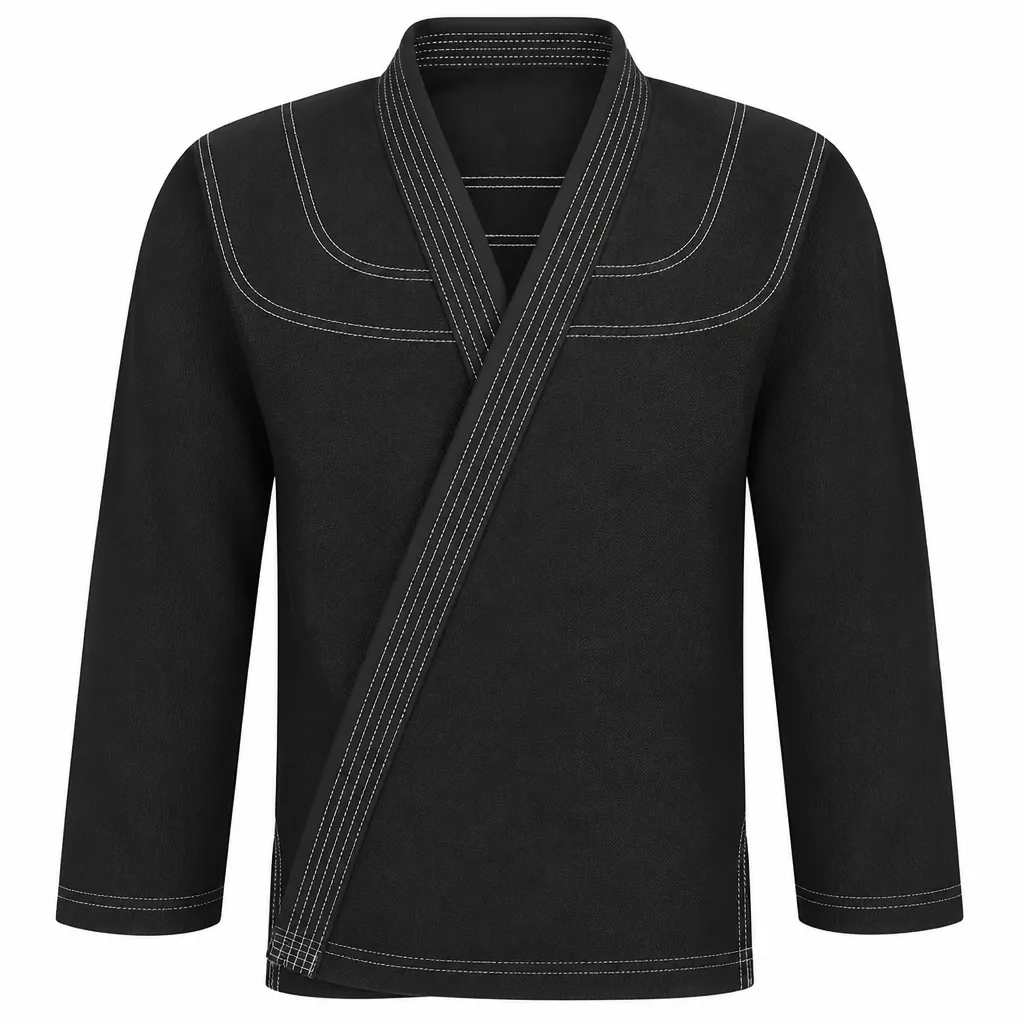
The Complete Guide to Soften a Stiff Gi
A brand-new gi straight out of the box feels like armor plating on your skin—stiff, unyielding, and downright uncomfortable during those intense MMA how to soften a stiff gi sessions or BJJ rolls. If you've ever winced through your first training class in a rigid uniform, you're not alone. As a wrestling coach with over 15 years testing grappling gear for fighters from beginners to pros, I've broken in hundreds of gis, and I know the frustration of a stiff gi ruining your flow.
This guide cuts through the noise with battle-tested methods on how to soften a stiff gi, tailored for combat sports athletes who demand performance without the break-in pain. Whether you're prepping for gym sparring, competition grips, or home drills, we'll cover everything from material science to pro-level hacks. Let's turn that starched jacket into your second skin.
Understanding the Challenge: Why Your Gi Feels Like Cardboard
New gis arrive stiff for a reason—durability. Most are crafted from cotton or cotton-poly blends in weaves like pearl (single-layer for speed) or gold (double-layer for toughness), treated with sizing starch during manufacturing to maintain shape during shipping and storage. Brands like Hayabusa or Tatami reinforce this with heavy threading and pre-shrunk fabrics, ensuring the gi withstands tournament abuse.
But that starch builds up, creating friction that chafes during guard passes in BJJ or single-leg takedowns in wrestling. For MMA fighters blending striking and grappling, a stiff gi can snag on gloves or rash guards, disrupting transitions. Beginners feel it most acutely—the rigidity amplifies every movement, leading to blisters or hesitation. Pros like me notice it in grip fatigue; those unsoftened collars resist peels and re-grips, costing precious seconds on the mat.
Environmental factors compound the issue. High-humidity home gyms make starch gummy, while commercial dojo washes with harsh detergents exacerbate stiffness. Understanding your gi's construction—350gsm pearl for lightweight agility versus 550gsm gold for heavyweight control—helps predict break-in time. A 100% cotton Tatami Element might soften in days, while a poly-blend Venum Challenger holds out longer for longevity.
Solution Overview: Proven Paths to a Supple Gi
Softening a gi boils down to stripping starch, hydrating fibers, and accelerating wear—without compromising strength. The best how to soften a stiff gi combines washing protocols, natural softeners, and mechanical breakdown. No shortcuts like microwaving (it warps seams) or bleach (it weakens dye).
For quick results, prioritize salt or vinegar washes—they dissolve starch chemically. Pair with hot washes and air-drying for mechanical flexing. Expect 3-5 cycles for 80% softness; full break-in happens via sweat equity in training. Tailor to your discipline: BJJ gis need collar focus for lapel grips, wrestling singlets prioritize pants mobility, and MMA hybrids balance overall drape.
Here's the roadmap:
- Immediate relief: Salt soak for starch removal.
- Mid-term: Vinegar or baking soda washes.
- Long-term: Training wear and dryer tumbling.
This multi-pronged attack works across skill levels, from white belts drilling shrimps at home to black belts prepping for IBJJF Worlds.
How to Soften a Stiff Gi: Detailed Step-by-Step Methods
Follow these sequences precisely for optimal results. Always check your gi's care label—most premium brands like Shoyoroll or Ringside recommend cold washes post-break-in, but hot is key initially. Test on pants first if inseam dye runs are a concern.
Method 1: The Salt Wash (Fastest Starch Buster – 1-2 Hours Active Time)
Salt draws out manufacturing residues like a magnet, ideal for how to soften a stiff gi for fighters needing same-day training.
- Fill a tub or large basin with hot water (140°F/60°C—test with elbow, not too scalding).
- Dissolve 1-2 cups table salt or sea salt per gallon. Agitate until clear.
- Submerge gi fully; stir for 30 minutes. For stubborn pearl weaves, wear it in the tub, flexing arms and legs to work salt into creases.
- Rinse twice in cold water until runoff is clear.
- Machine wash on hot cycle (no detergent) or hand-wring and air-dry flat. Avoid direct sun to prevent uneven fading.
Pro observation: On a stiff Hayabusa H5, this shaved two training sessions off break-in. Expect 40-50% softness post-first cycle.
Method 2: Vinegar Soak (pH Magic for Fiber Relaxation – Budget-Friendly)
White vinegar's acidity (pH 2.4) neutralizes starch without residue, perfect for how to soften a stiff gi for training in humid environments.
- Mix 1 cup distilled white vinegar per gallon hot water in washer or tub.
- Soak gi 1-2 hours; vinegar smell fades after rinsing.
- Wash on hot with ½ cup vinegar in place of softener—no soap yet.
- Rinse thoroughly; optional second cycle with ½ cup baking soda to neutralize odor.
- Air-dry or low-heat tumble (more on that below).
In my coaching, this excels for BJJ gis with embroidered collars—vinegar prevents stiffening from crest starch. Muay Thai clinch fighters love it for pant mobility during knees.
Method 3: Hot Wash and Tumble Dry (Mechanical Break-In – Gym-Ready)
Heat expands fibers, agitation frays starch—mimicking months of rolls.
- Pre-treat stains if needed with gi-specific cleaner like Apollo MMA's own formula.
- Hot wash (140°F) with mild detergent like Attitude or Seventh Generation (phosphate-free).
- Tumble dry low for 20-30 minutes—stops before shrinkage (5-8% expected overall).
- Repeat 2-3x, alternating with salt/vinegar.
Warning: Poly blends like Venum's shrink less (2-3%); pure cotton more. Consult our [size guide] pre-purchase to account for this.
Advanced: Borax Boost for Heavyweight Weaves
For 550gsm+ gis used in wrestling or no-gi transitions, add ½ cup borax to hot washes. It alkalizes and softens deeply without yellowing. I've used this on Tatami gold weaves for tourney preps—collars go from rigid to buttery.
Expert Tips from a Wrestling Coach: Insider Hacks for Every Fighter
Drawing from thousands of mat hours, here are lesser-known tweaks that elevate your gi game. These aren't forum fluff—they're from real-world testing in commercial gyms, home setups, and cageside.
- Training Acceleration: Wear your damp gi for shadow drilling or light rolls. Sweat + motion = exponential softening. For MMA, pair with 4oz gloves from our Hayabusa collection to test grip feel early.
- Collar-Specific: BJJ pros focus here—rub with a damp cloth and sea salt pre-soak. Avoid fabric softener; it coats fibers, reducing breathability in long sparring.
- Body Type Tweaks: Taller frames (over 6'2") prioritize pant softening for guard retention. Check our [size guide] for A4+ sizing in brands like Fairtex.
- Safety First: Soft gis reduce chafing risks during Kickboxing clinches or Boxing heavy bag work. Never over-dry; brittle fibers tear under pro-level torque.
- Maintenance Post-Soften: Cold wash inside-out, hang dry. For competition, starched edges (iron with starch spray) add grip without full stiffness—ideal for IBJJF points.
- Brand Nuances: Shoyoroll's bamboo blends soften fastest (2 cycles); Everlast competition gis resist most due to poly armor. Shop Apollo MMA for pre-washed options if time's short.
For home gym warriors, combine with anti-slip mats from our flooring lineup—soft gi + stable surface prevents slips during burpee-to-takedown flows. Intermediate fighters: Track shrinkage with a tape measure post each cycle.
Common Pitfalls to Avoid
Don't dryer-sheet; silicon buildup kills wicking. Skip boiling—seams pucker. Over-softening heavyweight gis leads to ballooning after washes, poor for no-gi hybrids in MMA.
Price-to-value: $150 premium gis justify the effort; budget ones (<$80) may fray prematurely regardless.
Conclusion: Gear Up with a Gi That Moves Like You Do
Mastering how to soften a stiff gi transforms your training—from blister-free beginner drills to pro-level fluidity in BJJ sweeps or wrestling rides. With these steps, your gi becomes an extension of your game, not a hindrance. Patience pays; most hit peak softness after 10-20 hours of mat time.
Ready to invest in quality that softens smart? Browse Apollo MMA's curated gi collection—Hayabusa, Tatami, Venum, and more, all vetted for fighters worldwide. Use our [size guide] for the perfect fit, and pair with rash guards or ear guards for complete setups. Train harder, grip smarter—order today and feel the difference.
Coach Michael Park has coached elite wrestlers and MMA fighters, reviewing gear for Apollo MMA. Follow for more combat sports insights.