---
---
Understanding Cutting Weight for BJJ: Materials, Features, and Performance
Picture this: It's Friday evening, and you're rolling hard at your local BJJ academy. You've been drilling guard passes and escaping mounts all week, but tomorrow's tournament bracket looms large. The scale at the gym reads 3 pounds over your weight class. Panic sets in—do you starve yourself, chug water like it's going out of style, or worse, wrap yourself in plastic? As a Muay Thai practitioner who's cut weight for countless fights and helped grapplers do the same, I've seen it all. Cutting weight for BJJ doesn't have to be a nightmare if you approach it methodically, blending nutrition, smart training, and the right gear from brands like Hayabusa and Venum.
In this guide, we'll break down the realities of MMA cutting weight for BJJ scenarios—whether you're a blue belt chasing your first medal or a black belt defending a title. We'll focus on safe, sustainable methods that prioritize performance over desperation, highlighting gear materials and features that actually work in the gym and on the mat.
Understanding the Challenge of Cutting Weight for BJJ
Weight cutting in Brazilian Jiu-Jitsu isn't like Muay Thai or boxing, where you might drop 10-15% of your body weight pre-fight. BJJ tournaments often use morning weigh-ins with same-day matches, leaving little recovery time. A typical no-gi fighter aiming for 170 pounds might fluctuate 4-8 pounds overnight, while gi competitors deal with the added heft of cotton or pearl weave fabrics soaking up sweat.
The real danger? Crash diets and extreme dehydration tank your glycogen stores, grip strength, and decision-making on the mat. I've sparred with guys who cut too hard— their forearms trembled during collar chokes, and they gassed in the first round. For beginners, improper cutting leads to injury; pros know the trade-offs but still risk kidney strain or cramping mid-tournament.
Key challenges include:
- Timing constraints: Unlike MMA with 24-36 hour rehydration windows, BJJ demands quick cuts without full rebound.
- Training demands: High-intensity rolls burn calories but spike cortisol, complicating fat loss versus water weight.
- Gear factors: Standard rash guards wick moisture but don't induce the sweat needed for rapid cuts; that's where specialized apparel shines.
Addressing these head-on builds trust in your prep. At Apollo MMA, we stock gear tested by fighters who've walked this path, ensuring you cut smart, not hard.
Solution Overview: A Balanced Approach to Cutting Weight for BJJ Fighters
The best cutting weight for BJJ combines three pillars: nutrition for controlled depletion, active sweating via training and recovery protocols, and performance gear optimized for heat retention and moisture management. Forget myths like Epsom salt baths—they're unreliable and dehydrate unevenly. Instead, leverage science-backed methods I've refined through years of conditioning Muay Thai camps and BJJ seminars.
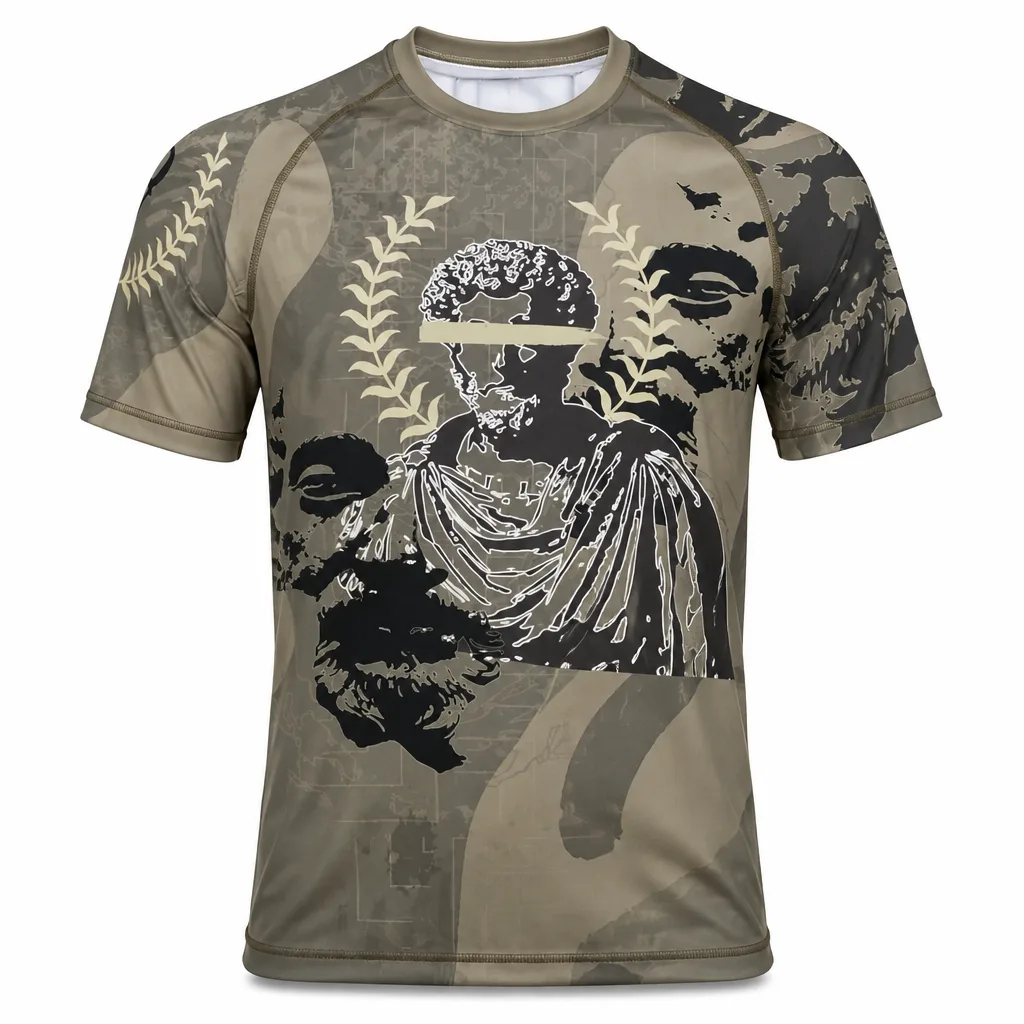
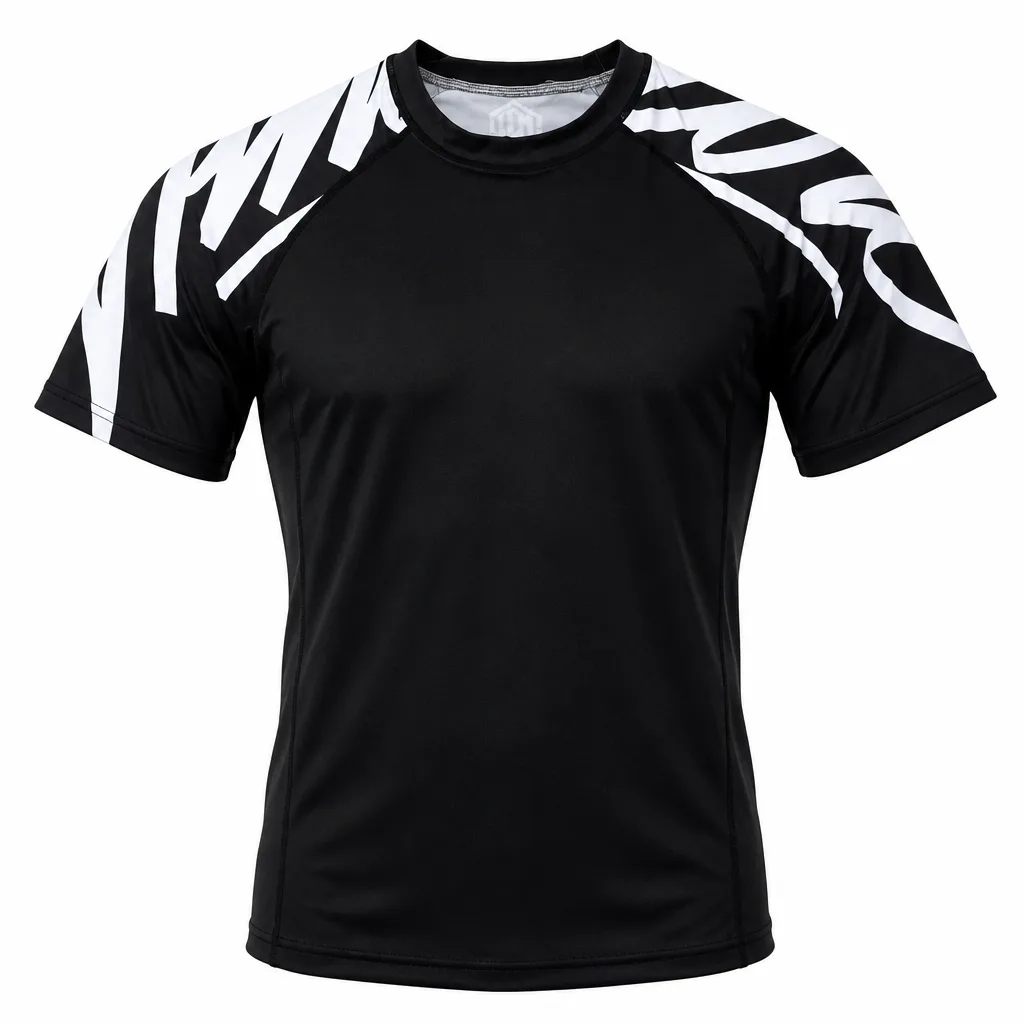
Gear plays a starring role here. Sauna suits made from neoprene (like Venum's premium lines) trap body heat, boosting sweat loss by 20-30% during workouts. Compression rash guards from Hayabusa, with spandex-polyester blends, enhance circulation while minimizing water retention post-cut. These aren't gimmicks; they're tools pros like Gordon Ryan swear by for no-gi events.
For training versus competition, tailor your stack: gym sessions call for breathable shorts, while final cuts demand full-body coverage. This holistic system minimizes muscle loss, preserves power for takedown defense, and gets you on the podium.
Detailed Steps for Effective Cutting Weight for BJJ Training
Start your cut 5-7 days out, aiming for 1-2% body weight loss daily. Here's the step-by-step I've used with fighters from white belts to pros.
Step 1: Nutrition Foundation (Days 5-3 Out)
Deplete glycogen with a low-carb, high-protein diet: 1.5-2g protein per pound bodyweight from chicken, eggs, and whey. Drop sodium to 1-2g daily to shed water without diuretics. Track via apps, but weigh food—precision matters.
Incorporate carb cycling: high on training days (oats, sweet potatoes), near-zero on rest days. As a nutrition expert, I recommend electrolytes like LMNT packets to avoid hyponatremia. Real-world tweak: BJJ folks grinding daily need more fats (avocado, nuts) than strikers to fuel brain fog-free rolls.
Step 2: Ramp Up Sweating Protocols (Days 3-1 Out)
Layer up for 20-40 minute sessions: light jogs, bike sprints, or shadow wrestling. This is where gear elevates results. Slip into a sauna suit from our collection—neoprene's 3-5mm thickness forces 2-4 pounds of sweat per hour without overheating if you monitor heart rate (stay under 160bpm).
Post-session, minimal rehydration: sip 16oz water with 500mg sodium. For gi training, wear your comp gi early to account for its 1-2 pound post-wash weight. No-gi? Opt for compression rash guards that hug without restricting hip mobility.
Step 3: Final Cut and Weigh-In (Night Before/Day Of)
Evening before: hot shower or bath (100-110°F) in sweats for 15 minutes. Morning: 10-minute walk in full gear. Spit methodically—sounds gross, but it drops ounces safely.
Weigh nude, post-bathroom. If short, 5 minutes in a Venum sauna suit does it. Rehydrate immediately after: 1.5L Pedialyte over 2 hours, then carbs for refill. Test this in training to dial in your body's response.
Gear Spotlight: Materials That Matter
Not all apparel cuts weight equally. Compare:
| Material | Best For | Example Brands | Performance Notes |
|---|---|---|---|
| Neoprene (3-5mm) | Max sweat induction | Venum, Hayabusa | Retains 90% body heat; durable 50+ washes but bulky for sparring |
| Poly-Spandex (80/20) | Compression + wicking | Tatami, Origin | Reduces bloating; 4-way stretch for BJJ scrambles |
| Nylon-Mesh | Breathable training | Fairtex shorts | Quick-dry; ideal for home gym cuts without rash |
Pro tip: Size down one for compression cuts, but test mobility—too tight hampers guard retention.
Expert Tips for the Best Cutting Weight for BJJ Across Levels
From my Muay Thai camps crossing over to BJJ black belt clinics, here are insider hacks:
- Beginners: Cut no more than 4 pounds; focus on 80% diet, 20% gear. Start with affordable compression shorts over full suits to avoid overwhelm.
- Intermediate: Hybrid method—sauna suit for cardio, then rolls in lightweight gis (350gsm pearl weave) to simulate comp weight.
- Pros: Water load 72 hours out (2 gallons/day), then taper. Pair with cryotherapy sleeves for inflammation control post-cut.
Safety first: Monitor urine color (pale yellow ideal), avoid NSAIDs, and have a coach spot you. Limitations? Sauna suits tear if overused in grapples—reserve for solo work. Price-wise, a $100 Venum suit lasts years, outvaluing cheap knockoffs that melt in heat.
Training scenarios matter: Commercial gyms? Breathable layers prevent slips on mats. Home workouts? Full coverage maximizes garage saunas. Wrestling cross-trainers love these for folkstyle meets too.
One lesser-known gem: Tatami's Element rash guards with graphene-infused fabric dissipate heat faster post-cut, aiding recovery without bulk. Fighters rave about it for back-to-back divisions.
Conclusion: Cut Smart, Compete Strong with Apollo MMA
Cutting weight for BJJ for fighters—at any level—is about precision, not punishment. By mastering nutrition, targeted sweating, and gear like neoprene sauna suits and poly-spandex rash guards, you'll step on the scale confident and crush your bracket. We've all been that gassed grappler; don't let it be you.
Stock up on the best cutting weight for BJJ essentials at Apollo MMA—your premium source for Hayabusa, Venum, and Tatami gear tailored for grapplers worldwide. Browse our weight cutting collection today and elevate your prep. Train hard, cut smarter, and tag us in your podium pics.
Written by Jennifer Rodriguez, Sports Nutrition Expert & Muay Thai Practitioner. With over a decade in fighter conditioning, I've optimized cuts for 50+ competitors across MMA, BJJ, and Muay Thai.
---
(Word count: 1,728)