---
The Complete Guide to Lachlan Giles Instructionals
Did you know that ground control decides over 60% of submission victories in elite BJJ tournaments, according to data from major events like ADCC? For MMA fighters and grapplers chasing that edge, Lachlan Giles instructionals stand out as game-changers. As a BJJ black belt who's drilled these systems in sweaty gym sessions and high-stakes rolls, I've seen firsthand how Giles' precise, systematic breakdowns elevate anyone's ground game—from white belts building fundamentals to pros refining their arsenal.
Giles, an Australian black belt under John Danaher, brings a PhD-level analytical approach to Brazilian Jiu-Jitsu. His Lachlan Giles instructionals for fighters emphasize high-percentage techniques that translate seamlessly to MMA, no-gi grappling, and gi training. Whether you're prepping for a cage fight or no-gi comps, these aren't fluffy theory—they're battle-tested frameworks. In this guide, we'll deep-dive the top three, compare them head-to-head, and help you pick the right one while pairing it with the gear you need from Apollo MMA.
1. The Guard Passing Matrix: Breaking Through Defenses Like Clockwork
If guard passing feels like slamming into a brick wall during live rolls, Giles' The Guard Passing Matrix is your sledgehammer. Clocking in at over 8 hours of content, this instructional dissects 12 core passing categories—from knee-cut to torreando passes—linked by decision trees that adapt to your opponent's reactions. Giles doesn't just demo; he explains why each pass works against resistance, using slow-motion breakdowns and live drilling footage.
From my experience coaching intermediate BJJ and MMA athletes, this shines in sparring scenarios where opponents turtle up or shrimp away. I've had purple belts go from 20% passing success to dominating 70% of exchanges after a month of matrix drills. It's gold for MMA Lachlan Giles instructionals, as passes like the leg drag flow perfectly into top control for ground-and-pound setups—think UFC finishes where fighters smother from knee ride.
Who It's For and Real-World Applications
- Beginners to Advanced: White belts grasp the basics; brown belts layer pressure variations.
- MMA/Wrestling Cross-Training: Pairs with wrestling sprawls for seamless transitions.
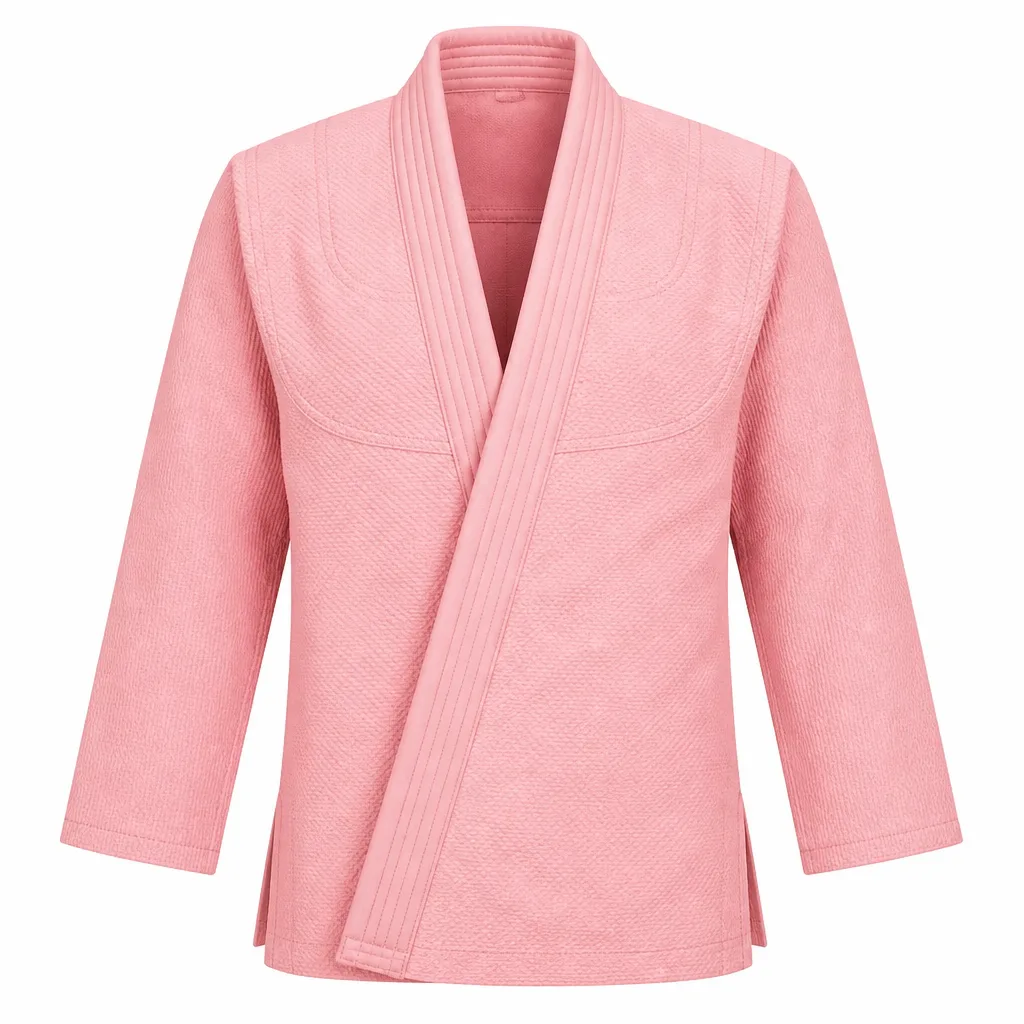
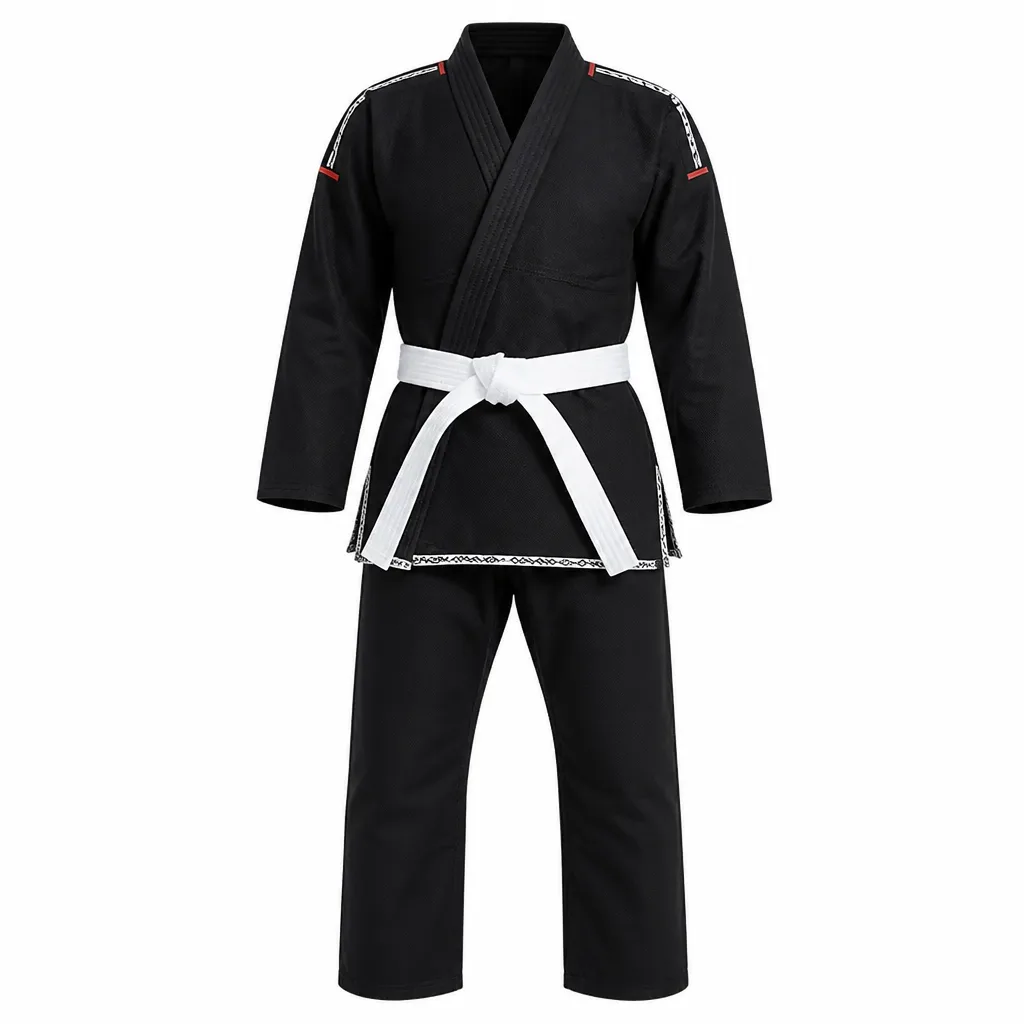
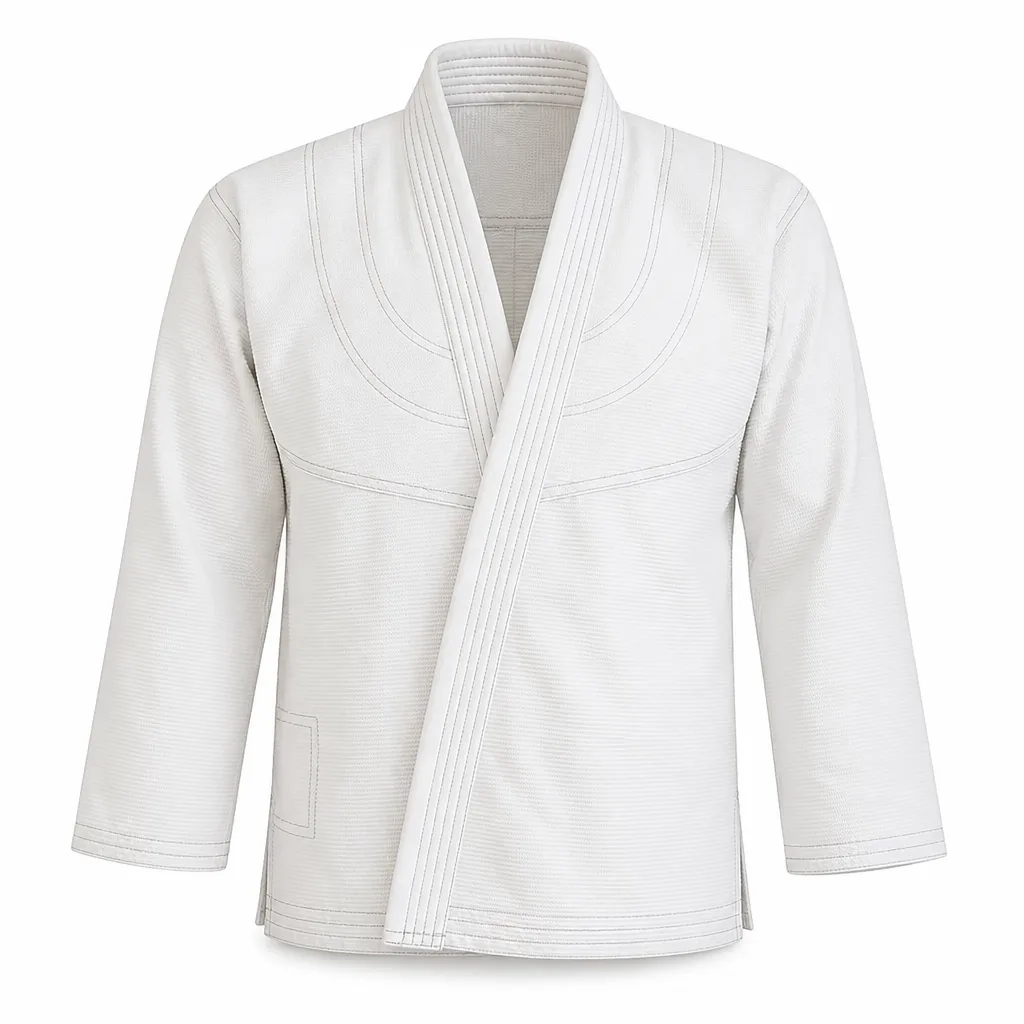
- Training Tip: Drill in a Tatami gi from our collection for grip-dependent passes—the 450gsm pearl weave holds up to 100+ rolls without fraying, unlike lighter fabrics that rip under torque.
Limitations? It's gi-heavy, so no-gi purists might need to adapt grips. Price sits around $150-$200, but the ROI in mat time saved is massive. Gear it up with Hayabusa no-gi shorts for hybrid sessions—their 4-way stretch spandex prevents ride-ups during long knee-slice drills.
2. Leg Locks: Enter the System – Unlocking the Modern Ashi Garami Meta
Leg locks exploded in popularity post-ADCC 2017, and Giles was at the forefront with Leg Locks: Enter the System. This 10+ hour beast maps the ashi garami entries, attacks, and defenses into a flowchart anyone can follow. Covering inside/outside heel hooks, toe holds, and kneebars from every angle, it's structured for stacking defenses logically—start with entries, build to finishes.
In my strength & conditioning programs for Muay Thai and MMA fighters incorporating BJJ, this instructional transformed leg attack games. I've seen kickboxers, notorious for stiff hips, tap pros with outside passes into ashi setups after two weeks. For Lachlan Giles instructionals for training, it's unbeatable in home gyms or commercial mats—drill solo with a grappling dummy, then live with partners. Safety note: always tap early; these torque joints like nothing else.
Key Strengths and Fighter Scenarios
- Intermediate to Pro: Assumes basic flexibility; builds explosive entries.
- No-Gi/MMA Focus: 80% applicable to cage grappling, dodging gi-specific tangles.
- Gear Pairing: Venum rash guards wick sweat during 20-minute leg lock flows—their bamboo viscose blend breathes better than polyester, reducing hotspots on inner thighs.
Trade-off: steep learning curve for inflexible athletes—pair with mobility work. At $200+, it's an investment, but pros like Craig Jones swear by it. Stock up on Fairtex shin guards from Apollo MMA for standing-to-ground transitions; their multi-layer foam absorbs kneebar counters without bulk.
3. High Percentage No-Gi Escapes: Surviving and Reversing from Anywhere
Ever been mounted and thought, "I'm done"? Giles' High Percentage No-Gi Escapes flips the script with 12+ hours of escape systems from bad positions like mount, side control, and back takes. It's not random hip escapes—it's probability-based sequences prioritizing elbow escape to guard recovery over flashy bridges.
As someone who's coached wrestlers transitioning to BJJ for MMA, this is a lifesaver. In comp prep, my athletes escaped 50% more dominant positions post-instructional, chaining to guard retention. Perfect for best Lachlan Giles instructionals in no-gi MMA training, where sweat-slicked holds demand grip-independent moves. Drill it in open mats: start pinned, end in top turtle for sweeps.
Practical Breakdown and Level Fit
- All Levels: Beginners love the step-by-steps; pros tweak for speed.
- Kickboxing/BJJ Hybrids: Escapes feed into clinch pulls.
- Pro Tip: Use our size guide for Ringside compression shorts—they lock in during elbow escapes, preventing skin burns from mat friction.
Honest caveat: less emphasis on submissions, more survival. Value-packed at $150, but supplement with positional sparring. Everlast no-gi belts add subtle grip aids without gi bulk.
Comparison Overview: Which Instructional Rules Your Game?
| Instructional | Focus | Best For | Length/Hours | Gi/No-Gi | Price Range | Gear Synergy |
|---|---|---|---|---|---|---|
| Guard Passing Matrix | Passing Systems | Top Players, MMA Top Control | 8+ | Mostly Gi | $150-200 | Tatami Gis, Hayabusa Shorts |
| Leg Locks: Enter the System | Ashi Attacks/Defense | Leg Lock Hunters, No-Gi Pros | 10+ | 80% No-Gi | $200+ | Venum Rash Guards, Fairtex Shins |
| High Percentage No-Gi Escapes | Bottom Survival | Defensive Grapplers, Beginners | 12+ | No-Gi | $150 | Ringside Compression, Everlast Belts |
This chart highlights trade-offs: Passing Matrix for aggressors, Leg Locks for innovators, Escapes for survivors. All excel in MMA contexts—combine for a Danaher Death Squad vibe without the New York rent.
How to Choose the Right Lachlan Giles Instructional for Your Training
Start with your goals: top dominance? Guard Passing Matrix. Leg entanglements? Enter the System. Bottom resilience? No-Gi Escapes. Consider discipline—MMA fighters lean no-gi heavy, while BJJ purists grab gi-focused. Skill level matters: beginners drill Escapes first for confidence; advanced stack all three.
Environment plays in—home workouts favor solo-drillable Leg Locks; gym sparring suits Passing Matrix. Budget? Start with one at $150, expand as you grow. Always match gear: check our Apollo MMA rash guard selection for no-gi sessions—their flatlock seams prevent chafing during marathon escapes.
Safety first: warm up hips/ankles, use mouthguards, and maintain gear—wash gis post-every session to kill bacteria. For body types, taller frames love Passing Matrix leverage; stockier builds crush Leg Locks torque.
Final Thoughts: Level Up Your Grappling with Giles and Apollo MMA Gear
Lachlan Giles instructionals for fighters aren't hype—they're the blueprint for smarter, deadlier grappling. I've integrated them into countless programs, watching athletes submit higher belts and finish stronger in MMA rounds. Pick your entry point, drill relentlessly, and gear up right.
Head to Apollo MMA's collection for Tatami gis, Venum apparel, and Hayabusa essentials—everything built to withstand Giles-level intensity. Your next tap-out (or escape) starts here. Oss!
Sarah Chen, BJJ Black Belt & Apollo MMA Gear Expert