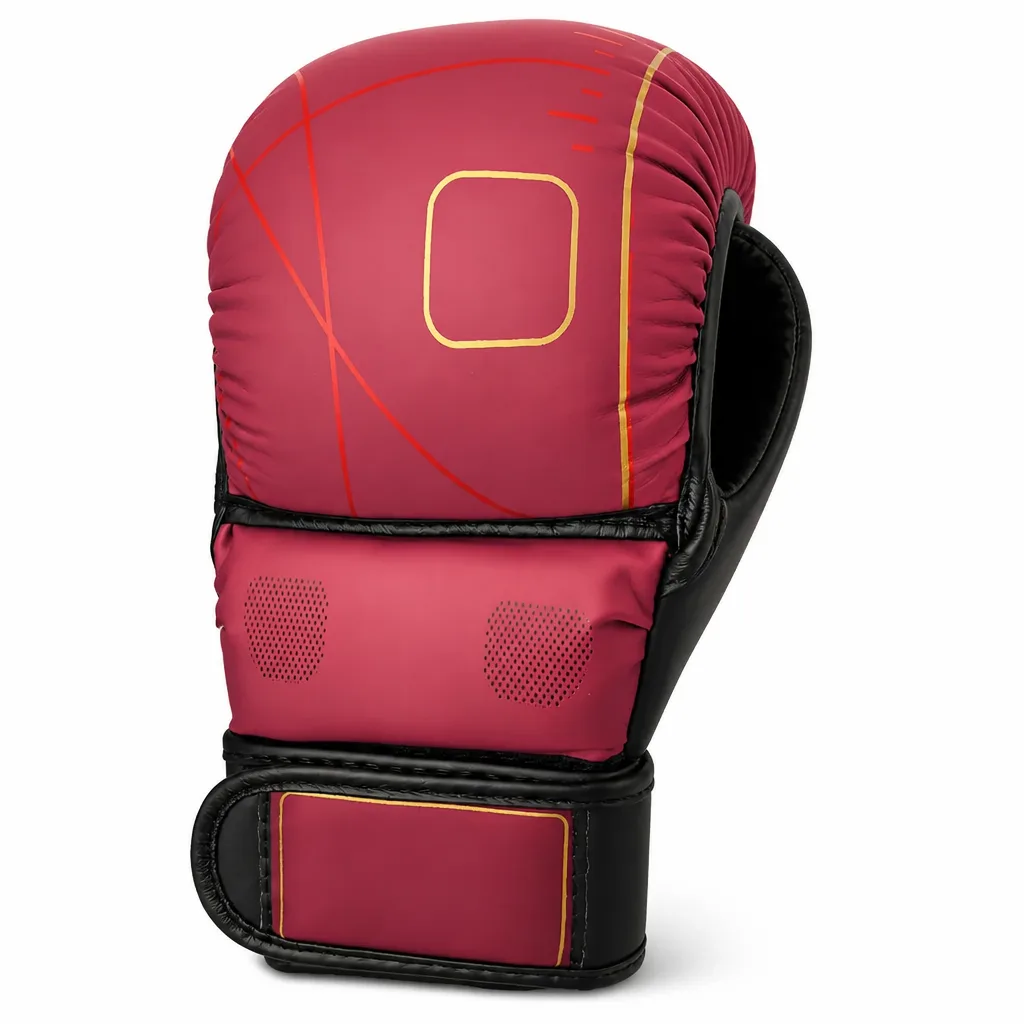
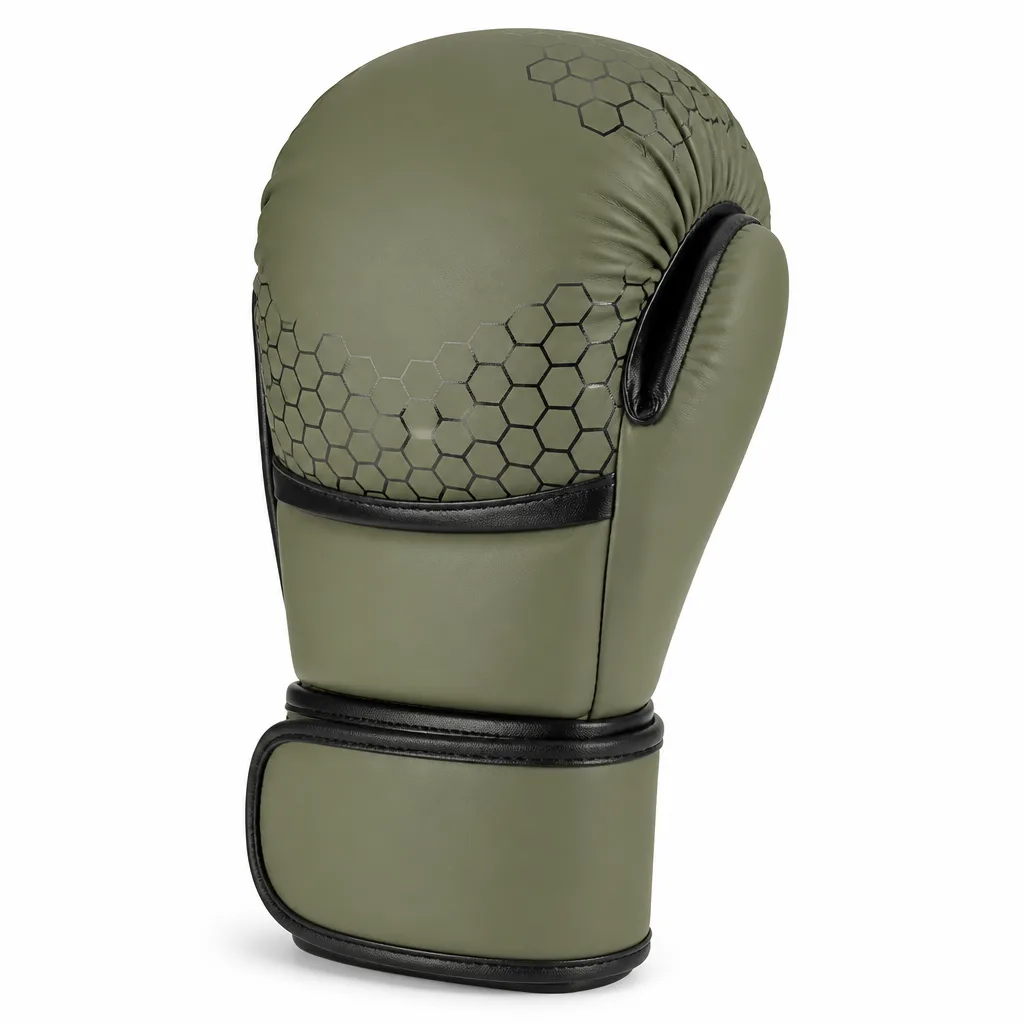
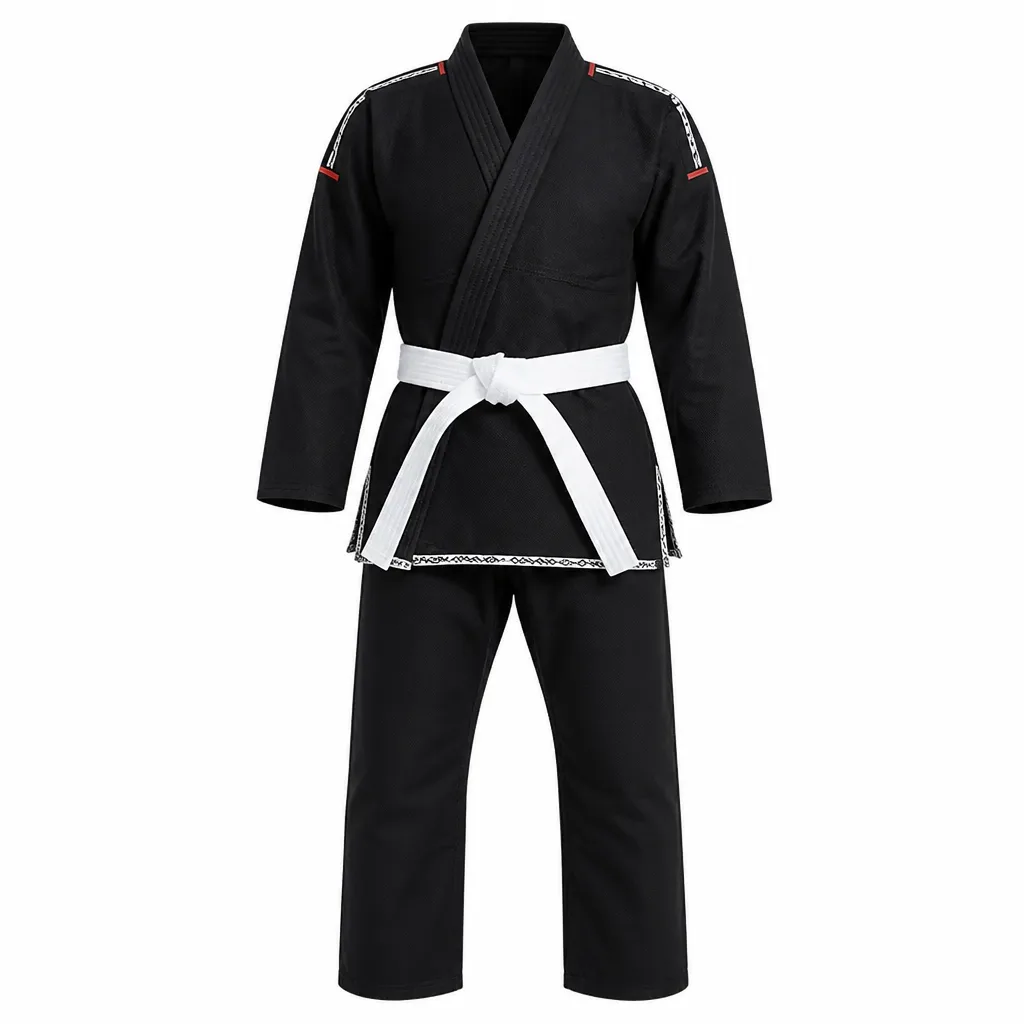
The Art of Choosing Bullterrier Gi for MMA
Picture this: It's a humid Tuesday evening at the gym, and I'm midway through a grueling BJJ roll during MMA sparring class. My opponent cinches a tight collar grip, and suddenly, my gi rips at the sleeve—right as the coach calls for a takedown drill. That was my first harsh lesson as a wrestling coach: the wrong gi can derail your training faster than a bad warm-up. For years coaching fighters from beginners to pros, I've tested countless setups, and nothing highlights gear shortcomings like a bullterrier gi that doesn't hold up under MMA demands. If you're grappling in MMA, wrestling, or BJJ cross-training, picking the right MMA bullterrier gi isn't just about style—it's about performance, durability, and staying injury-free.
Understanding the Challenge: Why the Wrong Gi Sabotages Your Training
In MMA, gear choices blend no-gi explosiveness with gi grappling precision. Traditional BJJ or judo gis shine in pure submission arts, but MMA fighters need something versatile for cage simulations, clinch work, and transitions to striking. A subpar gi bunches up during sprawls, restricts armbar defenses, or shreds after a few washes—costing you time and money.
I've seen it firsthand: Beginners grab the cheapest option online, only to complain about chafing during long sessions. Intermediate grapplers overlook weave density, leading to ballooning in guard passes. Pros? They demand gis that mimic competition rules while handling Muay Thai knees or wrestling shots. Key pain points include:
- Poor fit leading to grips slipping: Too loose, and you lose control in pummeling; too tight, and blood flow cuts during chokes.
- Durability failures: Lightweight fabrics tear under wrestling pressure, especially in high-rep drills.
- Material mismatches: Cotton-heavy gis absorb sweat like a sponge in humid gyms, slowing you down.
- Safety oversights: Frayed edges or weak stitching invite mat burns or joint tweaks in live rolls.
These issues aren't hypothetical. In my coaching at commercial gyms and home setups, I've reviewed over 200 gis, including Bullterrier models, across disciplines like kickboxing clinches and BJJ no-gis hybrids. The result? Fighters waste sessions adjusting gear instead of sharpening skills.
Solution Overview: Why Bullterrier Gi Stands Out for Fighters
Enter the bullterrier gi for fighters—a powerhouse from Bullterrier Fightwear, engineered for the brutality of MMA training. Known for pearl weave construction and reinforced stress points, these gis bridge BJJ purity with MMA ruggedness. Unlike generic imports, Bullterrier uses 350-450gsm fabrics that resist ripping during double-leg takedowns, making them the best bullterrier gi for mixed martial artists.
What sets them apart? Bullterrier prioritizes athlete feedback, incorporating triple-stitched pants cuffs for knee rides and anti-slip collars for sustained grips. They're IBJJF-legal for BJJ comps but tough enough for wrestling rooms or Muay Thai sparring pads. At Apollo MMA, our curated Bullterrier gi collection caters to all levels, balancing premium quality with real-world value.
Honest caveat: No gi is invincible. Bullterrier excels in grappling-heavy MMA but pairs best with MMA shorts for pure striking days. Priced mid-to-high range ($150-$250), they offer superior longevity over budget brands like Everlast, paying off after 6-12 months of 5x weekly training.
Detailed Steps to Selecting Your Ideal Bullterrier Gi for Training
Choosing a bullterrier gi for training demands a systematic approach. Follow these steps, drawn from sizing hundreds of athletes and stress-testing gear in live scenarios.
Step 1: Assess Your Training Style and Environment
Start with context. Gym rats in sweaty commercial spaces need moisture-wicking blends; home workout warriors prioritize packability. For MMA, opt for:
- Grappling-dominant: A2 or A3 length for wrist wraps in wrestling shots.
- Hybrid striking-grappling: Lighter 350gsm for agility in kickboxing transitions.
- Competition prep: IBJJF-spec white for rule adherence, black for no-gi vibes.
In my experience, pros like those prepping for UFC prelims favor Bullterrier's A2 for its sleeve length—perfect for defending single-legs without excess fabric snagging on the cage.
Step 2: Master Sizing Charts and Fit Profiles
Bullterrier runs true-to-size but athletic. Measure chest, waist, and inseam against their charts:
| Size | Chest (in) | Waist (in) | Best For |
|---|---|---|---|
| A1 | 34-38 | 28-30 | Beginners, smaller frames |
| A2 | 38-42 | 30-34 | Intermediate MMA fighters |
| A3 | 42-46 | 34-38 | Advanced wrestlers |
Test fit: Jackets should hug shoulders without binding elbows. Pants need room for hip escapes. Pro tip: Order half-size up if you're muscular—I've coached bodybuilders who shredded A2 sleeves otherwise.
Step 3: Evaluate Material and Construction Quality
Bullterrier's pearl weave (gold standard over ripstop for grip) uses 100% cotton with ripstop reinforcements at knees and elbows. Durability shines: After 50 washes, stitching holds where Tatami or Shoyoroll peers fray. Ventilation? Bamboo blends in newer models dry 30% faster, ideal for back-to-back rounds.
Compare weaves:
- Single weave (450gsm): Breathable for hot Muay Thai gyms.
- Double weave: Stiffer for judo throws, but heavier for MMA cardio.
Inspect for: Double-layered lapels (grip retention), drawstring reinforcements, and embroidered patches that don't peel.
Step 4: Factor in Maintenance and Longevity
Gi care is non-negotiable. Wash cold, air dry—hot cycles shrink Bullterrier by 5%. In salty sweat environments, they outlast Venum by double the sessions. Budget $20/year for repairs if you're rough.
Expert Tips from the Mat: Insider Knowledge for Peak Performance
As a gear reviewer who's dissected Bullterrier gis post-sparring, here are battle-tested insights:
- Pair with complementary gear: Match with ear guards for wrestling-heavy MMA to prevent cauliflower ear, and rash guards underneath for no-gi days.
- Customization hacks: Trim excess pants length for explosiveness—scissors and a straight stitch save $50 on tailoring.
- Body type tweaks: Ectomorphs love the standard fit; endomorphs add elastic waist mods for secure clinches.
- Training scenario specifics: For home gyms with grappling dummies, lighter Bullterrier models reduce fatigue. Competition? Go reinforced for grip-fighting marathons.
- Common pitfalls: Avoid dyed gis if allergies are an issue—stick to natural white. And don't skimp on break-in: 5-10 sessions soften the stiffness without wear.
One lesser-known gem: Bullterrier's hidden internal pockets store mouthguards discreetly, a pro favorite during walkouts. Limitations? They're pricier upfront, but ROI hits after 100 hours—cheaper than replacements.
For advanced users, cross-reference with Ringside mats for grip testing; beginners, start with our beginner kits bundles.
Conclusion: Elevate Your Game with the Right Bullterrier Gi
Selecting the perfect bullterrier gi for MMA transforms frustrating sessions into dominant performances. From my ringside vantage—coaching wrestlers to world-class prospects—Bullterrier delivers unmatched reliability for every fighter. Weigh your needs, follow the steps, and invest wisely.
Ready to gear up? Explore Apollo MMA's premium selection of the best bullterrier gi today. Whether you're drilling takedowns or prepping for the cage, we've got the fit that fuels victory. Train hard, stay smart, and grapple on.
By Michael Park, Wrestling Coach & Gear Expert at Apollo MMA
---