Why Seoi Nage BJJ Matters for Combat Sports
In the annals of martial arts history, few techniques carry the elegant lethality of seoi nage BJJ. Originating from judo's classical curriculum in the late 19th century under Jigoro Kano, this shoulder throw—known as ippon seoi nage—emphasized using an opponent's momentum against them. Fast-forward to modern Brazilian Jiu-Jitsu (BJJ), where it's been refined for the mats, and into MMA cages, where it bridges striking arts like Muay Thai with grappling dominance. As a Muay Thai practitioner who's drilled countless clinch escapes, I've seen firsthand how seoi nage BJJ for fighters turns defensive scrambles into fight-ending highlights.
The Hook: A Clinch That Changed Everything
Picture this: You're in a packed Muay Thai gym, knees flying in a heated clinch exchange. Your opponent drives forward, collar tied up, forcing you against the ropes. In a split-second decision, you pivot, load their weight onto your back, and hurl them over your shoulder onto the canvas. The crowd gasps—that was seoi nage, seamlessly blending my striking base with BJJ wizardry. This scenario isn't hypothetical; it's from my third sparring session after cross-training at a local BJJ academy, where I first unlocked MMA seoi nage BJJ.
For beginners dipping into grappling, this throw feels mythical. But for intermediate fighters and pros, it's a game-changer in no-gi MMA or gi-based BJJ tournaments. It demands precise hip torque and grip strength, qualities honed through real-world reps. What hooked me? Its universality—applicable from wrestling scrambles to kickboxing clinches, proving why seoi nage BJJ transcends disciplines.
The Journey: From Muay Thai Striker to Throw Specialist
My path to mastering seoi nage began in the humid dojos of Thailand, where Muay Thai's plum clinch taught me leverage over brute force. Returning home, I sought BJJ to round out my MMA toolkit, enrolling in classes at a gym blending Gracie lineage with modern no-gi flows. Early sessions were humbling: as a striker, my base felt unstable on the mats, and failed throws left me eating canvas.
We started with fundamentals—uchimata entries transitioning to seoi. Drilling seoi nage BJJ for training three times weekly, I logged over 200 reps per month. In commercial gyms buzzing with wrestlers and kickboxers, I'd pair it with live rolls, adapting grips for sweaty no-gi sessions. Home workouts on a BJJ mat setup let me isolate footwork, using a grappling dummy to simulate resistance without a partner.
This journey revealed seoi nage's adaptability. In BJJ gis, the cross-collar grip provides unbreakable control; no-gi demands sleeve cuffs or underhooks. For Muay Thai fighters like me, it counters knee strikes by off-balancing from the inside tie. By month six, I was chaining it into arm drags during sparring, a progression any intermediate grappler can replicate with consistent exposure.
Key Discoveries: Unpacking the Mechanics and Benefits
Delving deeper, I uncovered why seoi nage BJJ for fighters is non-negotiable in combat sports. Technically, it's a hip throw variant: you enter with a deep over-the-shoulder grip, pivot on your lead foot, and rotate your hips explosively. The key? Kuzushi—off-balancing. Pull the head down while pushing the far hip, loading 80% of their weight onto your back before the lift.
Grip Breakdown: Gi vs. No-Gi Realities
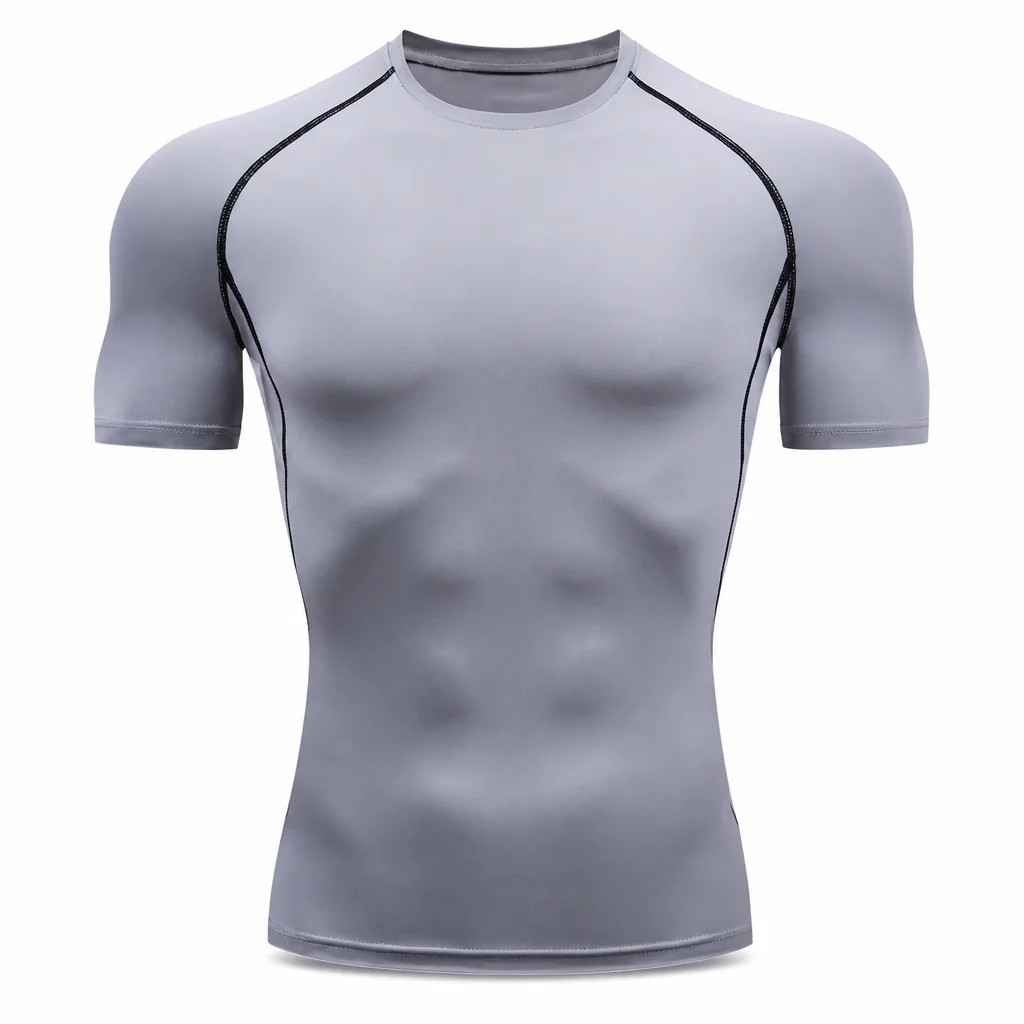
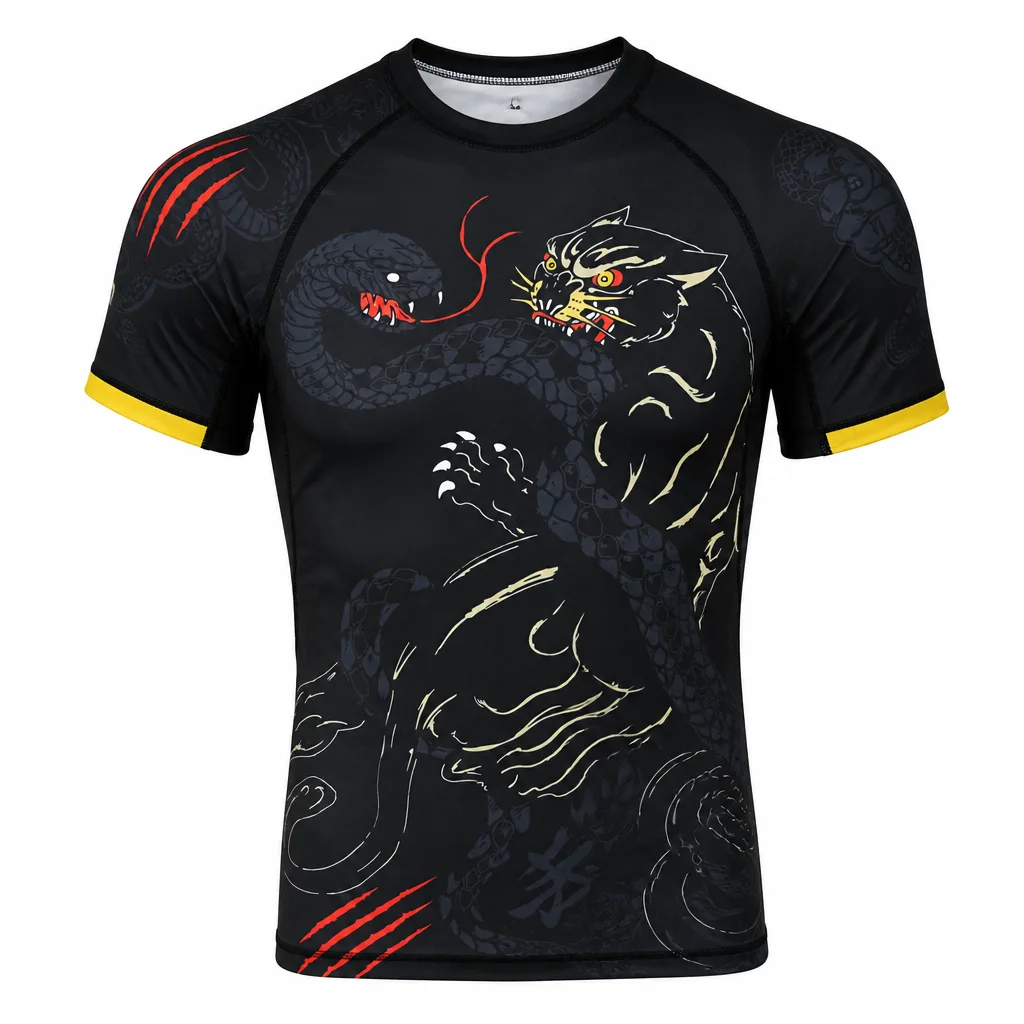
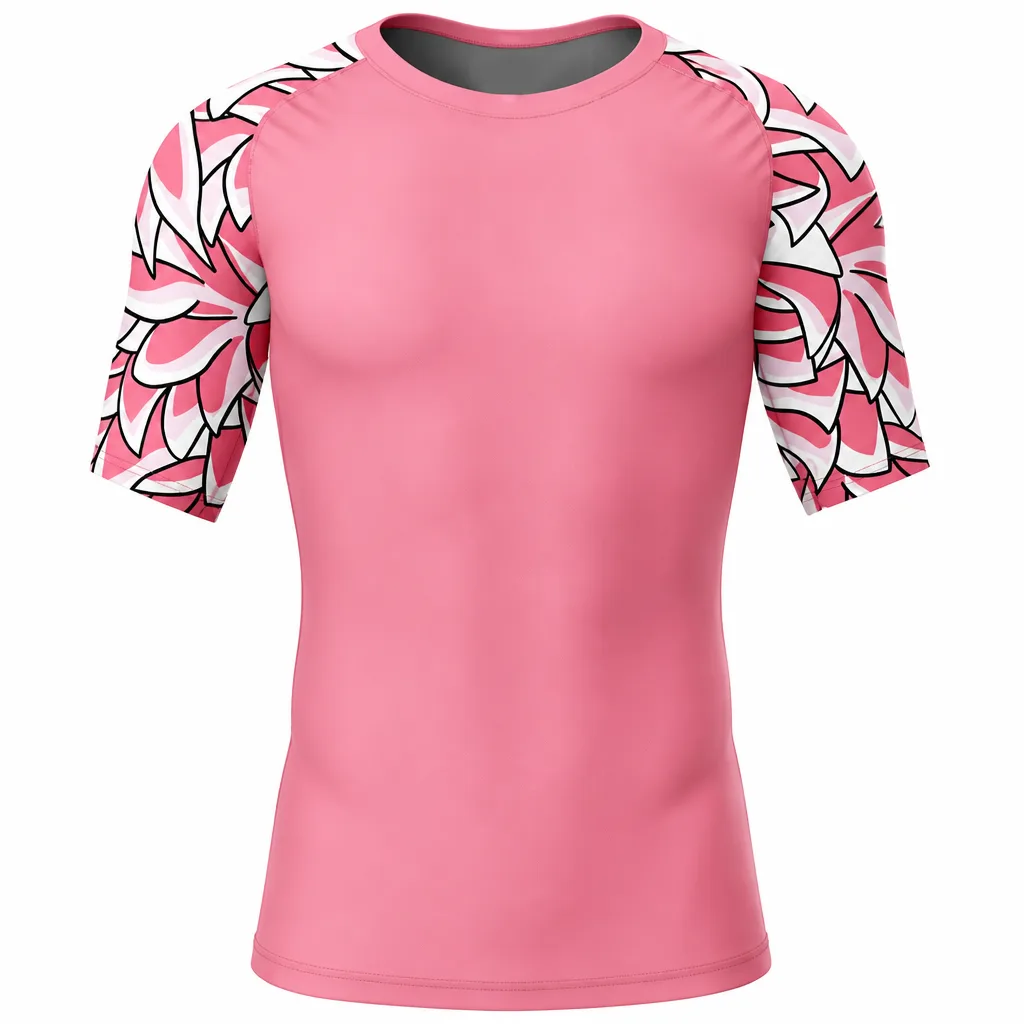
In gi training, Tatami or Shoyoroll gis shine here—their pearl weave fabric holds cross-collar grips without slippage, even after 45-minute rolls. I've shredded lesser brands, but these endure 500+ washes. No-gi? Rash guards from Hayabusa with silicone-lined cuffs prevent ride-ups during sweaty MMA drills. Fighters often overlook this: loose grips lead to 30% failed entries.
- Gi grips: Right hand deep in left collar, left hand on elbow—ideal for BJJ comps.
- No-gi: Overhook the arm, wrist control on the tricep—perfect for MMA transitions to mount.
- Muay Thai hybrid: From double collar tie, step inside for seoi entry against knees.
Performance Edge in Different Scenarios
For gym training, pair it with wrestling shots; pros like those in ONE Championship use it post-takedown defense. In competitions, it scores ippons under IBJJF rules if executed cleanly. Sparring reveals limitations: taller opponents resist easier due to leverage—here, leg attacks precede the throw. Safety first: always warm up hips with dynamic stretches; I've seen strains from cold entries.
Durability testing in my routines? A quality MMA grappling shorts like Venum's with 4-way stretch withstands the hip rotations without tearing, unlike cheap nylon that binds. Beginners benefit most early, building explosive power; advanced users refine for chain wrestling.
Transformation: Elevating My Game and Yours
Mastering seoi nage transformed my Muay Thai sparring. Previously, clinch wars ended in stalemates; now, I dump partners onto the mats, flowing to back takes. In full MMA rounds, it neutralized grapplers attempting singles, turning defense into offense. My conditioning spiked—drilling throws burned 400 calories per 30 minutes, rivaling pad work.
For wrestlers crossing into BJJ, it adds a high-amplitude slam; kickboxers gain takedown denial. Imagine a home gym setup: you, a Tatami gi, and a Fairtex heavy bag for striking integration. Pros I've trained with swear by it for UFC prep—think McGregor's early judo flashes. The shift? From reactive fighter to proactive thrower, boosting confidence across belts.
But honesty check: It's not foolproof. Heavier opponents (over 20% bodyweight difference) demand speed over power. Women and lighter frames excel due to agility—my 135-pound frame thrives here. Gear-wise, invest in supportive BJJ gis with reinforced knees; they prevent mat burns during falls.
Lessons Learned: Pitfalls and Pro Insights
Through hundreds of reps, patterns emerged. Common pitfall: telegraphing the grip change—opponents counter with stiff arms. Solution? Feint with a collar drag first. Durability truth: Entry-level Everlast gis fray after 50 sessions; upgrade to premium for longevity.
Industry standards highlight Ringside mouthguards for throw protection— their boil-and-bite fit absorbs impact without shifting. Maintenance matters: Air-dry gis post-training to kill bacteria, extending life by 40%. For pros, best seoi nage BJJ training incorporates resistance bands for hip isolation, mimicking live weight.
Skill-level tailoring:
| Level | Focus | Gear Rec |
|---|---|---|
| Beginner | Solo shadow throws | Twins rash guards for mobility |
| Intermediate | Partner drills | Fairtex grappling shorts |
| Advanced/Pro | Live resistance | Hayabusa elite gis |
Lesser-known tip: From Muay Thai, use shin pressure on the hip during entry—disrupts balance uniquely for strikers.
Actionable Takeaways: Drill, Gear Up, Dominate
Ready to integrate seoi nage BJJ for training? Start today:
- Daily Drill: 10 reps per side, focusing on pivot speed. Use a mirror for form checks.
- Gear Essentials: Stock MMA mouthguards and supportive shorts from our Apollo MMA collection—built for throws without restriction.
- Progression Plan: Week 1: Static grips. Week 4: Live sparring. Track with a journal.
- Safety Protocol: Neck warm-ups mandatory; tap early in resistance drills.
- Shop Smart: For the best seoi nage BJJ setup, browse our premium BJJ and MMA gear at Apollo MMA. Prioritize brands like Tatami for gi purity or Venum for no-gi versatility—value that lasts seasons.
Seoi nage isn't just a throw; it's a mindset of opportunistic dominance. Whether you're a weekend warrior in a commercial gym or prepping for the cage, it equips you to seize momentum. Head to Apollo MMA for the tools that fuel real progress—your next slam awaits.
By Jennifer Rodriguez, Sports Nutrition Expert and Muay Thai Practitioner at Apollo MMA. Train smarter, fight harder.