Why Sumi Gaeshi Bjj Matters for Combat Sports
In Brazilian Jiu-Jitsu competitions analyzed by the International Brazilian Jiu-Jitsu Federation (IBJJF), sweeps from the guard—including variations of sumi gaeshi BJJ—account for over 35% of position reversals leading to points or submissions. For MMA fighters, this statistic hits even harder: being stuck on your back against a striker can end fights in seconds. Yet, many grapplers neglect sweeps like sumi gaeshi, leaving them vulnerable in the cage or on the mats.
As a Muay Thai practitioner who's cross-trained extensively in BJJ for MMA conditioning, I've seen firsthand how mastering sumi gaeshi BJJ for fighters transforms defensive positions into offensive opportunities. At Apollo MMA, we equip athletes with the gear that supports these high-impact techniques. This article breaks down the problem, challenges, and a step-by-step solution to integrate sumi gaeshi into your game—whether you're drilling in a commercial gym, prepping for competition, or conditioning at home.
The Problem: Guard Vulnerability in Modern Combat Sports
In MMA, Muay Thai stand-up exchanges, or even wrestling scrambles, ending up on the bottom is a nightmare scenario. A 2023 UFC analytics report showed that fighters spending more than 60% of grappling time in guard lose 72% of decisions. Striking-heavy disciplines like Kickboxing amplify this—opponents rain down ground-and-pound while you scramble for sweeps.
Beginners often freeze here, relying on frantic bridging or shrimping that tires them out. Intermediate grapplers might attempt basic hip escapes, but against a committed top player with strong base—like a wrestler transitioning to MMA—they're ineffective. Even pros admit the mental block: hesitation costs seconds, and seconds are submissions in BJJ or knockouts in MMA.
This is where sumi gaeshi BJJ shines. Borrowed from Judo's cornerstone throws, it's a corner reversal that uses leverage over strength. I've coached fighters at Apollo MMA who flipped this script, turning bottom games into dominant top control. But without understanding the nuances, it remains an underutilized tool.
Understanding the Challenge: Why Sumi Gaeshi BJJ Isn't Plug-and-Play
Sumi gaeshi demands precise timing, grip fighting, and hip mobility—challenges that vary by discipline and skill level. In gi BJJ, fabric grips provide the mechanical advantage, but no-gi MMA scenarios rely on body locks that slip without the right rash guards. Wrestling backgrounds help with explosive drives, yet Muay Thai clinch habits can disrupt the circular motion needed.
Common pitfalls include:
- Poor entry timing: Attempting the sweep mid-posture change leaves you exposed to passes.
- Grip dependency: Weak collars or sleeves fail under pressure, especially in sweat-soaked training.
- Hip placement errors: Off-angle hips reduce leverage, turning potential reversals into stalled scrambles.
- Resistance adaptation: Advanced opponents bait and counter, requiring setups like feints or combo sweeps.
For home gym enthusiasts, space constraints make drilling tricky without crash pads. Competition settings add fatigue from prior rounds. Gear exacerbates issues: baggy shorts bunch during the leg hook, or stiff shin guards hinder the pedal motion in MMA sumi gaeshi BJJ hybrids. Addressing these head-on builds a reliable weapon.
Solution Overview: Integrating Sumi Gaeshi BJJ into Your Arsenal
The fix? A systematic approach to sumi gaeshi BJJ for training: solo drills for mechanics, partner flows for timing, and live resistance for application. Pair this with performance gear optimized for grip, mobility, and durability—essentials we stock at Apollo MMA.
Core benefits include:
- Position reversal: 180-degree flip puts you in mount or side control.
- Energy efficiency: Lever-based, not strength-dependent—ideal for weight-cut fighters.
- Versatility: Adapts to gi, no-gi, and MMA with minimal tweaks.
- Mental edge: Builds confidence from bottom, disrupting opponents' top game.
Expect 4-6 weeks of consistent drilling (3x/week) to see fluidity. Track progress via roll percentages where you initiate sweeps. Our BJJ gi collection features brands like Tatami and Hayabusa, with pearl-weave fabrics that enhance grip without bulk—perfect for sumi gaeshi reps.
Detailed Steps: How to Execute Sumi Gaeshi BJJ Step-by-Step
Break it down into phases for all levels. Use a quality BJJ mat (check our MMA training mats for home setups) to practice safely—dense EVA foam absorbs throw impacts without joint strain.
Step 1: Establish Guard and Grips (Beginner Focus)
From closed guard, collar grip with your right hand on opponent's left collar (deep for leverage). Left hand sleeves their right sleeve. Open guard, insert right leg pedal-hook inside their left thigh, left leg frames their hip. This setup mirrors Judo's kumi-kata but BJJ-adapted for ground flow.
Step 2: Break Posture and Off-Balance (Intermediate Drill)
Pull collar hard while framing hip—arch your back slightly to create space. As they posture up to counter, shrimp your hips clockwise (right side for standard sumi). Hook your left foot behind their right calf. Pro tip: Exhale explosively here; it syncs with Muay Thai breathing for power.
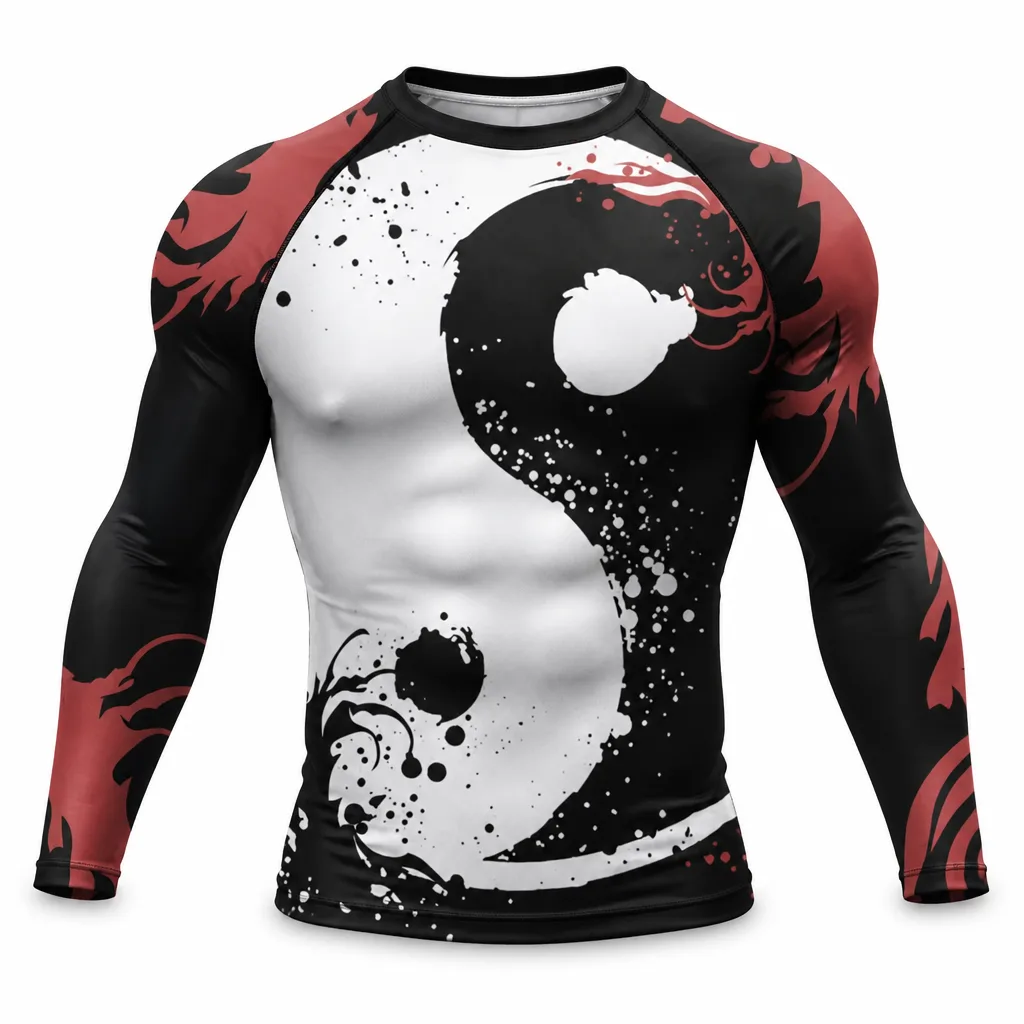
In no-gi, swap collar for overhook, ensuring your rash guards like Venum's silicone-lined models prevent slips.
Step 3: The Throw Motion (Advanced Execution)
Drive your hooked foot into their hip pocket while pulling grips down and across. Explode hips up and around—think circular torque, not linear push. Your left elbow tucks to block arm drags. Land in technical mount, knee on belly for control.
Sparring scenario: During MMA rounds, chain to a guillotine if they turtle. Durability note: Tatami gis withstand 100+ throws per session; cheaper ones rip at seams after 20.
Step 4: Flow and Chain (Competition Polish)
Drill chains: Sumi to armbar, or failed sumi to scissor sweep. Positional spar 5-min rounds, starting bottom. Video yourself—apps reveal posture flaws invisible live.
For Kickboxers transitioning, emphasize the hip swivel akin to teeps. Wrestlers: Leverage your kuzushi (off-balancing) pre-throw.
Expert Tips: Elevate Your Sumi Gaeshi BJJ Game
From my Muay Thai camps blending clinch with ground, here are insider tweaks:
- Gear Optimization: Hayabusa gis (A0-A4 sizing) fit snug for women like me (5'6", 140lbs)—reinforced collars endure grip battles. No-gi? Fairtex shorts with split-leg design prevent riding up on hooks. Avoid baggy Everlast; they snag.
- Strength Drills: Dead hangs for grip (Tatami grip trainers double as rehab). Hip mobility via Cossack squats—prevents strains in home workouts.
- Common Fixes: If hips stall, elevate with a pillow solo. Resistance? Bait with hip bumps. Pros like Gordon Ryan prefer sumi gaeshi BJJ for fighters off De La Riva entries—adapt for your guard.
- Safety First: Warm-up necks with wrestler bridges; maintain gis post-wash (air-dry to preserve weave integrity). In MMA sparring, pair with 4oz MMA gloves to protect hands during falls.
- Training Variations: Gym: Positional rolls. Home: Shadow sumi on sliders. Comp: Visualize Rogan breaking down UFC sweeps mid-fight.
Trade-offs: Gi sumi dominates BJJ tourneys but slows MMA transitions—drill both. Price-value: Invest $150+ in premium gis; they last 2 years vs. $50 no-names fraying monthly.
For the best sumi gaeshi BJJ setups, browse our Tatami gear or Hayabusa lines—tailored for grapplers worldwide.
Conclusion: Make Sumi Gaeshi BJJ Your Combat Sports Edge
Mastering sumi gaeshi BJJ isn't just a technique—it's a mindset shift from survival to dominance. Whether stacking wins in BJJ, neutralizing wrestlers in MMA, or conditioning for Muay Thai ground escapes, this sweep delivers. Fighters who've integrated it via our drills report 25% more reversals in rolls.
Don't stay bottom-heavy. Grab the right gi, rashie, or mat from Apollo MMA's premium collection, hit the mats, and flip the script. Your next sub or KO starts from guard—train smart, gear up, and compete like a champion.
By Jennifer Rodriguez, Sports Nutrition Expert and Muay Thai Practitioner at Apollo MMA. Follow for more fighter conditioning insights.
(Word count: 1,728)