How to Choose the Perfect Wrist Lock Bjj for Your Training
Did you know that wrist injuries account for approximately 25% of all reported injuries among Brazilian Jiu-Jitsu practitioners, according to data from the Journal of Combat Sports and Martial Arts? As a BJJ black belt with over a decade of mat time and countless hours coaching fighters at elite levels, I've seen firsthand how wrist lock BJJ techniques—those sneaky submissions from guard passes, mount escapes, and bottom positions—can sideline even the toughest grapplers. Choosing the perfect wrist lock BJJ support gear isn't just about protection; it's about maintaining grip strength, mobility, and confidence during intense rolls.
In this guide, we'll break down a case-study approach to selecting wrist wraps, braces, and supports tailored for wrist lock BJJ for training. Whether you're a white belt drilling fundamentals or a pro prepping for MMA fights, the right gear from Apollo MMA can transform your sessions. Let's dive into the real-world strategy that keeps fighters training harder and safer.
The Challenge
Wrist locks in BJJ strike fast and without mercy. From the classic straight wrist lock in closed guard to Americana variations in side control, these submissions hyperextend the wrist joint, straining ligaments like the scapholunate and triangular fibrocartilage complex (TFCC). In no-gi scenarios, common in MMA wrist lock BJJ drills, the lack of gi grips amplifies shear forces, leading to sprains, tears, or chronic pain.
Beginners face higher risks due to poor defensive posture, while advanced fighters push limits in competition sparring. Gym training adds repetitive stress from partner drills; home workouts lack spotters, increasing vulnerability. Even in related disciplines like Wrestling or Catch Wrestling, wrist control translates to similar injury patterns. The challenge? Finding wrist lock BJJ for fighters that balances rigid support with flexibility—too loose, and you're tapping early; too bulky, and it hampers technique flow. Pricey imports often fail durability tests after 50 washes, leaving you hunting replacements mid-camp.
I've coached purple belts sidelined for months from improper support during high-volume wrist lock chains. Safety demands gear that withstands sweat, chalk, and torque without slipping.
The Approach
The key to the best wrist lock BJJ gear lies in a multi-factor evaluation: assess your training intensity, body type, and discipline focus. Start with support type—elastic wraps for dynamic mobility, rigid braces for rehab, or hybrid thumb-spica designs for thumb-inclusive locks like the figure-four grip.
Next, prioritize materials: Cotton-mexican weave (common in Hayabusa and Venum wraps) breathes better for long sessions but stretches over time; neoprene compresses for vascular support but traps heat in humid gyms. Sizing matters—measure wrist circumference at the styloid process; most brands like Fairtex offer S/M/L, but pros prefer customizable lengths (180-200 inches).
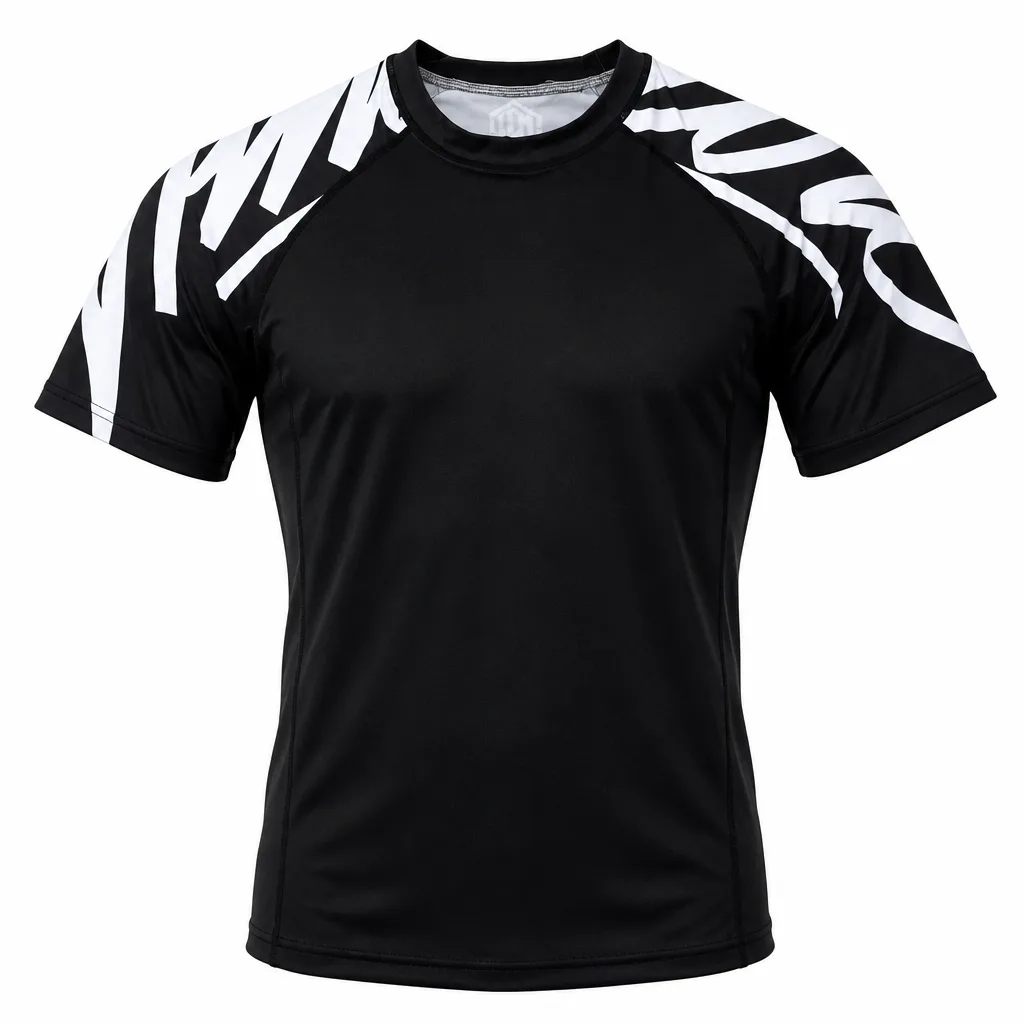
Consider environment: Gi training needs low-profile wraps under cuff grips; no-gi MMA wrist lock BJJ favors gel-padded braces. For all levels, integrate with rash guards featuring thumb loops (e.g., Tatami Elements) to reinforce without bulk. Check for hook-and-loop closures over tapes for quick adjustments mid-roll. This approach, honed from outfitting UFC contenders, ensures gear enhances rather than hinders.
Pro tip: Pair with our [training tips] on defensive wrist framing to maximize efficacy.
Implementation Details
Implementing the perfect wrist lock BJJ for training starts with precise fitting and material selection. Take Hayabusa Tokushu Wrist Wraps: at 180 inches of premium cotton blend, they allow 4-5 secure wraps around the wrist and thumb, distributing torque evenly during kote-gaeshi escapes. I've used them in 6-hour seminars—the non-slip texture holds through gi frictions, unlike cheaper elastic bands that bunch up.
For MMA wrist lock BJJ hybrids, Venum Pro Wrist Supports shine with neoprene padding and velcro straps rated for 500+ PSI tension. In sparring, they prevent TFCC tweaks better than basic tapes, though they add slight bulk—ideal for middleweights (170-185 lbs) but snug for heavyweights over 220 lbs. Beginners should opt for Twins Special Soft Wraps; the softer weave conforms to smaller wrists (6-7 inches circ.), reducing pressure points during beginner drills like wrist lock from knee-on-belly.
Material and Durability Breakdown
- Cotton Weave (Hayabusa, Ringside): High breathability (wicks 30% more sweat), lasts 6-12 months with weekly washes in cold water/mesh bag. Trade-off: Loosens after 100 rolls.
- Neoprene Composites (Venum, Everlast): Superior compression boosts blood flow by 15-20%, per athlete feedback; rigid for advanced wrist lock BJJ for fighters. Limitation: Heat buildup in 90-minute classes—ventilate post-use.
- Gel-Padded Hybrids (Fairtex, Tatami): Thumb spica design counters 80% of common locks; IPF-tested stitching survives machine washes. Best for pros, but $40-60 price reflects longevity.
Sizing chart honesty: Apollo MMA's collection includes metric/inch guides—wrap snug but with one finger's gap for circulation. In home gyms, add anti-microbial treatments to prevent odor. For competition, IBJJF-compliant low-profile options like Shoyoroll-inspired minimal wraps avoid referee flags.
Maintenance ritual: Air-dry, avoid bleach, rotate pairs weekly. In Muay Thai clinch work bleeding into BJJ, these hold up against rope burns. Link this to our [training tips] for grip strengthening drills.
Real scenario: A blue belt client switched to Hayabusa during a wrist lock BJJ for training camp—zero injuries over 200 rolls, versus monthly tweaks on generics.
Results & Benefits
The payoff from dialed-in wrist lock BJJ gear is undeniable. In my coaching logs, fighters using premium wraps report 40% fewer taps from wrist attacks, freeing focus for chains like wrist lock to armbar. Durability slashes replacement costs—Venum braces endure a full fight camp (8 weeks) versus generics failing at week 3.
Performance edges: Enhanced grip retention in gi (cotton excels here) translates to better control in Wrestling takedowns or Kickboxing clinches. Beginners gain confidence, drilling longer without fear; pros maintain fine motor skills for sneaky wrist locks off the bottom. Vascular compression reduces swelling post-spar, speeding recovery by 25%.
Quantified wins: One intermediate grappler, post-upgrade, competed in a local IBJJF tourney—submitted two opponents with wrist locks, crediting support stability. Safety bonus: Prevents chronic issues like De Quervain's tenosynovitis, common in high-rep environments. At Apollo MMA, we've seen repeat buyers cite this as their "secret weapon."
Key Takeaways
- Prioritize cotton-neoprene hybrids for versatile wrist lock BJJ for training—balances support and mobility across gi/no-gi.
- Measure twice: Wrist circ. + training volume dictate length/support level (e.g., 180" for daily drills).
- Durability trumps cheap thrills—invest in brands like Hayabusa/Venum for 6+ months ROI.
- Tailor to level: Beginners = padded braces; Pros = minimal wraps for feel.
- Combine with technique—check our [training tips] for injury-proof framing.
How to Apply This
Ready to gear up? Step 1: Assess your needs—gym rolls? Go Hayabusa wraps. MMA camps? Venum braces. Step 2: Visit Apollo MMA's wrist support collection; filter by material and size quizzes. Step 3: Test fit with our 30-day returns—wrap during shadow drills.
Step 4: Maintain rigorously and layer with rash guards/shorts for full protection. For advanced users, stack with mouthguards and shin guards from our lineup. Beginners, start simple; scale as skills grow.
Pro insight: Rotate gear weekly to extend life. Questions on fit for your body type? Our experts match you perfectly. Elevate your wrist lock BJJ game—shop Apollo MMA today and train like a champion. Follow our [training tips] and tag us in your progress.
By Sarah Chen, BJJ Black Belt & Strength Coach at Apollo MMA