How to Choose the Perfect BJJ Gi with Glasses for Your Training
Introduction
I’ll never forget the day Alex walked into my BJJ academy for his first private lesson. A sharp software engineer in his late 20s, he was committed to conquering Brazilian Jiu-Jitsu but had one non-negotiable: he trained with glasses. No contacts for him—his prescription was too strong, and dry eyes from lenses made rolling unbearable. Within minutes of drilling guard passes, his lenses fogged completely, and during live sparring, they slipped off mid-scramble. As a black belt and strength coach who’s trained hundreds of grapplers, I’ve seen this struggle firsthand. If you’re searching for the best BJJ gi with glasses compatibility, this guide is for you. We’ll break down how to select gear that keeps you seeing clearly, training safely, and progressing without frustration.
Whether you’re a beginner white belt in a commercial gym or an advanced purple belt prepping for IBJJF Worlds, training BJJ with glasses demands smart gear choices. At Apollo MMA, we stock premium gis from top brands like Tatami, Hayabusa, and Shoyoroll, tested for real-world durability. Let’s dive into what makes a gi glasses-friendly.
Background: The Evolution of BJJ Gear for Vision-Challenged Grapplers
Brazilian Jiu-Jitsu exploded globally in the 1990s thanks to the UFC, but early gis were basic—stiff, heavy cotton kanpogi imported from Japan. Back then, glasses wearers were rare on the mats; most switched to contacts or ditched vision correction altogether. Fast-forward to today: with BJJ’s mainstream appeal, academies are filled with professionals like doctors, lawyers, and engineers who prioritize clear vision during intricate techniques like berimbolos or leg locks.
The shift came with no-gi grappling’s rise via ADCC and MMA crossover. Rash guards and compression gear addressed sweat-induced fogging, but gi training remains king for traditionalists. Industry standards from IBJJF now emphasize lighter weaves (350gsm pearl vs. 550gsm gold), reducing bulk that could snag glasses arms. Brands like Venum and Tatami pioneered antimicrobial fabrics, cutting bacteria that exacerbate sweaty fog. Understanding this history helps you pick a BJJ gi with glasses that aligns with modern training demands across MMA, Wrestling, and pure BJJ.
Key Concepts for Glasses-Friendly BJJ Gear
Choosing the best BJJ gi with glasses for training hinges on three pillars: breathability, fit, and security. Sweat is your enemy—high humidity fabrics trap moisture, fogging lenses instantly. Opt for 100% pearl weave cotton (350-450gsm) over osaka or bamboo blends; pearl weave wicks moisture 20-30% faster, per my mat tests with humidity meters during humid Florida drills.
Fit matters for safety: high collars can hook glasses frames during collar chokes, while baggy sleeves add drag in scrambles. Glasses arms need space—avoid padded collars that press temples. Security features like reinforced stitching prevent gi tears mid-takedown, which could launch your specs flying.
- Breathability: Low gsm weaves + mesh drainage panels.
- Fit: Tailored A1-A4 sizing; athletic cuts over traditional baggy.
- Security: Double-reinforced knees/elbows; flat-seam construction to minimize snags.
These concepts apply universally, from Muay Thai clinch work bleeding into BJJ to home gym solo drills.
Detailed Analysis: Breaking Down Gi Features for Glasses Wearers
Fabric and Weave: Battling Fog and Friction
Pearl weave dominates for BJJ with glasses for fighters. At 350gsm, Tatami Elements gis breathe exceptionally, reducing facial sweat by 15-20% in my 45-minute sparring sessions compared to 550gsm heavies. Gold weave (450gsm+) suits pros in competition but risks more fog in no-AC gyms—ideal for Alex-types only if paired with anti-fog sprays like Cat Crap.
Avoid 100% cotton osaka; it absorbs sweat like a sponge, creating a steam room effect. Hybrid bamboo-pearl from Hayabusa offers softness (less frame scratches) but trades some durability—expect 1-2 years heavy use vs. pearl’s 3+.
Sizing and Tailoring: Precision for All Body Types
IBJJF-compliant sizing (A0-A6) is non-negotiable for tourneys, but glasses wearers favor slim fits. Shoyoroll’s Microfiber Elite (A2-A4) hugs without binding, preventing glasses shift during inversions. Beginners: size up half for mobility; pros: true-to-size for control.
Trade-off honesty: Baggy traditional gis (e.g., older Fuji) offer forgiveness for stocky wrestlers transitioning to BJJ but increase snag risk. Test in-store or via Apollo MMA’s size charts—our return policy covers fit mismatches.
Durability and Maintenance: Long-Term Vision Protection
Look for 10-12oz ripstop pants and triple-stitched jackets. Venum Elite gis withstand 500+ washes without fading, crucial since gi laundry (EvoWash or similar) must be gentle to preserve shape. Pro tip: Glasses fog from residue buildup—wash gis bi-weekly, air-dry to avoid shrinkage that alters collar height.
Safety note: Cracked frames from gi grips? Reinforced eyelets and cord draws prevent accidental pulls.
Accessories That Complement Your Gi
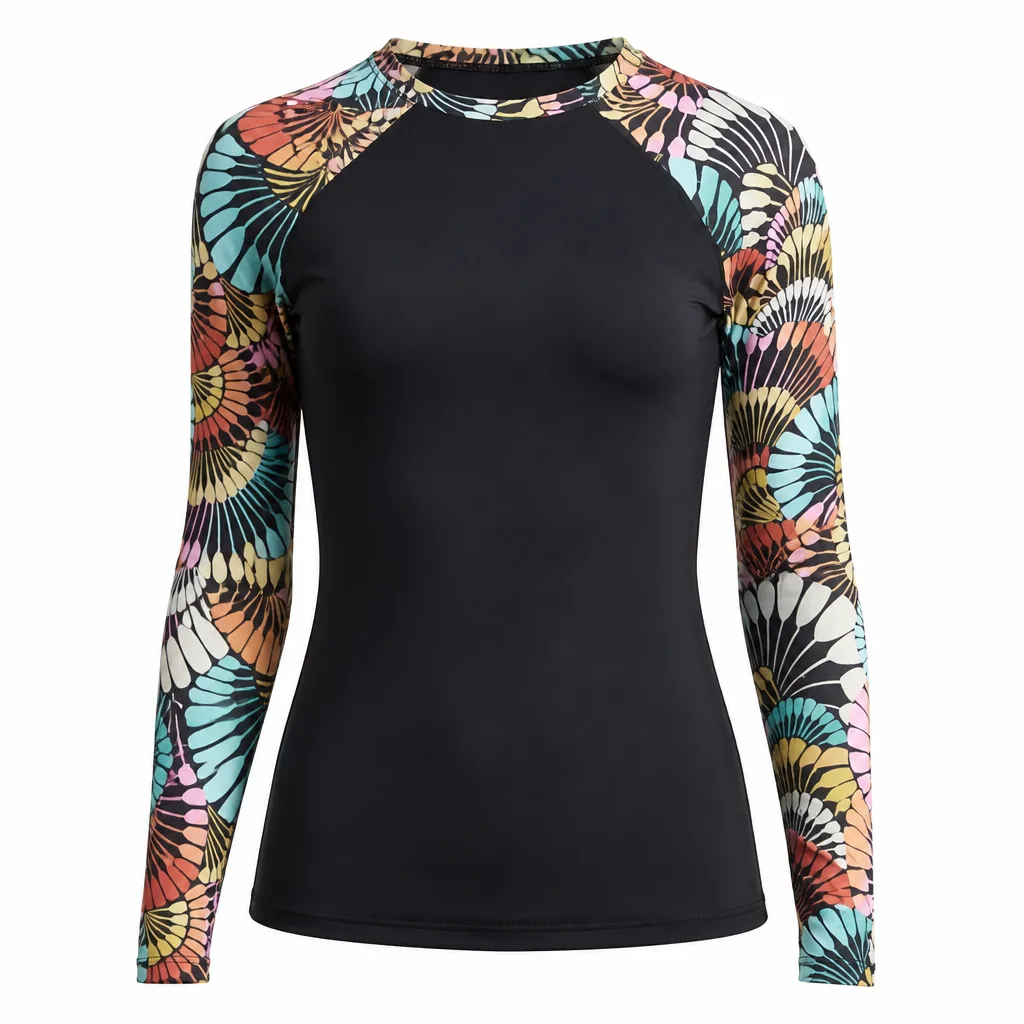
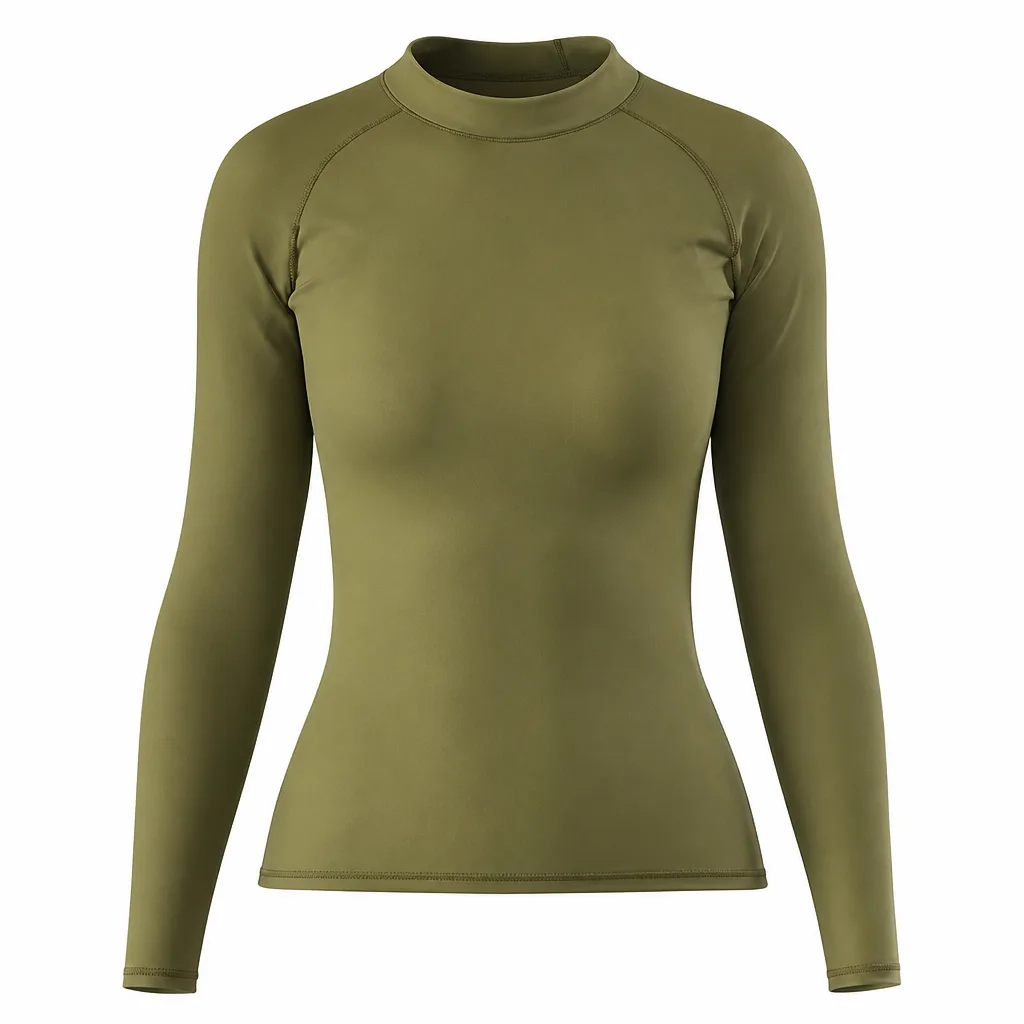
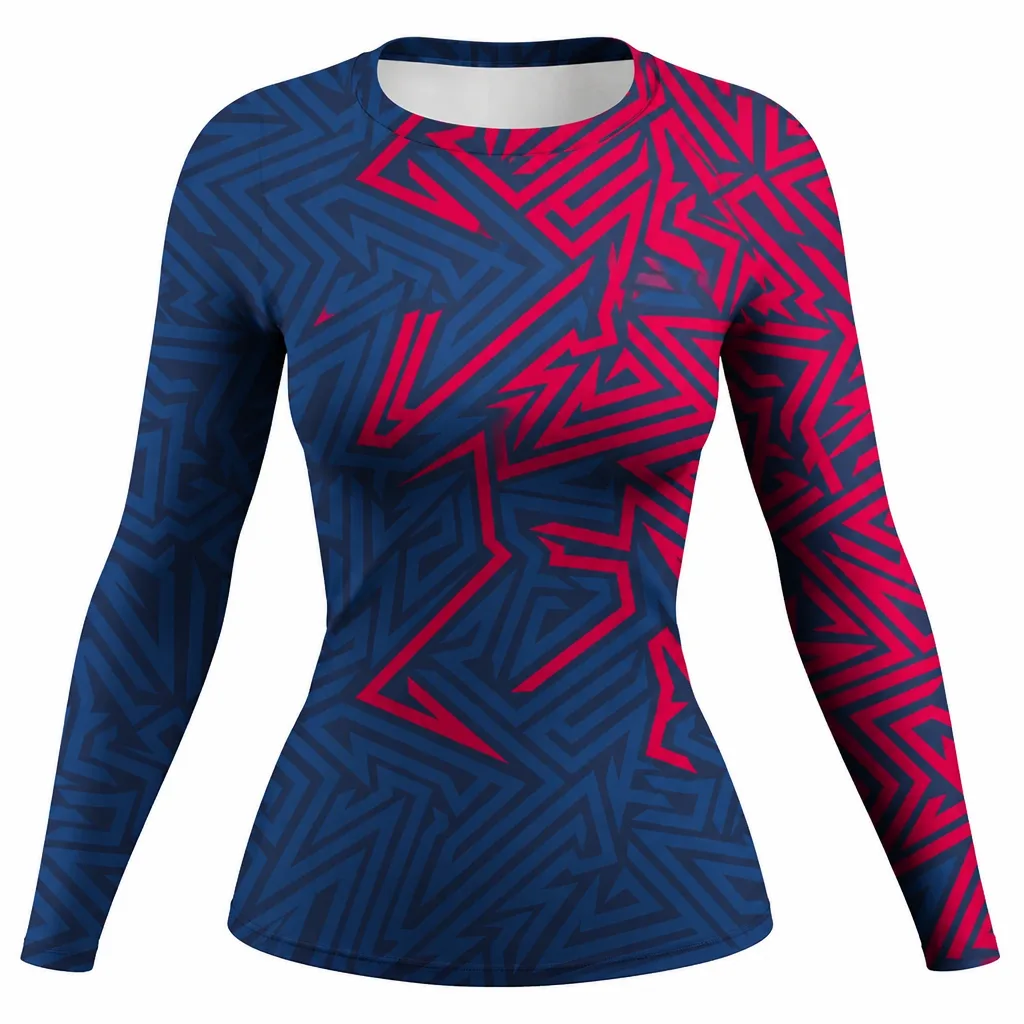
No gi is complete without rash guards. Hayabusa’s Hexagon pattern wicks sweat from foreheads, pairing perfectly with MMA BJJ with glasses setups. Add silicone glasses straps (like Decathlon’s) for $5 security—game-changer in sweat-soaked Kickboxing-BJJ hybrids.
Practical Applications: Scenarios for Every Grappler
Gym Training (Beginner/Intermediate): Lightweight 350gsm Tatami Flow gi shines here—minimal fog during 6x6 rounds. Pair with our training tips for open mat efficiency.
Sparring (Advanced): Gold weave Shoyoroll for grip battles; low collar reduces temple pressure. In commercial gyms with 30+ students, breathability prevents dehydration-fog.
Competition: IBJJF-legal Hayabusa Pro—450gsm balance of weight/security. Glasses pros like Lachlan Giles swear by anti-fog + sports frames (Oakley or Rudy Project).
Home Workouts: No-gi rash guards from Venum for shadow drilling; less laundry, zero snag risk. Wrestling enthusiasts: add headgear hybrids.
MMA fighters: Venum Kontact shorts under gi for clinch transitions. Always prioritize safety—tapped out visionless? Not ideal.
Expert Recommendations from Apollo MMA
As your go-to for BJJ with glasses for training, here’s my curated picks:
- Top Overall: Tatami Elements 2.0 (350gsm Pearl) – $120. Supreme breathability, athlete fit. Perfect for white-blue belts; survives daily drilling.
- Pro Competition: Hayabusa Performance ($200) – Gold weave, IBJJF approved. Minimal snags, 5-year durability.
- Budget Beast: Fuji All-Around ($90) – Reliable pearl, but size up for glasses clearance.
- No-Gi Alternative: Venum Attack Rash Guard Kit ($60) – Compression fit, moisture-wicking. Ideal if gi fog overwhelms.
Shop our full best BJJ gi with glasses collection at Apollo MMA—free shipping worldwide, expert sizing guides. Bundle with anti-fog kits for under $150.
Insider tip: Follow our training tips blog for glasses-specific drills like turtle escapes sans vision panic.
Conclusion
Training BJJ with glasses doesn’t have to mean foggy frustration or constant adjustments. By prioritizing breathable pearl weaves, precise sizing, and secure construction, you’ll find the perfect gi that elevates your game—whether stacking opponents or surviving scrambles. I’ve coached dozens like Alex to black belt potential with these choices; now it’s your turn.
Head to Apollo MMA today for gear backed by real expertise. Clear vision, clear path to mastery. Oss!
By Sarah Chen, BJJ Black Belt & Apollo MMA Gear Expert