Why Super Lightweight BJJ Gi Matters for Combat Sports
Back in the early days of Brazilian Jiu-Jitsu, when the Gracies were adapting Judo gis for ground fighting in the humid gyms of Rio de Janeiro, heavyweight cotton uniforms were the norm. These thick, durable jackets and pants—often 450gsm or heavier—provided the grip and structure needed for relentless clinch work and submissions. Fast forward to today, and the combat sports landscape has evolved dramatically. As a former professional MMA fighter with over 15 years in the cage and on the mats, I've seen firsthand how traditional BJJ gis can become a liability in modern training. Enter the super lightweight BJJ gi: a game-changer for fighters who demand mobility, breathability, and speed without sacrificing control.
The problem? In today's high-intensity sessions blending BJJ with MMA, Muay Thai drills, or wrestling takedowns, heavy gis trap heat, slow recovery, and hinder transitions. Sweat-soaked fabric clings like a second skin, leading to fatigue and skin irritation—issues I've battled during grueling 2-a-day camps. If you're a fighter pushing limits in a commercial gym, home setup, or competition prep, sticking with outdated gear could be holding you back.
Understanding the Challenge: Why Traditional Gis Fall Short in Modern Combat Sports
Traditional BJJ gis, built from heavy pearl weave cotton (typically 350-550gsm), excel in pure grappling tournaments where grip strength and durability reign supreme. But cross them into MMA training or hot climates, and the cracks show. During a recent sparring session with pro-level wrestlers transitioning to no-gi MMA, I noticed how their heavy gis restricted guard passes and scrambles, adding unnecessary drag on the body.
Key challenges include:
- Heat Retention and Sweat Buildup: Thick fabrics absorb moisture, turning a 45-minute roll into a sauna session. In Muay Thai-BJJ hybrids or Kickboxing clinch work, this leads to slippery grips and reduced focus.
- Reduced Mobility: Stiff collars and pants limit explosive movements like shrimping or up-kicks, critical for MMA fighters escaping bottom positions.
- Slow Drying Time: Post-training, you're left with a sopping wet gi that takes hours—or days—to air out, impractical for frequent gym-goers or travelers.
- Weight Fatigue: For beginners and intermediates, the extra poundage (up to 2-3 lbs wet) accelerates burnout, while pros like me prioritize gear that lets us train longer and harder.
These issues aren't just inconvenient; they impact safety. Overheated athletes make poorer decisions under fatigue, increasing injury risk during live rolls or sparring. In wrestling-heavy environments, heavy gis can also bunch up, creating friction burns or chafing—problems compounded for larger body types or those in home gyms without industrial dryers.
Solution Overview: The Rise of the Super Lightweight BJJ Gi
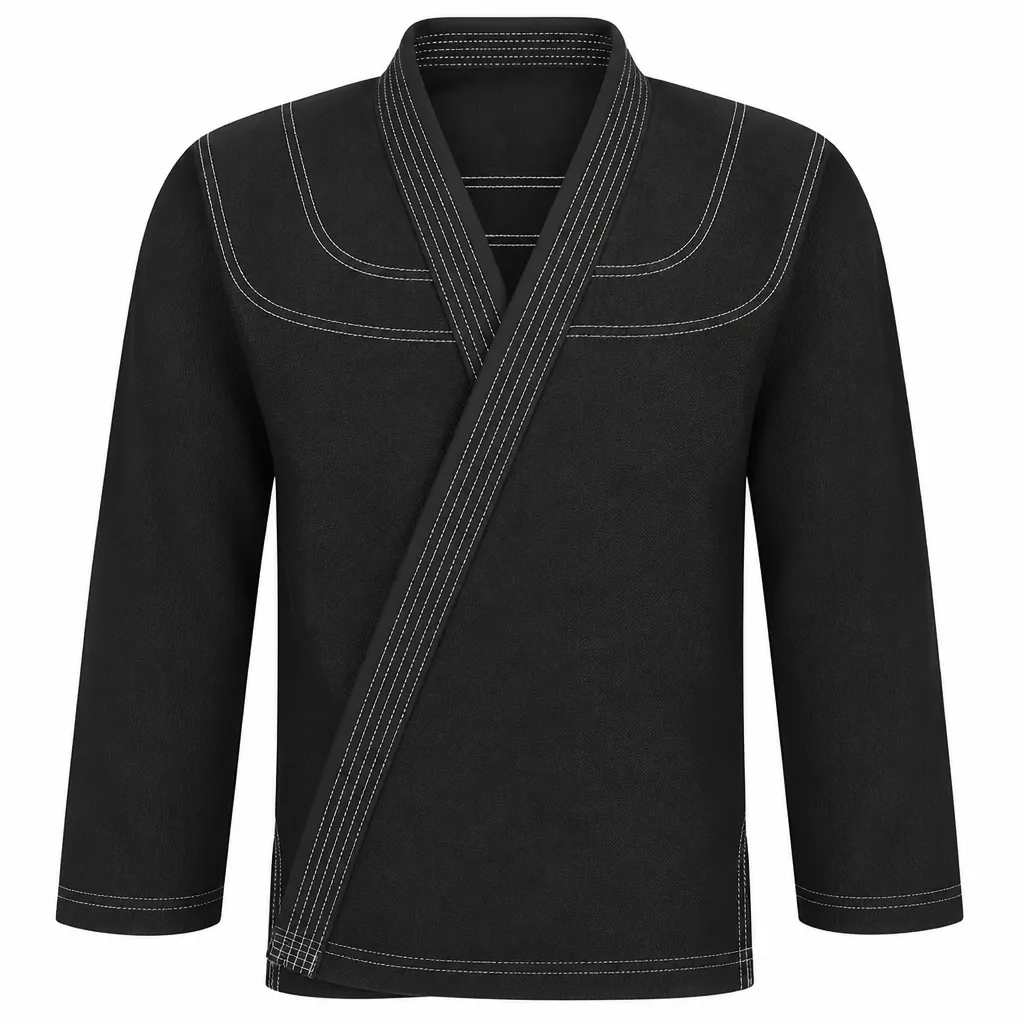
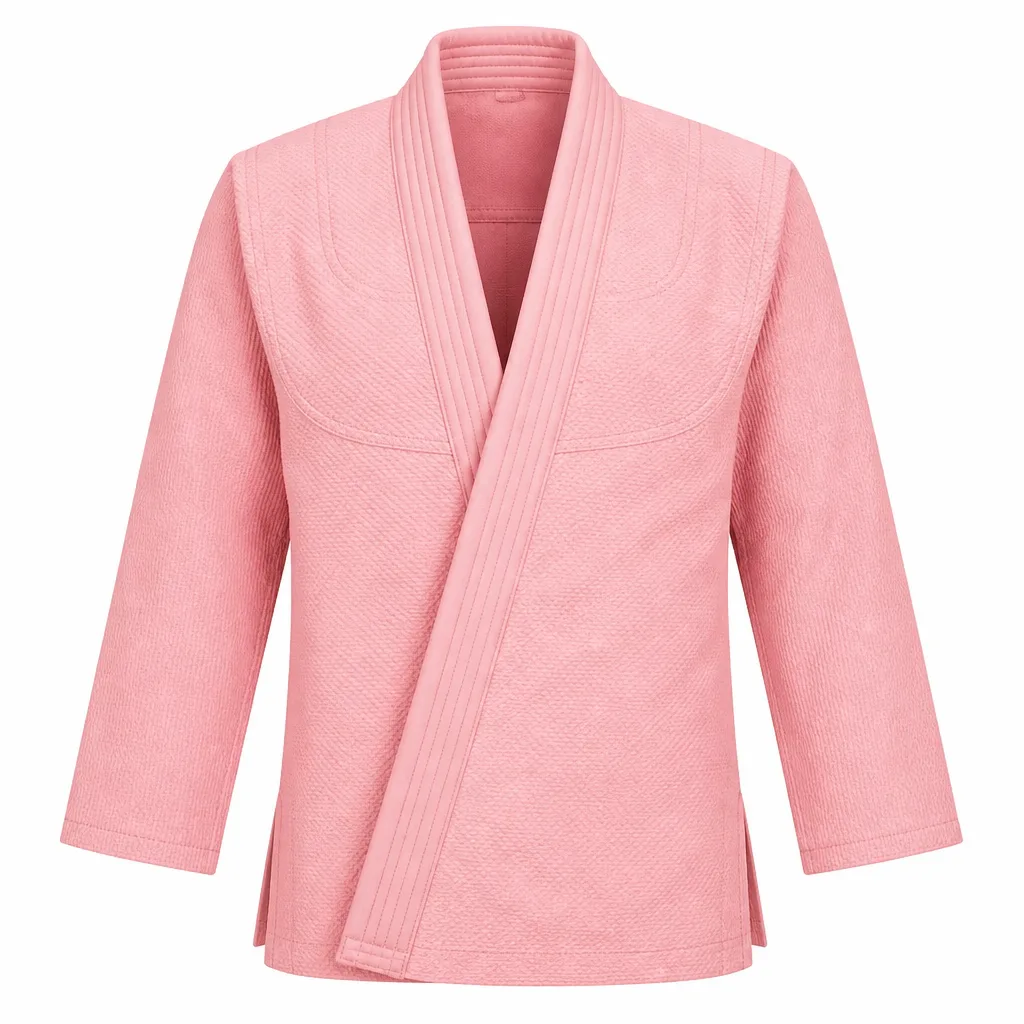
The super lightweight BJJ gi for fighters addresses these pain points head-on, using advanced fabrics like 250-350gsm pearl weave blends, ripstop nylon panels, or even hybrid graphene-infused materials from brands like Hayabusa and Tatami. These gis weigh under 1.5 lbs dry, dry in under an hour, and offer 30-50% better breathability than standard models.
In my experience training with elite MMA camps, switching to a super lightweight gi transformed sessions. It maintains enough texture for gi-specific grips—like sleeve drags in closed guard—while feeling almost like no-gi rashguard training. Perfect for our MMA training gear collection, these gis bridge BJJ purity with multi-discipline demands.
For combat sports athletes, the benefits cascade: faster recovery between rounds, sharper technique retention, and versatility across skill levels. Whether you're a beginner drilling fundamentals or a pro prepping for a Fight Nights bout, this gear levels the playing field.
Detailed Steps: Choosing and Integrating the Best Super Lightweight BJJ Gi
Step 1: Assess Your Training Demands
Start by mapping your routine. If you're blending BJJ with MMA sparring—think Hayabusa-style clinch-to-ground transitions—a MMA super lightweight BJJ gi with reinforced knees and minimal pant taper shines. Gym rats in hot commercial spaces? Prioritize 100% polyester blends for ultra-quick dry times. Competition-focused wrestlers might opt for IBJJF-legal 300gsm options to stay compliant while shedding weight.
Real-world test: In a Kickboxing gym hybrid class, my Tatami super lightweight gi prevented the overheating that plagued heavier alternatives, letting me chain teeps into armbars seamlessly.
Step 2: Decode Materials and Construction
Look beyond hype—examine specs. Top-tier super lightweight gis use:
- Ultra-Light Pearl Weave (250-300gsm): Balances grip and airflow; Venum's Elements line exemplifies this with antimicrobial treatments to fight odor in repeated home workouts.
- Ripstop Reinforcement: Prevents tears during aggressive takedown drills without adding bulk.
- Flexible Cuffs and Collars: Single-weave collars reduce neck strain, vital for long rolls.
Avoid sub-200gsm "featherweight" gimmicks; they lack durability for pro-level grips. Honest trade-off: These gis grip less aggressively than 450gsm beasts, so they're ideal for training but pair with no-gi sessions for comp prep.
Step 3: Nail Sizing and Fit
Poor fit amplifies every flaw. Super lightweight gis shrink minimally (2-5% post-wash), so size true-to-form. For stocky MMA builds, A2 fits most 5'8"-6' frames; taller Kickboxers need A3 for leg freedom.
Pro tip from camps: Test pant rise—too low exposes ankles in guard retention. Check our BJJ gis collection at Apollo MMA for detailed size charts tailored to fighters.
Step 4: Incorporate into Your Routine
Roll twice weekly in gi for technique, spar no-gi for MMA applicability. In home gyms, layer with compression shorts for support. Maintenance? Machine wash cold, air dry—extends life 2x over heavy gis.
Step 5: Evaluate Performance Long-Term
Track wear after 50 washes. Quality ones like Shoyoroll's micro-weave hold shape; budget models fray cuffs early. Price-to-value: $150-250 buys pro-grade longevity.
Expert Tips from a Former Pro MMA Fighter
With scars from 50+ fights, here's insider knowledge you won't find in generic guides:
- For Hot Climates or High-Volume Training: The best super lightweight BJJ gi for training is Hayabusa's Wick Dry model—dries 40% faster, with vents under arms for Muay Thai elbow escapes. I've used it in 95°F Florida sessions without a hitch.
- MMA Cross-Training Hack: Pair with Venum lightweight trunks; the gi's slim profile prevents riding up during sprawls.
- Beginner Safety Boost: Lighter weight reduces joint stress in fundamentals drills, preventing shoulder tweaks common in heavy gi newbies.
- Pro Customization: Add embroidered patches sparingly—extra thread adds drag. For advanced grapplers, Tatami's 280gsm offers the sweet spot for competition-legal speed.
- Durability Test: Drop-test the jacket from shoulder height; premium ones bounce without ripping, proving mat-ready toughness.
- When to Skip It: Pure IBJJF black belts chasing max grip? Stick heavier. But for 90% of fighters, this is essential. Browse our super lightweight BJJ gi selection for vetted options.
One lesser-known edge: These gis enhance proprioception. Less fabric drag sharpens your feel for angles, accelerating progress in BJJ-to-MMA pipelines.
Conclusion: Elevate Your Game with Super Lightweight BJJ Gi
In the relentless evolution of combat sports, gear isn't optional—it's your edge. A super lightweight BJJ gi for fighters isn't just lighter; it's smarter, enabling longer, smarter training across BJJ, MMA, Wrestling, and beyond. From sweat-drenched beginners to podium-chasing pros, it delivers where heavy gis falter.
Don't settle for gear that fights you. Explore Apollo MMA's premium lineup today, including the best super lightweight BJJ gi options rigorously tested for real-world demands. Gear up, train harder, and step confidently onto the mats. Your next submission—or knockout—starts here.
Written by Marcus Silva, Former Pro MMA Fighter & Apollo MMA Gear Expert