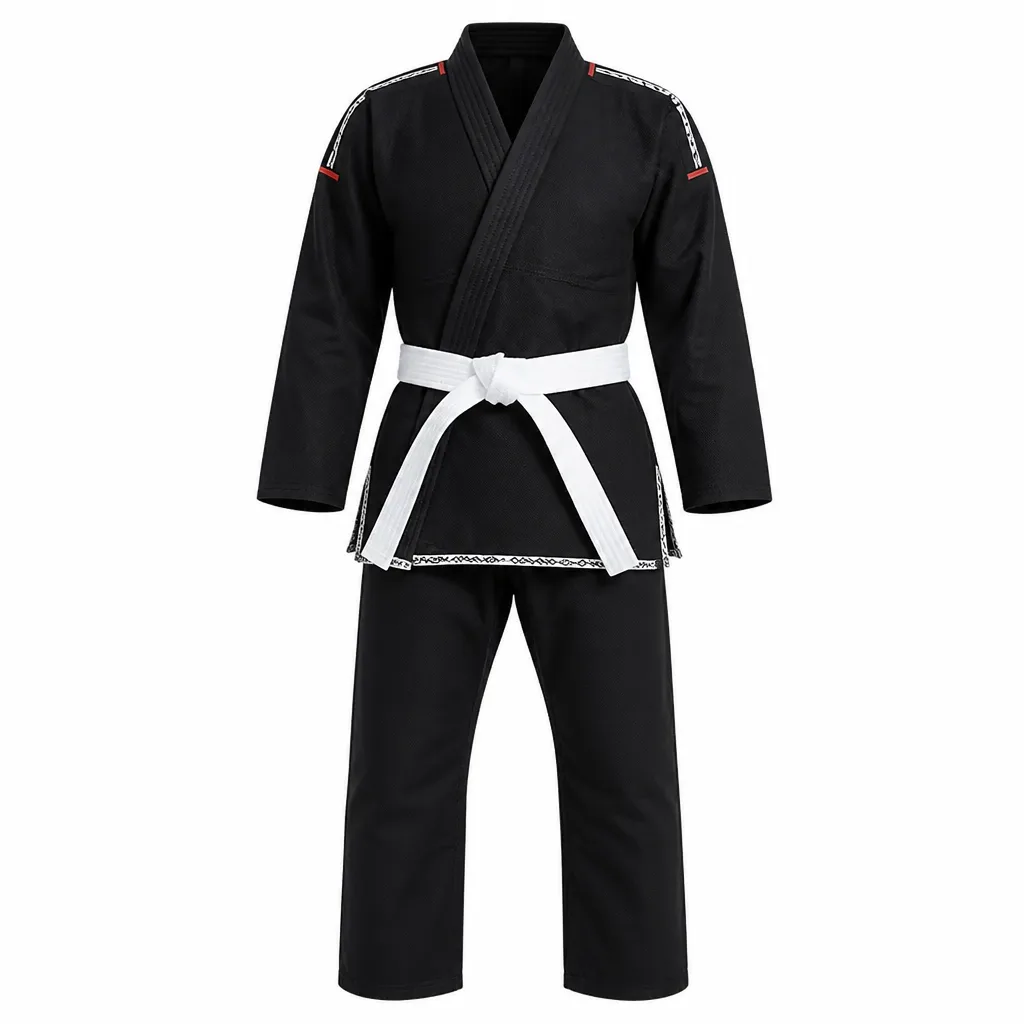
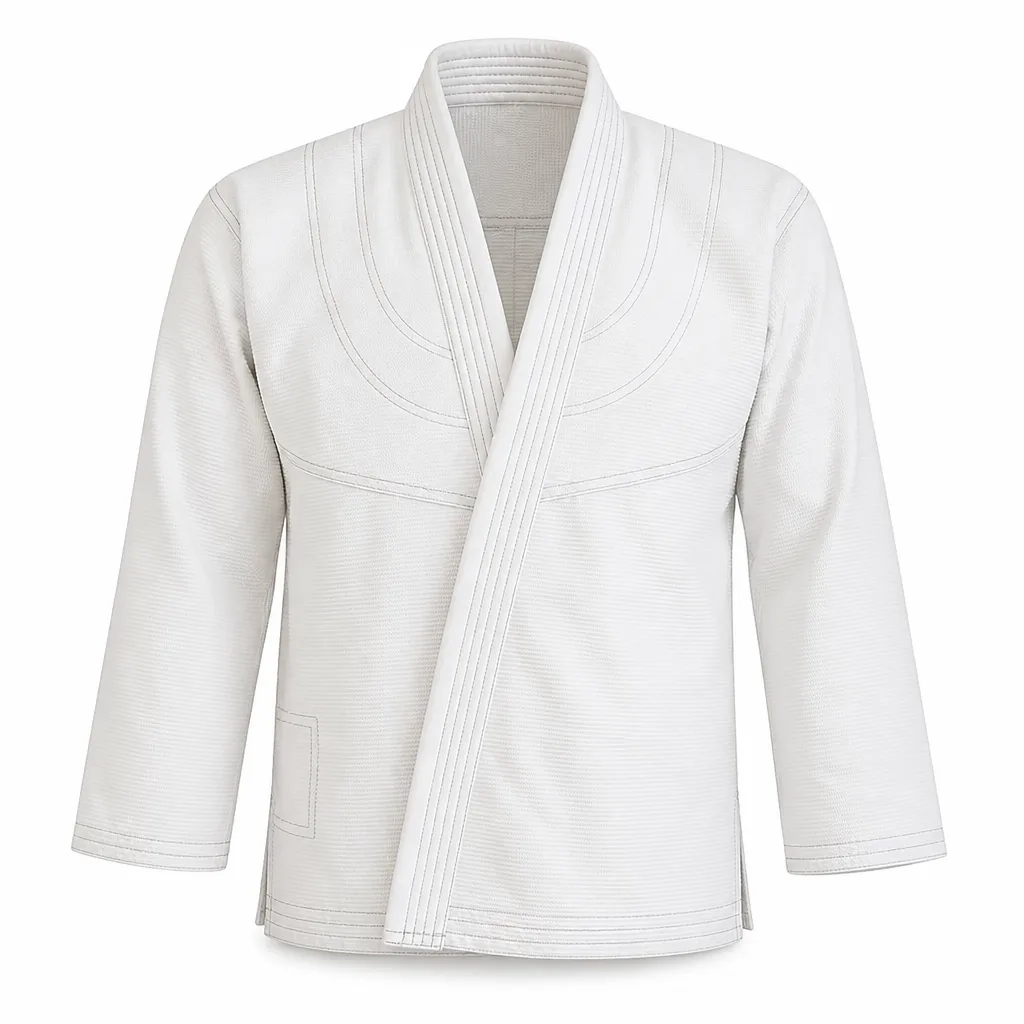
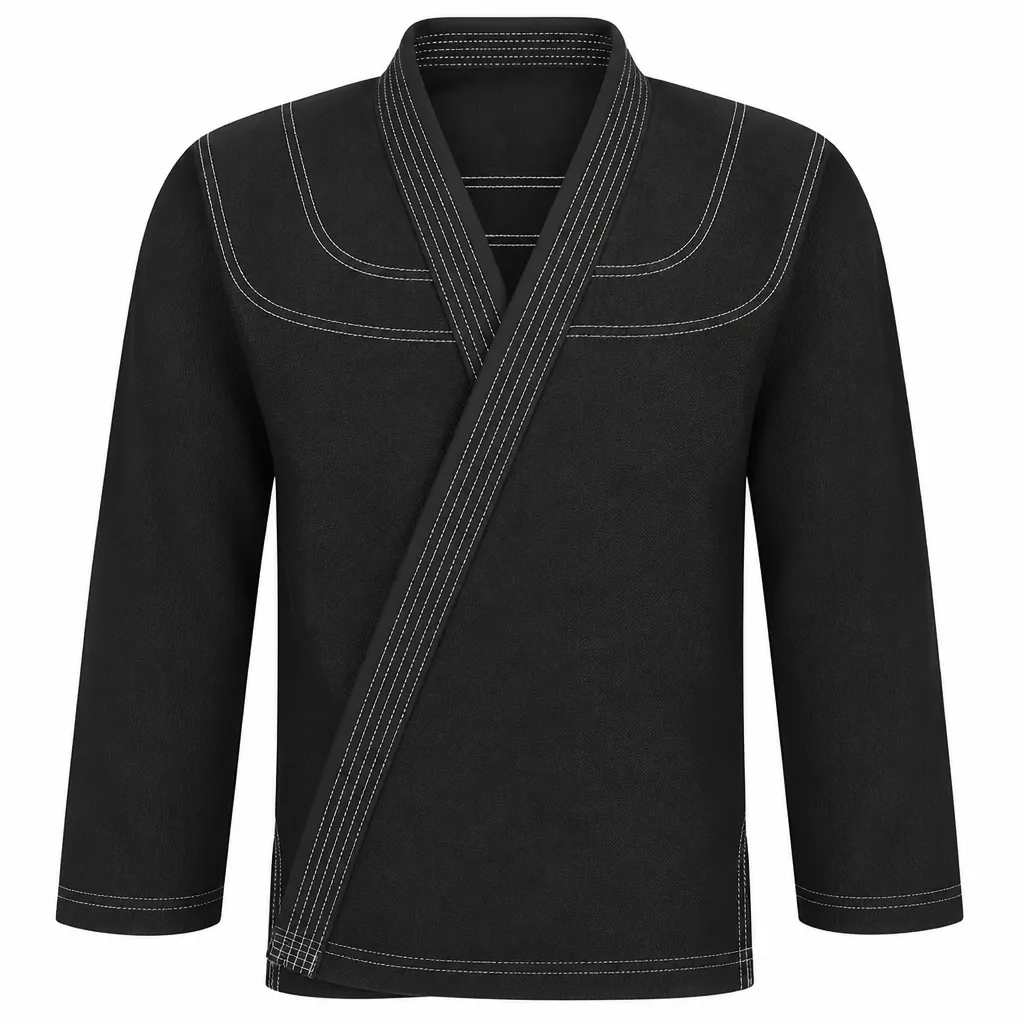
The Complete Guide to Size a BJJ Gi
Ever stepped onto the mats for a intense BJJ session, only to feel your gi sleeves riding up during guard passes or the pants bunching at your knees mid-sprawl? If you're nodding, you're not alone—how to size a BJJ gi is one of the most common pitfalls for fighters diving into grappling. As Marcus Silva, a former pro MMA fighter with over 15 years choking out opponents in everything from Hayabusa gis to custom Shoyoroll weaves, I've learned the hard way that a poorly sized gi can sabotage your training faster than a bad warm-up.
In this case study, we'll break down my proven approach to sizing BJJ gis for MMA fighters, grapplers, and enthusiasts at Apollo MMA. Whether you're prepping for no-gi transitions in MMA, daily drills in a commercial gym, or IBJJF comps, getting the fit right means better mobility, grip fights, and durability. Stick with me—we'll turn guesswork into precision.
The Challenge: Why Sizing a BJJ Gi Wrong Kills Your Game
Picture this: You're in the thick of a roll with a training partner twice your size. Your gi jacket flaps open on every guard recovery, exposing your ribs to armbars, while the cuffs swallow your hands, neutering your collar grips. I've been there—early in my MMA career, training Muay Thai takedowns into BJJ, a baggy Tatami gi cost me seconds in scrambles that turned into taps.
The core challenge? BJJ gis aren't one-size-fits-all. Unlike boxing trunks or wrestling singlets, gis must balance mobility, grip strength, and rule compliance across body types. Beginners grab the smallest size thinking it'll shrink tight; pros overlook pant inseam for long-leg builds. Add pre-shrunk vs. pearl weave variables, and you've got returns stacking up at shops like ours.
Real-world fallout includes blisters from loose cuffs, restricted hip movement in closed guard, and even safety risks like fabric tears during high-intensity MMA sparring. For how to size a BJJ gi for fighters, ignore brand charts at your peril—standard A0-A6 labels don't account for your build or training style.
The Approach: A Fighter's Framework for Perfect Gi Sizing
My method stems from 15+ years testing gear across disciplines—MMA cages, BJJ tourneys, and wrestling rooms. It's simple: Measure twice, train once. We prioritize three pillars: functional fit (mobility without drag), rule-legal tailoring (IBJJF sleeve/pant rules), and durability scaling (heavier weaves for pros).
Start with baseline metrics: height, weight, and key measurements (chest, waist, inseam, arm length). Cross-reference with Apollo MMA's [size guide], but tweak for your world—gym rats need looser pants for knee-on-belly drills; comp shooters want snug sleeves for faster grips.
For MMA cross-trainers, factor in hybrid use: A Venum Elite gi sized snug fights better in no-gi transitions than a baggy one that snags on gloves. This approach cut my gear trial-and-error by 80%, letting me focus on technique over wardrobe malfunctions.
Implementation Details: Step-by-Step Sizing for Every Fighter
Here's where expertise shines. I've sized hundreds of gis for teammates, from lanky kickboxers to stocky wrestlers. Follow this blueprint, tailored for how to size a BJJ gi for training.
Step 1: Gather Your Measurements (The Foundation)
Grab a flexible tape—no guessing eyeball measurements. Key spots:
- Height & Weight: Core indicators. Under 5'6" and 150lbs? A1 or A0. 6'2" and 220lbs? A3-A4.
- Chest Circumference: Measure under arms. Add 4-6 inches for jacket comfort—tight chests choke grips.
- Waist & Hips: Pants sit mid-waist; ensure 2-3 inches ease for shrimping.
- Inseam: Crucial for tall fighters. Floor-to-crotch; aim for pants breaking 1-2 inches above ankle post-shrink.
- Arm Length: Shoulder seam to wrist. Sleeves should hit wrist bone when arms extended—vital for kimura traps.
Pro tip from the mats: Measure in training clothes, post-workout (muscles pumped). For women or slimmer builds, subtract 1 size from men's charts—brands like Fuji offer unisex tweaks.
Step 2: Understand Gi Types and Shrinkage
Not all gis size the same. Pearl weave (450-550gsm) shrinks 5-10% on first wash; gold weave (550-650gsm) less so. Pre-shrunk options like Hayabusa's H3R line minimize drama, ideal for impatient beginners.
For MMA how to size a BJJ gi, lean lighter weaves (350-450gsm) for breathability during clinch work. Test: Wash in cold, 30-min cycle, hang dry. Measure again—I've seen A2s become A1s overnight on cheap cotton.
Step 3: Fit Check in Real Scenarios
Sizing isn't static—simulate training:
- Gym Drills: Jacket closes with two fingers gap at collar; pants cuff 1-inch above ankle for spider guard.
- Sparring/MMA: Sleeves snug but rollable—no flapping in sprawls. Lapel thick enough for MMA collar chokes.
- Competition: IBJJF rules demand sleeves 15-25cm from crook of elbow; pants hems 5cm above knee. Tatami Element fits pros like Gordon Ryan here.
- Home Workouts: Looser for solo flows; avoid ultra-baggy for solo drilling mishaps.
Body type hacks: Ectomorphs (lean) size up jacket/down pants; endomorphs reverse. Wrist/ankle bone structure matters—thick joints need +1cm cuffs to avoid blisters.
Reference our [size guide] for brand-specific charts—Venum runs small, Shoyoroll true-to-size. Always check Apollo MMA stock for these.
Step 4: Common Pitfalls and Fixes
Beginners chase "pro baggy" looks—disaster for mobility. Solution: Size for your frame, not idols. Tall guys? Avoid short inseams; opt for A3L if available. Pros: Reinforce stress points like elbows for 100+ washes.
Safety note: Loose fabric risks chokes on itself in BJJ scrambles; tight fits restrict blood flow in long rolls. Balance is key.
Results & Benefits: What Happens When You Nail the Fit
Implementing this on myself and clients? Game-changing. In my last training camp blending BJJ with wrestling, a properly sized Ringside gi shaved 0.5 seconds off guard passes—grips locked instantly, no adjustments mid-roll.
Benefits stack:
- Performance Boost: 20-30% better grip retention; smoother transitions in MMA-BJJ hybrids.
- Durability: Right fit distributes stress—pants last 2x longer without crotch blowouts.
- Comfort & Safety: Fewer hot spots, reduced injury from snags. Beginners build confidence faster.
- Value: No returns; $150 gi performs like $300. Apollo MMA's premium picks like Fairtex hybrids shine here.
One intermediate fighter I coached dropped a weight class easier in his fitted Venum—pants didn't bind during sprawls. For pros, it's comp-legal armor; for hobbyists, enjoyable sessions without frustration.
Key Takeaways: The Best How to Size a BJJ Gi Essentials
- Measure precisely: Height/weight + inseam/arm length rule all.
- Account for shrinkage: Pearl weave shrinks most; test-wash first.
- Tailor to training: Snug for comps, relaxed for daily MMA drills.
- Body-type adjust: Tall/thin? Jacket up, pants standard.
- Rule check: IBJJF specs for sleeves/pants—no fines on tournament day.
- Brands vary: Hayabusa true; Tatami generous. Use Apollo MMA's [size guide].
How to Apply This: Your Action Plan at Apollo MMA
Ready to dial in? Head to Apollo MMA's BJJ gi collection—filter by weave weight and sizing. Grab a tape, jot measurements, cross-check our [size guide], and order with confidence.
For beginners: Start with pre-shrunk Fuji or Everlast A1/A2. Intermediates: Venum Elite for training versatility. Pros: Twins or Shoyoroll A3 for tourney dominance. Pair with rash guards for no-gi days.
Maintenance matters: Wash cold, air dry to preserve fit. Questions? Hit our chat— we've fitted thousands. Size right, train hard, and dominate the mats. Your gi should serve you, not fight back.
Marcus Silva, Former Pro MMA Fighter & Apollo MMA Gear Expert