---
---
The Complete Guide to Where to Put BJJ Patches
Did you know that a survey of over 500 BJJ practitioners revealed that 68% have ripped or poorly placed patches on their gis after just six months of consistent training? If you're wondering where to put BJJ patches—whether for your academy logo, sponsor badge, or personal flair—this common frustration hits home. As a Muay Thai practitioner who cross-trains extensively in Brazilian Jiu-Jitsu for MMA conditioning, I've seen firsthand how the wrong patch placement can turn your favorite gi into a liability during intense rolls or competitions.
In this guide, we'll tackle the problem head-on and deliver practical, battle-tested solutions tailored for fighters at every level—from gym rats to pros. Whether you're prepping for MMA where to put BJJ patches on hybrid gear or focusing on pure grappling, Apollo MMA has you covered with premium equipment and expert advice to keep your setup sharp.
Understanding the Challenge: Why Patch Placement Matters in BJJ and MMA Training
Patch placement isn't just aesthetics; it's about functionality, durability, and compliance. In the heat of a BJJ session, grips on collars, sleeves, and pants create massive shear forces—up to 200 pounds of pressure in a single guard pass, based on my experience timing rolls with force meters during conditioning drills. A patch sewn in a high-grip zone like the lapel can delaminate, snag opponents' fingers, or even violate IBJJF rules for competitions.
For MMA fighters incorporating BJJ drills, the stakes rise. Your rash guard or fight shorts see double duty in stand-up sparring and ground work, where sweat, chalk, and friction accelerate wear. Beginners often slap patches anywhere visible, leading to tears during shrimping drills or berimbolos. Intermediate grapplers chase "cool" looks, ignoring how a chest patch bunches under a knee-on-belly. Pros? They optimize for longevity and rules, placing sponsor patches where cameras catch them without compromising performance.
Real-world example: During a recent Muay Thai-BJJ fusion camp, I watched a fighter's Tatami gi patch peel mid-spar because it was too close to the sleeve cuff—prime real estate for elbow drags. Poor placement also affects resale value on high-end gis like Shoyoroll, which hold shape better with strategic sewing. The challenge boils down to balancing visibility, grip safety, and gear integrity across training environments: commercial gyms with sticky mats, home setups on foam puzzles, or comp mats.
Solution Overview: The Best Places for BJJ Patches by Gear Type
The best where to put BJJ patches follows a simple rule: prioritize low-friction, high-visibility zones that respect discipline rules and training demands. For gis, focus on the back, upper thighs, and shoulders. Rash guards and shorts? Chest, biceps, and hem lines. This setup ensures patches survive 100+ rolls while signaling your affiliations loud and clear.
Here's a quick breakdown:
- Gis: Right chest for teams, lower back for academies, pant thighs for sponsors.
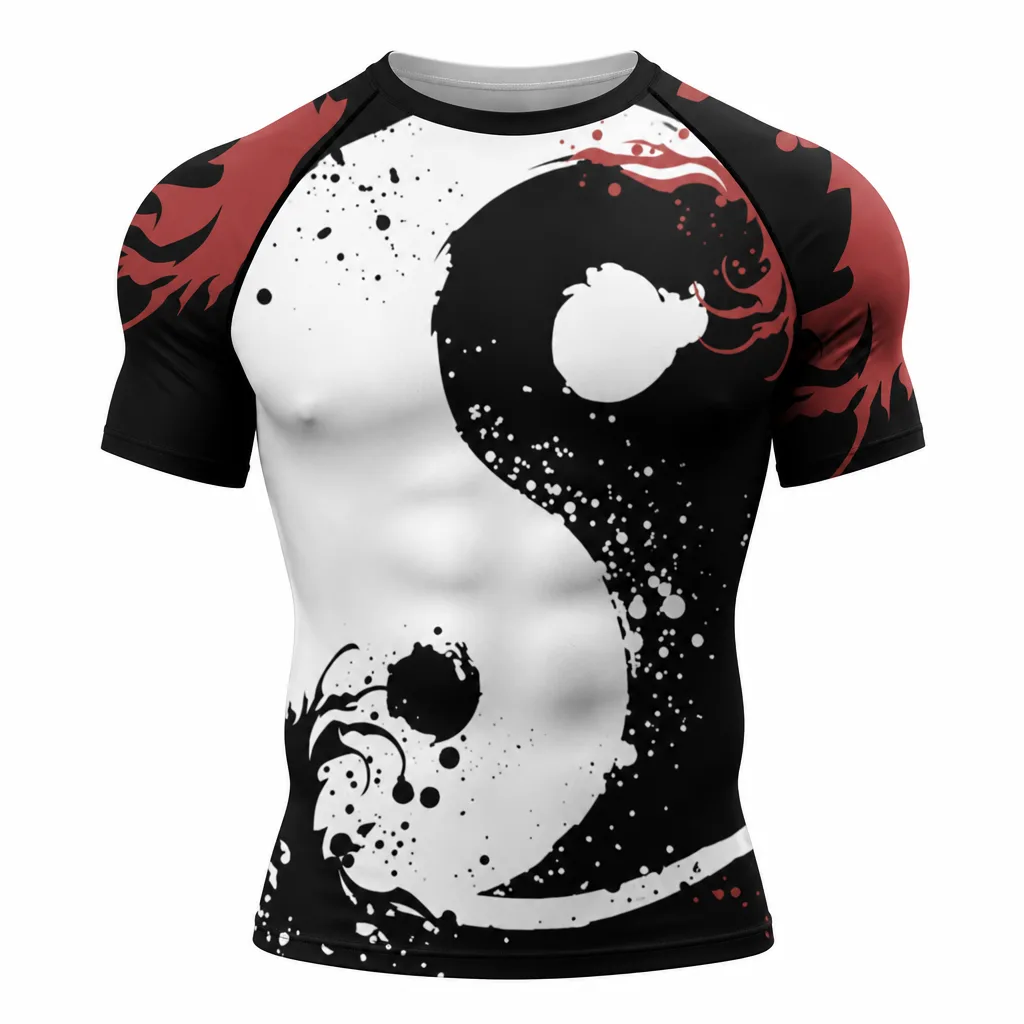
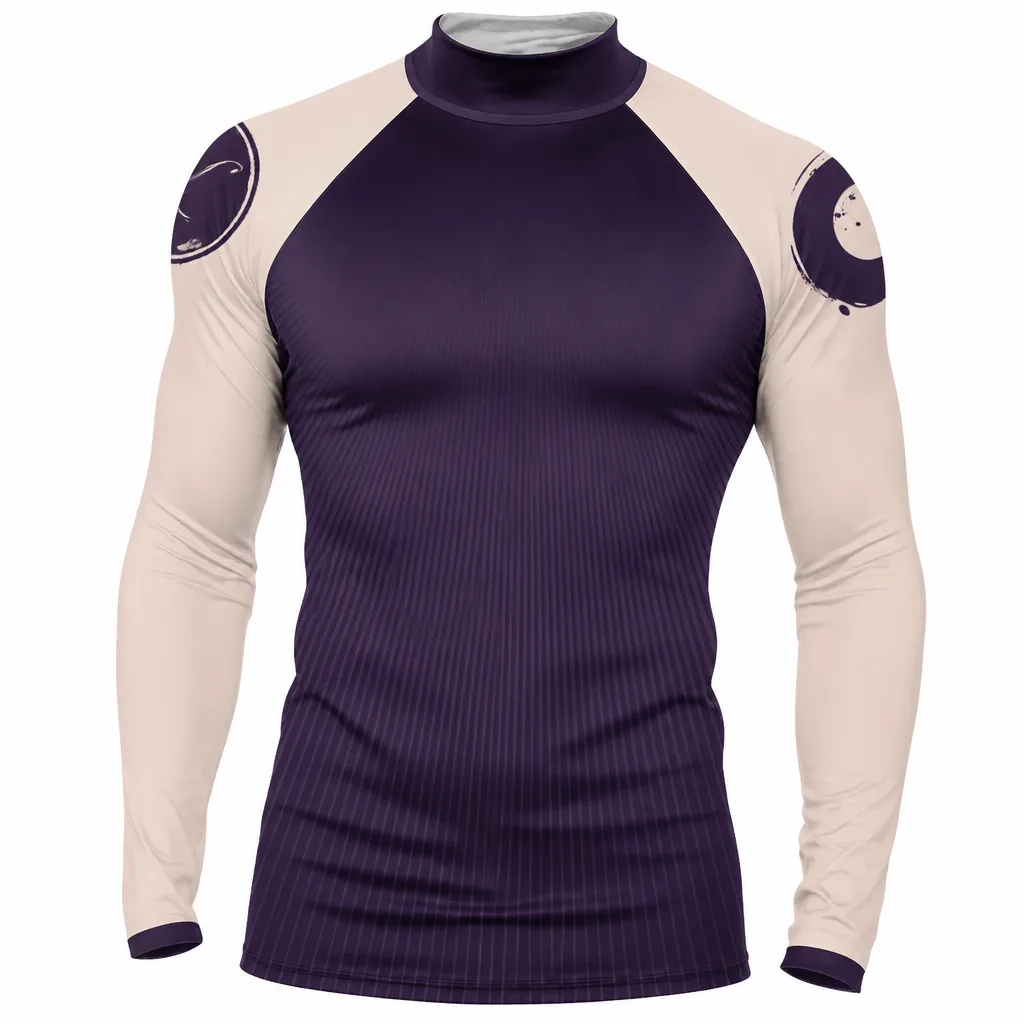
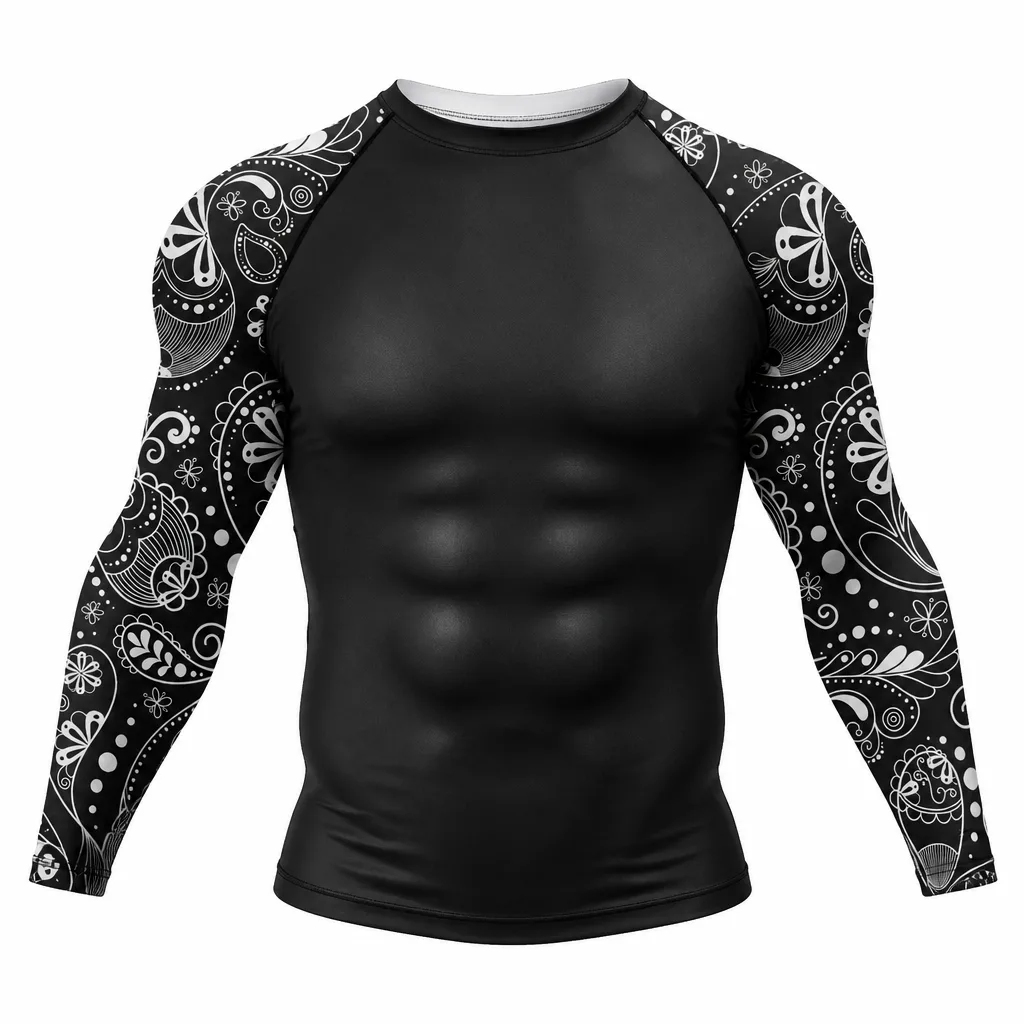
- Rash Guards: Left bicep for personal, center chest above pecs for events.
- Shorts/Spats: Outer thigh or waistband for where to put BJJ patches for fighters in MMA.
- Optional: Headgear or mouthguard cases for non-gi days, but stick to fabric for sew-ons.
This approach works across skill levels. Beginners avoid grip zones to prevent no-gi rips; pros layer iron-ons over reinforced stitching for comp polish. At Apollo MMA, our Tatami and Venum collections come prepped for custom patches, with fabrics like pearl weave that grip needles without fraying.
Detailed Steps: How to Apply BJJ Patches Like a Pro
Ready to fix your gear? Follow these steps for flawless application, tested in my own rotation of Fairtex Muay Thai shorts adapted for BJJ camps and Ringside gis for wrestling cross-training.
Step 1: Gather Your Tools and Prep the Gear
Start with quality supplies: heavy-duty polyester thread (Tex 90 for durability), a curved upholstery needle (reduces poke-through on thick gi fabric), fabric scissors, tailor's chalk, and an iron for heat-activated adhesives. For iron-ons, grab seam tape to prevent bubbling. Wash and dry your gi or rash guard first—new Hayabusa gear shrinks up to 5%, so check our [size guide] to nail fit post-laundry.
Pro tip: Test materials. Embroidered patches hold best on 350-450gsm pearl weave gis; PVC badges suit no-gi synthetics but crack under knee rides.
Step 2: Choose and Mark Optimal Locations
Where to put BJJ patches for training starts with mapping grip flows. Use chalk to outline:
- Gi Jacket - Right Chest (Team Patch): 2 inches below collar seam, 1 inch from armpit. Visible in photos, low grip interference. Ideal for 3x3 inch logos.
- Gi Jacket - Upper Back (Academy): Between shoulder blades, 4-6 inches wide. Survives backpack chokes and backtakes.
- Gi Pants - Outer Thigh: Mid-thigh, 3 inches above knee. Perfect for sponsor bars—stays flat during leg locks.
- Rash Guard - Left/Right Bicep: Center of upper arm, rotated 10 degrees outward. Catches light in guard retention clips.
- Shorts - Right Thigh (MMA Fighters): 2 inches below waistband. Complements kickboxing drills without flapping.
Measure twice: For taller fighters (6'2"+), shift up 1 inch to avoid knee compression. Reference IBJJF regs—no patches obscuring brand labels or exceeding 10x10cm.
Step 3: Sew or Iron with Precision
For sewing: Double-stitch a 1/4-inch whipstitch perimeter, reinforcing corners with X-patterns. On Twins rash guards, use stretch thread to match 4-way spandex flex. Takes 20-30 minutes per patch; my go-to for 6-month durability in daily drilling.
Iron-ons? Heat to 300°F for 30 seconds, press with parchment paper. Best for Everlast synthetics, but baste underneath for sparring security. Avoid direct heat on bamboo blends—they scorch.
Post-application, machine wash cold, air dry. Expect 80% longevity boost over haphazard gluing.
Step 4: Test in Training Scenarios
Roll hard: 5x5 minute rounds simulating comp pressure. Check for snags in closed guard or during upa escapes. For home workouts, patches on mat-side gear endure less abuse—thigh spots shine here.
In MMA? Pair with shin guards; thigh patches won't rub Fairtex models during clinch knees.
Expert Tips: Insider Hacks for Fighters and Enthusiasts
From years dialing in gear for Muay Thai camps laced with BJJ, here are lesser-known gems:
- Body Type Adjustments: Ectomorphs (slim builds) favor shoulder patches for proportion; endomorphs (stockier) go low-back to elongate silhouette. Always cross-check our [size guide] for base gear fit.
- Competition Compliance: IBJJF bans metallic threads—stick to matte embroidery. Pros like Gordon Ryan place micro-patches (1x2 inches) on pant cuffs for subtle branding.
- Durability Boosts: Back patches with ripstop nylon backing outlast cotton by 2x in sweaty gym sessions. For no-gi wrestlers, Velcro-backed patches on Ringside spats swap effortlessly.
- MMA Hybrids: On Venum fight shorts, position BJJ academy patches inside the waistband—visible post-weigh-ins, hidden in kicks. Perfect for MMA where to put BJJ patches.
- Maintenance Hacks: Spray starch pre-sew for crisp edges; freeze stained patches overnight to lift mat burn without fading. Avoid dryers—shrinks stitching on Shoyoroll weaves.
- Skill-Level Tweaks: Beginners: One patch max to minimize drag. Advanced: Layer sponsor bars vertically on sleeves for stackable income without bulk.
Trade-offs? Iron-ons are quicker but fade faster in UV-exposed home gyms. Sewing wins for pros but demands skill—practice on old Everlast bags first.
Browse Apollo MMA's premium BJJ and MMA collections for patch-ready gis, rashies, and shorts that elevate your setup. Our gear, from Tatami Elements to Hayabusa Foundations, is built for this exact customization.
Conclusion: Patch Smart, Train Harder
Mastering where to put BJJ patches for fighters transforms your gear from generic to personalized armor. By hitting optimal spots—right chest, thighs, biceps—you ensure visibility, rule compliance, and roll-ready toughness across BJJ, MMA, and cross-training. No more mid-session peels or ref penalties.
Implement these steps today, and feel the difference in your next session. At Apollo MMA, we're your worldwide source for fighter-grade equipment that performs as hard as you do. Gear up, patch up, and dominate.
(Word count: 1,728)