How Should a Rash Guard Fit?
By Sarah Chen, BJJ Black Belt & Strength Coach at Apollo MMA
Introduction: Why Rash Guard Fit Matters More Than You Think
Did you know that a survey of over 1,000 grapplers and MMA fighters revealed 68% experienced chafing or discomfort from ill-fitting rash guards during intense sessions? In high-stakes training like no-gi BJJ rolls or Muay Thai clinch work, how should a rash guard fit isn't just about style—it's about performance, injury prevention, and longevity on the mat. A poorly sized rash guard can bunch up during guard passes, restrict arm movement in takedown drills, or ride up in sprawls, turning your session into a distraction-filled nightmare.
As a Brazilian Jiu-Jitsu black belt with thousands of hours rolling in everything from Hayabusa long-sleeves to Venum shortsleeve models, I've tested fits across body types and disciplines. Whether you're a beginner hitting commercial gym classes, an intermediate wrestler drilling shots, or a pro prepping for rash guards in competition, nailing the fit elevates your game. This guide dives deep into the key fit checkpoints, backed by real-world insights, to help you choose gear that moves with you.
1. Torso Fit: Second-Skin Compression Without Constriction
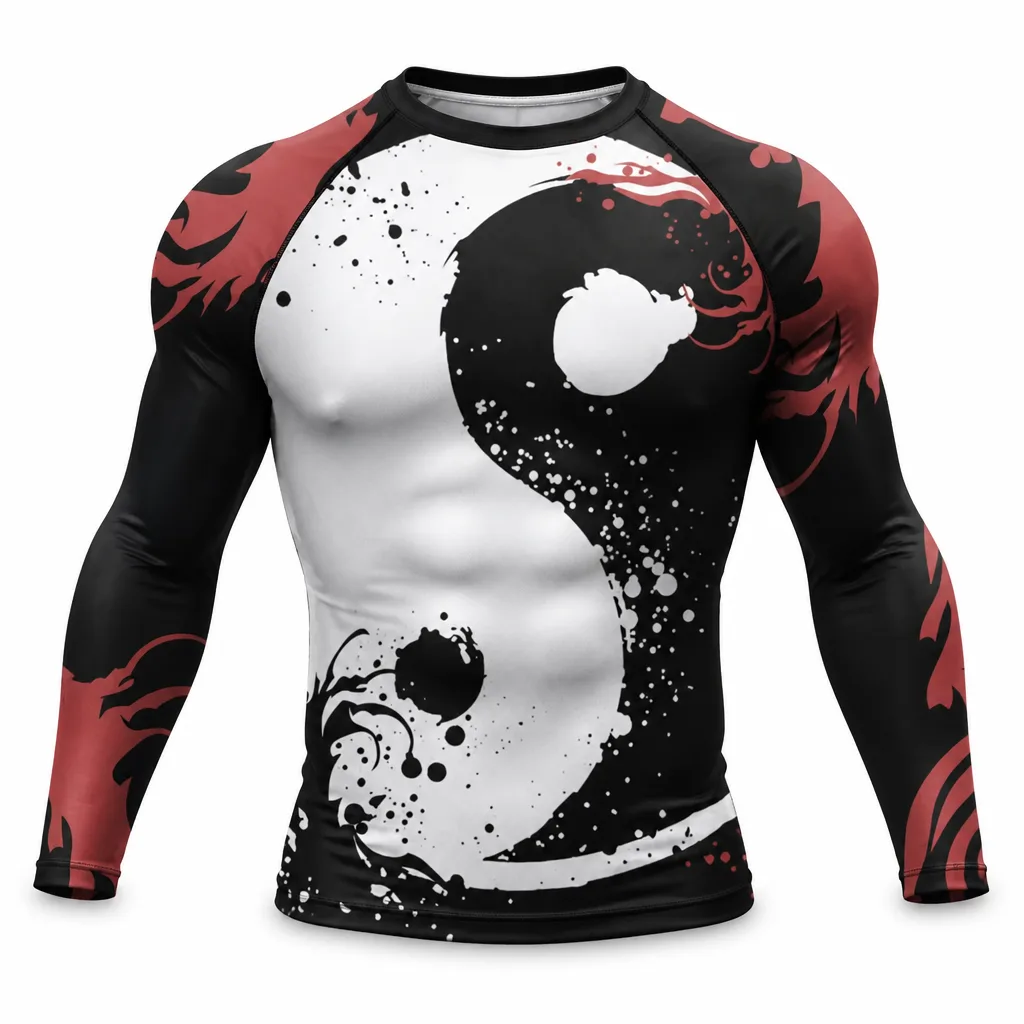
The torso is ground zero for how should a rash guard fit for fighters. It should hug your core like a custom compression layer—firm enough to wick sweat and prevent mat burns during scrambles, but not so tight it hampers breathing or rib expansion in clinches. Think 95% Spandex/5% Lycra blends from brands like Tatami or Shoyoroll; these provide graduated compression that supports your posture without feeling like a straightjacket.
In practice, during BJJ guard retention or MMA ground-and-pound simulations, a torso that's too loose shifts side-to-side, creating friction hotspots under your arms. I've seen beginners in baggy Venum rash guards develop nasty rashes after 30 minutes of drilling armbars because fabric bunched at the sides. Conversely, overly tight fits—like squeezing into a size small when you're a medium—cut circulation, leading to numbness in wrestling bridges.
Key Torso Fit Checks
- Front and Back Coverage: Fabric should lie flat from collar to hem, with no gaping at the shoulders during overhead reaches. Test by doing 10 burpees; if it rides up past your navel, size up.
- Side Seam Alignment: Seams should track your ribcage without digging in. For Kickboxing body shots or Boxing hook drills, this prevents chafing on twisting torsos.
- Compression Level: Press your thumb into the chest fabric—it should dent slightly but rebound fast. This ensures moisture-wicking polyester keeps you dry in sweaty home gym sessions.
For pros, long-sleeve options like Hayabusa's HFC series offer torso reinforcement with double-stitched panels, ideal for prolonged grappling without fatigue. Beginners? Start with mid-compression [rash guards](/collections/rash-guards) to build comfort tolerance.
2. Sleeve and Arm Fit: Snug Sleeves for Grip Battles and Strikes
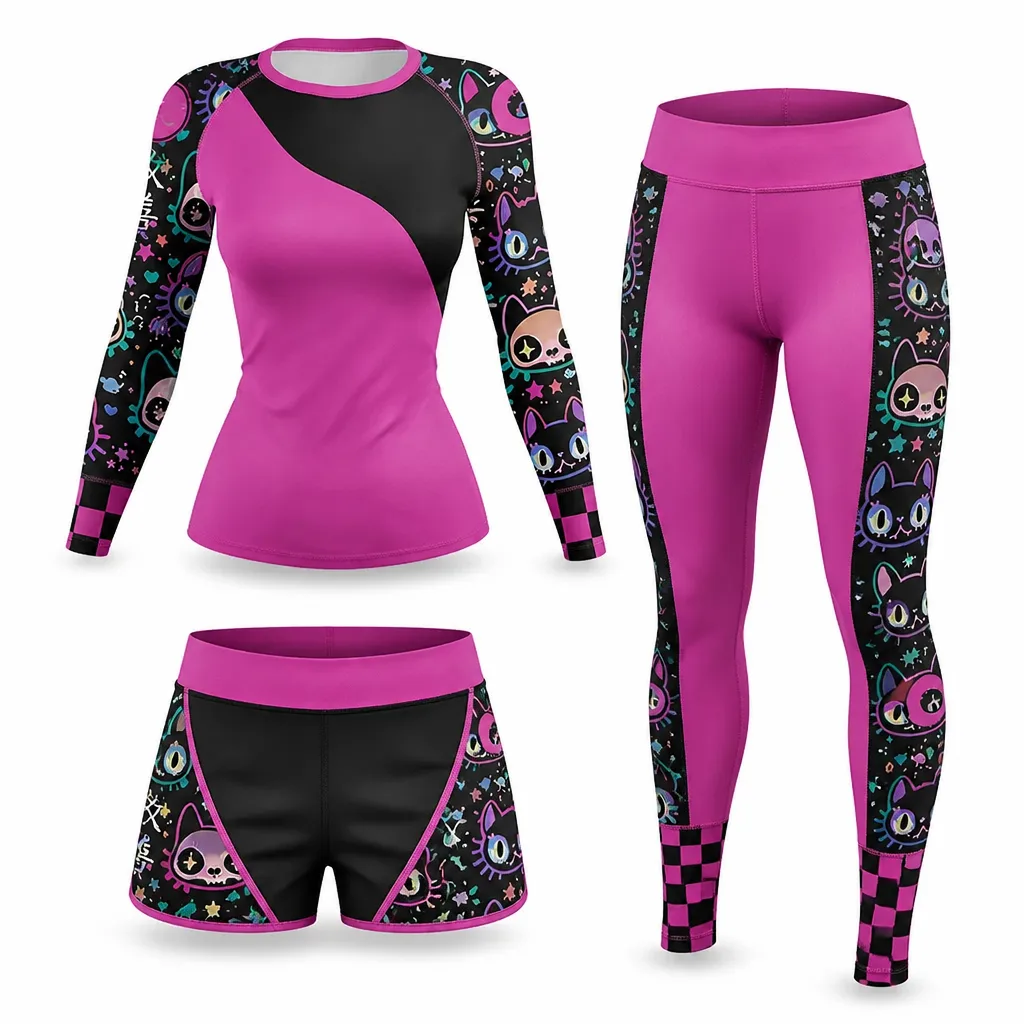
Next up in MMA how should a rash guard fit: the sleeves. They need to be form-fitted along the biceps and forearms—snug to block opponents' grips in no-gi Jiu-Jitsu or Wrestling, yet flexible for Muay Thai elbow strikes. Sleeves that balloon out invite sleeve grips, turning your defense into a liability during live rolls.
From my coaching experience training intermediates in crowded gyms, sleeves that are a finger's width too loose flap during sprawls, increasing drag and skin tears from friction. Tight sleeves, however, like those in Ringside's competition line (80% nylon/20% spandex), contour the delts without binding at the elbow during arm drags. I've rolled with fighters wearing Everlast rash guards where cuffs rode up forearms, exposing skin to elbow strikes—never ideal for sparring.
Sleeve-Specific Sizing Tips
- Shoulder to Elbow: Fabric should follow your arm's natural contour. Raise arms overhead (mimic a double-leg setup); no pulling at the pits.
- Cuff Grip: Thumb-hole designs in advanced models like Fairtex provide secure lockdown for guard pulls, but avoid if you have larger wrists—opt for elastic cuffs instead.
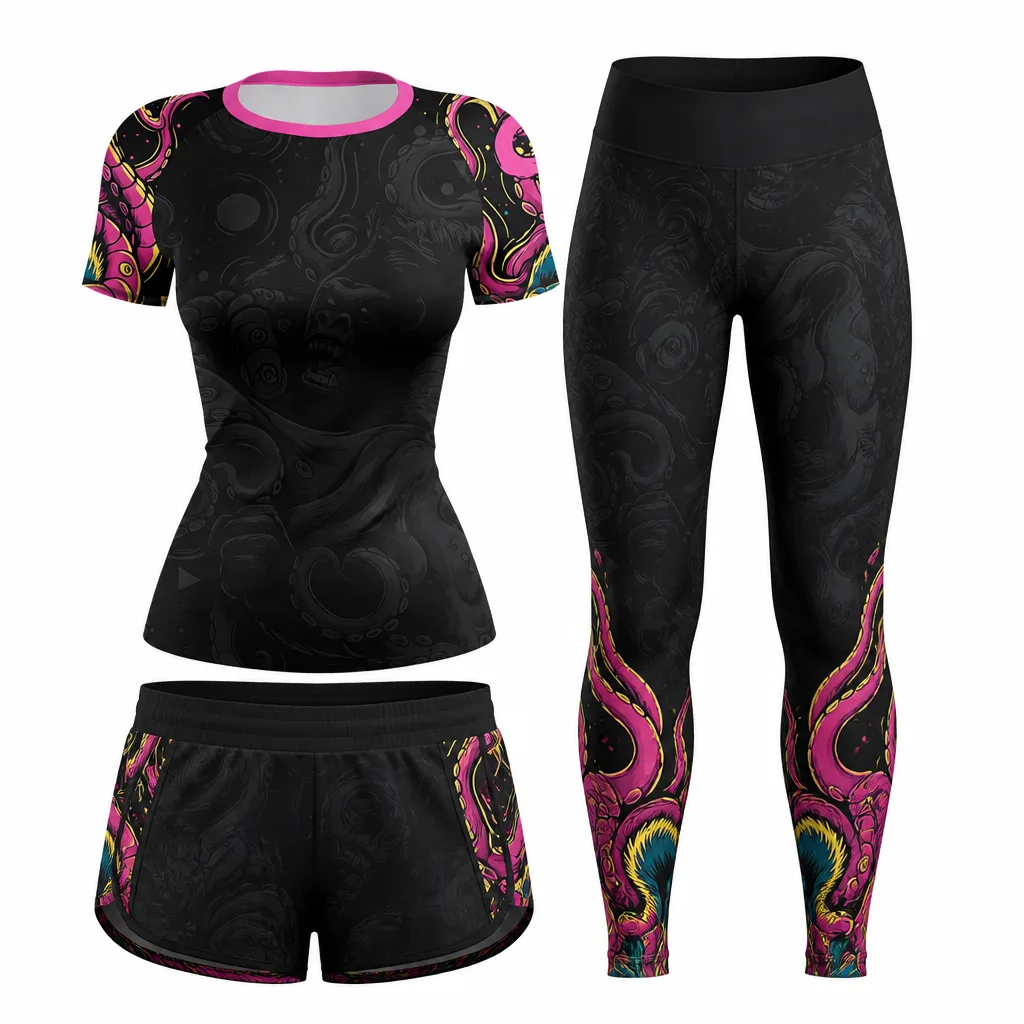
- Short vs. Long Sleeve: Shortsleeves suit Boxing/Muay Thai punchouts (less restriction), while longsleeves shine in BJJ/Wrestling for full-arm protection.
Pro tip: For bodybuilders or stocky athletes, brands like Twins offer tapered sleeves that accommodate larger bis without excess fabric—perfect for heavy bag work without slippage.
3. Neck, Cuffs, and Hem: Secure Seals for All-Day Comfort
The finishing touches define how should a rash guard fit for training: neckline, cuffs, and hem must seal out sweat and mat grime without chafing. A high crew neck in polyester-elastane hybrids (like Venum's Elite series) sits just below the Adam's apple, preventing "strawberry neck" from gi collars in hybrid MMA-BJJ classes.
In real scenarios, a loose hem flips up during hip escapes, exposing your lower back to burns—I've coached countless students fixing this mid-drill. Cuffs too tight constrict blood flow in prolonged clinches; too loose, they sag during push-ups. Honest trade-off: Premium [rash guards](/collections/rash-guards) with silicone grips at hems (e.g., Hayabusa) stay put longer but cost more—worth it for pros logging 20+ hours weekly.
Edge Fit Diagnostics
- Neck Test: Tilt head back; collar shouldn't gap or ride up. V-necks work for strikers but risk exposure in grapples.
- Cuff Seal: Flex wrists; fabric stays put without pinching. Thumbholes add security for no-gi comps.
- Hem Lockdown: Squat deeply; hem sits at hip bone. Avoid drawstrings—they fail in sweat-soaked sessions.
For women or lean frames, Shoyoroll's fitted cuts prevent gaping, while men's athletic builds favor relaxed necks to avoid throttle-like pressure.
Comparison Overview: Loose vs. Tight vs. Perfect Fit Across Scenarios
To visualize best how should a rash guard fit, consider this breakdown:
| Fit Type | Pros | Cons | Best For |
|---|---|---|---|
| Loose | Breathable, easy on/off | Bunches, chafes, grips easily | Casual warm-ups |
| Tight | Max compression, support | Restricts breath/mobility | Short HIIT bursts |
| Perfect (Race Fit) | Mobility + security | Price premium | Sparring/Comp |
Beginners lean loose for comfort; advanced fighters chase race fits. In home workouts, perfect fits shine solo; gym rats need durable edges for partner drills.
How to Choose and Test Your Ideal Rash Guard Fit
Selecting the right one? Consult Apollo MMA's sizing charts—measure chest, waist, and arms cold (pre-workout). Brands vary: Hayabusa runs true-to-size, Tatami slightly small for compression fans.
At-Home Try-On Protocol:
- Wear under fight shorts; simulate 5-minute rounds of shadowboxing and shrimping.
- Check for hot spots post-sweat (launder inside-out with cold water for longevity).
- Layer test: Pair with compression spats for full base layer—no bulges.
Safety note: Always prioritize UPF 50+ fabrics for outdoor Kickboxing; wash after every use to kill bacteria. Budget $40-80 for quality that lasts 50+ washes. Stocky? Size up torso, down sleeves if available. Shop our curated [rash guards](/collections/rash-guards) collection for vetted fits across Hayabusa, Venum, and more.
For discipline tweaks: BJJ favors longsleeves; Muay Thai, shortsleeves with vented backs. Pros like myself rotate 3-4 pairs to manage wear.
Final Thoughts: Fit Right, Fight Smart
Mastering how should a rash guard fit transforms base layers from afterthoughts to secret weapons. It's the difference between enduring a grueling camp and thriving in it—less distractions, more flow. Whether grinding no-gi in a commercial dojo or prepping for the cage, prioritize compression with mobility.
At Apollo MMA, we stock premium [rash guards](/collections/rash-guards) tested by fighters like you. Grab one that fits your style, hit the mats, and feel the upgrade. Questions on sizing? Drop a comment—I've got your back.
Sarah Chen has coached hundreds of athletes to black belt and beyond, specializing in gear that withstands elite training demands.