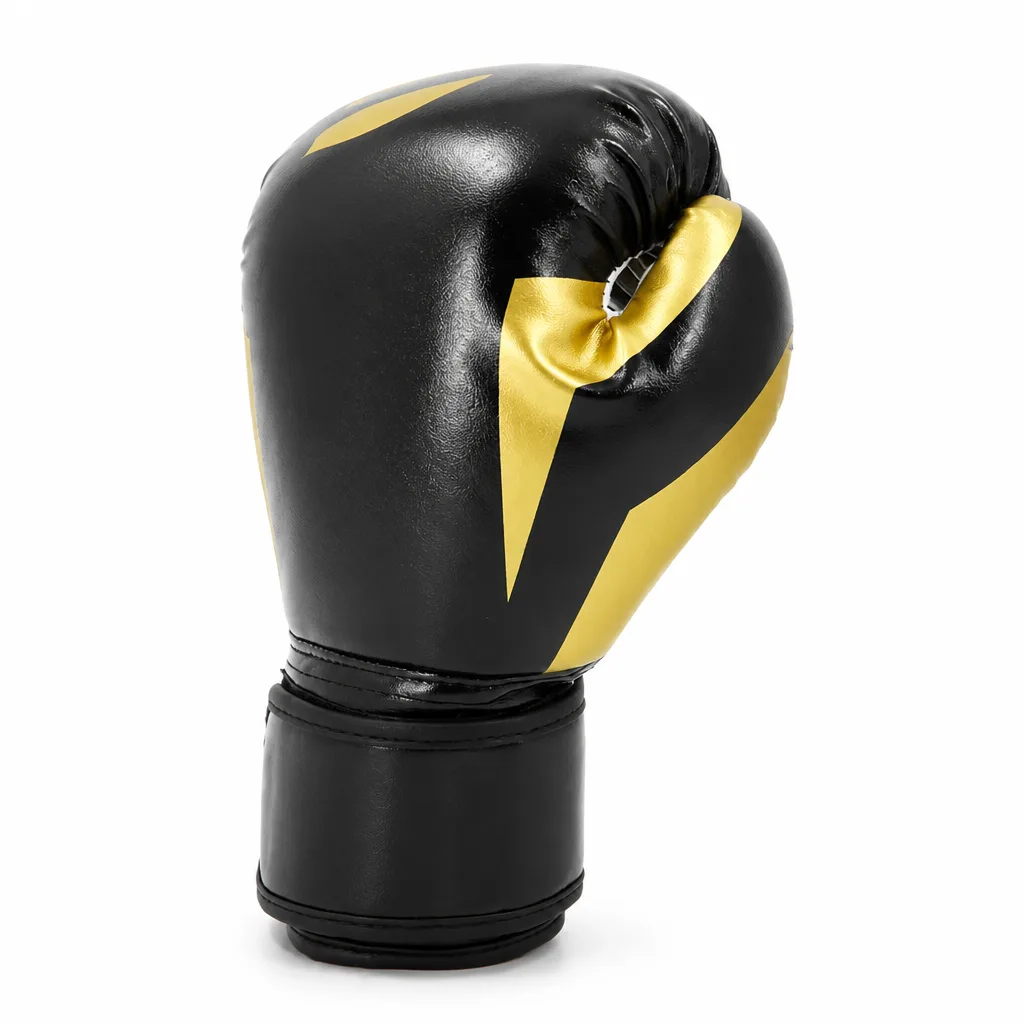
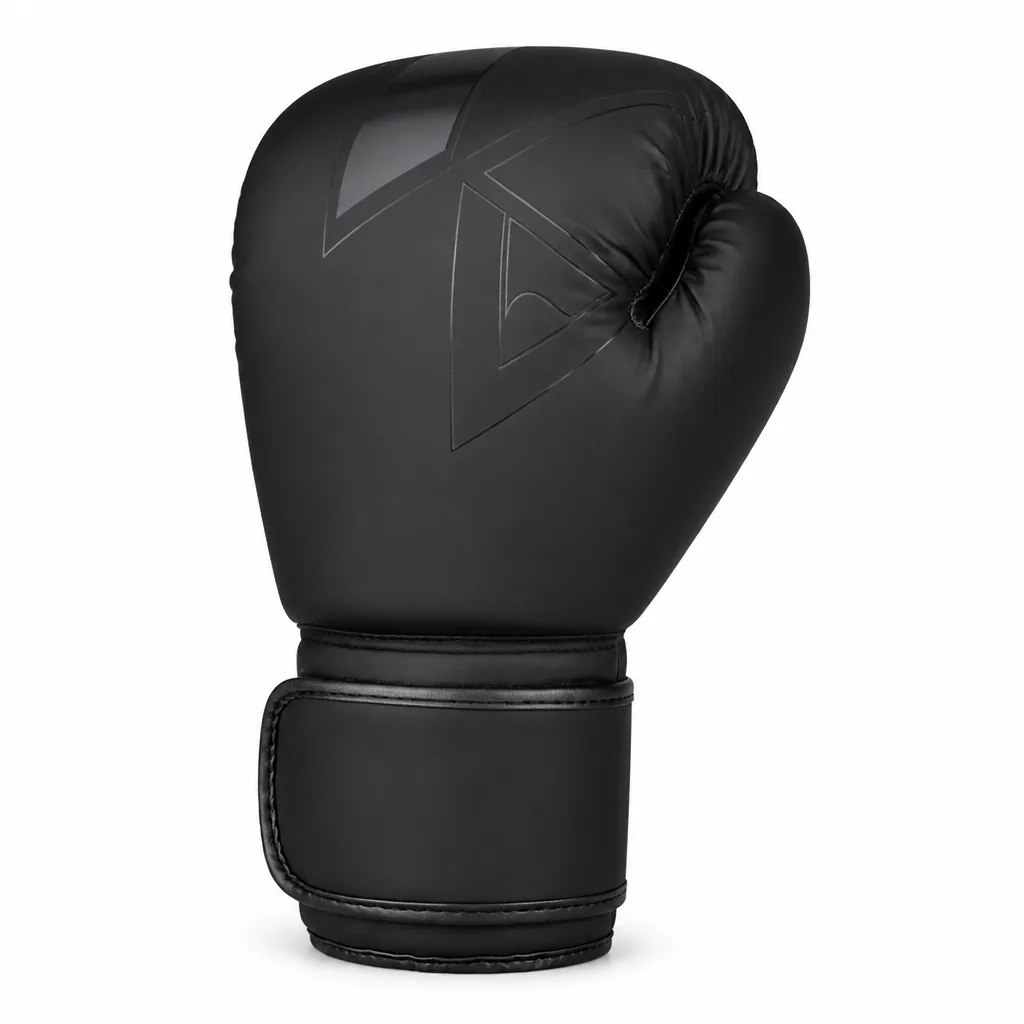
Top Boxing Mitts for MMA Training
In the high-stakes world of MMA, where every punch thrown in the gym echoes in the cage, the right pair of boxing mitts can transform your striking from sloppy to surgical. As David Thompson, with over 20 years as an equipment specialist and former boxing coach, I've held thousands of mitts – from sweat-soaked sessions in gritty gyms to elite fighter prep for title bouts. Today, I'm diving deep into the best boxing mitts for MMA training, sharing what separates game-changers from gym gimmicks.
Expert Perspective
I've coached fighters from raw beginners fumbling their jab to pros like those grinding for UFC contention, and one constant rings true: boxing mitts are the backbone of sharp striking drills. Unlike standalone shadowboxing, mitt work demands gear that absorbs punishing hooks and crosses while giving precise feedback. MMA boxing mitts must handle not just boxing flurries but hybrid combos blending Muay Thai elbows and low kicks – a tall order for any pad.
Picture this: a 185-pound welterweight unleashing 200-lb power shots during a 5-round simulation. The mitts I trust feature multi-layer foam cores – typically 2-3 inches thick – molded to contour to the coach's palm without ballooning on impact. I've tested everything from basic vinyl models that shred after 50 sessions to premium full-grain leather like Hayabusa's T3 series, which endure 500+ hours of heavy use. Leather breathes better, wicks sweat, and molds to your hand over time, but synthetics shine for beginners on a budget who need washable durability.
What sets the best boxing mitts for fighters apart? Ergonomic wrist straps with Velcro that lock like a vice – I've seen too many sessions derailed by slippage. And for MMA specifics, contoured striking surfaces (often 8-10 inches wide) that mimic human targets, allowing seamless transitions from straight punches to angular knees.
Industry Insights
The combat sports gear world has evolved dramatically since my early days testing Everlast prototypes in '90s boxing gyms. Today, brands like Fairtex, Twins Special, and Ringside dominate MMA boxing mitts, prioritizing fighter feedback from Thai camps and Vegas fight weeks. Industry standards from the WBC and amateur boxing federations influence padding density – usually 16-20 oz equivalents for safety – but MMA demands more flex for dynamic movement.
Materials tell the real story. Top-tier boxing mitts for training use cowhide or buffalo leather for superior abrasion resistance; I've compared Fairtex's BGV1 against cheaper knockoffs, and the difference shows after 100 hours – no cracking or delamination. Padding tech has leaped forward: closed-cell foam in Venum Elite models rebounds faster than open-cell, reducing "dead arm" fatigue for coaches holding pads for intermediates drilling 10-minute rounds.
- Leather vs. Synthetic: Leather (e.g., Twins MX Pro) for pros – lasts 2-3x longer, better grip in humid gyms. Synthetics (Ringside IMF Tech) for home workouts – lighter, cheaper, but prone to odor if not aired out.
- MMA-Specific Designs: Contoured edges for shin conditioning; Hayabusa's hybrid mitts integrate Muay Thai angles without bulk.
- Sizing Nuances: Small (8x6 inches) for speed drills, Mexican-style curved for power; always match to coach's hand size – a mitt too narrow pinches thumbs on hooks.
Fighter preferences vary by discipline. Boxers favor flat Mexican mitts for precision; Muay Thai practitioners swear by rectangular Thai pads for elbows. In BJJ-heavy MMA gyms, I've noted wrestlers opting for low-profile mitts to avoid tangling during takedown transitions.
Practical Advice
Selecting the best boxing mitts boils down to your training reality – whether you're a beginner shadowboxing in your garage or an advanced fighter sparring in a commercial gym. Start by assessing your setup: solo drills need curved mitts for self-targeting; partner work demands duo pairs with matching grip angles.
For Beginners: Building Fundamentals
New to MMA? Prioritize affordability and safety. Ringside's entry-level boxing mitts for training offer forgiving padding that teaches proper alignment without bruising hands. Pair them with quality boxing gloves (14-16 oz) for bag-to-mitt transitions. In home workouts, these hold up to 3-4 sessions weekly, but clean with saddle soap to prevent bacteria buildup.
Intermediate Fighters: Sharpening Combos
At this level, you're chaining 4-6 strike sequences. Venum Challenger mitts excel here – their ergonomic curve feeds back on wrist snap during uppercuts, ideal for Kickboxing or Boxing-focused MMA. I've used them in 90-minute classes blending strikes and grappling; the D3O impact protection dissipates shock, letting coaches call combos endlessly.
Advanced and Pros: Competition Simulation
Power and endurance rule. Fairtex BGV6 Mexican mitts are my go-to for welterweights above – the full leather shell and horsehair-foam blend takes 300-lb shots without bottoming out. For competition prep, Twins Special's curved models simulate opponent guards, perfect for sparring adjuncts. Always break them in with light drills; stiff new mitts alter punch paths.
Safety first: Wrap hands properly under mitts, and rotate pairs to extend life. Maintenance tip – lesser-known but crucial: store in a ventilated bag with silica packs to combat mold in humid environments like Florida gyms.
Check our focus mitts collection at Apollo MMA for these exact models, curated for every discipline from Wrestling clinch work to straight Boxing pad rounds.
Common Mistakes to Avoid
Even seasoned fighters slip up on mitt selection, derailing progress. Here's what I've seen – and fixed – over decades:
- Oversized Mitts for Speed Work: Jumbo pads swallow punches; stick to 9-inch widths for crisp feedback. Beginners grabbing pro 12-inchers miss technique cues.
- Ignoring Coach Comfort: Bulky padding fatigues wrists fast. Test grip angle – it should feel like an extension of your forearm, not a brick.
- Skipping Material Match: Vinyl in pro sessions peels under sweat; invest in leather if training 5x/week. Synthetics suit casual Kickboxing only.
- Neglecting Pair Matching: One curved, one flat? Chaos in drills. Buy sets, and size for the smaller hand.
- Poor Maintenance: Tossing damp mitts in a locker breeds stink and breakdown. Air dry, condition leather monthly – extends life by 50%.
Avoid these, and your mitts become training allies, not liabilities. Pro insight: In BJJ gyms, fighters overlook thumb protection – opt for reinforced designs to prevent tweaks during sprawl-strike flows.
Future Outlook
MMA gear evolves with the sport. Expect smarter boxing mitts for fighters: embedded sensors tracking impact force, like prototypes from Hayabusa labs, feeding data to apps for strike analysis. Hybrid materials – graphene-infused foam – promise lighter weight with unyielding durability, bridging Boxing purity and MMA chaos.
Sustainability rises too: recycled leathers from Twins' R&D cut environmental impact without sacrificing performance. For home gyms, modular mitts with swappable pads will dominate, letting you customize for Muay Thai elbows or Wrestling pummels. As VR training integrates, expect AR overlays on mitts for virtual opponent sims – I've beta-tested similar in coaching tech, and it's revolutionary for solo sessions.
Whatever the future holds, Apollo MMA stays ahead, stocking cutting-edge MMA boxing mitts that pros will demand tomorrow.
Summary
Mastering the best boxing mitts for training elevates your MMA striking across levels and disciplines – from beginner jabs to pro flurries blending Boxing, Muay Thai, and more. Prioritize leather durability, ergonomic fit, and scenario-specific designs like Fairtex for power or Venum for versatility. Dodge common pitfalls, maintain rigorously, and watch your game soar.
Ready to upgrade? Explore Apollo MMA's premium selection of boxing mitts for fighters today. Pair with our boxing gloves and dive into our training tips for holistic prep. Train smart, strike hard – your cage awaits.
David Thompson, Equipment Specialist & Former Boxing Coach