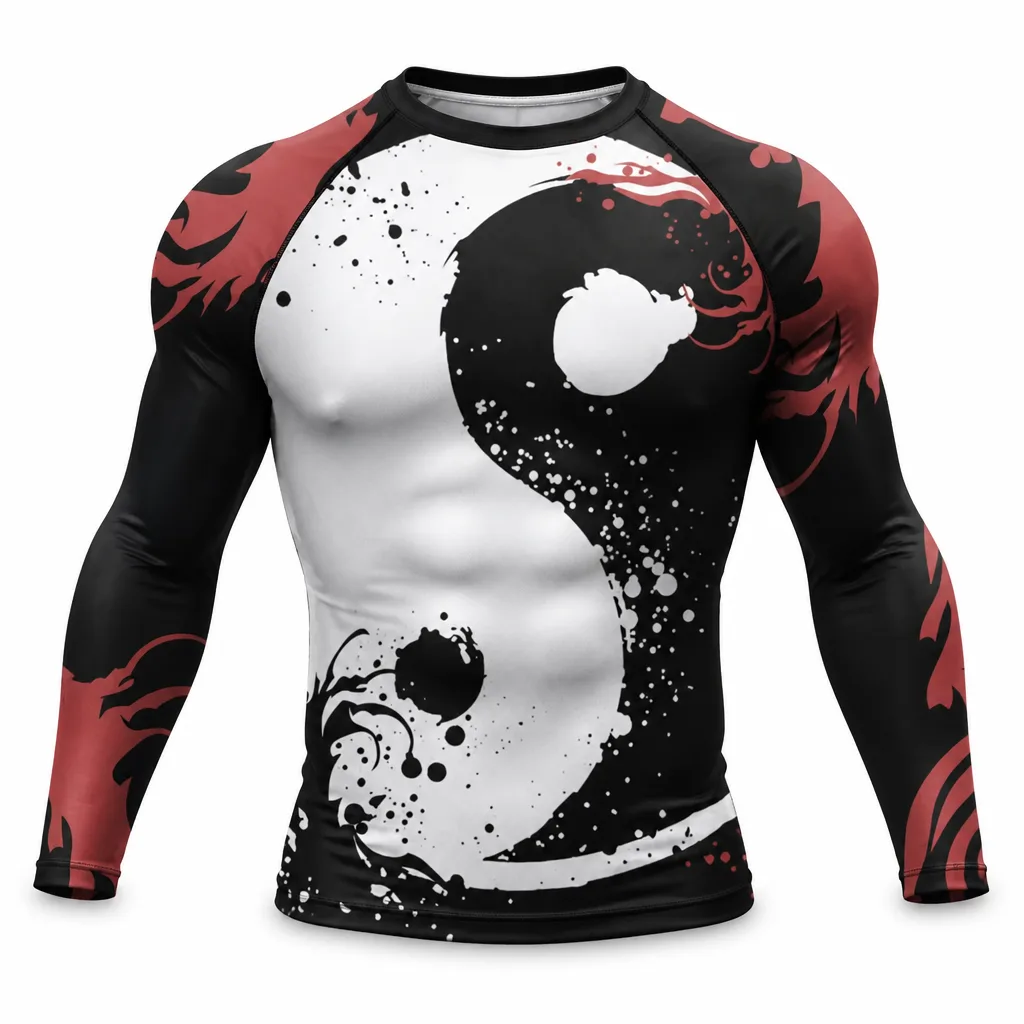
The Complete Guide to Wash Rash Guards
Did you know that the average MMA fighter or BJJ practitioner sweats through up to two liters of fluid per intense training session? That's a perfect breeding ground for bacteria, odors, and fabric breakdown in your rash guards. If you're searching for how to wash rash guards the right way—especially for high-stakes MMA training or grappling sessions— you've landed in the right place. As Sarah Chen, a Brazilian Jiu-Jitsu black belt and certified strength & conditioning coach with years of rolling on sweat-soaked mats and coaching fighters worldwide, I've seen firsthand how proper care extends the life of your gear from weeks to months.
In this complete guide, we'll dive deep into MMA how to wash rash guards, sharing insider tips that go beyond generic laundry advice. Whether you're a beginner hitting the gym three times a week or a pro prepping for a cage fight, maintaining your rash guards ensures they stay compressive, odor-free, and performant. Let's break it down step by step.
Expert Perspective: Why Rash Guard Care Matters in Combat Sports
Picture this: You're in the thick of a no-gi BJJ roll, slick with sweat, executing a tight armbar. Your rash guard—say, a Hayabusa or Venum compression top—is hugging your torso, wicking moisture, and preventing mat burns. But after repeated washes in hot water or the dryer, that once-snug fit loosens, the sublimated graphics fade, and odors linger like a bad memory.
From my experience training and coaching at commercial gyms and home setups, rash guards aren't just shirts; they're performance armor. Made from high-denier polyester-spandex blends (typically 80-90% polyester, 10-20% spandex), they provide 360-degree compression to reduce muscle fatigue during Muay Thai clinches or wrestling takedowns. Neglect the wash routine, and micro-tears in the seams weaken under stress—I've ripped more than a few during sparring because of fabric degradation.
For fighters, this is non-negotiable. Pros like those in UFC camps rotate 5-7 rash guards weekly, washing each after every use. Beginners? Start with pairs for back-to-back sessions. The key? Understanding material science: Spandex loses elasticity above 104°F (40°C), and chlorine from pool training (common in Kickboxing hybrids) yellows fabrics irreversibly.
Industry Insights: What Pros and Manufacturers Recommend
Talking with reps from brands like Tatami, Shoyoroll, and Ringside, the consensus is clear: Rash guards are engineered for abuse but demand gentle handling. Industry standards from the International Sport Karate Association (ISKA) and similar bodies emphasize hygiene for safety—staph infections from unwashed gear have sidelined fighters mid-camp.
Take Venum's elite line: Their graphene-infused fabrics resist bacterial growth but still require cold-water washes to preserve the nano-tech weave. Hayabusa's HexaFlow material, popular in MMA, sheds 20% more sweat than standard poly but fades if tumbled dry. Fighter preferences vary—BJJ black belts favor longer-cut rash guards for guard retention, while Muay Thai strikers opt for short-sleeve versions that pair seamlessly with [shin guards](/collections/shin-guards).
Durability data backs this: A well-maintained rash guard withstands 50-75 washes before noticeable stretch, per lab tests from brands like Fairtex. Price-to-value? Entry-level at $20 last 20 sessions; premiums like Everlast Pro Series hit $50 but endure pro-level abuse. Always check our size guide at Apollo MMA—compression fit is king, and washing shrinks or stretches can ruin it.
Practical Advice: Step-by-Step on How to Wash Rash Guards for Training
Pre-Wash Prep: The First Line of Defense
Don't toss it straight in the machine. Right after training—whether post-sparring in a Boxing gym or drilling Wrestling shots at home—rinse under cold tap water. This flushes 80% of sweat salts and oils immediately, preventing crusty buildup. For BJJ fighters, add a pre-soak in white vinegar (1:4 ratio with water) to neutralize gi chalk residue.
Pro tip from my coaching sessions: Turn the rash guard inside out. Sublimated prints on the exterior (common in Ringside customs) face less abrasion, preserving vibrant colors through hundreds of washes.
Machine Washing: The Best How to Wash Rash Guards Method
For how to wash rash guards for fighters, cold water (30°C max) on a gentle cycle is gold. Use a mild, fragrance-free detergent like Sport-Wash or Gear Aid ReviveX—harsh soaps strip spandex coatings, leading to pilling after 10 cycles.
Here's the exact protocol I've refined over thousands of loads:
- Load loosely: 3-4 rash guards max per machine to avoid stretching.
- Detergent: 1-2 oz liquid, no bleach, fabric softener, or dryer sheets—these coat fibers, trapping odors.
- Cycle: Delicate or hand-wash setting, 800-1000 RPM spin.
- Rinse twice if possible, especially after heavy salt-sweat sessions like Kickboxing pads.
For competition gear, hand-wash in a sink: Agitate gently for 5 minutes, no wringing—roll in a towel to press out water.
Drying: Where Most Fighters Go Wrong
Air dry, always. Hang on a wide-shouldered hanger in shade—direct sun UV-degrades spandex by 30% per exposure. Takes 4-6 hours for gym use, overnight for pros. No dryers: Heat bonds sweat proteins into fabric, causing permanent stink.
In humid training environments like Muay Thai camps, use a fan to speed airflow. For travel fighters, pack damp (post-rinse) in a mesh bag—dries en route without mildew.
Special Scenarios: Tailored Washing for Your Discipline
- MMA/BJJ Sparring: Vinegar soak for bacteria; inspect seams for frays from grips.
- Muay Thai/Kickboxing: Extra rinse for pad sweat; pair with shin guard cleans.
- Wrestling/Boxing: Baking soda pre-treat for mat/chalk odors.
- Home Workouts: Less intense? Weekly washes suffice, but still cold/gentle.
Antimicrobial treatments like Polygiene (in some Tatami models) reduce wash frequency to every 3 sessions, but don't skip entirely—sweat still breeds.
Common Mistakes to Avoid When Learning How to Wash Rash Guards
I've coached hundreds, and these errors are epidemic. Hot water? Kills elasticity—your $60 investment sags after 5 washes. Bleach? Yellows whites, weakens dyes; use color-safe oxygen cleaners instead.
Dryer tumbling mats fabrics against zippers, causing micro-abrasions that fail under compression. Overloading the washer stretches collars unevenly—check our rash guards collection for reinforced necks. Ignoring odors? Enzyme sprays like Odor-Aid between washes mask but don't eliminate; proper rinsing does.
For larger athletes (200+ lbs), loose drying prevents sagging. Beginners often wash inside-out wrong—exterior out for prints. And pros: Don't hoard dirty gear; rotation prevents cross-contamination in team gyms.
Honest trade-off: Gentle care means more upfront time but halves replacement costs. A faded, stinky rash guard distracts mid-roll—safety first.
Future Outlook: Evolving Tech in Rash Guard Durability
Looking ahead, sustainable fabrics like recycled polyester from Twins Special are wash-resistant with built-in UV blockers. Antimicrobial silver ions in next-gen Hayabusa lines could cut washes by 50%, ideal for pros logging 20+ hours weekly.
Expect self-cleaning nano-coatings by 2025, per industry whispers at trade shows. Smart rash guards with embedded sensors for sweat pH might alert via app when to wash. At Apollo MMA, we're stocking these innovations first—gear that trains as hard as you do.
Climate-adaptive weaves for hot yoga-BJJ hybrids or cold-weather Wrestling will demand updated protocols, but core rules endure: cold, gentle, air dry.
Summary: Elevate Your Gear Game Today
Mastering how to wash rash guards for training boils down to cold water, gentle cycles, and air drying—saving you money, boosting hygiene, and sharpening performance. From my black belt vantage, fighters who nail this routine edge out in endurance and recovery.
Stock up on durable rash guards from Hayabusa, Venum, and more at Apollo MMA, your worldwide hub for premium MMA gear. Check our size guide, grab [shin guards](/collections/shin-guards) for full kits, and train smarter. Questions? Drop a comment—let's keep your gear fight-ready.
By Sarah Chen, BJJ Black Belt & S&C Coach at Apollo MMA