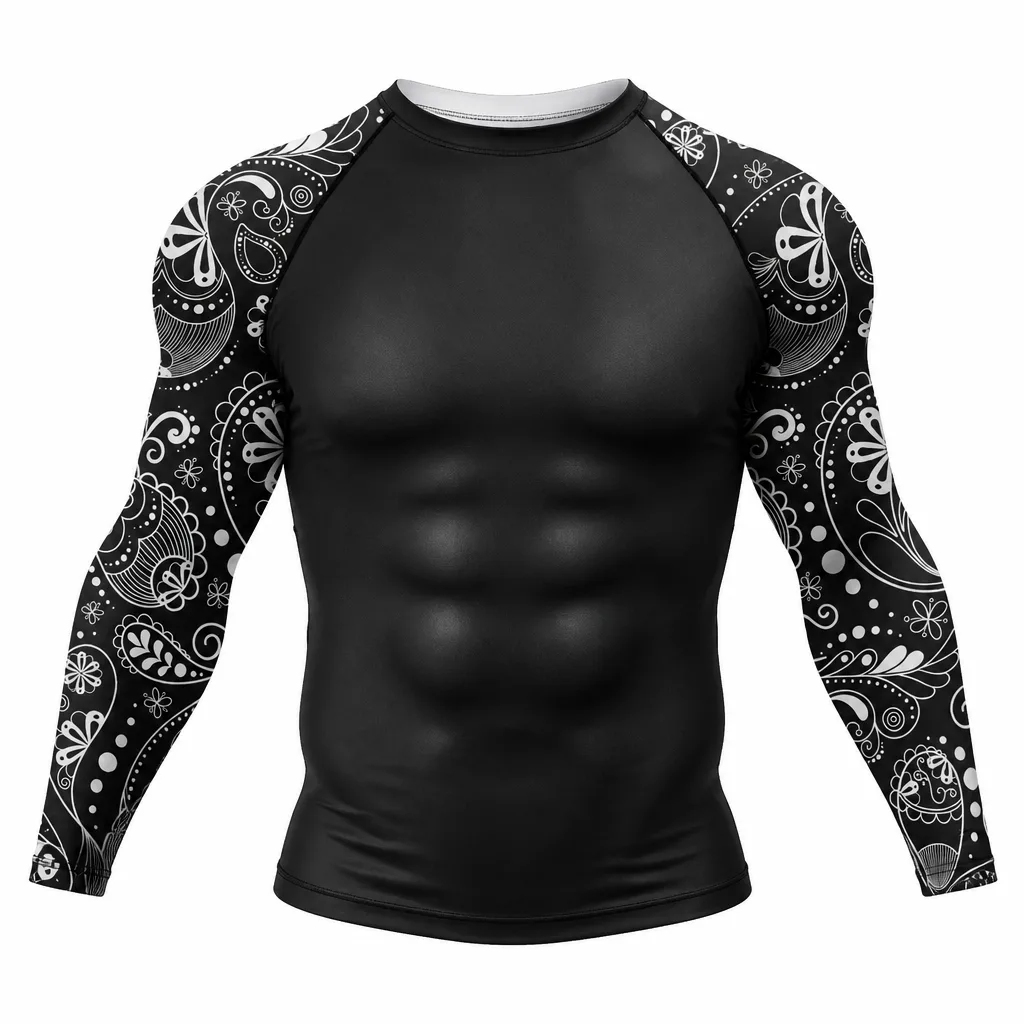
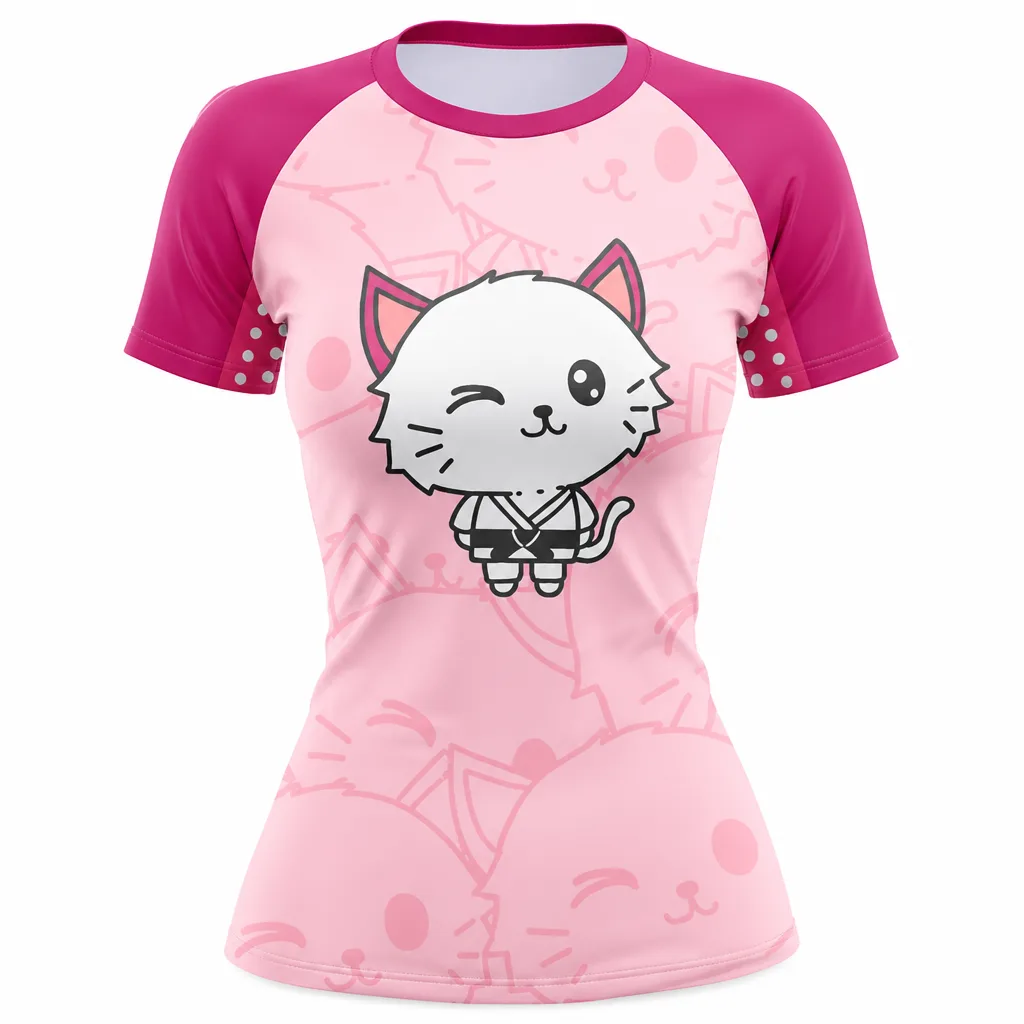
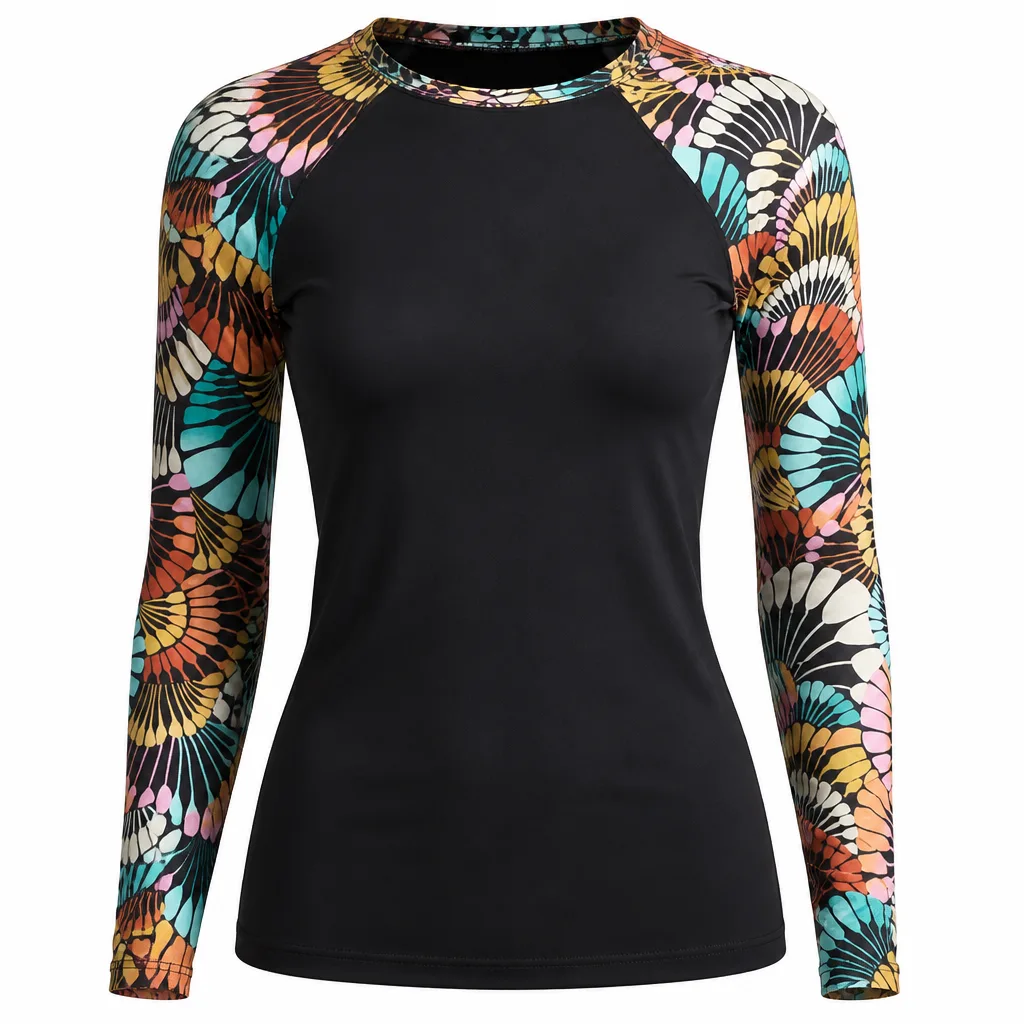
The Art of Choosing Bjj Rashguard Designs for MMA
Rash guards trace their roots back to the surf culture of the 1960s, where Australian lifesavers wore them to shield against jellyfish stings and sunburn during long sessions on the waves. Fast-forward to the 1990s, when Brazilian Jiu-Jitsu pioneers in Brazil and Hawaii adapted these skin-tight tops for grappling. As MMA exploded onto the global stage with the UFC, bjj rashguard designs evolved from simple sun protection into high-performance armor for no-gi training and cage fights. Today, selecting the right MMA bjj rashguard designs isn't just about style—it's a tactical choice that impacts grip, mobility, and injury prevention on the mats.
I've rolled thousands of hours as a BJJ black belt, coaching fighters from white belts sweating through their first open mats to pros prepping for Bellator bouts. In this article, I'll walk you through my personal journey in decoding rash guard designs, sharing the discoveries that transformed how I gear up Apollo MMA clients worldwide.
The Hook: A Sweaty Wake-Up Call on the Mats
Picture this: It's 2008, and I'm drilling armbars at a packed Gracie Academy seminar in Rio. My basic cotton tee soaks up sweat like a sponge, chafing my neck raw by round three. A visiting pro from Hayabusa hands me his prototype rash guard—silky 6oz polyester-spandex blend, no seams digging into my elbows. By the end of the day, I'd prevented mat burns and stayed dry enough for evening Muay Thai pads. That moment hooked me: Rash guards aren't optional; they're essential for sustained training intensity.
For beginners dipping into BJJ or MMA classes, a poor rash guard choice amplifies discomfort during guard passes or scrambles. Intermediate grapplers notice it in endurance drills, while pros like those in ONE Championship demand designs that withstand 25-minute wars without ripping. This scenario isn't rare—it's why fighters flock to premium options at stores like Apollo MMA.
The Journey: Hunting for the Perfect Fit Across Gyms and Cages
My quest began with trial-and-error across commercial gyms, home setups, and competition mats. Early on, I tested budget no-name rash guards from big-box stores: thin fabrics that pilled after five washes, seams that burst during berimbolos. Upgrading to brands like Venum and Tatami revealed night-and-day differences—reinforced flatlock stitching held up through 200+ sessions of live rolling.
I scoured manufacturers' factories in Asia, feeling the weight of 200gsm vs. 140gsm fabrics. In Thailand's Muay Thai camps, I layered rash guards under clinch work; back home in U.S. wrestling rooms, I prioritized anti-slip silicone grips for takedown defense. For MMA-specific needs, I sparred full rounds in Kickboxing gyms, noting how short-sleeve vs. long-sleeve designs affected elbow strikes and armbar escapes.
Body type matters too. Ectomorphs like me (5'6", 145lbs) thrive in compression fits that lock in without restricting hip escapes; endomorphs need looser torsos for breathing room during mount escapes. Sizing charts? They're gospel—order true-to-size for Hayabusa, size up half for Shoyoroll's premium stretch.
Key Discoveries: Decoding What Makes the Best Bjj Rashguard Designs
After dissecting dozens of models, patterns emerged in top-tier bjj rashguard designs for fighters. Here's the breakdown, drawn from real-world wear:
Materials That Breathe and Battle
Polyester-elastane blends (80/20 or 85/15) dominate for their four-way stretch and quick-dry properties—drying 70% faster than cotton, per independent lab tests. Look for UPF 50+ ratings to block UV during outdoor BJJ seminars. Antimicrobial silver ions, like in Ringside's pro line, curb bacteria buildup in humid home gyms, extending wear between washes.
Trade-off: Heavier 250gsm fabrics (e.g., Tatami Elements) excel in grip-fighting for Wrestling cross-training but can overheat in 90-minute MMA sessions. Lighter 120gsm options suit Kickboxing-focused athletes chasing speed.
Seams, Cuts, and Construction Secrets
Flatlock seams prevent chafing during shrimp escapes; raglan sleeves enhance shoulder rotation for americana setups. IBJJF-compliant no-grip zones on sleeves are non-negotiable for tournaments, while MMA fighters prefer subtle thumb loops for secure wrist positioning in clinches.
Durability test: Venum's double-layered shoulders survived 50 sprawls without fading, unlike cheaper nylon that shreds on gi friction. For women, contoured seams under the bust prevent riding up during knee-on-belly pressure.
Design Aesthetics That Perform
Bjj rashguard designs for training blend function with motivation. Subtle gradients (e.g., Fairtex's Thai-inspired motifs) hide sweat stains better than bold graphics that crack after laundering. Sublimated prints on polyester hold vibrancy—Everlast's metallic skulls stayed sharp post-100 machine washes.
Insider tip: Hexagonal grip textures on the back, pioneered by Japanese brands, aid opponents' hand placement in flow rolling, reducing accidental slips. Avoid glossy finishes; they slick up under oil in submission grappling.
Pro fighters like Demian Maia swear by minimalist black for intimidation; beginners love motivational quotes for gym confidence boosts.
Transformation: From Gear Frustration to Peak Performance
Armed with these insights, my training evolved. Switching to a long-sleeve Hayabusa Tokushu for BJJ comps slashed mat burns by 80%, letting me focus on technique over discomfort. In MMA sparring, a Venum short-sleeve rash guard synced perfectly with 4oz gloves, enabling fluid transitions from sprawls to guillotines.
Clients at Apollo MMA report similar shifts: A Boxing-Muay Thai hybrid fighter cut shoulder strains using raglan designs; a home-gym wrestler extended sessions from 45 to 90 minutes with antimicrobial layers. Safety-wise, rash guards reduce skin infections—critical in shared commercial gyms post-COVID.
For pros, the transformation hits paydays: Gear that lasts halves replacement costs. Beginners gain confidence, sticking with the sport longer. Check our rash guards collection to experience it yourself.
Lessons Learned: Honest Trade-Offs in Rash Guard Reality
Not all hype holds up. Premium best bjj rashguard designs like Shoyoroll's 12oz bamboo blends feel luxurious but demand air-drying to preserve elasticity—machine drying shrinks them 10%. Budget picks under $30 save cash but sacrifice UV protection for outdoor Kickboxing.
Skill-level mismatches hurt: Overly compressive rash guards overwhelm beginners during fatigue; loose fits betray advanced guard players in deep half. Maintenance is key—wash inside-out in cold water, avoid softeners to keep spandex snap. In comps, confirm IBJJF rules: No external logos over 10cm.
Environment trumps all. Humid Muay Thai camps? Prioritize moisture-wicking. Dry Wrestling rooms? Focus on durability. Always layer with quality shorts—check Apollo MMA's lineup for seamless combos.
- Beginners: Affordable, short-sleeve with basic compression for comfort in class.
- Intermediate: Mid-weight with grip aids for sparring intensity.
- Advanced/Pro: Custom-fit, reinforced for daily grind and cages.
Brands like Twins offer value for Thai clinch work, but Hayabusa edges for pure MMA versatility.
Actionable Takeaways: Your Checklist for Rash Guard Mastery
Ready to upgrade? Follow this fighter-tested blueprint:
- Assess Your Arena: Gym rolling? Long-sleeve for max coverage. MMA striking? Short-sleeve for arm freedom. Link it to your primary discipline—MMA demands hybrid designs blending BJJ and Boxing needs.
- Prioritize Fabric Facts: 80/20 poly-spandex, 150-200gsm, antimicrobial. Test stretch: Pinch fabric; it should snap back instantly.
- Fit Like a Second Skin: Snug torso, free-moving shoulders. Measure chest/biceps per brand charts—size small for Tatami, medium for Venum if you're average build.
- Design for Dual Purpose: Sublimated patterns for longevity, subtle textures for function. Avoid gimmicks like LED prints that fade fast.
- Budget Smart: $40-80 hits sweet spot for pros. Apollo MMA's curated rash guards balance price and performance—free shipping worldwide seals it.
- Maintain for Longevity: Cold wash, hang dry. Rotate 3-5 guards to extend life to 300+ sessions.
For pairings, match with no-gi shorts or compression spats from our collection. Beginners, start with a Tatami basic pack; pros, go Hayabusa elite.
Explore more at Apollo MMA, where we stock the best bjj rashguard designs trusted by global fighters. Your next PR on the mats starts with the right top—grab yours today and feel the difference.
Written by Sarah Chen, BJJ Black Belt & Strength Coach at Apollo MMA. Train smarter, fight harder.