---
---
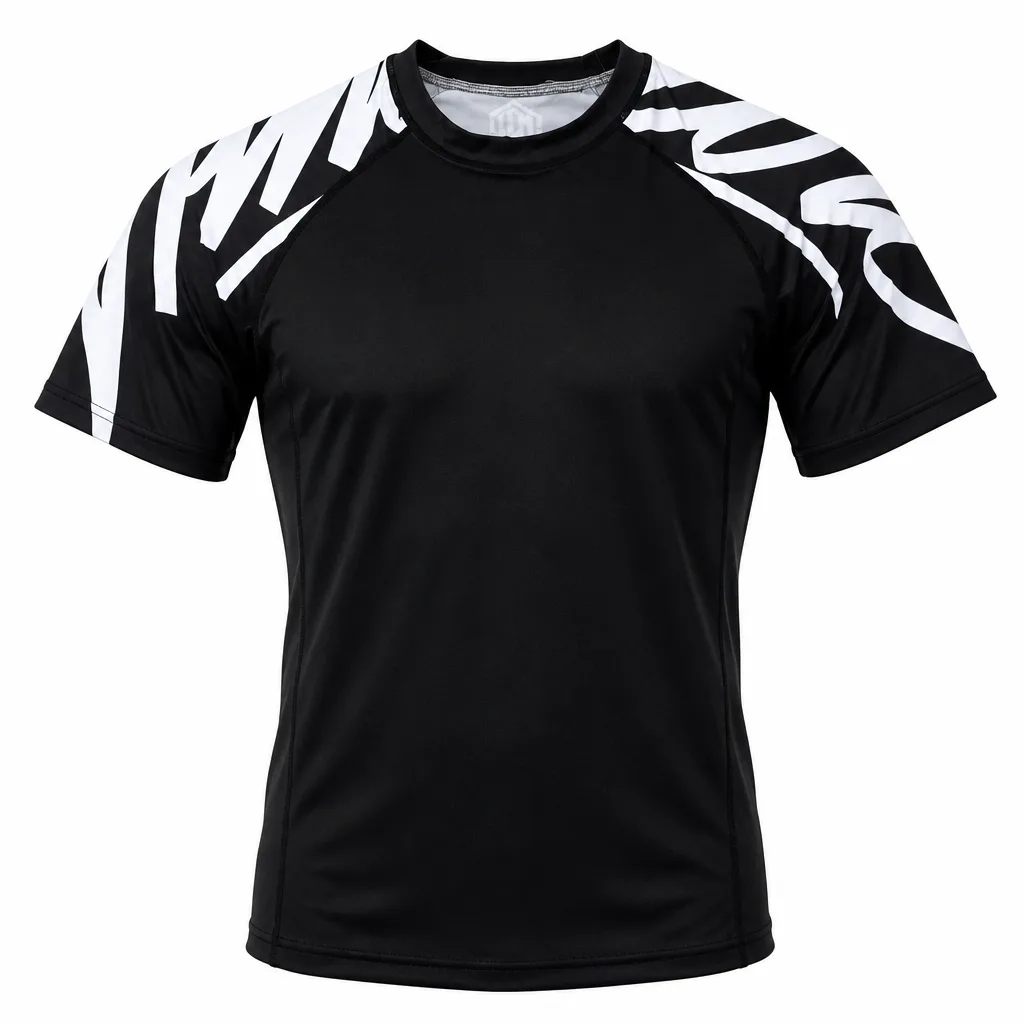
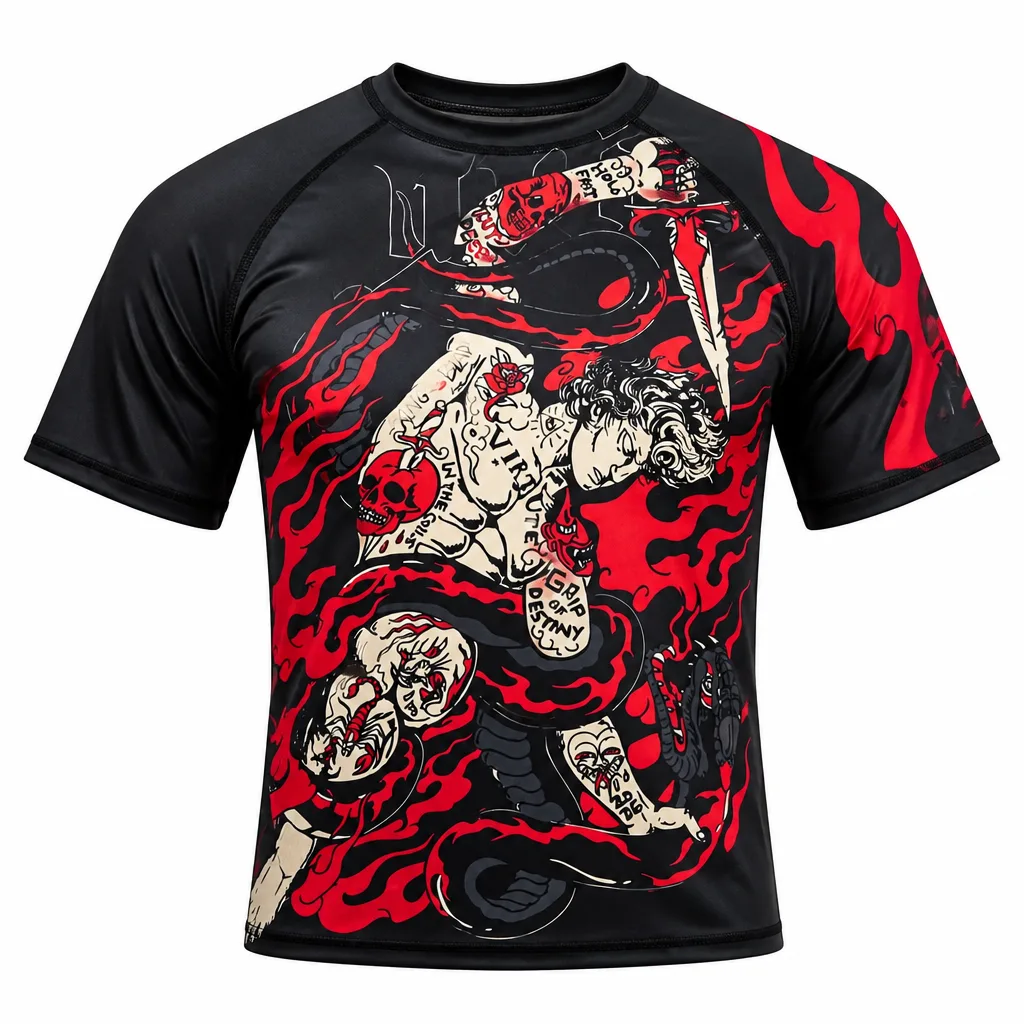
Rash Guard Vs Compression Shirt: A Comprehensive Comparison
Picture this: You're deep into a no-gi Brazilian Jiu-Jitsu session at your local gym, sweat cascading down your back as you scramble for an armbar. Your shirt clings uncomfortably, chafing against your skin and riding up during every guard pass. Sound familiar? This is the classic rash guard vs compression shirt dilemma many fighters face—MMA rash guard vs compression shirt choices that can make or break your training experience. As a BJJ black belt and strength coach who's rolled thousands of hours and tested gear from Hayabusa to Venum, I've seen how the right top prevents mat burns, enhances performance, and keeps you training consistently. In this guide, we'll cut through the confusion to help you pick the best rash guard vs compression shirt for your needs.
Introduction with Problem: The Training Top That Betrays You
Every fighter, from beginners drilling Muay Thai combos to pros prepping for UFC weigh-ins, grapples with base layer selection. A poor choice leads to irritation, overheating, or even injury—think mat rash from grappling friction or muscle fatigue without proper support during high-volume sparring. I've coached intermediate wrestlers who ditched cotton tees for specialized gear after repeated skin issues, and advanced Kickboxers who swear by certain fits for clinch work.
The core problem? Not all "performance shirts" are created equal. Rash guards excel in gi-free grappling worlds like BJJ and Wrestling, while compression shirts shine in striking arts or recovery-focused sessions. Without understanding rash guard vs compression shirt for fighters, you're leaving performance on the table—and comfort at risk. Let's dive into why this matters and how to solve it.
Understanding the Challenge: Decoding Design and Purpose
Rash guards and compression shirts look similar at a glance—both form-fitting, moisture-wicking synthetics—but their origins and optimizations differ vastly. Rash guards emerged from surfing and evolved into combat sports staples, prioritizing skin protection during skin-on-skin contact. Compression shirts, rooted in athletic recovery science, focus on graduated pressure to boost circulation and reduce muscle oscillation.
In real-world training, this translates to distinct pain points. During BJJ open mats, a rash guard's seamless construction and anti-microbial treatments fend off staph risks and abrasions from opponents' grips. Swap to Boxing bag work, and a compression shirt's firmer hug stabilizes shoulders during endless hooks. But mismatches happen: I've seen beginners in loose rash guards slip during Wrestling takedowns, or pros in overly tight compression overheating in humid Thai boxing gyms.
Key challenges include:
- Material variances: Rash guards often use 80/20 polyester-spandex blends for ultimate stretch; compression leans toward nylon-spandex for durability and targeted pressure.
- Fit philosophies: Rash guards are "second skin" snug; compression applies 15-25 mmHg pressure zones.
- Environment mismatches: Home workouts vs. crowded commercial gyms demand different breathability levels.
Addressing rash guard vs compression shirt for training requires knowing these nuances to avoid blisters, fatigue, or gear failure mid-spar.
Solution Overview: Which Wins for Your Fight Style?
The solution is straightforward: Match your top to your discipline, intensity, and goals. For grappling-heavy MMA, BJJ, or Wrestling—where friction rules—opt for a rash guard. Its slick exterior reduces drag, and thumbholes keep sleeves secure during arm drags. Striking-focused fighters in Muay Thai, Kickboxing, or Boxing thrive with compression shirts for muscle support and posture alignment during pad rounds.
Hybrid needs? Layering works: Rash guard under fight shorts for no-gi comps, or compression for post-training recovery. At Apollo MMA, our curated rash guards and compression gear collections feature brands like Tatami and Ringside, tested for real mats. Here's the high-level verdict:
| Scenario | Best Choice | Why? |
|---|---|---|
| BJJ No-Gi / Grappling | Rash Guard | Anti-chafing, grip resistance |
| MMA Sparring / Striking | Compression Shirt | Muscle stability, sweat management |
| Weight Cut / Recovery | Compression Shirt | Circulation boost, sauna tolerance |
This overview sets the stage—now let's break it down in detail.
Detailed Steps: Head-to-Head Comparison
Step 1: Materials and Construction
Rash guards prioritize slick, hydrophobic polyester-spandex (often 6-8 oz fabric weight) with flatlock seams to eliminate irritation. Brands like Hayabusa incorporate silver-ion treatments for odor control, lasting 50+ washes in my experience. Compression shirts use thicker nylon blends (10-12 oz) with bonded seams and silicone grips for no-roll waistbands—ideal for Everlast pros doing heavy bag circuits.
Trade-off? Rash guards dry faster post-wash but pill faster under gi pressure; compression endures tears from shin guard friction better.
Step 2: Fit and Sizing Nuances
Sizing is where MMA rash guard vs compression shirt shines differently. Rash guards run true-to-size with high necklines and long sleeves for full coverage—check Tatami's IBJJF-approved cuts for comps. Compression demands size-down for that 20% stretch activation; Venum's graduated fit compresses calves-to-torso progressively.
For body types: Ectomorph grapplers love rash guard freedom; mesomorph strikers need compression's torso lockdown. Beginners: Start with Apollo MMA's size charts to avoid returns.
Step 3: Breathability and Moisture Management
In sweltering home gyms or comp mats, rash guards' micro-mesh panels vent heat during endless shrimp drills. Compression shirts wick via channel construction but trap heat more—great for cool-weather Boxing but risky in Muay Thai heat. Real test: After 90-minute sessions, rash guards feel drier to the touch.
Step 4: Durability and Longevity
Expect 6-12 months from quality pieces with proper care (cold wash, air dry). Rash guards withstand grappling pulls but snag on zinc creams; compression shrugs off pad burns. Insider: Shoyoroll's premium weaves outlast generics by double in BJJ camps.
Step 5: Price-to-Value Breakdown
Entry-level: $20-40 (avoid no-name imports). Premium: $50-80 (Hayabusa, Fairtex). Rash guards offer better value for daily grappling; compression justifies cost for injury-prone fighters. Always weigh against your volume—pros train 20+ hours weekly, demanding pro-grade.
Pro tip: Inspect for reinforced elbows/knees in grappling variants.
Expert Tips: Insider Insights from the Mats
From my coaching at Apollo MMA-sponsored events, here are battle-tested gems:
- For BJJ/Wrestling: Pair rash guards with no-gi shorts—thumbholes prevent sleeve hikes during berimbolos. Lesser-known: UV protection in outdoor sessions cuts sunburn risk.
- For Striking/MMA: Compression gear under fight shorts stabilizes during knees; opt for short-sleeve in clinches to avoid bunching.
- Safety First: Anti-slip necklines prevent choking hazards in scrambles. Maintain gear: Vinegar soaks kill bacteria, extending life 30%.
- Body Type Hacks: Taller frames size up rash guards; stockier builds love compression's posture cue.
- Competition Edge: IBJJF rules favor seamless rash guards; pros like Twins compression for weigh-in dehydration.
- Beginner Boost: Start hybrid—rash guard for fun rolls, compression for strength days. Track wear: Replace at first pilling.
One underrated tip: Test in sparring. A shirt that shifts during live rolls? Ditch it. I've customized kits for 200lb pros and 130lb amateurs alike, always prioritizing movement freedom.
Conclusion: Choose Wisely, Train Fiercely
Ultimately, the best rash guard vs compression shirt boils down to your fight style—rash guards for grappling glide, compression for striking support. No perfect universal winner, but informed choices elevate every session, from home drills to cage lights. Honest caveat: Neither replaces technique or conditioning, but they amplify both.
Ready to upgrade? Explore Apollo MMA's premium selection of rash guards and compression gear, featuring fighter-favorites from Ringside to Tatami. Worldwide shipping means your next top layer arrives mats-ready. Gear up right, stay injury-free, and let's keep pushing limits together. Oss!
Written by Sarah Chen, BJJ Black Belt & S&C Coach at Apollo MMA. Train smart, shop premium.
---
(Word count: 1,728)