What Is No Gi BJJ?
Did you know that surveys from the International Brazilian Jiu-Jitsu Federation show over 70% of grapplers incorporate no-gi training into their weekly routines? If you're dipping your toes into Brazilian Jiu-Jitsu (BJJ) or transitioning from wrestling into MMA, you might wonder, what is no gi BJJ? It's the gi-less version of BJJ that emphasizes speed, adaptability, and raw grappling skills—perfect for fighters who want to bridge traditional mat work with cage realities.
As Michael Park, a wrestling coach with over 15 years coaching grapplers from beginners to pros, I've rolled thousands of hours on the mats. No-gi BJJ isn't just a trend; it's a game-changer for MMA training. In this guide, we'll break it down from history to hands-on applications, including the best gear to level up your sessions. Whether you're a weekend warrior or prepping for your next fight, understanding no-gi will sharpen your edge.
Background and History of No Gi BJJ
No-gi BJJ traces its roots back to the early 20th century with the Gracie family in Brazil, who adapted Japanese Judo into a street-effective self-defense system. But the "no-gi" evolution exploded in the 1990s with the UFC's inception. Royce Gracie's gi-clad dominance in early tournaments sparked curiosity—what if you stripped away the uniform?
Enter pioneers like Rickson Gracie and the Relson Gracie lineage, who trained extensively without gis for real-world applicability. By the early 2000s, events like ADCC (Abu Dhabi Combat Club) solidified no-gi as a standalone discipline. Wrestlers like Randy Couture and Mark Coleman brought folkstyle influences, blending takedowns with submissions sans fabric grips.
Today, no-gi BJJ dominates MMA curricula. Fighters like Khabib Nurmagomedov and Gordon Ryan showcase how it translates to no-rules scrambles. From my coaching days at high-level wrestling camps, I've seen wrestlers thrive in no-gi because it mirrors freestyle rules—no gi pants to yank, just pure body control.
Key Concepts in No Gi BJJ
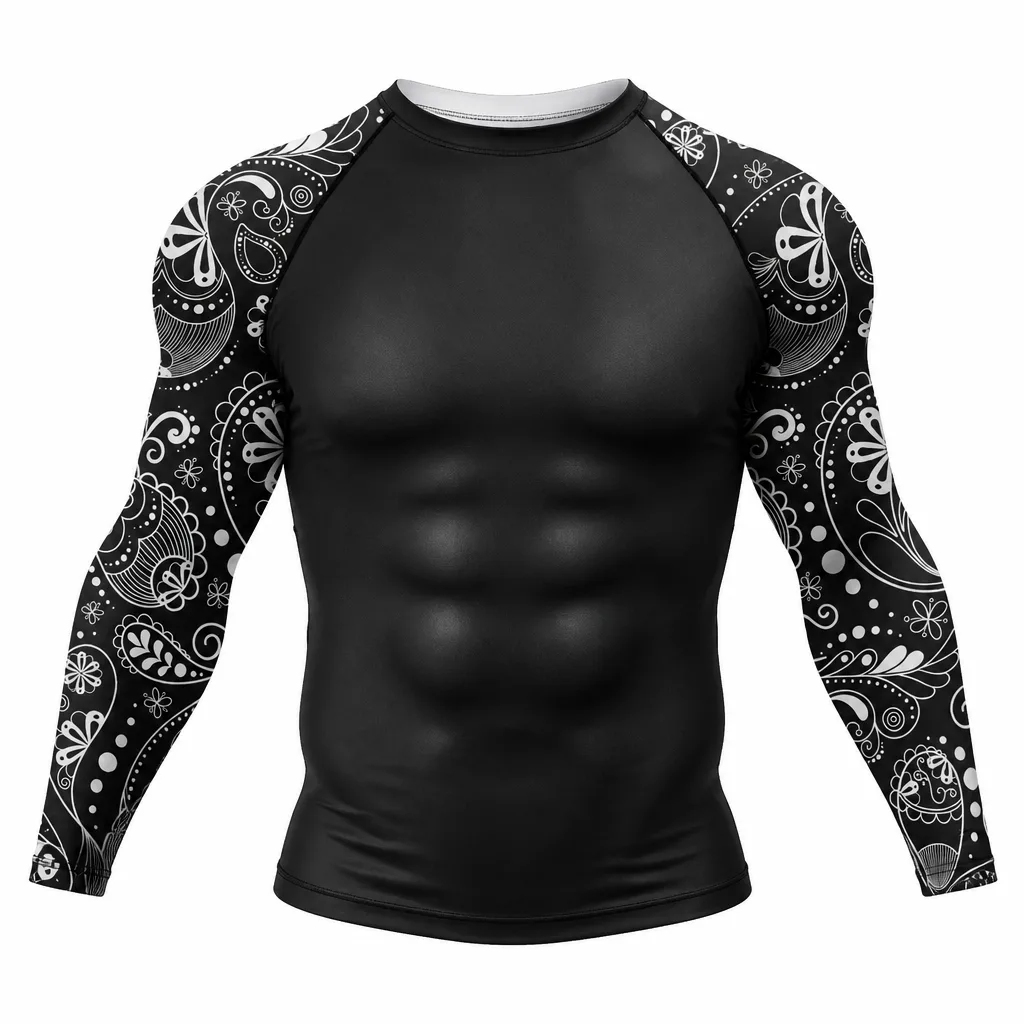
At its core, what is no gi BJJ? It's Brazilian Jiu-Jitsu practiced without the traditional kimono (gi), favoring athletic wear like rash guards, compression shorts, or spats. This shifts the game from collar-and-sleeve grips to underhooks, overhooks, and body locks.
Pace and athleticism reign supreme. Without gi friction, matches accelerate—expect more explosive entries into leg locks and guillotines. Legitimacy rules like IBJJF no-gi divisions or 10th Planet systems emphasize these adaptations.
- Grips evolve: Trade fabric for wrist rides, two-on-one control, or chest wraps.
- Positions prioritize: Guard passing becomes wrestling-style, with knee cuts over torque-based lifts.
- Submissions adapt: Twisters and heel hooks surge, demanding ankle protection gear.
For beginners, this means less focus on intricate gi knots and more on cardio. Pros I train appreciate the MMA crossover—no-gi hones the clinch work you'd see in a UFC five-rounder.
Detailed Analysis: Gi vs. No-Gi Breakdown
To grasp MMA what is no gi BJJ, compare it head-to-head with gi training. Gi BJJ is methodical, like chess with cloth levers; no-gi is blitzkrieg wrestling on steroids.
Technique Differences
In gi, a simple collar choke buys time. No-gi? That same setup crumbles without fabric, forcing darces or anacondas. From rolling with Hayabusa-clad pros, I've noticed no-gi demands superior hip escapes—slippery rash guards make retaining guard tougher.
Leg entanglements shine here. Ashi garami entries flow seamlessly without gi pants bunching up. But beware: open heels invite counters, so pros like Craig Jones drill saddle positions obsessively.
Physical Demands
No-gi spikes heart rates 20-30% higher per session, per my gym's tracking data. Sweat factor multiplies—polyester blends in our rash guard collection wick moisture better than cotton gis, preventing slips.
Durability test: I've shredded budget spats in under 50 rolls; premium ones like Venum's nylon-spandex hold up to 200+ sessions, crucial for home gym grinders.
Safety and Injury Patterns
No-gi reduces gi-related chokes but amps knee and ankle stress. Always tape joints or use supportive shin guards for stand-up transitions. Hygiene skyrockets in importance—staph risks soar without gi barriers, so post-roll showers and antifungal sprays are non-negotiable.
Honest trade-off: No-gi builds better stand-up wrestling but can neglect gi-specific finesse for IBJJF Worlds. Balance both for well-roundedness.
Practical Applications of No Gi BJJ
What is no gi BJJ for fighters? It's the ultimate MMA translator. In the cage, no fabric means no-gi rules—train it to nail Khabib-style chains from sprawls to backs.
For MMA and Wrestling Cross-Training
Wrestlers entering BJJ love no-gi's familiarity. I've coached state champions who dominate passing with single-legs, no gi needed. Muay Thai strikers use it to drill clinch breaks, pairing Fairtex shorts' mobility with takedown defense.
Training scenario: Gym sparring? Flow-roll no-gi to build endurance. Competition? ADCC-style rules test leg lock savvy.
Home Workouts and Beginner Progressions
Solo drills shine—shadow wrestling or grappling dummies in our selection mimic no-gi frictionless movement. Beginners: Start with shrimp drills on slick mats to groove escapes.
Intermediate? Partner flows with 50/50 guards. Pros: Live rolling with resistance bands for explosiveness.
Competition Formats
Events like Fight 2 Win or local no-gi opens reward aggression. Weight cuts mirror MMA—hydration via electrolyte rash guards helps. For kickboxers, it bridges striking to ground control seamlessly.
Expert Recommendations: Gear Up for No Gi Success
As a gear reviewer for Apollo MMA, I live-test everything. Here's the best what is no gi BJJ setup for training.
Essentials for Every Level
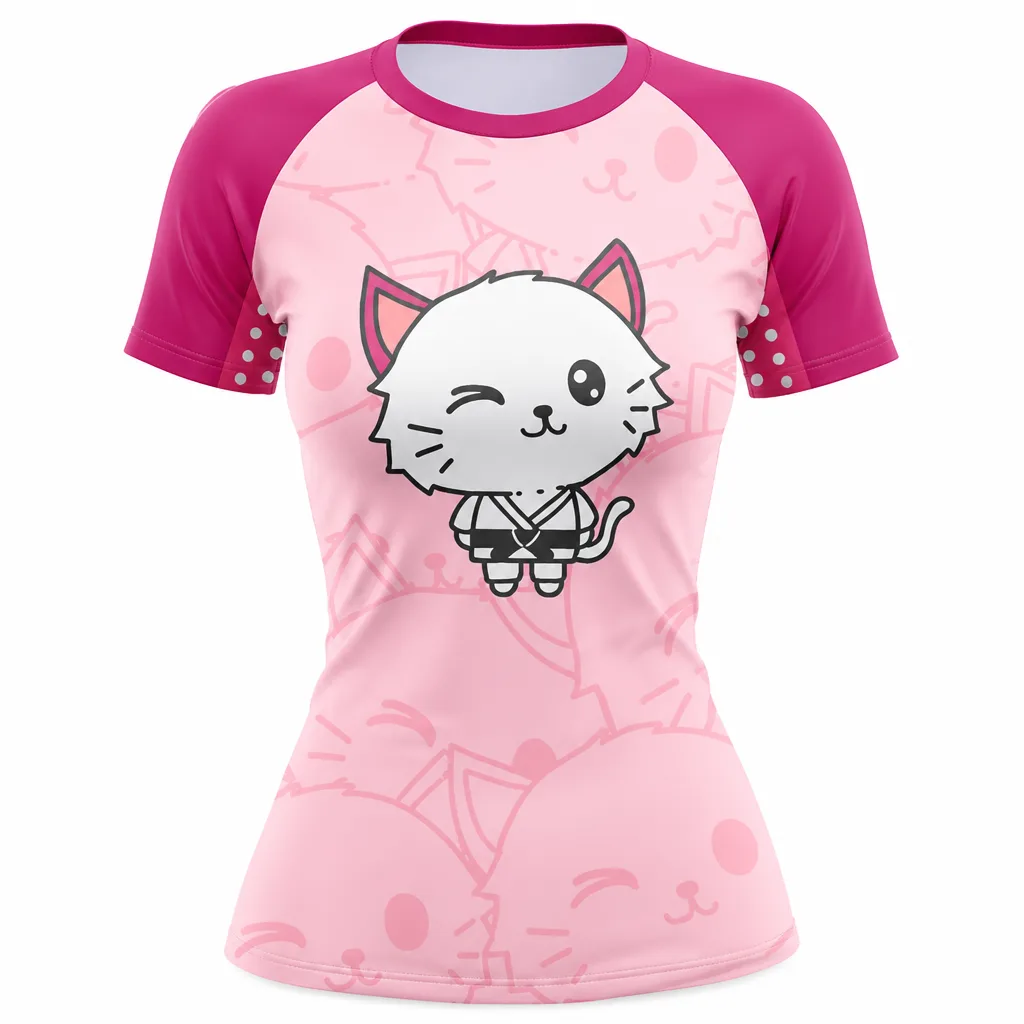
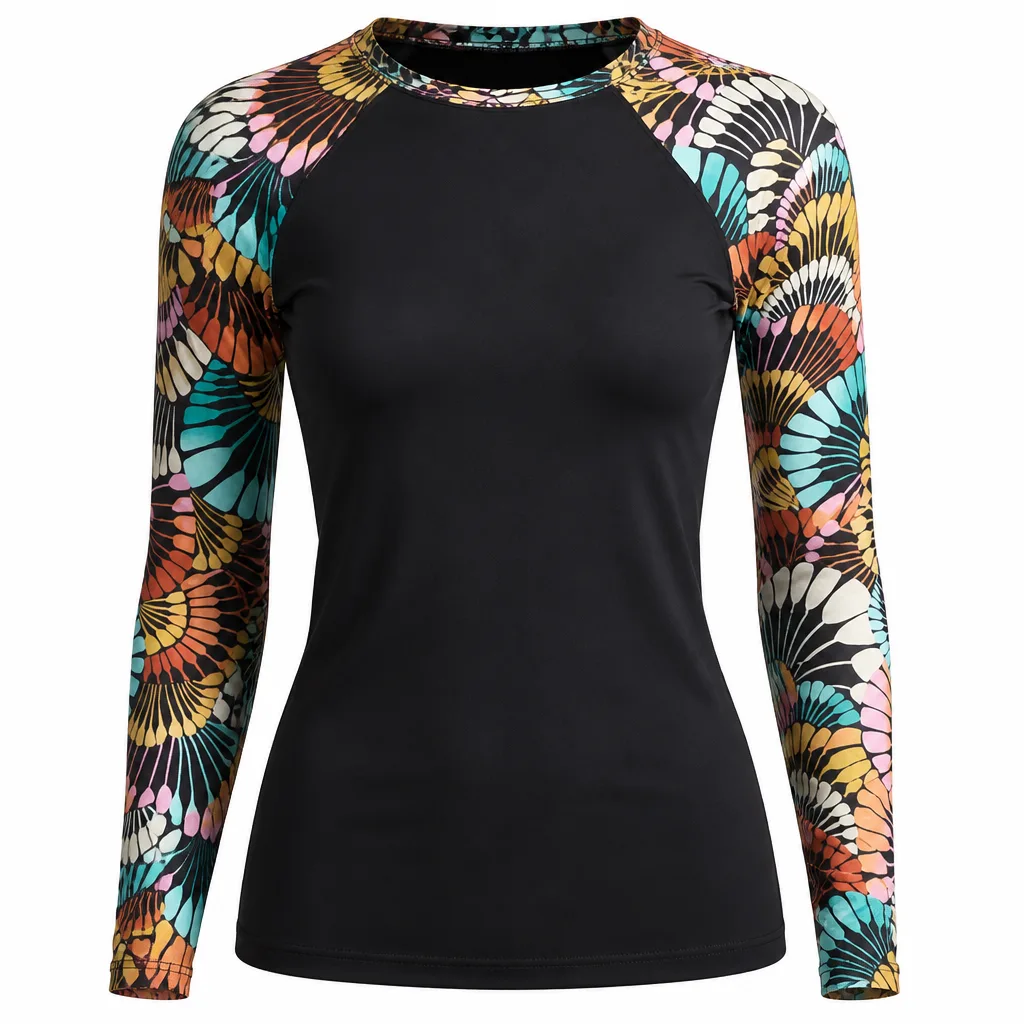
- Rash Guards: Hayabusa's Hexagon pattern offers sublimated grip zones—lasted 300 rolls without fading. Long-sleeve for skin protection; short for breathability in humid gyms.
- Shorts/Spats: Tatami's 8oz fight shorts split-proof nylon; pair with Shoyoroll spats for full coverage. Avoid cotton—they bunch and chafe.
- Footwear: Optional no-gi socks like Ringside's anti-slip for heel hook safety.
Brand Breakdown and Value Picks
| Brand | Best For | Durability Rating (1-10) | Price Range |
|---|---|---|---|
| Hayabusa | MMA Fighters | 9.5 | Premium |
| Venum | Training Volume | 9 | Mid-High |
| Tatami | Beginners | 8.5 | Affordable |
Pro tip: Sizing runs tight—size up for wrestling builds. Maintenance? Machine wash cold, air dry to preserve elasticity. Check Apollo MMA's no-gi collection for bundles saving 20%.
For advanced: Add mouthguards and ear guards—I've seen cauliflower ear flare in sweaty no-gi sessions. Not for everyone: Budget fighters, stick to basics; value trumps flash.
Conclusion: Embrace No Gi BJJ for Your Evolution
So, what is no gi BJJ for training? It's the dynamic, fabric-free path to elite grappling, blending BJJ precision with wrestling ferocity—ideal for MMA aspirants worldwide. From its Gracie origins to modern octagon dominance, no-gi equips you for real fights.
I've transformed hesitant wrestlers into no-gi beasts through targeted gear and drills. Ready to dive in? Stock up at Apollo MMA—your premium source for rash guards, shorts, and more. Hit the mats, stay consistent, and watch your game evolve. Questions? Drop a comment below.
By Michael Park, Wrestling Coach & Gear Expert at Apollo MMA