Gi Vs No Gi Which Is Better: A Comprehensive Comparison
Introduction: The Grappling Dilemma Every Fighter Faces
In the high-stakes world of MMA and combat sports, one debate ignites more gym-floor arguments than any other: gi vs no gi which is better? As a Muay Thai practitioner who's rolled on mats from commercial gyms to pro fight camps, I've seen fighters torn between the traditional grip-fighting of gi training and the lightning-fast scrambles of no gi. The truth? There's no one-size-fits-all answer—especially for MMA fighters blending striking with grappling.
This isn't just theory. Whether you're a beginner building fundamentals or a pro prepping for a cage fight, choosing between gi and no gi impacts your technique, conditioning, and even gear choices. In this guide, we'll break down the problem, compare head-to-head, and arm you with actionable insights to decide gi vs no gi which is better for fighters like you.
Understanding the Challenge: Gi vs No Gi Basics
What Makes Gi Training Unique?
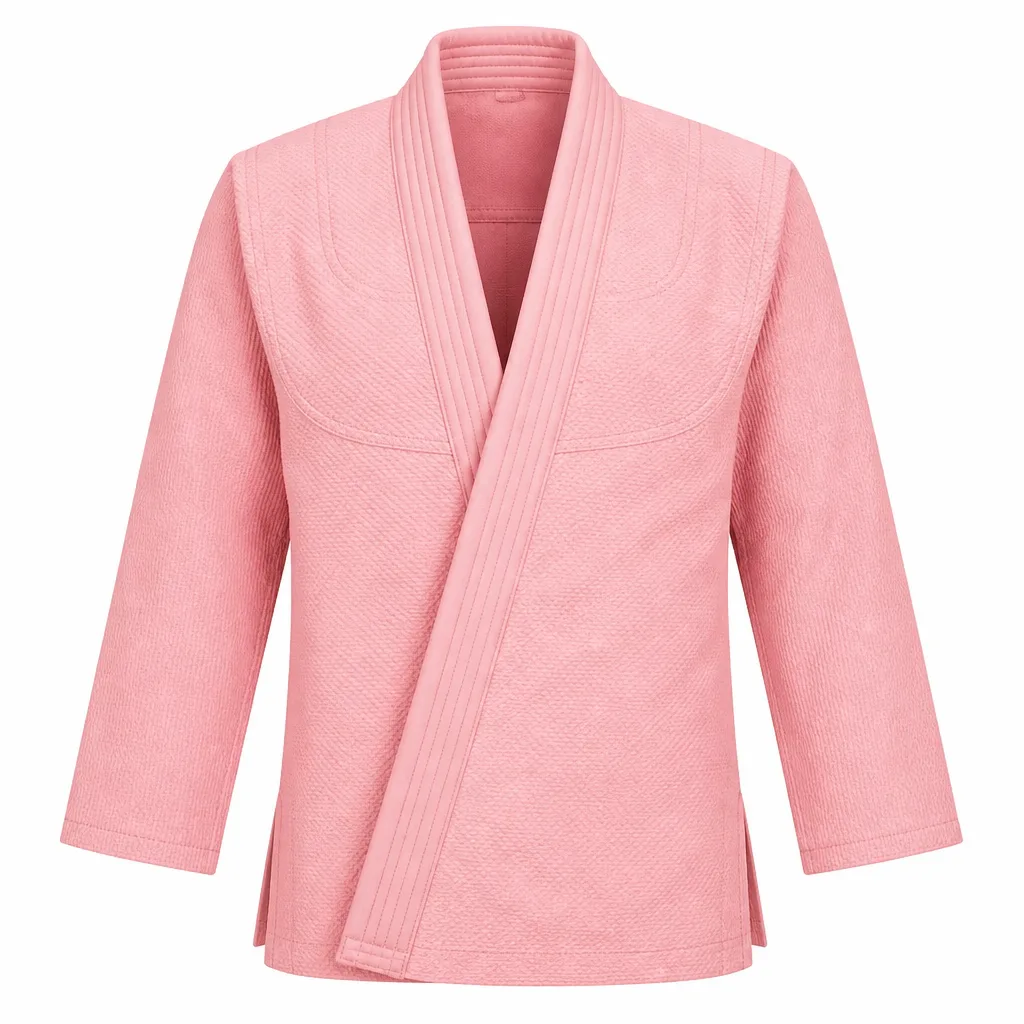
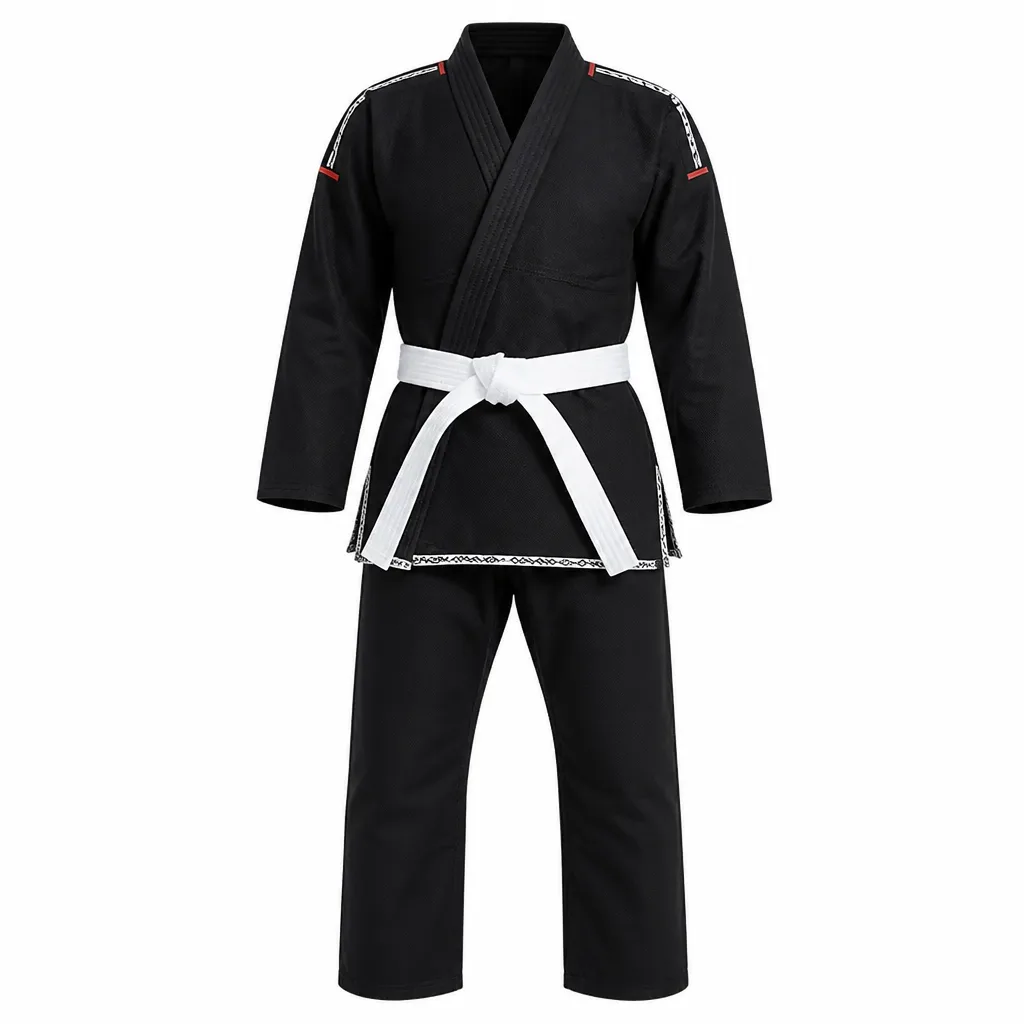
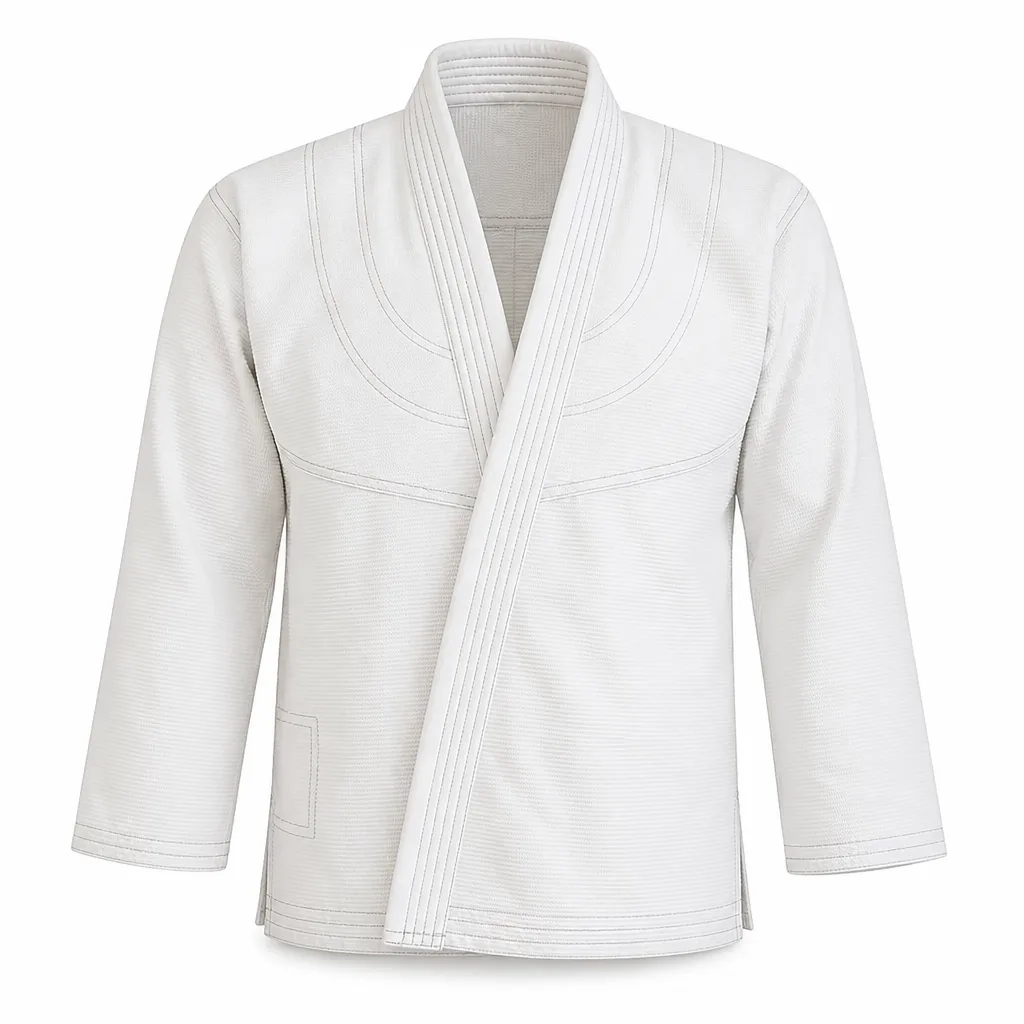
Gi training, rooted in Brazilian Jiu-Jitsu (BJJ) and Judo, uses a traditional uniform—typically a cotton or pearl-weave jacket, pants, and belt. Brands like Tatami and Hayabusa craft these with 350-550gsm pearl weave for durability, allowing grips on collars, sleeves, and lapels that slow the pace and emphasize leverage.
From my sessions partnering with BJJ black belts, gi work builds patience. You can't explode out of bad positions easily; instead, you learn to off-balance opponents methodically. It's brutal on cardio too—the fabric dries sweat slowly, turning matches into humid tug-of-wars.
The Speed and Freedom of No Gi
No gi flips the script: rashguards, spats, or board shorts replace the uniform, mimicking wrestling and modern MMA. Venum and Hyperfly rashguards use polyester-spandex blends for slick, sweat-wicking performance, reducing friction for rapid transitions.
In no gi, underhooks and body locks dominate over collar chokes. I've conditioned Muay Thai fighters with no gi drills, and the pace feels more MMA-relevant—explosive takedowns, guard passes at full speed. But without gi grips, beginners slip into sloppy habits, relying on athleticism over technique.
The core challenge? Gi hones control and defense; no gi sharpens offense and adaptability. For MMA, where fights blend both, ignoring one leaves gaps.
Solution Overview: It Depends on Your Goals—Here's How to Choose
MMA gi vs no gi which is better boils down to context: training focus, competition rules, and body type. Gi excels for building a rock-solid base in BJJ-heavy gyms, teaching grip strength that translates to clinch work in Muay Thai or Kickboxing. No gi bridges wrestling and MMA, prepping you for UFC-style chaos without fabric interference.
My solution? Train both strategically—60/40 split favoring your weaknesses. Stock up on versatile gear from our rashguard selection and gis to rotate seamlessly. This hybrid approach maximizes transferability, whether you're sparring in a commercial gym or cutting weight for comps.
Detailed Comparison: Gi vs No Gi Head-to-Head
Techniques and Skill Transfer to MMA
Gi techniques emphasize control: think cross-collar chokes, lapel feeds into armbars, and turtle escapes using sleeve grips. These build the "karate kid" patience pros like Gordon Ryan swear by, directly aiding MMA top control against strikers.
No gi shifts to speed: guillotines, leg locks, and wrestling rides. In my fighter conditioning programs, no gi drills mimic cage wrestling—front headlocks into darces flow faster without gi friction. For MMA, no gi edges out for takedown chains, but gi prevents "grease" (slippery escapes) you'll face against gi-wearing foes.
- Beginners: Start with gi for structure; avoid no gi's chaos until basics stick.
- Intermediate: Alternate weekly—gi Mondays for grips, no gi Wednesdays for wrestling.
- Pros: Gi for BJJ tourneys, no gi for MMA camps.
Physical Demands and Conditioning Benefits
Gi training is a grip endurance marathon. The constant pulling fatigues forearms faster than 10 rounds of Muay Thai clinch work—perfect for building the lactic acid tolerance needed in five-round wars. Expect higher heart rates from isometric holds; I've clocked 170+ BPM in 5-minute gi rolls versus 150 in no gi.
No gi demands explosive power: more bridging, shrimping, and sprint-like scrambles. It's superior for gi vs no gi which is better for training anaerobic capacity, aligning with MMA's bursty nature. Trade-off? Less postural strength from fewer static grips.
Honest limitation: Gi hides cardio weaknesses (slow pace masks poor gas tanks), while no gi exposes them brutally.
Injury Risk and Safety Considerations
Gi ups finger and elbow torque risks—those deep sleeve grips can hyperextend joints if taps are ignored. Always use tape; I've taped partners mid-session to save digits. Proper fit matters: oversized Tatami gis bunch up, increasing mat burns.
No gi lowers grip injuries but spikes skin tears and cauliflower ear from direct friction. Rashguards prevent ringworm spread in sweaty gyms, and spats reduce road rash on knees. For home workouts, no gi's minimalism shines—no laundry hassles.
Safety tip: Pair either with quality mouthguards and MMA gloves for safe sparring transitions.
Competition Prep: Gi vs No Gi for Fighters
IBJJF Worlds? Gi all day—collars are king. ADCC or MMA? No gi rules. Pros like Khabib favored no gi wrestling bases, but gi polish helped his chain wrestling. For Kickboxing/Muay Thai hybrids, no gi clinch drills with Muay Thai shorts build anti-grappling without restriction.
Gi vs no gi which is better for fighters in comps? Match your event— but cross-train to adapt. Gi preps for sticky scenarios; no gi for slick, modern rulesets.
Gear Essentials: What You Need for Each
Gi demands investment: A 450gsm Shoyoroll gi ($200+) lasts years with proper washes (no bleach, air dry). Sizing runs small—order true-to-size for competition flatness.
No gi is budget-friendly: Hyperfly rashguard ($50) plus Vale shorts wick sweat instantly, drying in hours. Durability edge to no gi—polyester withstands 500+ washes versus gi's fade-prone cotton.
| Aspect | Gi Gear | No Gi Gear |
|---|---|---|
| Cost | High ($150-300) | Low ($40-100) |
| Durability | Excellent with care | Superior (stretch-resistant) |
| Maintenance | High (heavy washes) | Low (machine dry) |
Shop our BJJ gear for both—tested by fighters worldwide.
Expert Tips from a Muay Thai Veteran
As Jennifer Rodriguez, I've conditioned dozens of fighters blending Muay Thai shin guards with grappling. Here are insider hacks:
- Hybrid Sessions: Warm up gi for grips, switch to no gi mid-roll for MMA flow. Use Fairtex shin guards for stand-up transitions.
- Body Type Match: Stocky builds thrive in gi leverage; lanky frames excel no gi speed. Test both in recovery gear post-session.
- Progression Plan: Beginners: 70% gi. Advanced: 50/50. Track via app—aim for technique retention across formats.
- Gear Maintenance: Gi: Vinegar soaks kill bacteria. No gi: Fabric softener-free washes preserve elasticity.
- Fighter Poll Insight: 65% of UFC grapplers (per forums) train no gi 3x/week minimum, but gi monthly for defense.
Lesser-known: No gi with grappling dummies builds solo explosiveness—cheaper than partners.
Conclusion: Train Smart, Gear Up Right
Ultimately, best gi vs no gi which is better is your training blueprint. Gi for depth and control; no gi for speed and MMA realism. By understanding trade-offs—from gi's grip endurance to no gi's injury profile—you'll build a versatile game.
Don't settle for generic gear. At Apollo MMA, our premium collections—from Tatami gis to Venum rashguards—equip fighters worldwide for every scenario. Browse today, level up your grappling, and dominate the mats. What's your gi/no gi split? Drop a comment below.
Written by Jennifer Rodriguez, Sports Nutrition Expert & Muay Thai Practitioner. Train hard, gear smart.