The Complete Guide to A Rash Guard
In the sweat-soaked chaos of an MMA sparring round or a endless BJJ rolling session, your rash guard isn't just apparel—it's armor. It shields your skin from mat burns, gi grips, and opportunistic staph while wicking away the perspiration that could turn a workout into a slippery disaster. If you're searching for how to choose a rash guard that stands up to your training demands, this guide from a BJJ black belt and strength coach is your roadmap.
Whether you're a beginner hitting the gym for the first time or a pro fighter prepping for fight camp, the right rash guard elevates performance and longevity. Drawing from years of testing gear in commercial gyms, home setups, and competition mats, I'll break down the essentials. Let's dive into what makes a rash guard elite.
1. Material and Fabric Technology: The Foundation of Performance
The backbone of any quality rash guard starts with its fabric. Cheap cotton tees might feel comfy at first, but they soak up sweat like a sponge, leading to chafing and bacterial growth during prolonged grappling. Premium options use advanced synthetics designed for combat sports.
Spandex-polyester blends dominate the market for good reason. Take Hayabusa's Token rash guards—they blend 85% polyester with 15% spandex for a four-way stretch that moves with you during guard passes or clinch knees. This combo offers compression without constriction, crucial for rash guards in MMA where you're transitioning from strikes to takedowns. In my experience coaching wrestlers, these fabrics reduce drag in no-gi scenarios, letting you explode off the mat faster.
Antimicrobial treatments are non-negotiable. Venum's Dry Tech fabric, infused with silver ions, fights odor-causing bacteria even after back-to-back classes. I've seen fighters go from pristine to swamp creature in a single Muay Thai session without this tech—don't skimp here. For hotter climates or high-volume training, look for moisture-wicking properties rated UPF 50+ for sun protection during outdoor Kickboxing drills.
- Polyester-dominant (80-90%): Quick-dry, durable for pros; ideal for BJJ and Wrestling.
- Spandex-heavy (20%+): Superior stretch for dynamic MMA movements; best for beginners building flexibility.
- Nylon blends: Ultra-smooth for grappling; Tatami's Elements line shines in humid home gyms.
Trade-off? Higher-end fabrics like these cost more upfront (expect $40-80), but they outlast bargain bins by 2-3x in wash cycles. Always check for flatlock seams to prevent irritation during shrimping drills.
2. Fit and Sizing: Compression vs. Comfort in Real Training
A baggy rash guard bunches up under a gi or during sprawls, while one too tight hampers breathing in prolonged rounds. How to choose a rash guard for fighters boils down to dialed-in fit—snug like a wetsuit, not a sausage casing.
Brands vary wildly in sizing, so consult our size guide before buying. Hayabusa runs athletic and true-to-size for muscular builds, perfect for intermediate MMA practitioners exploding into double-legs. Venum offers a slimmer Euro cut that flatters leaner frames in Boxing or Kickboxing, but it might ride up on stockier wrestlers without thumb loops.
From coaching hundreds of athletes, I've learned body type trumps label size. Ectomorphs thrive in short-sleeve versions for armbar escapes; endomorphs need long-sleeve for full torso coverage against elbow strikes. Test fit by raising arms overhead—if it lifts more than an inch at the waist, size up. In competition BJJ, a second-skin fit prevents gi pulls from exposing skin.
Practical tip: Layering matters. Pair with compression shorts for Muay Thai clinch work; the rash guard's silicone waistband grip keeps everything locked. Beginners often overlook this—leading to mid-roll adjustments that cost positions.
Pro Insight: In 95°F garage sessions, a properly fitted rash guard drops perceived body temp by 2-3 degrees via compression and evaporation. Baggy alternatives? Recipe for heat exhaustion.
3. Features and Design: Beyond Basics for Specialized Training
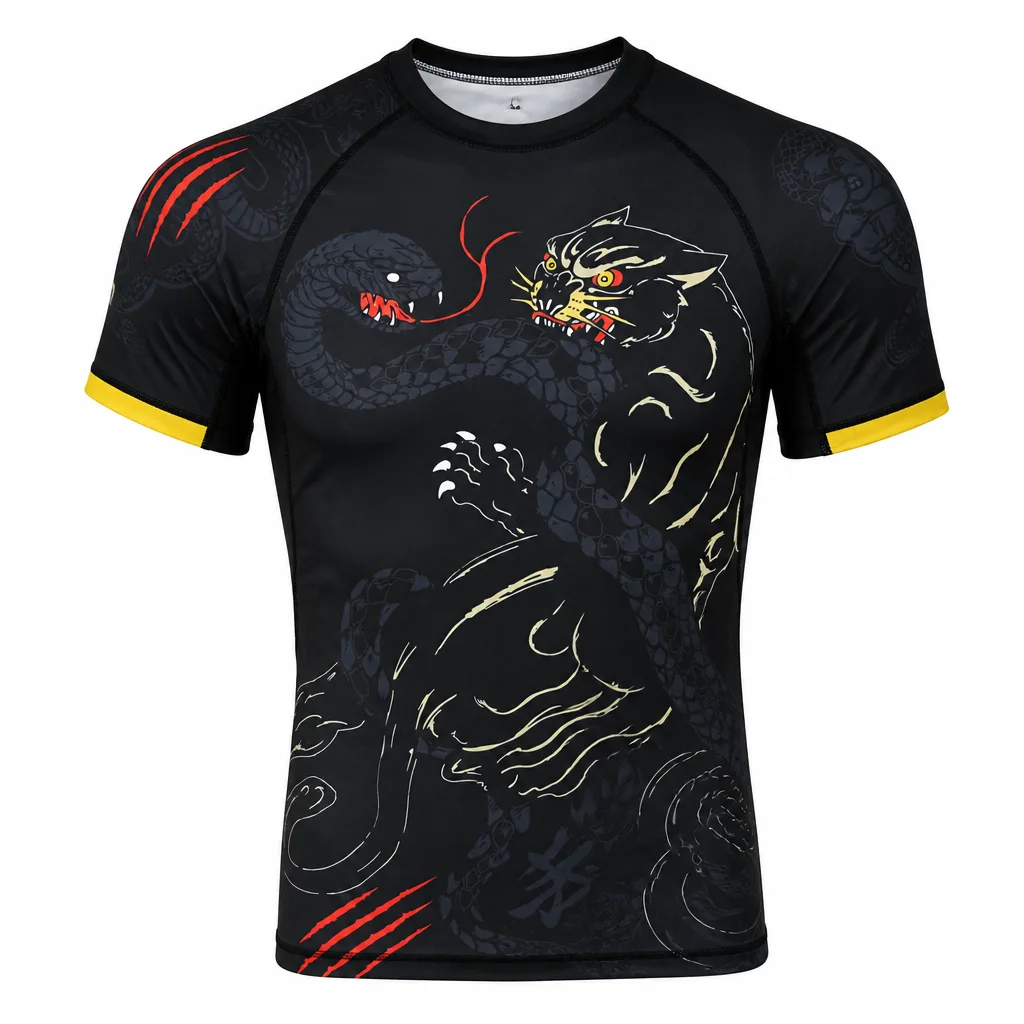
Entry-level rash guards stop at fabric and fit, but elite ones pack game-changers. Sublimated prints aren't just aesthetic—Venum's no-fade graphics withstand 100+ washes, motivating you through fight camp slumps.
Key features for how to choose a rash guard for training:
- Thumb and cuff loops: Essential for BJJ sleeve grips; prevent ride-up in guard retention. Fairtex nails this for Muay Thai elbow wars.
- Reinforced stitching: Double-needle seams on shoulders endure backpack carries and partner drills. Ringside's heavy-duty lines hold for pros slamming opponents.
- Ventilation panels: Mesh underarms in Shoyoroll no-gi rash guards breathe during Wrestling scrambles.
- IAAF/flat seams: Minimize mat burns; critical for no-gi comps.
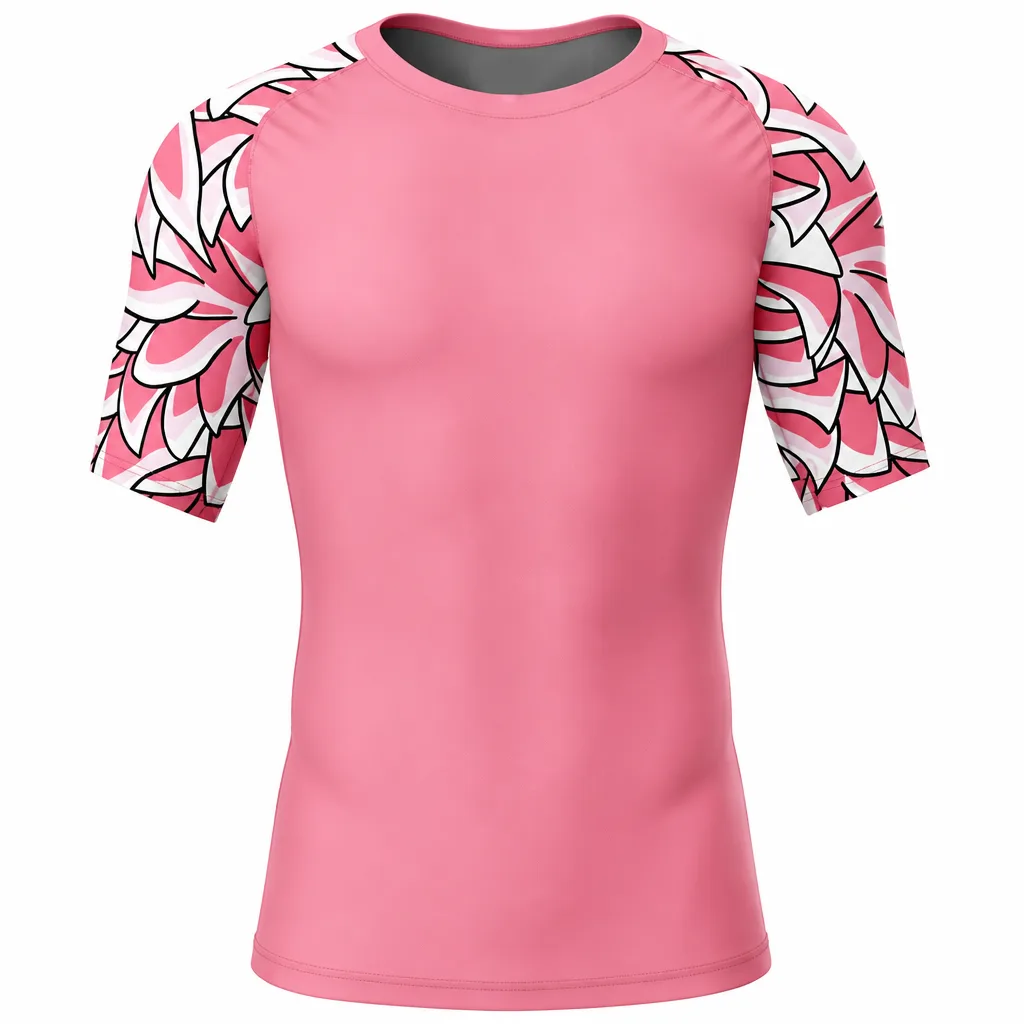
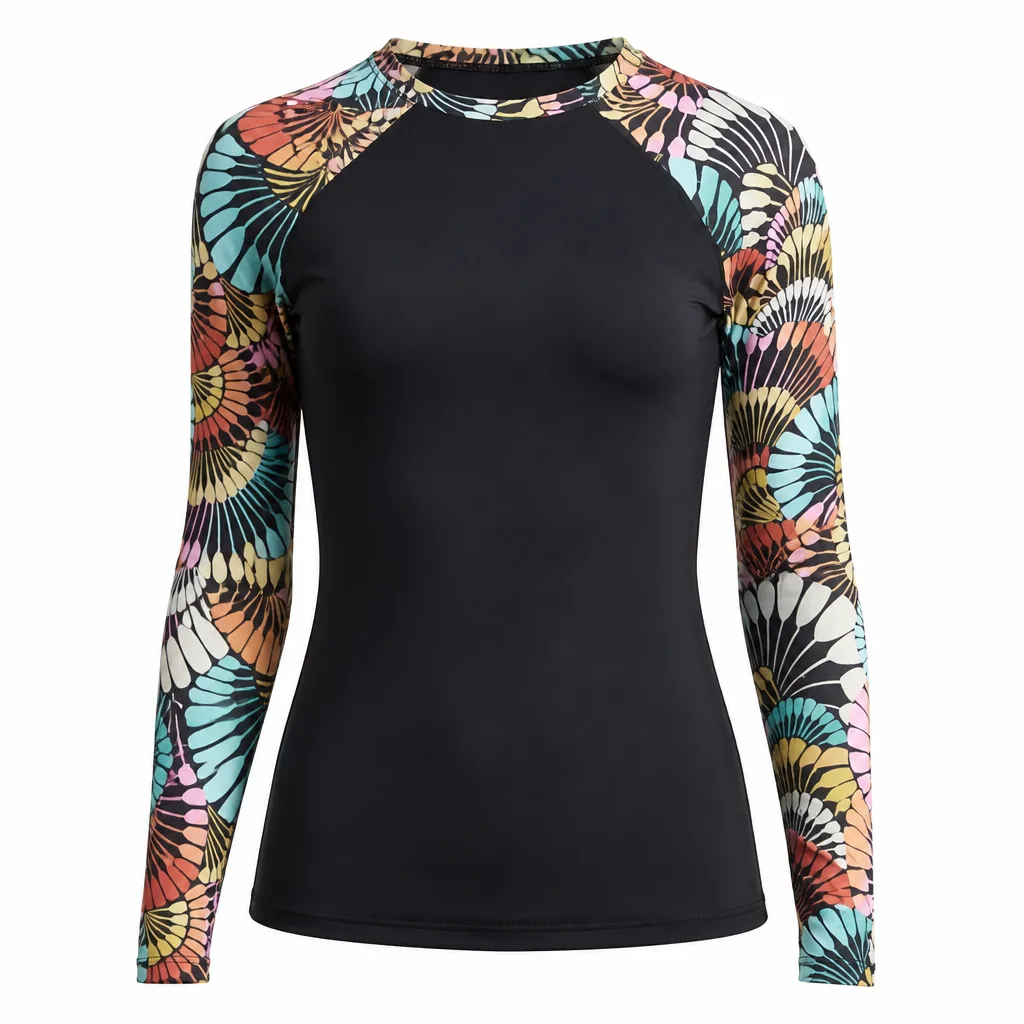
For women, contoured seams and raglan sleeves (like in Tatami women's cuts) enhance mobility without gaping. Safety note: Avoid velcro closures—they snag hair and skin in close quarters. Maintenance is simple: cold wash inside-out, air dry to preserve elasticity. Neglect this, and your $60 investment shrinks to kid-size after 10 cycles.
Different disciplines demand tweaks. MMA fighters prioritize all-over compression for ground-and-pound; pure grapplers want buttery slides. Home workout enthusiasts? Pick affordable, versatile short-sleeves for bodyweight circuits.
Comparison Overview: Sleeves, Cuts, and Brands Head-to-Head
Not all rash guards are created equal—here's a no-BS breakdown tailored to your needs.
| Style/Brand | Best For | Pros | Cons | Price Range |
|---|---|---|---|---|
| Short-Sleeve (Hayabusa Token) | MMA Striking, Boxing | Max arm mobility, quick-dry | Less torso protection | $45-60 |
| Long-Sleeve (Venum Solid) | BJJ, Wrestling | Full coverage, antimicrobial | Hotter in clinch | $50-70 |
| No-Gi Competition (Tatami Elements) | Grappling Tourneys | Sublimated, reinforced | Premium price | $55-80 |
| Women's Cut (Ringside) | Muay Thai, Kickboxing | Contoured fit, breathable | Limited colors | $40-55 |
Hayabusa edges for durability in pro camps; Venum wins value for gym rats. For MMA how to choose a rash guard, long-sleeve compression crushes it. Beginners: Start short-sleeve to test waters without overheating.
How to Choose: Your Step-by-Step Playbook
Ready to pick the perfect one? Follow this fighter-tested process for the best how to choose a rash guard.
- Assess your discipline: Grappling? Long-sleeve. Striking? Short. Hybrid MMA? Versatile long with vents.
- Match your intensity: 3x/week gym? Mid-tier ($40-60). Daily pro training? Invest in Hayabusa/Venum ($60+).
- Prioritize fit: Use our size guide; try on if possible or size exchange.
- Check features: Antimicrobial? Seams? Loops? Must-haves for safety.
- Budget smart: Apollo MMA's rash guards collection balances price and performance—no junk.
- Test in scenario: Wear for a full class; return if it shifts.
Anticipating questions: For kids or youth? Scaled-down versions from Everlast work. Big & tall? Venum XXL stretches true. Wash longevity? 50-100 cycles with proper care.
Final Thoughts: Gear Up Right, Train Harder
Choosing the right rash guard transforms sloppy sessions into focused mastery. It's not about flash—it's protection, mobility, and confidence that let you tap into your potential, whether drilling armbars or shadowboxing hooks. At Apollo MMA, we stock only battle-tested gear from top brands, vetted for real-world abuse.
Grab yours from our rash guards collection today and feel the difference. Questions on pairing with shorts or gis? Drop a comment—I've got you. Train smart, stay safe, and keep rolling.
—Sarah Chen, BJJ Black Belt & Apollo MMA Gear Expert