Why BJJ Gi for Traveling Matters for Combat Sports
Picture this: It's 2012, and I'm in Thailand for a Muay Thai training camp after a grueling MMA fight prep back home. My duffel bag is stuffed with gloves, shin guards, and a bulky traditional BJJ gi that takes up half the space. By day three, after a sweaty roll session at a local academy, that gi is damp, wrinkled, and impossible to pack without smelling up the entire hostel. That's when I learned the hard way why a bjj gi for traveling isn't just a luxury—it's a game-changer for any fighter hitting the road.
As Marcus Silva, a former professional MMA fighter with over 15 years in the cage and countless miles traveled for camps, seminars, and competitions, I've tested gear in gyms from Las Vegas to Rio. Today, for Apollo MMA, I'm breaking down why investing in the right MMA bjj gi for traveling keeps your training consistent, no matter where life takes you. Whether you're a beginner jetting to your first BJJ open mat or a pro chasing golds abroad, this guide has you covered.
Expert Perspective: My Hands-On Take on Travel-Ready BJJ Gis
From rolling with black belts in Austin to drilling wrestling takedowns in Istanbul, I've packed more gis than I can count. The best bjj gi for traveling boils down to three pillars: packability, quick-dry performance, and durability under duress. Standard 450gsm pearl weave gis? Great for local gyms, but they balloon in your suitcase and take days to dry in humid climates.
Take the Hayabusa Wick Away Gi—I've worn it through 10-day camps in Southeast Asia. Its 350gsm microfiber blend compresses to the size of a T-shirt, weighs under 1.5 pounds dry, and sheds water in under two hours. In contrast, heavier Tatami Elements gis shine for home training but falter on the road due to their cotton-heavy construction, which retains moisture like a sponge.
Performance in Real Training Scenarios
For bjj gi for traveling for fighters, consider your discipline. MMA practitioners need gis with reinforced knees for guard passing and sprawls, like Venum's Gi Elite, which holds up in no-gi/MMA hybrid sessions. BJJ purists might prefer Shoyoroll's Microfiber Wave, praised by pros like Gordon Ryan for its grip strength without the bulk.
- Sparring abroad: Lightweight gis prevent chafing during high-volume sessions in non-AC gyms.
- Competition travel: IFF-compliant models like these ensure you're tournament-ready without extra luggage fees.
- Home workouts on the go: Quick-dry fabrics mean you can train in hotel rooms and hang-dry overnight.
Pro tip from my octagon days: Always size down for travel gis. A standard A2 fits looser for mobility; travel versions hug tighter to reduce drag in your bag.
Industry Insights: What Top Fighters and Brands Are Saying
The combat sports world is buzzing about travel gear as globalization ramps up. Fighters like Craig Jones and Nicky Ryan swear by ultralight gis for seminar circuits—Jones even packs two Hayabusas for a month-long tour. Brands are responding: Tatami's Flight Gi uses 100% polyester ripstop that's 40% lighter than cotton weaves, while Ringside's travel line incorporates anti-microbial silver threading to combat gym funk on long hauls.
Industry standards from the IBJJF emphasize pre-shrunk fabrics for consistency, but travel gis push boundaries with nano-weave tech. Everlast's Pro Style Travel Gi, for instance, survives 500+ washes without fading, a claim backed by their lab tests. For Muay Thai/BJJ cross-trainers, Fairtex hybrids blend clinch-friendly collars with packable panels.
Check out our BJJ gi collection at Apollo MMA for these fighter-favorites. We've curated options that balance price and performance, from $100 entry-level to $250 pro specs.
Material Breakdown: Cotton vs. No-Gi Hybrids vs. Synthetics
| Material | Pack Size | Dry Time | Best For |
|---|---|---|---|
| Cotton Pearl Weave (450gsm) | Large | 24+ hours | Local comps |
| Microfiber/Synthetic (350gsm) | Compact | 1-2 hours | Bjj gi for traveling for training |
| Hybrid Ripstop | Ultra-small | 30 mins | MMA road warriors |
Honest take: Synthetics grip less than cotton for advanced collar chokes, so they're ideal for drilling but pair with a traditional gi for tourneys.
Practical Advice: Packing and Maintaining Your Travel Gi
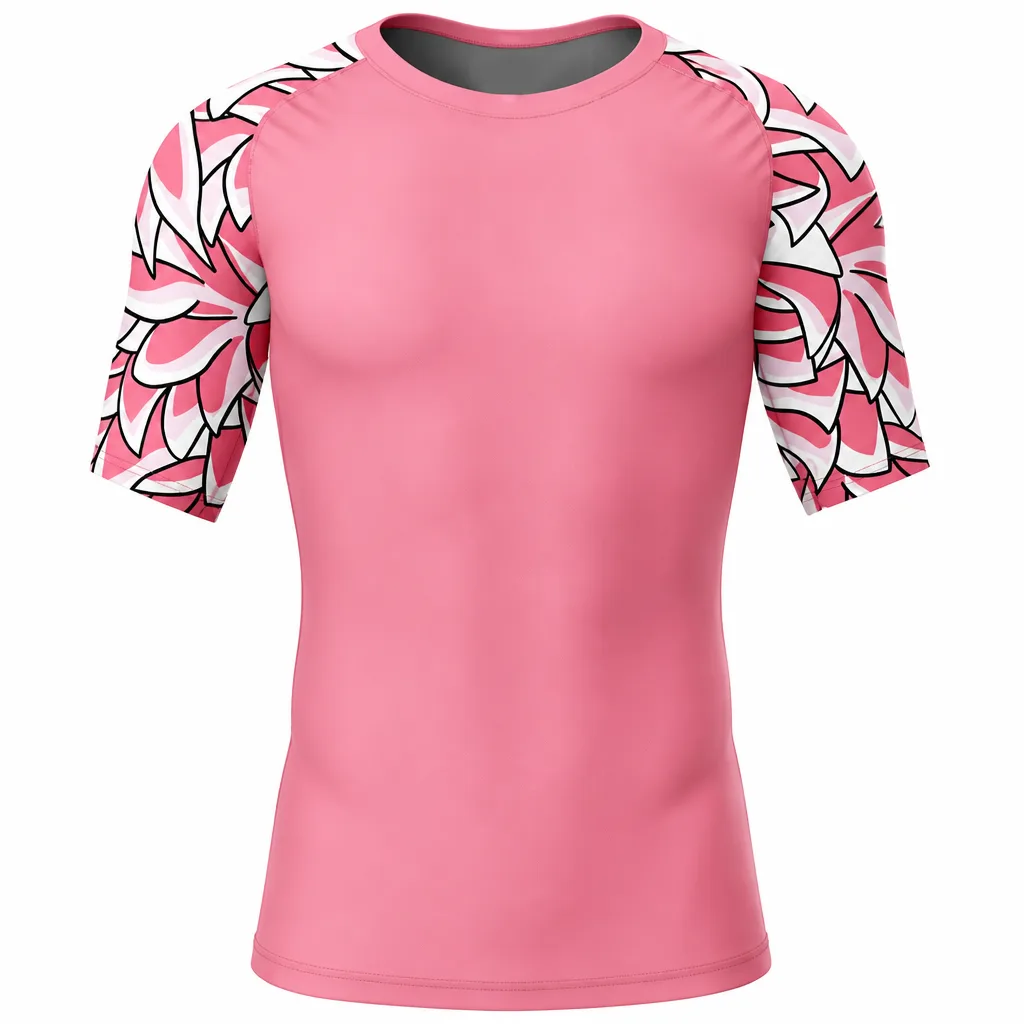
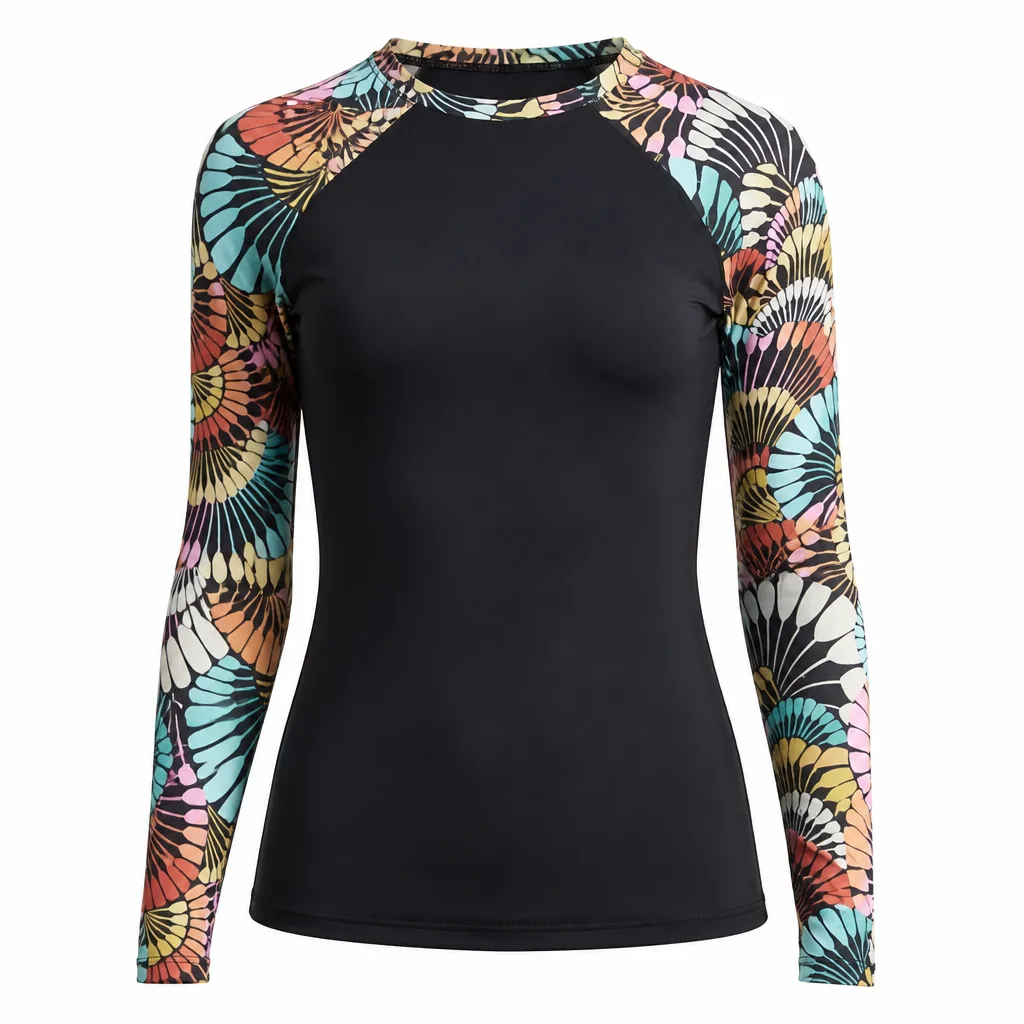
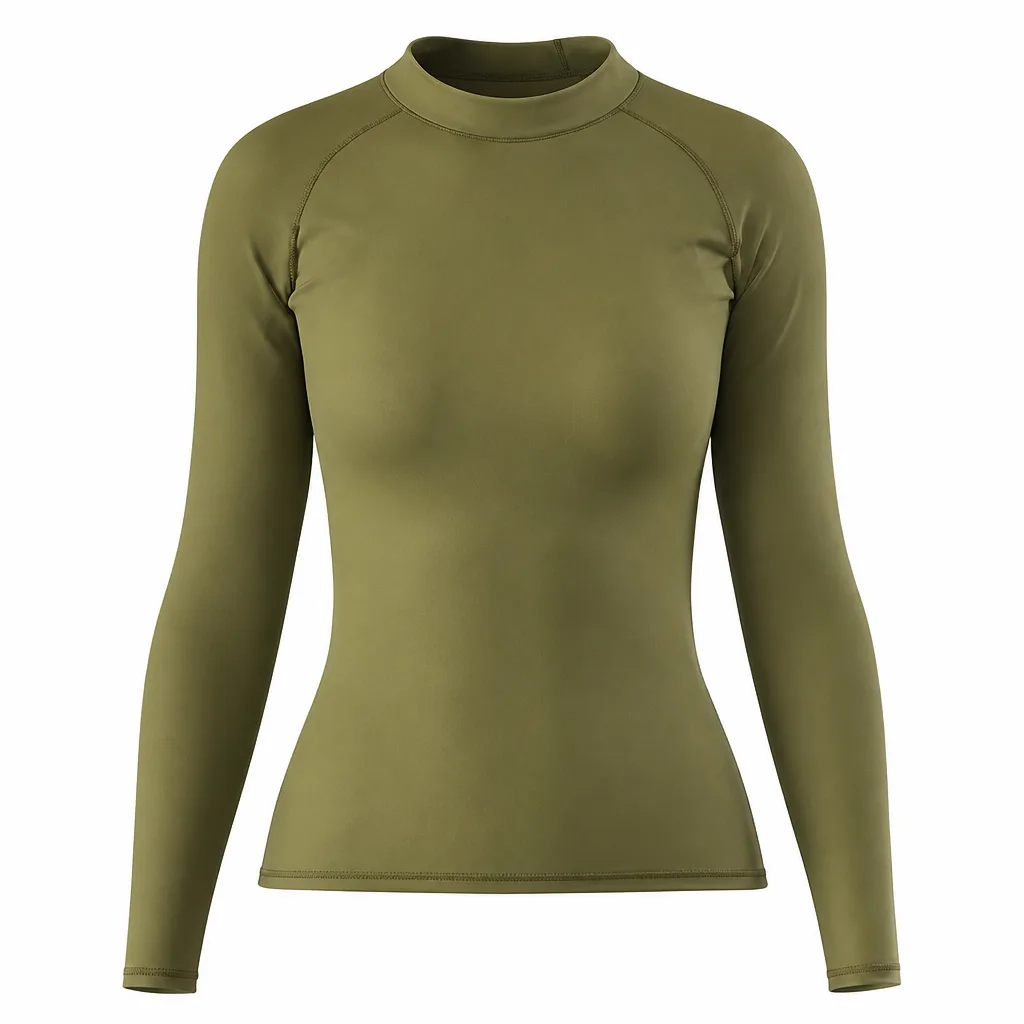
Packing a bjj gi for traveling starts with compression. Roll it inside a dry bag with silica packs—I've kept mine fresh for 14-hour flights this way. For training, layer with our travel rash guards to wick sweat and prevent mat burns in unfamiliar gyms.
Washing on the road? Skip hotel dryers; spot-clean with athletic spray and air-dry over AC vents. For longevity, reinforce pant cuffs post-wash— a simple stitch kit saved my Venum gi during a Wrestling camp in Dagestan.
Choosing the Best BJJ Gi for Traveling by Skill Level
- Beginners: Opt for budget synthetics like Everlast—forgiving on new grips, under $120.
- Intermediate: Tatami Flight for balanced weight and IBJJF approval.
- Advanced/Pro: Hayabusa or Shoyoroll—custom fits available via our custom gear page.
Safety first: Travel gis with padded necks reduce injury risk in rough rolls. For Kickboxing/MMA, pair with lightweight shin guards to complete your kit.
Common Mistakes to Avoid with BJJ Gis on the Go
Don't overload your bag with multiples—two quality gis rotate fine for most trips. Avoid cheap no-name Amazon gis; they rip on first guard pull, stranding you gi-less mid-camp. Overlooking sizing leads to blisters; always try pre-travel with a 20-minute roll.
Another pitfall: Ignoring climate. In tropical spots like Bali, cotton soaks up sweat, breeding bacteria—stick to synthetics. And never pack wet; it invites mold that no amount of washing fixes.
Price trap: Flashy $300 gis aren't always best. Mid-range like our Venum picks offer 90% performance at half the cost, perfect for frequent travelers.
Future Outlook: What's Next for Travel BJJ Gear
Expect smarter fabrics: Self-cleaning nano-coatings from brands like Venum are in beta, zapping bacteria on contact. Ultralight carbon-fiber reinforcements could slash weights further without sacrificing strength—watch Hayabusa lead here.
With remote work booming, more fighters train nomadically. BJJ/MMA hybrids will dominate, blending gi pants with no-gi tops for versatility. At Apollo MMA, we're stocking these innovations first—stay tuned via our MMA gear reviews blog.
Sustainability matters too: Recycled polyester gis from Twins and Fairtex reduce your footprint without bulk.
Summary: Gear Up Smart for Your Next Adventure
A solid bjj gi for traveling for fighters keeps your edge sharp worldwide. From my camps in Thailand to your next seminar, prioritize packable, quick-dry synthetics like Hayabusa or Tatami. Weigh trade-offs honestly—grip vs. convenience—and invest in quality from Apollo MMA's collection.
Drop your travel gear horror stories in the comments. Train hard, pack light, and conquer the mats anywhere. Oss!
By Marcus Silva, Former Pro MMA Fighter & Apollo MMA Gear Expert