The Complete Guide to BJJ Gi for Training
By Sarah Chen, Brazilian Jiu-Jitsu Black Belt and Certified Strength & Conditioning Coach
Introduction: From Judo Roots to Modern BJJ Training Essential
The Brazilian Jiu-Jitsu gi traces its lineage back to the early 20th century, when judokas like Mitsuyo Maeda brought the kimono-style uniform to Brazil. What started as a durable garment for throws and grips evolved into the cornerstone of BJJ training worldwide. Today, a quality bjj gi for training isn't just traditional attire—it's engineered for the grind of daily rolls, sparring, and technique drills.
As someone who's rolled thousands of hours on the mats, from humid Brazilian academies to air-conditioned U.S. gyms, I've seen how the right gi transforms sessions. For MMA fighters blending BJJ with striking arts like Muay Thai or wrestling, an MMA BJJ gi for training offers grip advantages without the bulk of competition-spec models. Whether you're a beginner building fundamentals or a pro prepping for tournaments, this guide breaks down everything you need to choose the best BJJ gi for training.
Expert Perspective: Hands-On Insights from the Mats
In my decade-plus as a BJJ black belt, I've tested gis across brands and weaves during everything from open mats to private coaching sessions. Take the classic pearl weave: at 350-450gsm, it strikes a balance for bjj gi for training for fighters who need durability without fatigue. Heavier gold weaves (550gsm+) excel in grip-fighting heavy sessions but can drag during no-gi transitions common in MMA camps.
One real-world observation? During a recent seminar with intermediate wrestlers crossing into BJJ, I noticed Hayabusa's H3 gi—no-stitch reinforcements prevented the common collar tears from double-lapel chokes. Lighter athletes under 150lbs swear by Tatami Elements for its breathability in hot home gyms, while heavier grapplers favor Venum Elite for reinforced knees that withstand knee-cut passes.
I've ripped cheap cotton gis in under 20 sessions; premium ones like Shoyoroll Wave endure 200+ washes. For MMA practitioners, I prioritize gis with shorter cuffs to pair seamlessly with compression shorts, reducing snags during sprawl-to-guard recoveries.
Industry Insights: Materials, Standards, and Brand Breakdown
The BJJ gi market has matured, with IBJJF standards dictating competition specs like jacket length and belt loops. For training, however, flexibility reigns. Pearl weave dominates as the best BJJ gi for training due to its balanced 350-450gsm density—porous enough for sweat evaporation yet tough for sustained grips.
Gold weave, at 550-650gsm, mimics old-school judo gis and suits advanced players in wrestling-heavy environments. Bamboo blends, like those in some Tatami models, add antimicrobial properties ideal for commercial gyms shared by Muay Thai and kickboxing classes. Avoid 100% cotton unless pre-shrunk; it balloons post-wash, altering fit.
- Durability Leaders: Hayabusa's ripstop pants resist barbell tears during strength sessions; Venum's double-weave collars hold up to bow-and-arrow chokes.
- Weight Classes: A1 (under 165lbs) benefits from fitted cuts like Origin Fighter; A2+ (165-195lbs) needs roomier Shoyoroll Micro.
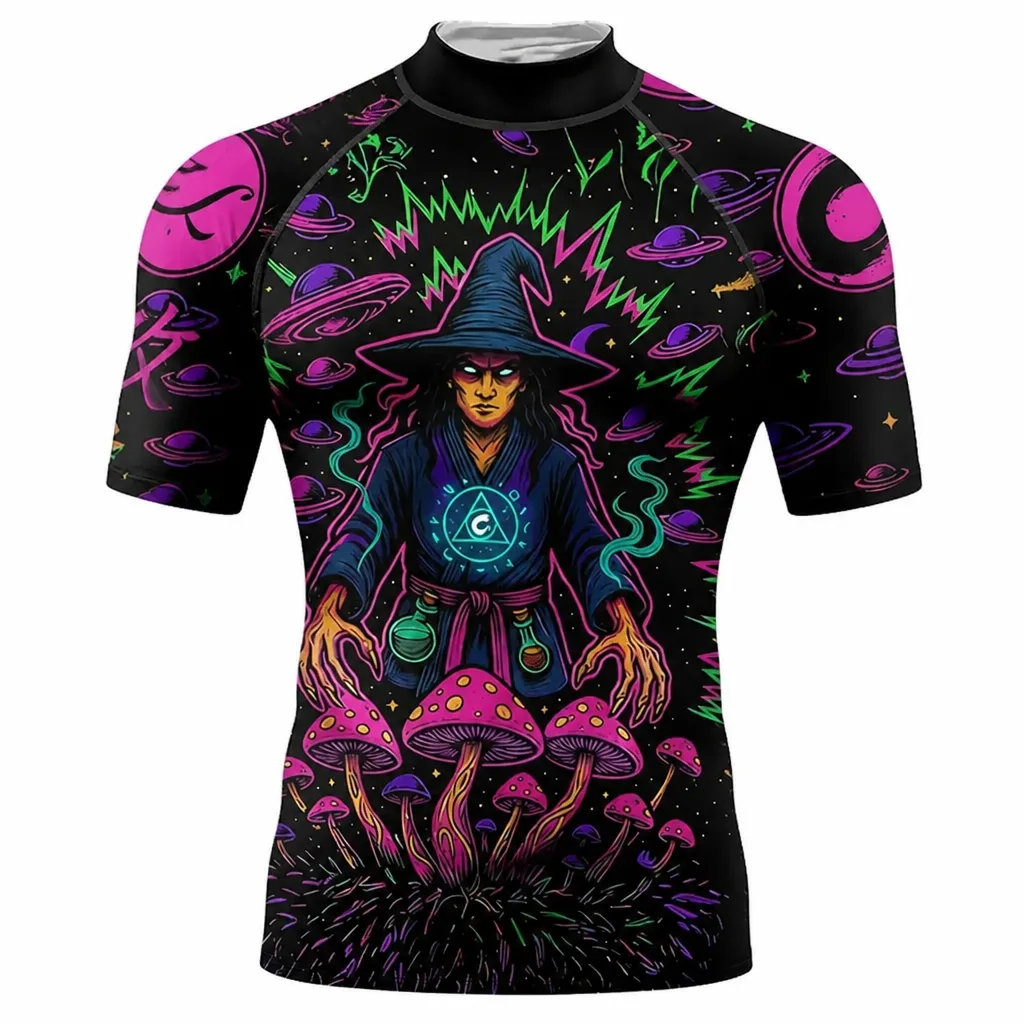
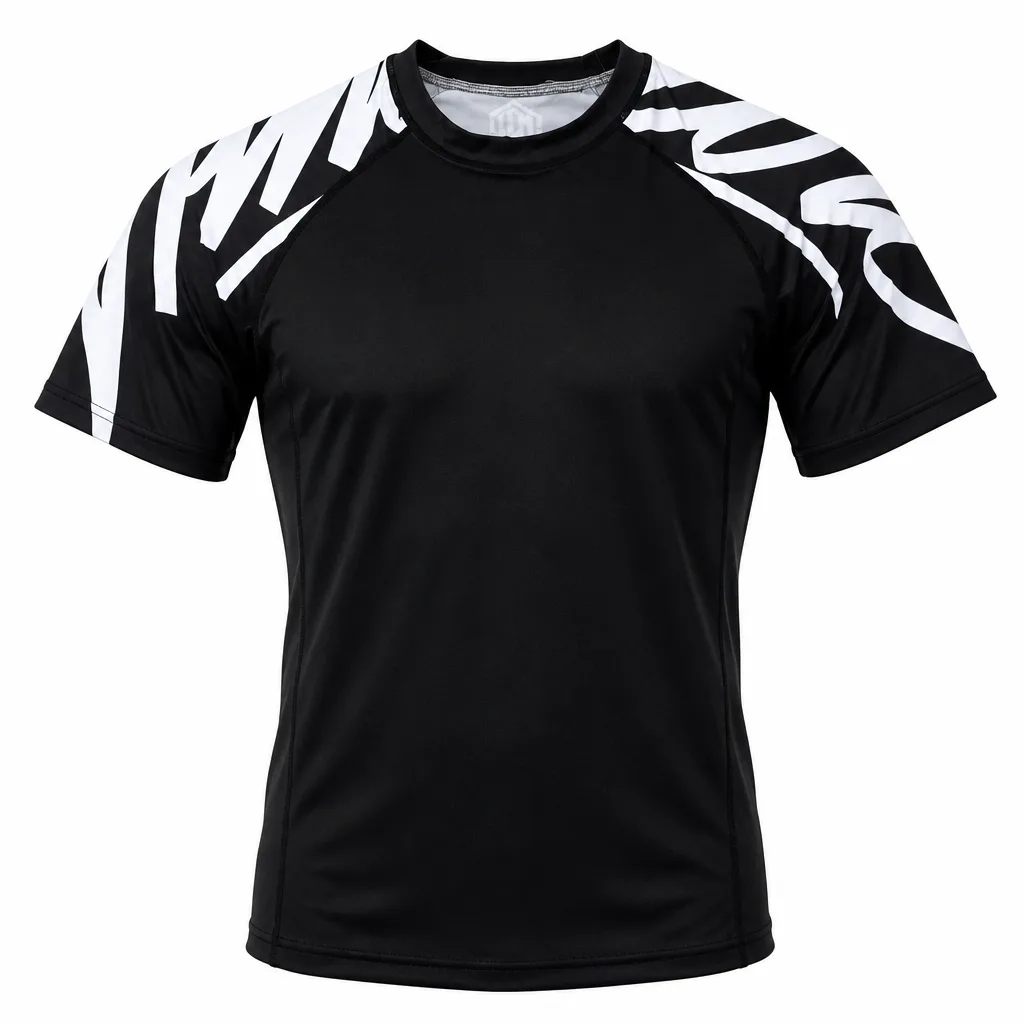
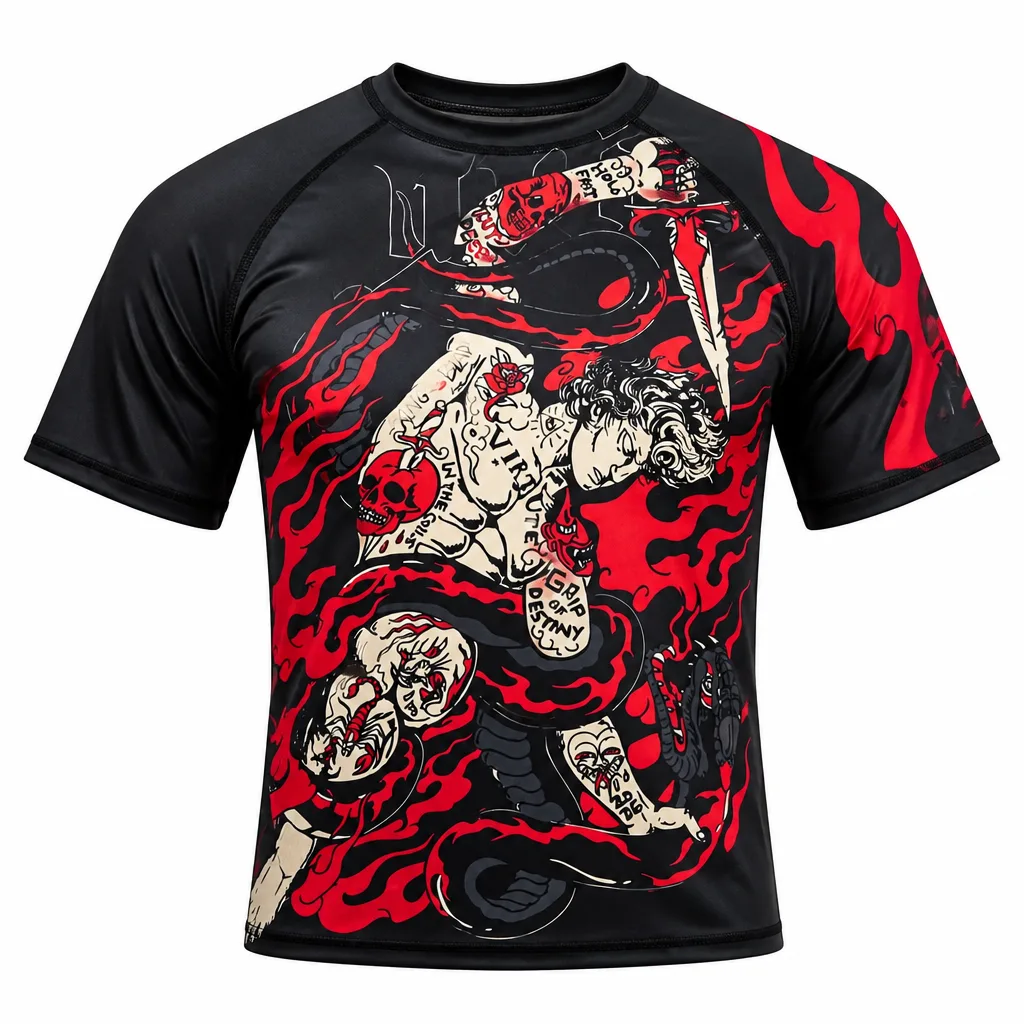
- MMA-Specific: No-gi hybrids with rash guard integration shine for cross-training fighters.
Price reflects longevity: $150-250 gis last 2-3 years of 5x/week training, versus $80 knockoffs failing in months. Always check for flatlock stitching to prevent chafing during inverted guard work.
Sizing Nuances for Every Body Type
Sizing isn't one-size-fits-all. Japanese cuts (e.g., Atama) run small for stocky builds, while Brazilian styles (Fuji) offer more sleeve length for long-limbed kickboxers transitioning to BJJ. Consult our size guide before buying—I've coached clients who downsized post-shrinkage and gained better control in closed guard.
Practical Advice: Selecting and Using Your BJJ Gi
Match your gi to your training scenario. For gym rolls 4-5x/week, opt for a mid-weight pearl weave bjj gi for training for training partners. Beginners: Start with forgiving fits like Hayabusa Konstruct for mobility drills. Pros: Custom-tailored for comp sims, but training gis should be "broken in" for realism.
In MMA contexts, pair with 4oz gloves for clinch work—Venum's reinforced pants prevent rips from shin guards. Home workouts? Lightweight bamboo for solo drilling without mat burns.
- Pre-Purchase Test: Tug cuffs and collar; quality resists stretching.
- Wash Protocol: Cold water, hang dry—hot cycles shrink 10-15%.
- Maintenance Hacks: Vinegar soaks kill gi funk; avoid bleach on dyes.
For sparring safety, ensure pants hem above ankles to dodge footlocks. Integrate with our [training tips](/blogs/training) for gi-specific drills that build grip endurance without overuse injuries.
Training Scenarios Tailored to Skill Levels
Beginners in commercial gyms: Breathable, affordable Tatami Nova for white belt chaos. Intermediates blending BJJ with boxing: Hayabusa with padded collars for headlock transitions. Advanced MMA fighters: Multi-weave like Ringside hybrids for no-gi/gi switches. Pros pre-comp: IBJJF-legal but trained-in for 6-8 months.
Common Mistakes to Avoid When Buying a BJJ Gi
Don't chase the cheapest option—thin polyester blends tear under armbar pressure, risking skin exposure in co-ed classes. Oversizing leads to sloppy grips; I've seen pros tap early from poor control in baggy gis.
Skipping shrinkage tests? A new A2 becomes A1 after one hot wash. Neglecting pants durability ignores knee rides common in wrestling crossovers. And for MMA folks, avoiding gi shorts hybrids means constant readjustments during takedown chains.
Finally, ignoring body type: Ectomorphs need tailored fits; endomorphs prioritize stretch panels. These pitfalls cost time and money—stick to reputable brands at Apollo MMA.
Future Outlook: Innovations Shaping BJJ Gis
Graphene-infused fabrics promise self-cleaning gis, cutting maintenance for busy fighters. Sustainable bamboo-rayon hybrids from brands like Tatami reduce environmental impact without sacrificing grip. Expect more MMA-focused designs: integrated compression layers for no-gi fluidity and reinforced zones for shin guard friction.
Smart tech looms—moisture sensors in collars for hydration alerts during long seminars. As BJJ grows in Muay Thai and kickboxing gyms, expect hybrid weaves blending pearl lightness with gold strength. Stay ahead with Apollo MMA's curated collection.
Summary: Elevate Your Training with the Right BJJ Gi
A superior bjj gi for training enhances every roll, from beginner shrimps to pro guard passes. Prioritize weave weight, fit, and durability matched to your MMA or pure BJJ path. We've covered historical roots, expert picks, and pitfalls—now apply it.
Browse Apollo MMA for the best BJJ gi for training: Hayabusa, Venum, Tatami, and more, all vetted for fighters worldwide. Your next breakthrough starts with the right gear—order today and feel the difference on the mats.