The Complete Guide to Packing a BJJ Gi
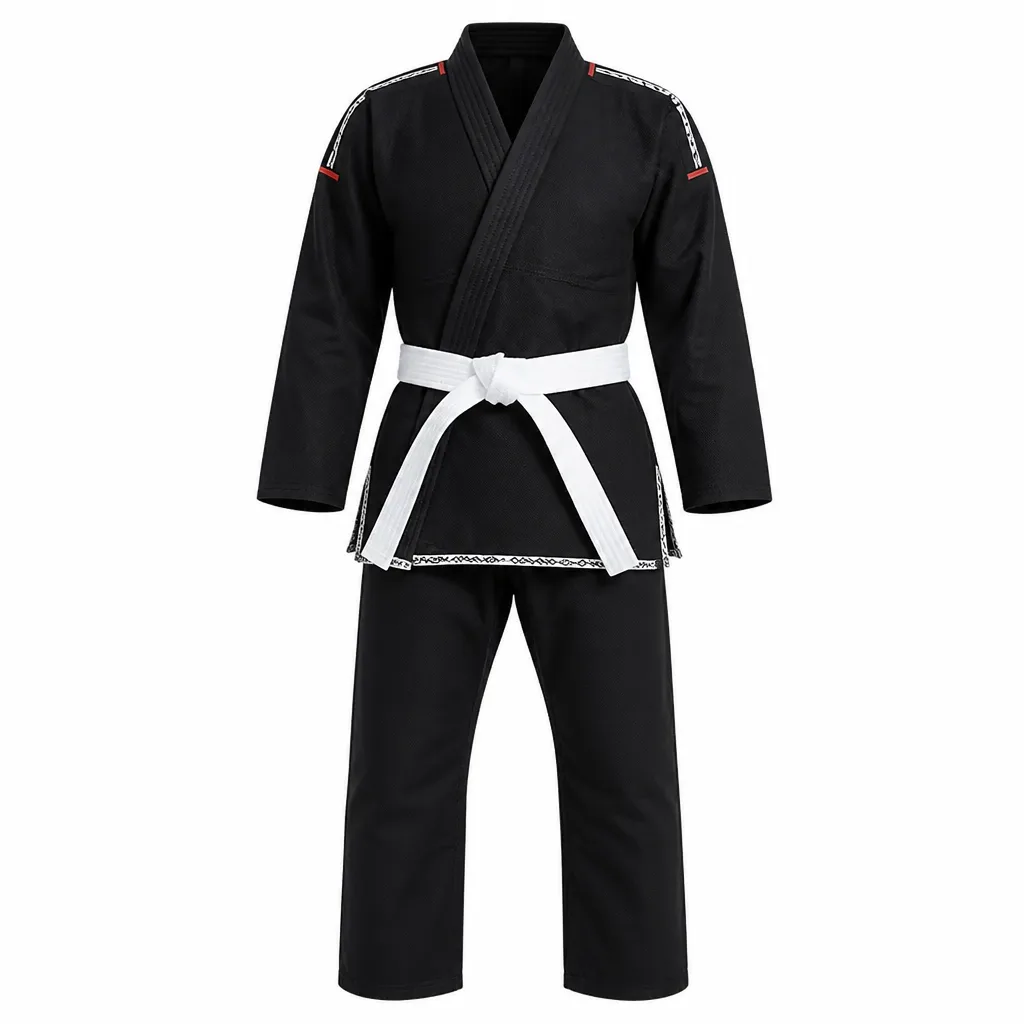
I'll never forget my first major grappling tournament back in 2008. As a wrestling coach transitioning into BJJ instruction, I rushed to pack my Tatami gi the night before, stuffing it haphazardly into my duffel bag. By the time I arrived at the venue, it was a wrinkled mess—grips slippery from creases, collar stiff and uneven. The match started rough, and I lost points early because my opponent exploited the poor fit. That experience taught me the hard way: knowing how to pack a BJJ gi isn't just logistics; it's part of your competitive edge. Whether you're a beginner heading to your first class or a pro fighter jetting to IBJJF Worlds, proper packing preserves your gear's performance, prevents damage, and keeps you focused.
In this guide, we'll dive deep into the best methods for how to pack a BJJ gi for fighters, drawing from years of hands-on experience coaching wrestlers and BJJ athletes at commercial gyms, home setups, and tournament mats worldwide. We'll cover techniques tailored to MMA cross-trainers, pure grapplers, and everyone in between, with honest insights on materials like 350gsm pearl weave versus heavier gold weaves. Expect practical tips for gym bags, airline travel, and long-term storage—because a well-packed gi means better training sessions and sharper performance.
Why Packing Your BJJ Gi Right Matters for Grapplers
Before jumping into methods, understand the stakes. BJJ gis, typically made from cotton or cotton-poly blends, are prone to wrinkles that alter grip friction during rolls. A poorly packed gi can stretch unevenly, harbor bacteria if damp, or tear at seams from compression. For wrestlers and MMA fighters blending gi and no-gi, this gear doubles as training armor—packing it wrong shortens its lifespan from years to months.
Industry pros like those at Shoyoroll emphasize pre-packing rituals for hygiene and aesthetics; judges notice crisp collars at comps. Safety-wise, a clean, dry pack prevents skin issues like ringworm in shared gym environments. And for travel? Airlines crush bags—proper folding protects reinforcements like knee padding on high-end models.
Method 1: The Traditional Japanese Fold – Precision for Competition
This is the gold standard for how to pack a BJJ gi for training and tournaments, rooted in judo traditions but perfected by BJJ elites. It's ideal for presentation: your gi emerges flat, crisp, and tournament-ready without ironing. Best for pearl weave gis (A1-A3 weights, 8-12oz) from brands like Hayabusa or Tatami, which hold folds sharply due to their tight stitching.
Step-by-Step: Mastering the Fold
- Lay it flat: Spread your gi pants and top on a clean mat or floor, sleeves extended, no twists. Shake out debris—I've found mat fibers cause micro-abrasions over time.
- Fold pants first: Align legs, fold in half lengthwise, then accordion the waist to knee length. Roll the cuffs inward to protect drawstrings; this prevents fraying in bags, a common issue for beginners.
- Prep the top: Cross sleeves over the back, fold collar under, then halve from bottom to shoulders. Nest pants inside the top's torso for a compact 12x8x4-inch bundle.
- Tie it up: Use the gi's own belt looped through the collar for a secure bundle. Pro tip: For reinforced collars like Venum's, tuck the belt ends inside to avoid snags.
In real-world use, this method shines at comps—I coach wrestlers using it for WrestleCon events, where space is tight. Drawback? Time-intensive (5-7 minutes), less ideal for quick gym packs. Durability holds up in duffels but watch for over-tight belts on gold weave (450gsm+), which can imprint creases.
Method 2: The Roll Technique – Compact and Quick for Gym and Travel
For fighters on the go, especially MMA practitioners packing for multi-discipline camps (BJJ mornings, Muay Thai afternoons), the roll method is unbeatable. It minimizes wrinkles better than stuffing, compressing 16oz gis into a 10-inch tube that fits any backpack. Excels with poly-blend gis like Ringside's, which resist creasing from their synthetic content.
Step-by-Step: Efficient Rolling
- Prep surfaces: Ensure gi is bone-dry post-wash; damp rolling breeds mildew, a nightmare in humid home gyms.
- Start with pants: Fold legs together, roll from ankles to waist tightly but not crushing—aim for fist-width diameter to preserve knee padding.
- Top integration: Lay top flat, place rolled pants at the bottom hem, roll upward including sleeves. Sleeve tips: Tuck thumbs into cuffs first for even compression.
- Secure: Belt-wrap the roll like a burrito. Insider hack: For A4-weight gis, add a silica packet inside to combat travel humidity.
From coaching kickboxers cross-training BJJ, I've seen this cut packing time to 2 minutes, perfect for post-spar gym dashes. In airplane overheads, it survives baggage handlers better than folds. Limitation: Heavier weaves (12oz+) bulk up, so check [size guide] for your frame—oversized gis roll lumpy.
Method 3: Vacuum Seal Bags – Ultimate for Long-Haul Travel and Storage
Pro-level grapplers swear by this for international comps or off-season storage. Using travel vacuum bags (available in our Apollo MMA accessories), it shrinks a gi by 70%, protecting against dust, odors, and compression damage. Tailored for premium gis like Shoyoroll's bamboo blends, which retain shape post-vacuum.
Step-by-Step: Vacuum Packing
- Fold base: Use a hybrid of Method 1—pants nested in top—for initial flatness.
- Bag it: Slide into a 18x24-inch vacuum bag, removing air via pump or straw. Avoid over-suction; it can stress double-reinforced seams.
- Label and store: Mark with event date (e.g., "ADCC 2024"). For multiple gis, stack rolls side-by-side.
- Unpack smart: Air out 24 hours pre-use to restore breathability—critical for BJJ's sweat-heavy rolls.
This method saved my gear during a Europe tour coaching seminars; no wrinkles, zero mold. Great for home gyms with limited space. Downsides: Requires tools (bags ~$10/pack at Apollo MMA), not impromptu, and poly gis may "memory fold" oddly. Not for daily training—re-sealing wears zippers.
Comparison Overview: Which Packing Method Wins?
| Method | Time | Compactness | Wrinkle Resistance | Best For |
|---|---|---|---|---|
| Japanese Fold | 5-7 min | Medium | Excellent | Competitions, Presentation |
| Roll | 2 min | High | Good | Gym/Travel, Speed |
| Vacuum Seal | 4 min + tools | Extreme | Superior | Long Travel/Storage |
Analyzing trade-offs: Folds prioritize aesthetics (IBJJF rules favor crisp gis), rolls balance speed for daily warriors, vacuums dominate logistics. Material matters—pearl weave folds crisply; gold for rolls. For wrestlers in gi grappling, rolls prevent mat burns on exposed fabric.
Cost-wise, no-method needs extras, but vacuums add $20/year. Test in scenarios: Gym? Roll. Worlds? Fold. Luggage? Vacuum. Always wash first with gi-specific detergent to kill bacteria—I've seen infections sideline pros from packed-dirty gear.
How to Choose the Best Way to Pack Your BJJ Gi
Selection hinges on your world. Beginners in commercial BJJ gyms: Start with rolls for simplicity—quick post-class packs fit locker life. Intermediate MMA fighters blending no-gi: Folds maintain gi integrity amid shin guards and gloves.
- Training environment: Home workouts? Vacuum for dust-free storage. Commercial mats? Rolls to dodge foot traffic crushing bags.
- Body type/sizing: Check our [size guide]—taller frames (A3+) favor rolls; compact athletes fold neatly.
- Discipline crossover: Muay Thai/BJJ hybrids pack rolls with rash guards; pure wrestlers use folds for collar familiarity.
- Pro concerns: Airline weight limits? Vacuum. Budget? Free methods only.
Anticipate issues: Damp climates need drying racks pre-pack. Heavy sweaters? Poly-blends roll best. Brands like Fairtex offer travel gis with pack-friendly cuffs—shop our collection at Apollo MMA for options vetted by pros.
Final Thoughts: Pack Smart, Roll Strong
Mastering the best how to pack a BJJ gi elevates your game from amateur to authority. From that crumpled gi in '08 to coaching undefeated tournament runs today, I've seen proper packing turn mishaps into mastery. It's not glamour—it's the unglamorous edge.
Experiment across methods, note what fits your flow. Stock up on durable gis and accessories at Apollo MMA; our premium selection, from Tatami Elements to Venum Elite, withstands elite packing. Questions on your setup? Drop a comment—let's refine your routine. Train hard, pack smarter, and own the mats.
Written by Michael Park, Wrestling Coach & Gear Expert at Apollo MMA. With decades in grappling, I've tested these on mats from Vegas to Tokyo.