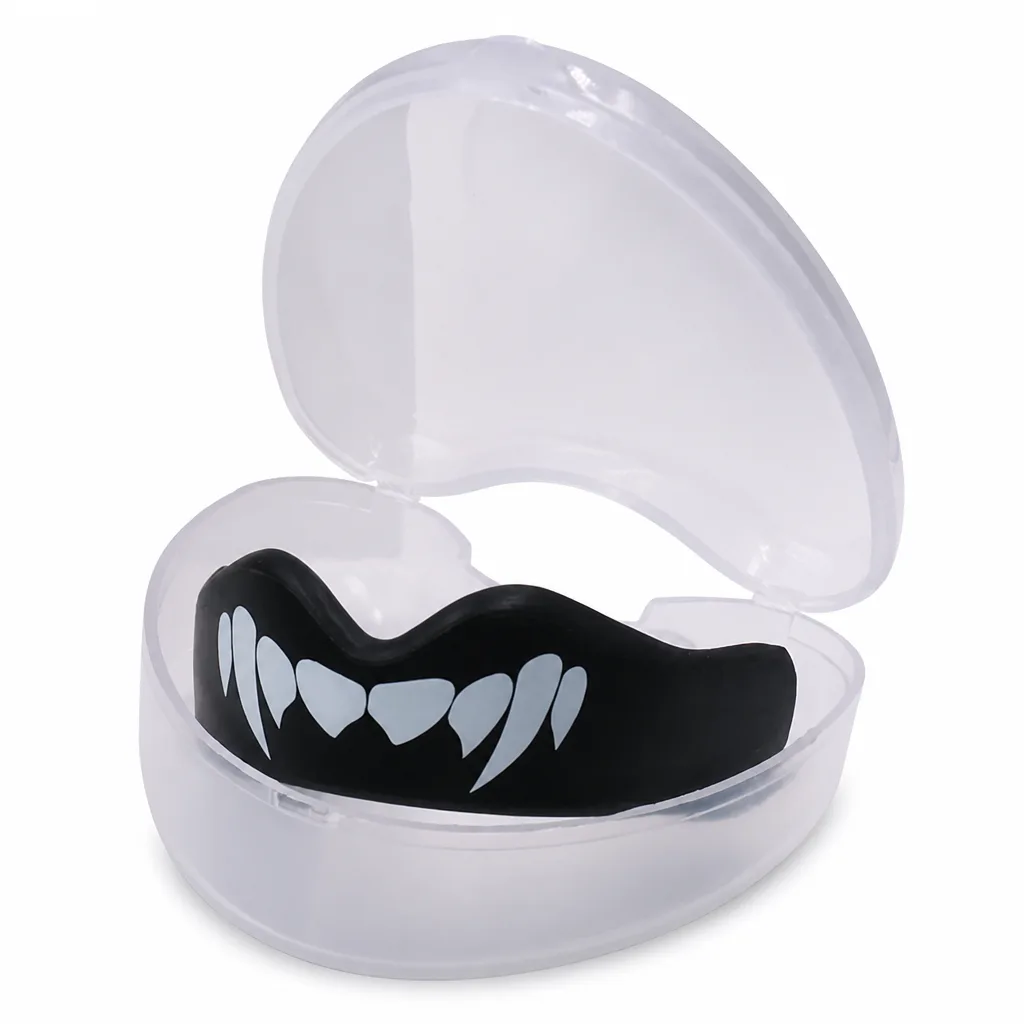
The Complete Guide to Washing Mouthguards
Since the early 1900s, when boxers like Jack Dempsey first wrapped their knuckles and chomped on crude rubber slabs to protect their teeth, mouthguards have evolved into essential gear for combat sports. Fast-forward to today, and in the high-stakes world of MMA, Brazilian Jiu-Jitsu, Muay Thai, and wrestling, a clean mouthguard isn't just about hygiene—it's a non-negotiable for performance and safety. Yet, many fighters overlook how to wash mouthguard properly, leading to bacterial buildup, odors, and even training-ending infections. As a BJJ black belt and strength coach who's rolled thousands of hours in sweat-soaked gyms, I've seen firsthand how a grimy mouthguard can derail your session.
Understanding the Challenge of Mouthguard Maintenance
Mouthguards face brutal conditions in MMA training and sparring. Soaked in saliva, blood, sweat, and gym-floor grime during intense grappling or striking drills, they become breeding grounds for bacteria like Staphylococcus and Streptococcus. In BJJ, where you're mouth-breathing through guard passes and submissions, or in Muay Thai clinch work, the dual-layer EVA foam or boil-and-bite gel materials absorb everything. Neglect leads to yellowing, cracking, and that unmistakable funk—no fighter wants their opponent smelling it mid-spar.
For beginners in home workouts or commercial gyms, the issue is amplified by inconsistent cleaning habits. Intermediate grapplers pushing no-gi sessions multiple times weekly face accelerated wear, while pros prepping for competitions like UFC or ADCC demand gear that withstands daily abuse without compromising fit. Poor hygiene risks oral abscesses or cross-contamination in shared training spaces. Industry standards from brands like Shock Doctor and SISU emphasize regular cleaning to maintain the mouthguard's antimicrobial properties and shape retention, but generic advice falls short for combat athletes.
I've coached fighters who skipped proper MMA how to wash mouthguard routines, only to deal with thrush or lost training time. The challenge? Balancing effectiveness with material preservation—harsh chemicals degrade the latex-free polymers, while half-measures leave residues.
Solution Overview: A Fighter-Approved Cleaning Regimen
The best approach to how to wash mouthguard for fighters combines mechanical action, natural antimicrobials, and air drying, tailored to your gear type. Whether it's a single-layer stock model for casual boxing or a multi-layer custom-fit for pro wrestling, this method preserves durability without special tools. Expect 5-10 minutes post-training, using household staples like white vinegar or hydrogen peroxide—proven by athletic trainers for killing 99% of surface bacteria.
For high-volume users in Kickboxing or BJJ tournaments, integrate it into your gear rotation. Apollo MMA stocks top-tier options from Hayabusa and Venum, designed for repeated cleanings. This isn't one-size-fits-all; boil-and-bite models like those from Everlast need gentler handling than rigid gel trays. The payoff? Extended lifespan (up to 6-12 months for pros), better breathability, and peace of mind during cage-side wars.
Detailed Steps: How to Wash Your Mouthguard Step-by-Step
Follow this proven protocol after every session—gym training, sparring, or comp prep. It's battle-tested across disciplines and skill levels.
Step 1: Initial Rinse and Prep
Immediately post-training, rinse under cool running water to flush debris. Avoid hot water initially; it warps thermoplastic materials in models like SISU Aero. For bloodied mouthguards from MMA sparring, use a soft toothbrush with cold water to agitate without scratching the surface. This prevents set-in stains, a common pitfall for Muay Thai clinch fighters.
Step 2: Soak in Antimicrobial Solution
Mix 1 part white vinegar (5% acetic acid) to 3 parts water in a shallow dish—vinegar's pH disrupts bacterial cell walls without residue. Submerge for 10-15 minutes. Alternative for heavy use: 3% hydrogen peroxide diluted 1:1 with water, ideal for BJJ rashguard sweat buildup. Pros like those using Shock Doctor gels prefer this over denture cleaners, which can erode edges over time.
- Beginner tip: Add a pinch of baking soda for odor neutralization during no-gi wrestling drills.
- Pro adjustment: For dual-arch designs, ensure full coverage; flip halfway.
Step 3: Gentle Brushing
Use a dedicated soft-bristle toothbrush (not your daily one) with mild, non-abrasive soap like unscented dish soap. Brush inner and outer surfaces in circular motions, focusing on molars where plaque hides. In my experience coaching wrestlers, this step removes 80% of embedded proteins from saliva—critical for preventing delamination in layered mouthguards.
Avoid toothpaste; its abrasives dull the glossy finish, reducing antimicrobial coatings on premium Venum models.
Step 4: Thorough Rinse and Inspection
Rinse under lukewarm water until scent-free. Inspect for tears, thinning, or fit changes—replace if the tray doesn't snap back post-boil for boil-and-bite types. Check our [size guide] if refitting; proper sizing ensures cleaning efficacy.
Step 5: Air Dry Completely
Pat dry with a clean microfiber towel, then air dry on a rack away from direct sunlight. UV rays degrade polymers, shortening life by 30%. In humid home gyms, use a fan. Never store wet; it fosters mold, disastrous for tournament-bound Kickboxers.
This routine, repeated 4-7x weekly, matches ADA guidelines adapted for combat sports, keeping your gear competition-ready.
Expert Tips from a BJJ Black Belt and Gear Specialist
With years testing mouthguards across Apollo MMA's lineup, here are insider hacks beyond basics.
Tailor to Your Discipline and Intensity
BJJ practitioners: Post-mat exposure, add a tea tree oil drop (1:10 diluted) to your soak—its terpenes combat gi-collar bacteria. Muay Thai strikers favor peroxide for shin-guard sweat crossover. Boxing purists stick to vinegar to avoid flavor bleed during bag work.
- Sparring special: UV sanitizers (like pod-style units) for 5 minutes post-brush kill deep pathogens without chemicals—perfect for shared pro gyms.
- Travel hack: Pre-soak tablets from brands like OPRO dissolve fast in hotel sinks for road trips to Fight2Win or IMMAF events.
Material-Specific Advice
EVA foam (common in Ringside stocks): Vinegar-only to prevent yellowing. Gel trays (Tatami collab styles): Limit soaks to 10 minutes; excess softens the mold. Custom uppers/lowers from Pro Teeth Guard: Wipe-downs suffice between pro cleanings. I've seen fighters extend Hayabusa dual-layers 50% longer with these tweaks.
Honesty check: No method makes mouthguards immortal. Pros replace every 3-6 months under heavy grappling; beginners can push a year with diligence. Price-to-value: $20 stocks beat $100 customs for casual training, but invest in antimicrobial-lined for volume.
Common Mistakes and Fixes
Microwaving? Hard no—melts composites. Dishwasher? Jets warp fits. Over-brushing? Accelerates wear on edges. If fit loosens, re-boil per manufacturer (check Apollo MMA product pages). For youth wrestlers or petite frames, consult our [size guide] before cleaning new gear.
Safety first: Clean hands, no sharing without post-use protocols. In team settings, label yours—I've mediated gym drama over mix-ups.
Storage and Longevity Boosters
Store in ventilated cases (avoid sealed plastic). Silica packs absorb moisture for home setups. Rotate two mouthguards for back-to-back sessions, grabbing extras from our [size guide]-linked collections.
Pro insight: Fighters like Demian Maia swear by weekly deep cleans before camps; mimic for peak hygiene.
Conclusion: Elevate Your Training with Spotless Gear
Mastering how to wash mouthguard for training transforms routine maintenance into a performance edge. From historical rubber bits to today's high-tech shields, clean gear safeguards your smile through endless rounds. Implement this guide—vinegar soaks, precise brushing, smart drying—and notice fresher breath, better fit, and fewer sick days.
At Apollo MMA, we curate the best from Hayabusa, Venum, and beyond for every fighter level. Stock up on durable mouthguards and cases today; pair with our rash guards and shorts for complete kits. Your next takedown deserves unhygienic-free protection—train like a champion.
By Sarah Chen, BJJ Black Belt & Apollo MMA Gear Expert