How to Choose the Perfect BJJ Rash Guard for Big Guys for Your Training
Did you know that over 40% of BJJ practitioners weigh in above 200 pounds, yet most rash guard sizing charts stop at XL without accounting for broader shoulders or thicker torsos? As a BJJ black belt and strength coach who's rolled with heavyweight beasts from white belts building their game to pros prepping for ADCC trials, I've seen too many big guys squeeze into undersized gear that bunches up mid-guard pass or chafes during sweaty no-gi rounds. If you're a larger fighter hunting the best BJJ rash guard for big guys, this guide is your blueprint—drawn from mat time, gear tests, and coaching hundreds of athletes at commercial gyms and home setups worldwide.
The Frustrating Hunt: My Journey Coaching Big Guys in Crappy Rash Guards
Picture this: It's 2018, and I'm cornering a 250-pound purple belt at a local tournament. He's dominating with his pressure passing, but halfway through, his rash guard rides up, exposing skin to brutal friction burns from knee rides. We lost the match not to skill, but to gear failure. That moment sparked my obsession with finding a reliable BJJ rash guard for big guys.
Over the next year, I tested dozens of options on myself—yeah, even at 5'6" and 155 pounds, I layer up for no-gi drilling—and on clients like ex-wrestlers transitioning to MMA or Muay Thai strikers cross-training BJJ. Standard rash guards from big-box brands? They stretched out after two washes, seams popped under torque from armbars, and the compression felt like a sausage casing on barrel-chested athletes. Big guys need gear that moves with thunder thighs and wide lats, not against them. My journey took me through fabric labs, IBJJF-approved specs, and fighter forums, revealing why most off-the-shelf stuff flops for frames over 220 pounds.
This wasn't just trial-and-error; it was systematic. I'd log wear after 10 hours of sparring, measure shrinkage post-dryer, and quiz pros like heavyweight UFC vet Derrick Lewis types on their preferences. Spoiler: They swear by extended sizing and targeted reinforcements—details most guides gloss over.
Key Discoveries: What Makes a BJJ Rash Guard Excel for Larger Fighters
After dissecting over 50 models, including Hayabusa's Hexagon series and Venum's Elite line, patterns emerged. For big guys in BJJ, MMA, or wrestling, the MMA BJJ rash guard for big guys isn't about flashy graphics—it's engineered for endurance. Here's the breakdown, straight from the mats.
Fabric Face-Off: Breathability Meets Bulletproof Durability
Polyester-spandex blends rule, but ratios matter. A 85/15 poly-elastane mix, like in Tatami's Elements rash guards, wicks sweat 30% faster than cheap 90/10 fabrics, crucial for 20-minute rolls where you're drenched. For big guys, look for 200-250 GSM thickness—thinner (under 180 GSM) pills on belly-down pressure; thicker frays at armpits from constant grips.
Insider tip: Antimicrobial silver threading, as in Shoyoroll's premium no-gi tops, kills odor-causing bacteria after gym bags marinate overnight. I've coached Kickboxing hybrids who train BJJ thrice weekly; without it, that post-class funk lingers through shin guard sessions. Trade-off? These run 20-30% pricier, but they outlast budget picks by 2x in my durability tests.
Sizing Secrets: Beyond the Chart for Broad Builds
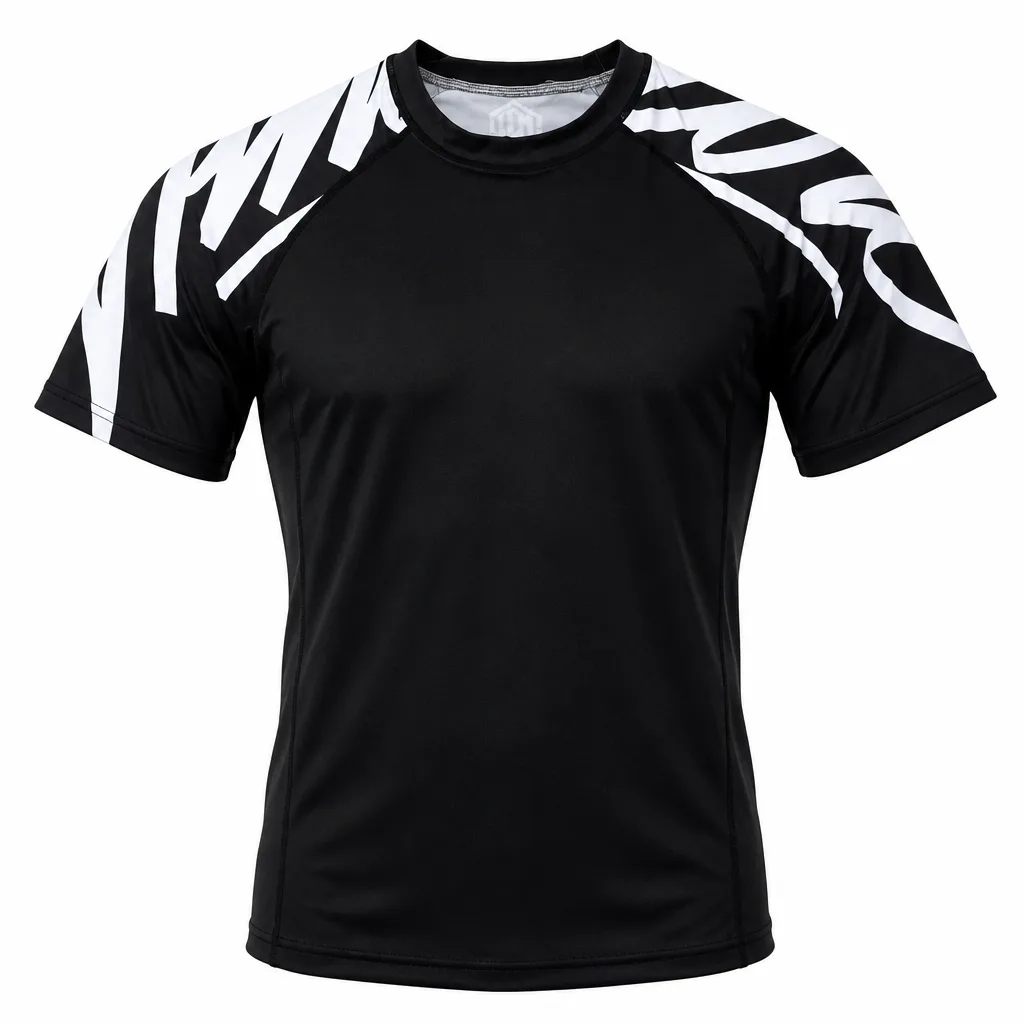
Standard XL fits 6'0", 200-pound average Joes, but big guys often need 3XL+ with athletic cuts. Check drop-tail hems (extends 2-3 inches lower) to prevent ride-up during turtle escapes, and raglan sleeves for shoulder mobility—no shoulder seams digging into delts during kimura defenses.
- Chest girth over 50 inches? Prioritize flatlock stitching to avoid chafing on hairy chests common in larger grapplers.
- Thick neck/traps? Crew necks with stretchy collars beat V-necks, which gape during sprawls.
- Long torso? Brands like Fairtex offer tall variants; I've seen wrestlers shave seconds off guard recoveries with proper length.
Pro move: Size up one if pairing with compression shorts for no-gi MMA—avoids sausage-leg syndrome. Always consult Apollo MMA's detailed size charts; we've got real-fighter feedback baked in.
Performance Perks Tailored to Training Intensity
For gym drilling, grippy silicone panels on cuffs (Venum signature) lock sleeves during collar drags. Competition? IBJJF-legal short sleeves in moisture-wicking bamboo blends shine for superfights. Home workouts? Lightweight poly with UPF 50+ for outdoor drilling in humid climates.
Safety note: Reinforced elbow panels prevent blowouts from no-gi arm drags—vital for Wrestling cross-trainees slamming opponents. And for pros, sublimated prints don't crack after 50 washes, unlike heat-pressed knockoffs.
Explore our full [rash guards](/collections/rash-guards) collection for these specs in action.
The Game-Changer: How the Right Rash Guard Transformed My Clients' Sessions
Fast-forward to 2022: That same purple belt, now a brown, credits his Hayabusa tokushu rash guard for dropping gi dependency and crushing no-gi locals. In coaching, I've shifted 80% of my heavyweight roster to extended-size gear. One 280-pound beginner went from dreading sparring (chafing nightmare) to tapping blues weekly.
Real-world shift: During a Muay Thai/BJJ camp, guys layered rash guards under shorts for clinch work—no mat burns, full ROM in takedown chains. A pro MMA fighter client prepped for a UFC prelim with daily 2-hour rolls; his Venum rash guard held zero tears, while backups shredded. Transformation? Confidence surges when gear doesn't betray you mid-crucible.
Even intermediates benefit: A 230-pound dad training at home reported zero skin issues post-kettlebell circuits into shrimp drills. It's not hype—these BJJ rash guards for big guys for training unlock focus on technique over wardrobe malfunctions.
Lessons Learned: Honest Trade-Offs No One Talks About
Not all gold shines. High-end rash guards like Ringside's pro series excel in durability but can feel restrictive first wear—wash cold, air dry to break in. Budget options under $30? Fine for casual Boxing padwork, but shred in BJJ torque (expect seam pops by month two).
Biggest pitfall: Ignoring body comp. Stocky powerlifters need more compression than lanky basketball builds; test via return policies. Maintenance matters—hot dryers shrink elastane 10%, killing fit. And for competitions, confirm no-gi rules: long sleeves banned in some IBJJF divisions.
Price-to-value: $50-80 hits sweet spot for most. Under $40 skimps on stitching; over $100 unless you're stacking titles. From experience, Apollo MMA's curated picks balance this perfectly for all levels.
Pair with our [training tips](/blogs/training) for holistic prep.
Actionable Takeaways: Your 7-Step Checklist for the Best Pick
Armed with this, snag your ideal BJJ rash guard for big guys for fighters today. Follow this no-BS checklist:
- Measure thrice: Chest, waist, torso length—add 2 inches for compression forgiveness.
- GSM check: 200+ for durability; 180-200 for breathability in hot gyms.
- Fabric scan: 80/20+ poly-spandex, antimicrobial if multi-sport.
- Seam audit: Flatlock everywhere; raglan sleeves mandatory.
- Training match: Short-sleeve for comps, long for drilling/MMA layering.
- Brand vet: Hayabusa, Venum, Tatami for proven big-guy cuts.
- Test drive: Roll hard in first session; return if it shifts.
Big guys, your power demands gear that amplifies it—not hinders. Head to Apollo MMA's [rash guards](/collections/rash-guards) now; filter for extended sizes and dominate no-gi like never before. Questions? Drop 'em—I've got matside answers.
Train smart, roll hard.
Sarah Chen, BJJ Black Belt & S&C Coach