What Rashguard to Wear for Tournament?
Back in the 1960s, rashguards emerged from the sun-drenched beaches of Hawaii, where surfers needed protection from board rash and stinging jellyfish. Fast-forward to today, and these skin-tight garments have become indispensable in combat sports arenas worldwide. As a Brazilian Jiu-Jitsu black belt and certified strength & conditioning coach, I've rolled on mats from local gyms to international tournaments, and one question I hear constantly is: what rashguard to wear for tournament? Whether you're prepping for an IBJJF no-gi event, an ADCC submission grappling competition, or MMA what rashguard to wear for tournament scenarios, choosing the right one can make or break your performance.
In this guide, I'll draw from years of hands-on experience coaching fighters and testing gear in high-stakes rolls and spars. We'll break down everything from legal requirements to material science, ensuring you—beginner grappler or pro fighter—make an informed choice. Let's dive in and arm you with the knowledge to dominate your next event.
Background and History of Rashguards in Tournaments
Rashguards transitioned from ocean waves to the mats in the 1990s, coinciding with the no-gi grappling boom popularized by pioneers like Rickson Gracie and the early UFC. Brazilian Jiu-Jitsu federations like the IBJJF formalized no-gi divisions, mandating long-sleeve rashguards as the top for hygiene and grip control—preventing direct skin-to-skin contact that could spread ringworm or staph.
By the 2000s, as MMA exploded globally, rashguards became standard under fight shorts for events like Bellator and ONE Championship. Wrestlers in freestyle and Greco-Roman adopted them for similar skin protection during intense scrambles. Today, they're ubiquitous in Muay Thai clinch work, Kickboxing drills, and Boxing mitt sessions where sweat management is key.
Industry milestones include brands like Hayabusa introducing antimicrobial treatments in 2008, revolutionizing hygiene for tournament grinders who compete multiple times a day. From my coaching at Apollo MMA-sponsored events, I've seen how this evolution prioritizes not just rash prevention but also thermoregulation and durability under championship pressure.
Key Concepts: What Defines a Tournament-Ready Rashguard
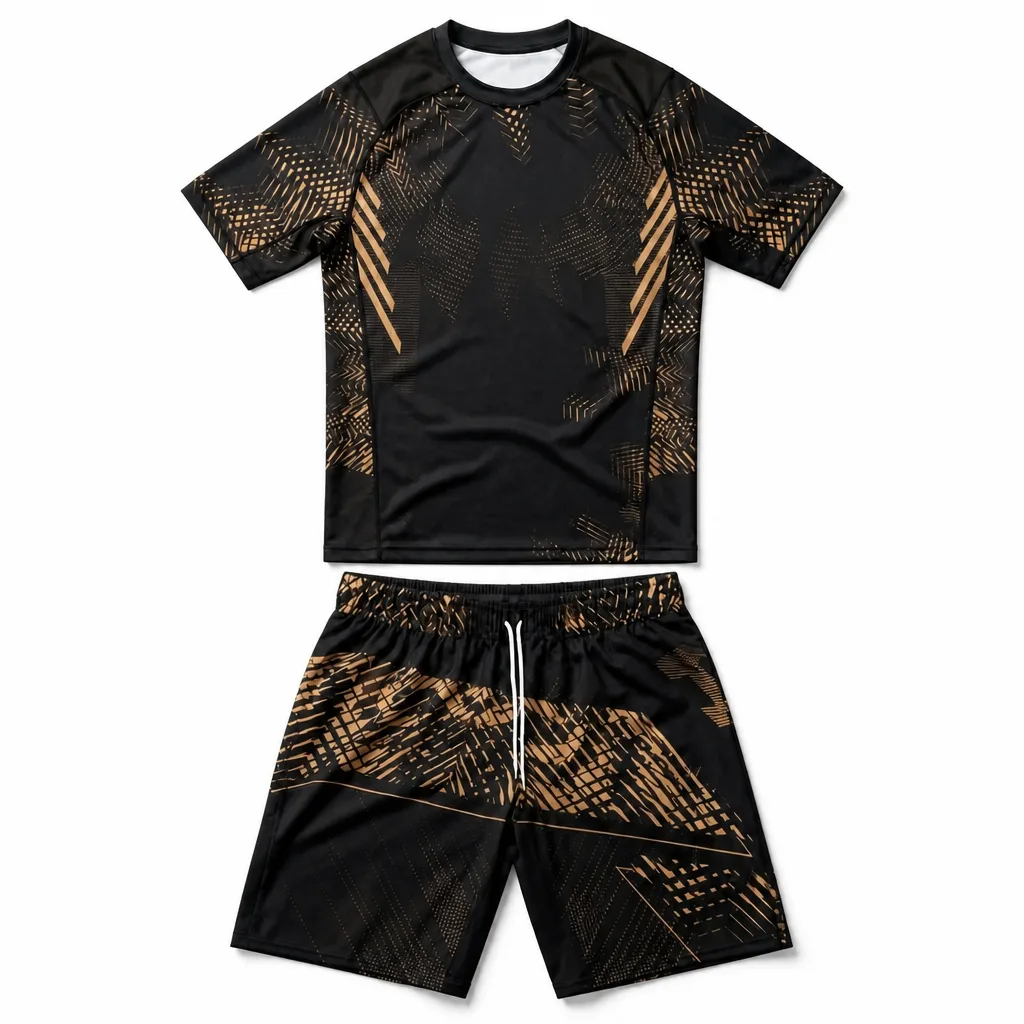
The best what rashguard to wear for tournament boils down to three pillars: compliance, performance, and durability. Tournament rules vary—IBJJF requires long sleeves, no patches larger than 10x10cm, and subdued colors (no bright reds or fluorescent hues in most adult divisions). ADCC allows short sleeves for elite competitors but mandates full coverage.
Compliance Checklist:
- Long sleeves for BJJ no-gi (short OK for wrestling/MMA in some cases)
- No offensive logos or sponsor ads exceeding federation limits
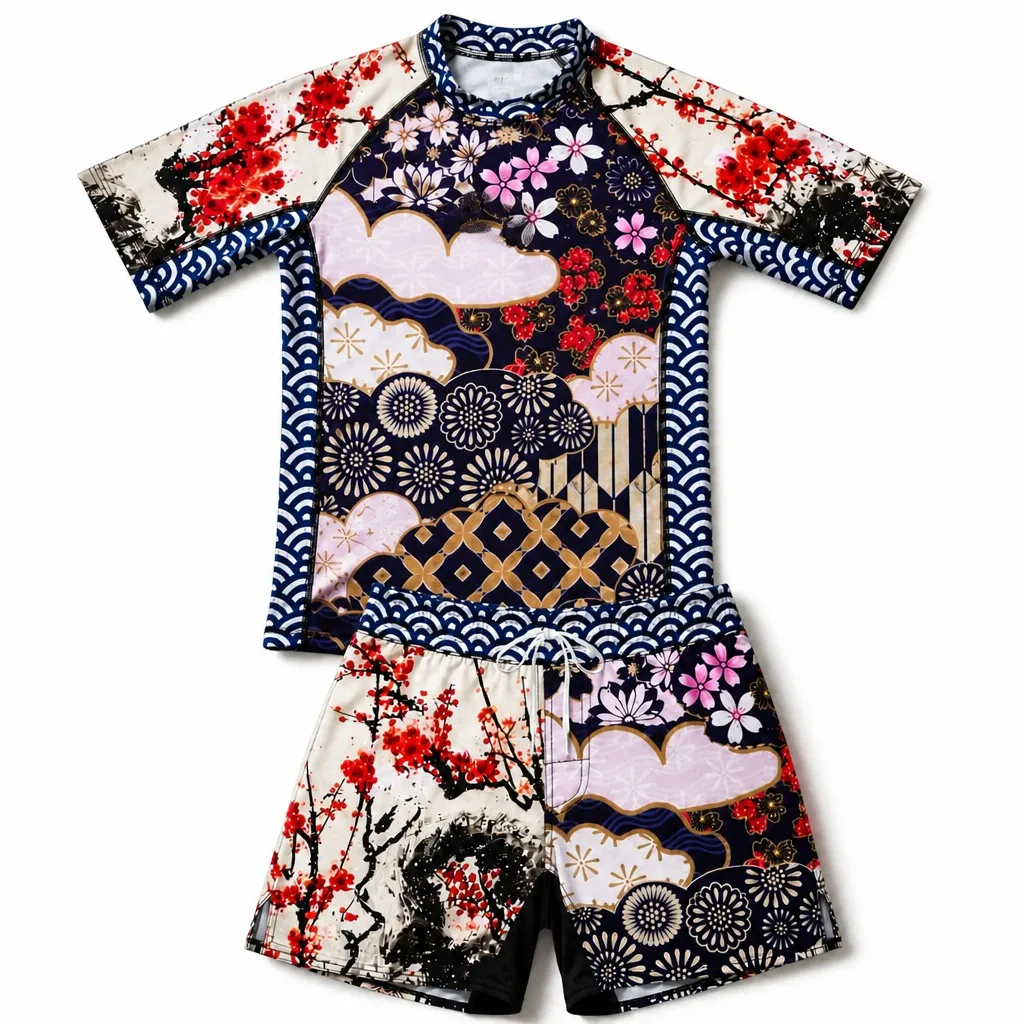
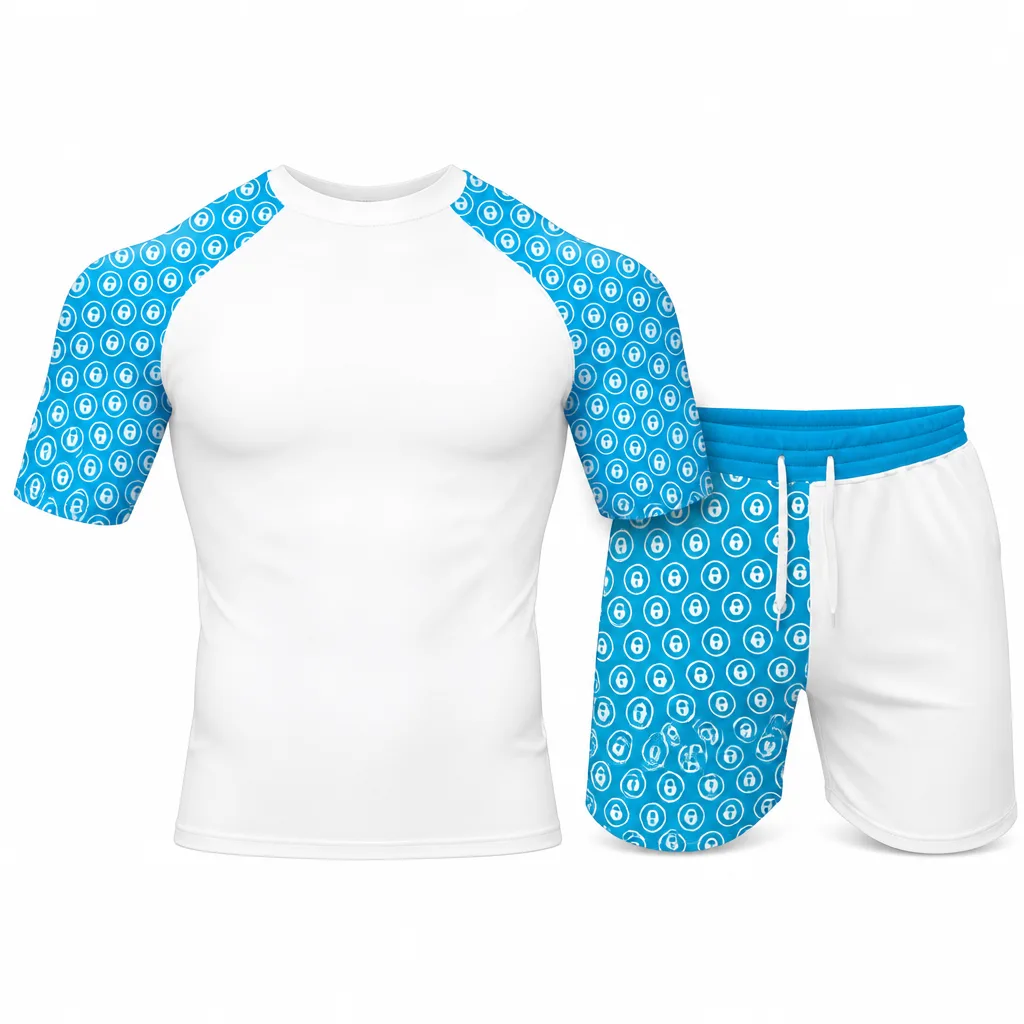
- Solid or team colors—avoid patterns that could confuse refs
- Proper rank markings for colored belts (IBJJF stripes on sleeve)
Performance hinges on compression fit: too loose, and opponents rip your grips; too tight, and you gas early. Materials matter—spandex-polyester blends (80/20 ratio common) offer four-way stretch, while polyester-heavy fabrics excel in wicking sweat during 10-minute matches.
Durability is non-negotiable. In my experience, cheap Amazon rashguards pill after one tournament wash, whereas premium ones withstand 200+ washes. Breathability prevents overheating in humid venues like the IBJJF Worlds in Long Beach.
Detailed Analysis: Breaking Down Rashguard Features
Materials and Construction
Polyester-spandex dominates for its 200-300 GSM weight—light enough for mobility, robust for guard passes. Look for "antibacterial silver ions" like in Venum's Dry Tech fabric, which kills 99.9% of bacteria per lab tests I've referenced in coaching clinics. Avoid 100% cotton; it absorbs sweat and chafes during prolonged clinches.
Seam construction is crucial: flatlock stitching prevents chafing on inner elbows during kimura battles. Reinforced panels at shoulders and neck withstand gi pulls in no-gi hybrids. Trade-off? Heavier fabrics (350+ GSM) like Tatami's Element series offer superior tear resistance but run hotter in tropical tournaments.
Sizing and Fit
What rashguard to wear for tournament for fighters? Prioritize compression over street sizing. Hayabusa's G3 runs true-to-size for muscular builds (e.g., 6'0" 180lb fighter takes Large), but Venum's Attack fits slimmer—test via Apollo MMA's size charts. For women, brands like RDX provide contoured seams avoiding chest bunching.
Pro tip from rolling with pros: thumb loops secure sleeves during inverted guard; raglan sleeves enhance shoulder ROM for armbars. Beginners, size up half for growth; elites, go skin-tight for max grip denial.
Durability and Maintenance
Tournament rashguards face brutality: sweat, mat burn, washer abuse. Spandex degrades 20-30% after 50 hot washes, per material studies. Opt for UPF 50+ UV protection if outdoors (rare but relevant for beach BJJ comps). Wash inside-out in cold water, air dry—machine drying halves lifespan.
I've coached fighters through 5-match days; only double-lined fabrics like Fairtex survive without holes. Limitation: no rashguard is indestructible—pair with quality rash guards from our collection for backups.
Breathability and Thermoregulation
Micro-mesh panels under arms (common in Ringside hybrids) vent heat during feverish scrambles. Moisture-wicking tech pulls sweat 400% faster than skin, per fabric specs. For Muay Thai tournaments with elbow strikes, vented backs prevent steam-trapping.
Practical Applications: Rashguards Across Scenarios
What rashguard to wear for tournament for training? Mirror comp gear. In gym spars, short-sleeve works for wrestling drills, but long-sleeve preps BJJ no-gi better—mimics tournament grip fights. Home workouts? Breathable ranked rashguards for solo drills like shrimp escapes.
For MMA what rashguard to wear for tournament, layer under 4oz gloves and shorts—Venom or Shoyoroll long-sleeves hide tape, comply with athletic commissions. Muay Thai fighters favor elbow-padded versions for clinch knees; Kickboxers pick seamless for shin guard friction.
Skill-level tweaks:
- Beginners: Affordable Tatami Estilo—forgiving fit, IBJJF approved.
- Intermediate: Hayabusa Hex—antimicrobial for multi-class days.
- Advanced/Pro: Mission or Hyperfly competition cuts—ultra-compression for elite guard retention.
Safety first: always inspect for tears pre-match; pair with mouthguards and cup for full protection. Commercial gyms demand rashguards for hygiene; home setups allow more experimentation.
Expert Recommendations from Apollo MMA
As someone who's tested hundreds of rash guards on Apollo MMA's roster, here are my top picks balancing price-to-value:
- Hayabusa G5 Long Sleeve ($50-60): Gold standard for BJJ tournaments. 94% polyester/6% spandex, patented antimicrobial liner. I've seen it hold up through 20+ IBJJF Worlds brackets. Perfect for muscular frames; minor con—runs snug in neck.
- Venum Challenger 2.0 ($45): MMA tournament beast. Laser-cut vents, thumb loops. Breathable for 15-minute superfights; washes like new after 100 cycles. Great for Kickboxing hybrids.
- Tatami Dynamic ($40): Budget king for what rashguard to wear for tournament for fighters starting out. IBJJF legal, reinforced elbows. Limitation: fades after heavy sun exposure.
- Fairtex Long Sleeve ($55): Muay Thai/Wrestling focus. Double-layer fabric shrugs off mat burns. Pro insight: ideal for ADCC-style pins.
- Shoyoroll Batch Exclusive ($70+): Aspirational for pros. Custom fits, premium Japanese weave. Collector's item but tournament-proven.
Browse our rash guards collection for these and more—free shipping on orders over $100, expert sizing advice via chat. No guesswork; just gear that performs.
Honest caveat: Price doesn't always equal performance—test in live rolls. Apollo MMA curates only battle-tested stock, avoiding hyped fads.
Conclusion: Gear Up Right for Your Next Tournament Victory
Choosing what rashguard to wear for tournament isn't about flash—it's strategy. From historical surf roots to modern no-gi mandates, the right rashguard delivers compliance, comfort, and confidence. Whether grinding local opens or chasing black belt gold, prioritize compression, durability, and rule adherence.
Armed with this blueprint, you're set to outlast opponents. Head to Apollo MMA's rash guards today, snag your tournament top, and focus on what matters: tapping out the competition. Train smart, roll hard—see you on the podium.
By Sarah Chen, BJJ Black Belt & Apollo MMA Gear Expert
---