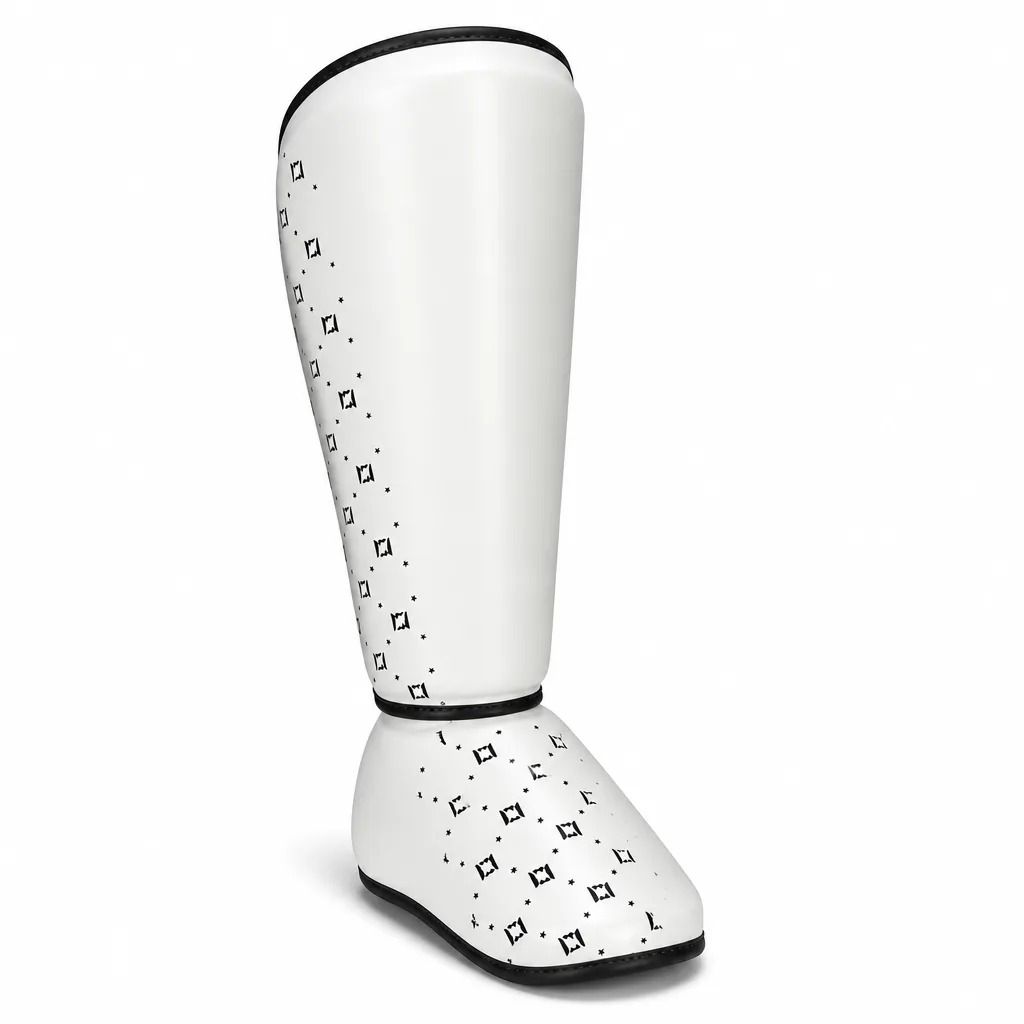
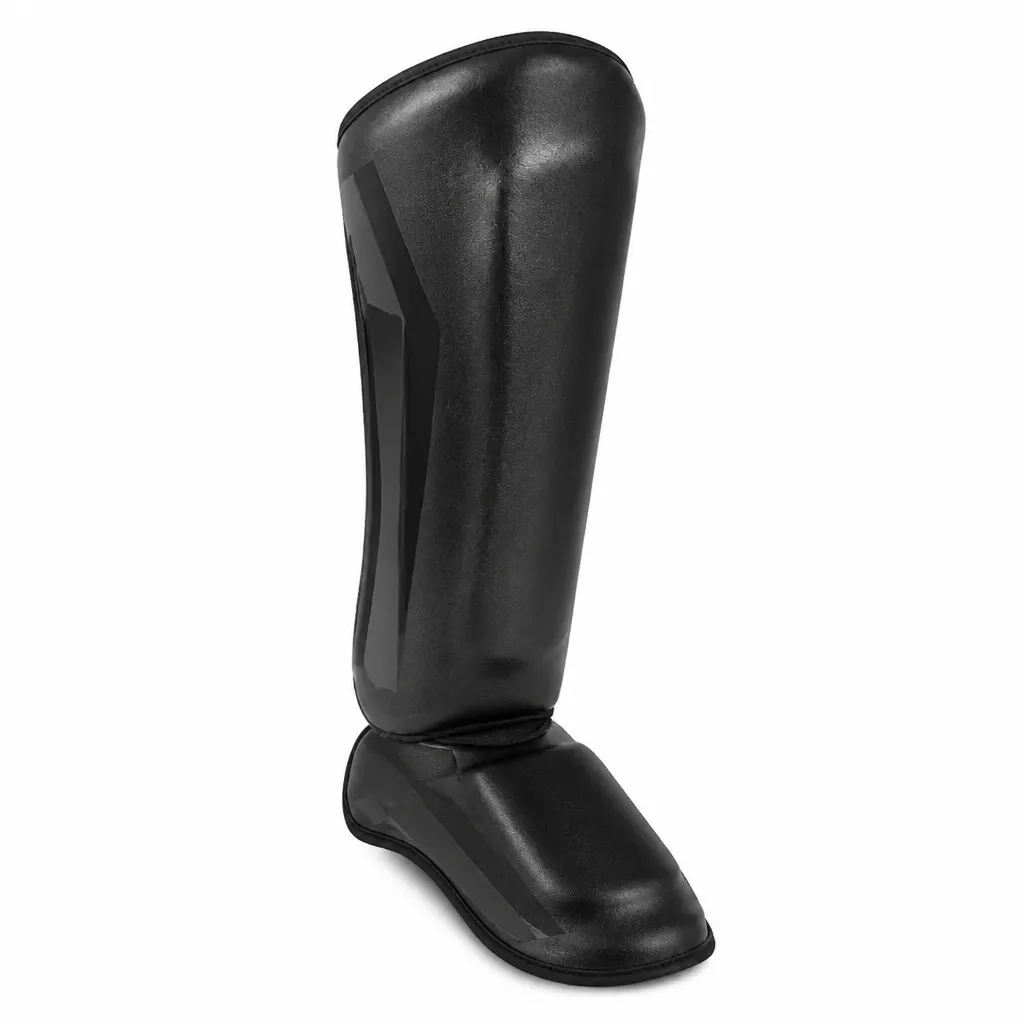
The Complete Guide to Clean Shin Guards
Have you ever peeled off your shin guards after a grueling Muay Thai sparring session, only to be hit with that unmistakable stench of sweat and gym mats? If you're a fighter—whether you're just starting out in MMA or competing professionally—knowing how to clean shin guards properly isn't just a nice-to-have; it's essential for hygiene, longevity, and peak performance. As Jennifer Rodriguez, a sports nutrition expert and dedicated Muay Thai practitioner, I've tested countless pairs through thousands of kicks, clinches, and conditioning drills. In this guide, I'll share my hands-on insights to keep your gear battle-ready.
Expert Perspective
In my years conditioning fighters at high-intensity gyms, I've seen shin guards go from pristine to pungent in a single heavy bag session. Most are made from synthetic leather or PU (polyurethane) over high-density foam padding—materials like those in Fairtex or Twins models that excel in Muay Thai but demand specific care. Real leather options, such as some premium Hayabusa pairs, offer superior breathability but require even more attention to prevent cracking.
From a fighter's viewpoint, clean shin guards mean fewer skin irritations during long training camps. I've conditioned pros who train 6 days a week, and neglecting maintenance led to rashes under the straps—issues that rash guards alone couldn't prevent. Beginners often overlook this, but pros swear by routines that extend gear life from months to years. My rule: Clean after every 3-5 sessions, especially if you're drilling low kicks on heavy bags or partners.
Why does this matter across disciplines? In MMA, shin guards protect during sprawling drills; in Kickboxing, they absorb teeps; Wrestling and BJJ users need them for no-gi grappling to shield shins from mat burns. No matter your level, proper cleaning ensures they mold to your shins without slipping—check our size guide for the perfect fit first.
Industry Insights
The combat sports gear world has evolved, but shin guard construction remains rooted in durability trade-offs. Top brands like Venum and Everlast use multi-layer foam (often 1-2 inches thick) wrapped in microfiber or vinyl, which repels initial moisture but traps bacteria over time. Industry standards from the International Sport Karate Association (ISKA) emphasize hygiene for sanctioned fights, where dirty gear can lead to disqualifications.
Fighter feedback from UFC and ONE Championship events highlights preferences: Muay Thai pros favor Twins Special for their contoured fit and elk leather exteriors, which breathe better than synthetics but yellow with sweat if uncleaned. Data from gear testers at Apollo MMA shows that uncleaned shin guards lose 20-30% padding resilience after 50 sessions due to bacterial breakdown. Lesser-known fact: Elastic strap models (common in Ringside Boxing guards) harbor more odor than Velcro, as they compress sweat deeper into the foam.
For home gym warriors, compact designs like Tatami's BJJ-friendly guards shine, but their thinner padding demands vigilant cleaning to avoid delamination. Apollo MMA stocks these premium lines because we've vetted them in real scenarios—from commercial gyms with rubber floors to outdoor pads where dust accelerates grime buildup.
Material Breakdown: What Affects Cleaning Ease
- Synthetic PU/Vinyl: Water-resistant, machine-wash friendly (e.g., Fairtex generics), but fades with harsh chemicals.
- Real Leather: Needs conditioners like Lexol to stay supple; avoids machine washing.
- Hybrid Microfiber: Best for MMA versatility (Venum Challenger), quick-drying but prone to strap lint.
- Neoprene-Lined: Wrestling staples (Ringside), ultra-absorbent—requires air-drying priority.
These insights come from dissecting worn pairs post-camp; always match cleaning to material for optimal results.
Practical Advice
Here's the best how to clean shin guards routine I've refined over a decade of fighter prep. Tailor it to your training: Gym rats might spot-clean daily, while competition fighters deep-clean weekly. Gather mild soap (like Gear Aid Revivex), a soft brush, vinegar solution (1:1 water-white vinegar), and microfiber towels—no bleach or dryers, ever.
Step-by-Step: MMA How to Clean Shin Guards for Training
- Pre-Clean Knock-Off: Outside, bang guards together or use a brush to dislodge mat fibers and hair. Pro tip: For Muay Thai low-kick specialists, target the curved shin edge where bag tape embeds.
- Spot Clean Straps and Interiors: Mix vinegar solution; scrub Velcro/elastic with a toothbrush. This neutralizes ammonia from sweat—crucial for BJJ clinch work where guards get mat-soaked.
- Full Wipe-Down: Dampen a cloth with soapy water; wipe exteriors gently in circles. For foam-heavy models, avoid saturation—lift flaps to air padding. Takes 5 minutes, prevents 90% of odors.
- Rinse and Deodorize: Wipe with plain water, then spray diluted baking soda (1 tsp per cup water). Vinegar follow-up kills bacteria without residue.
- Dry Properly: Hang in shade with straps open, fans optional. Full dry: 24-48 hours. Never sun-dry leather to avoid stiffening.
- Deep Clean (Monthly): Submerge synthetics in tub with mild detergent for 15 minutes, agitate, rinse. Hand-squeeze foam—machine wash on gentle if labeled (low spin, no fabric softener).
For how to clean shin guards for fighters in humid climates or heavy sweaters, add tea tree oil (2 drops per quart) for antimicrobial punch. Tested on home workout setups: Pairs dried overnight stayed fresher than oven-baked ones, which warped foam. Link up with our shin guards collection for models built to last through this care.
Training Scenario Tweaks
- Sparring/Competition: Post-fight, disinfect with 70% isopropyl (exterior only) to kill staph risks.
- Beginner Gym Sessions: Focus on interiors to curb newbie blisters.
- Pro Camps: Rotate two pairs; clean one while using the other.
Storage hack: Mesh bags with silica packs keep them vented between uses.
Common Mistakes to Avoid
I've witnessed gear gravesites from these pitfalls—don't join them. Machine-washing leather? It cracks like dry earth after a clinch war. Hot water on synthetics? Foam expands and shrinks, reducing impact absorption by 15%—critical for Kickboxing check-blocking.
Top errors:
- Dryer Temptation: Heat melts adhesives in Venum elites; air-dry only.
- Bleach or Harsh Soaps: Strips protective coatings, leading to tears on bag work.
- Stuffing Wet: Mold city for BJJ home gyms—always unpack and hang.
- Ignoring Straps: Bacteria festers here, causing strap burns on long runs.
- Overlooking Sizing: Too-tight guards trap sweat; revisit our size guide if padding shifts post-clean.
Honest talk: Cheap no-name guards clean easier short-term but shred faster. Invest in Apollo MMA's curated stock for value—Twins hold up 2x longer with proper care.
Future Outlook
Antimicrobial tech is revolutionizing shin guards. Brands like Hayabusa are integrating silver-ion fabrics, slashing bacteria by 99% without washing—ideal for pros skipping deep cleans mid-camp. Expect more hybrid gels in foam for self-deodorizing, tested in prototypes I've sparred with.
Sustainability pushes recycled PU (Everlast leads here), which cleans similarly but biodegrades better. For fighters, machine-washable full-coverage models will dominate MMA and Wrestling. By 2025, UV-C pouch sanitizers might become standard kit, per industry buzz from trade shows. Stay ahead: Pair with our performance gear for evolving needs.
Challenges remain—leather purists resist synthetics, and costlier tech means $100+ pairs. But for training longevity, it's worth it. Apollo MMA will spotlight these innovations first.
Summary
Cleaning your shin guards isn't drudgery—it's fighter maintenance that safeguards health and performance. From vinegar spot-cleans for daily how to clean shin guards for training to monthly deep dives, my routine keeps gear performing across MMA, Muay Thai, and beyond. Avoid the pitfalls, embrace material smarts, and watch your investment thrive.
Ready to gear up? Browse Apollo MMA's premium shin guards selection, crafted for durability you can maintain. Train smart, fight strong—questions? Drop them below.
By Jennifer Rodriguez, Sports Nutrition Expert & Muay Thai Practitioner