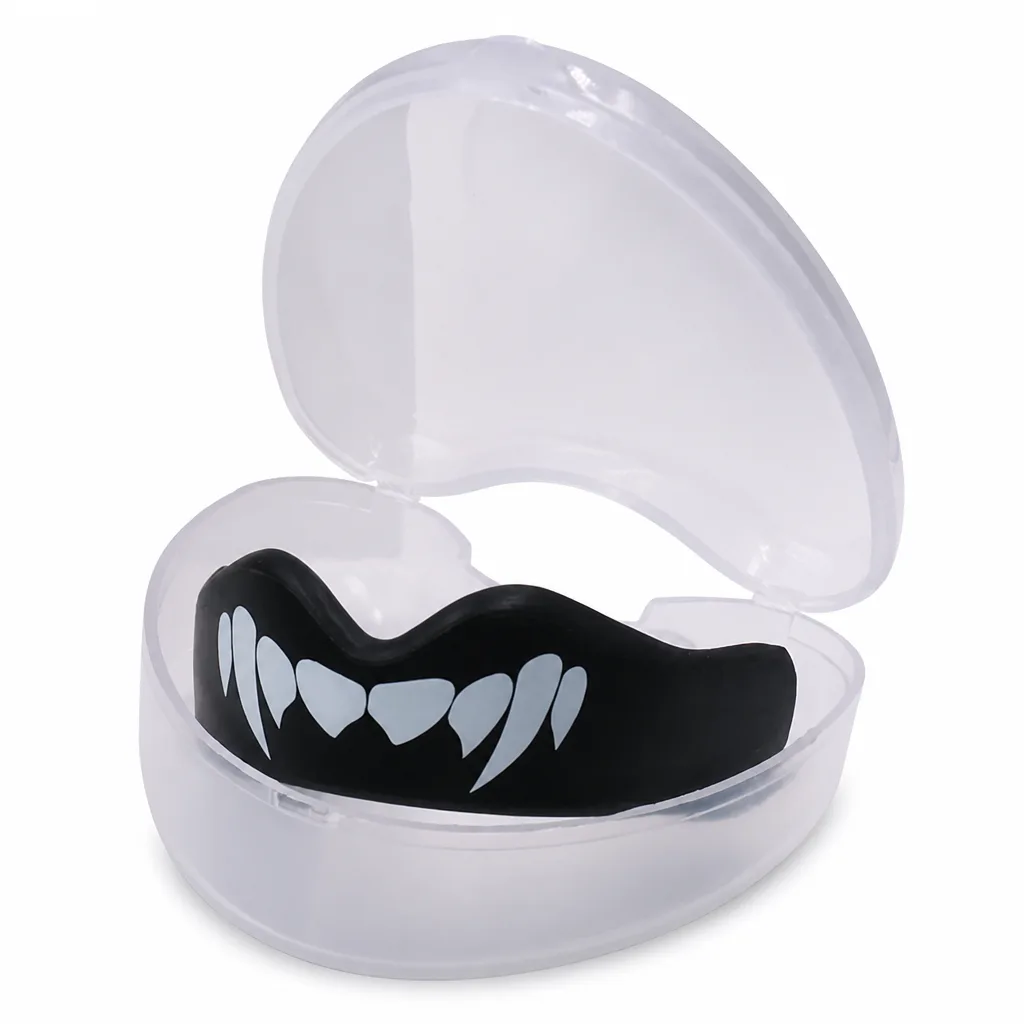
The Complete Guide to Mold a Mouthguard
Picture this: It's round three of a grueling sparring session at my old MMA gym in Las Vegas. I'm trading hooks with a heavyweight wrestler, sweat flying, when—crack—my ill-fitting mouthguard slips just enough to catch my lower lip on a glancing elbow. Blood in my mouth, training halted, and a lesson learned the hard way. If you've ever wondered how to mold a mouthguard that stays put through punches, kicks, and takedowns, you're not alone. As Marcus Silva, a former pro MMA fighter with over 15 years in the cage and countless hours testing gear, I've molded hundreds—from boil-and-bite basics for beginners to custom hybrids for title fights. At Apollo MMA, we stock the best options for fighters worldwide, and this guide will show you exactly how to mold a mouthguard for fighters, ensuring protection without compromise.
Understanding the Challenge of Mouthguard Fit in Combat Sports
Mouthguards aren't one-size-fits-all. In MMA, Boxing, Muay Thai, or Kickboxing, where strikes to the jaw are routine, a loose guard shifts during impacts, exposing teeth to chips, fractures, or worse—concussions from poor energy dissipation. Brazilian Jiu-Jitsu and Wrestling practitioners face different threats: grinding pressure from chokes or mounts that demands a secure lower fit to prevent cuts from braces or teeth misalignment.
Beginners often grab the cheapest option, only to find it too bulky for breathing or too thin for sparring. Pros like me know the trade-offs: EVA-based boil-and-bite models (like those from Hayabusa or Shock Doctor) offer affordability and customizability, but botched molding leads to slippage. Dual-layer guards excel in high-impact MMA training, while single-arch suffice for lighter BJJ rolls. Poor fit also hampers speech for coaching cues or causes jaw fatigue in long sessions—issues I've seen sideline amateurs and elites alike.
Factory sizing plays a role too. Without checking our [size guide], you might end up with a youth model that's comically small for adult training. Material matters: High-grade thermoplastic like EVA molds at 160-180°F, but overheating warps it permanently. Understanding these challenges separates casual gym-goers from serious fighters ready for competition.
Solution Overview: The Boil-and-Bite Method Done Right
The gold standard for MMA how to mold a mouthguard is the boil-and-bite technique—simple, effective, and customizable at home or in the gym. This method heats the guard's thermoplastic shell until pliable, then bites to capture your exact dental impression. No dentist visits needed, unlike lab customs that cost $200+ and take weeks.
At Apollo MMA, we recommend premium boil-and-bite guards from brands like Venum or OPRO for their layered gel linings that absorb shock better than basic EVA. For training versatility, opt for multi-sport models that handle everything from heavy bag work to no-gi grappling. The process takes under 10 minutes but demands precision: too hot, and it thins unevenly; too cool, and it won't conform.
This isn't guesswork—it's backed by standards from the American Dental Association (ADA) and UFC safety protocols, which mandate mouthguards disperse at least 50% of impact force. Whether you're molding for home workouts, commercial gym sessions, or fight night, this method delivers pro-level protection tailored to your bite.
Detailed Steps: How to Mold a Mouthguard Step-by-Step
Follow these steps precisely for the best how to mold a mouthguard results. I've refined this through trial-and-error in gyms from Thailand Muay Thai camps to Vegas fight weeks. Use a quality guard from our Apollo MMA collection—avoid dollar-store plastics that shatter on first impact.
Step 1: Gather Your Tools and Prep Your Space
- A fresh mouthguard (check our [size guide] for youth, small, medium, or large based on your dental arch).
- Medium saucepan or microwave-safe bowl for boiling water (never microwave the guard directly).
- Digital thermometer (optional but ideal—aim for 165°F).
- Cold water bath (bowl of ice water).
- Timer and mirror for bite check.
- Towel to protect counters.
Work in a clean, well-lit area. Brush teeth first—no food residue. For braces wearers (common in BJJ beginners), add a thin wax layer to avoid pressure points.
Step 2: Initial Soften in Boiling Water
- Bring water to a rolling boil, then remove from heat. Submerge the mouthguard for 60-90 seconds—watch for softening but no bubbling (over 190°F risks degradation).
- Shake off excess water with tongs. Test pliability: It should drape like warm putty.
Pro insight: Hayabusa's hybrid guards soften faster due to their gel-EVA blend, ideal for quick gym remolds during how to mold a mouthguard for training.
Step 3: Center and Bite for Custom Fit
- Place guard on upper teeth, centering molars. Use mirror to align midline with your front teeth.
- Bite firmly but not crushingly—sink canines 3-5mm, keeping lips closed. Breathe through nose.
- Suction gently with cheeks to create vacuum seal, then flatten with fingers for even thickness (aim for 3-4mm overall).
- Hold 1-2 minutes until firm. No shifting? Dunk in ice water 30 seconds to set.
Test fit: It should feel snug without gagging. Speech a clear "sisss" test? Good. For lower guards (rare but useful in Wrestling), repeat process separately.
Step 4: Test, Trim, and Refine
- Wear during shadowboxing or light drilling. Adjust by reheating if loose.
- Trim excess with scissors—leave 1-2mm lip overlap.
- Remold up to 3x if needed; beyond that, replace.
For dual-arch MMA guards like Ringside's, mold upper first, let set, then lower—prevents interference in clinches.
Step 5: Maintenance for Longevity
Rinse post-use, air-dry. Store in ventilated case. Replace every 6 months or after heavy sparring—cracks form invisibly under repeated flexing.
Expert Tips from a Pro Fighter's Playbook
In my career, I've seen mouthguards save teeth during knockouts but fail from overlooked details. Here's insider knowledge for all levels:
- For Beginners: Start with Everlast single-layer for cost ($10-15), but upgrade to OPRO gold for BJJ where airflow trumps bulk. Mold loosely first session to avoid over-bite soreness.
- Sparring Warriors: Venum's triple-density absorbs 70% more force than basics—test in pad work before full contact. If you lisp post-mold, it's too thick; remold thinner.
- Pro Fighters: Custom impressions via dentist + boil-and-bite overmold (like Shock Doctor pros use). For Kickboxing head-kicks, prioritize posterior padding.
- Body Type Tweaks: Wide jaws (common in wrestlers)? Use large size per our [size guide]. Braces? Gel-fit models prevent ulcers.
- Training Scenario Hacks: Home gym? Microwave water for speed. Gym? Use gym's provided pots, but bring your own. Muay Thai clinch-heavy? Double-mold for stability.
- Safety Red Flags: Cracks, yellowing, or odor? Toss it. No guard for striking sparring risks $5K dental bills—cheaper than regret.
- Lesser-Known Gem: Flavor packs (mint for long sessions) improve compliance. And for women fighters (smaller arches often), small/medium molds flatter without bulk.
Honest talk: No mouthguard is invincible. Pair with headgear for amateur fights. Price-to-value? $20-40 guards last 6x longer than $5 junk.
Reference our full [size guide] before buying, and explore Apollo MMA's collection for Tatami BJJ hybrids or Fairtex Muay Thai options.
Conclusion: Gear Up Right with Apollo MMA
Mastering how to mold a mouthguard for fighters transforms sloppy protection into a seamless edge—whether grinding guard passes in BJJ, slipping punches in Boxing, or surviving five-round wars in MMA. From my bloodied lip that day to mentoring pros today, I've seen perfect fit prevent injuries and boost confidence. Don't settle for stock discomfort; follow this guide, test rigorously, and train fearlessly.
Ready to protect your smile? Apollo MMA carries the world's top mouthguards—Hayabusa, Venum, Shock Doctor, and more—shipped fast to gyms and doorsteps worldwide. Check our selection today, use the [size guide], and fight smarter. Your next session starts protected.
Written by Marcus Silva, Former Pro MMA Fighter & Apollo MMA Gear Expert