The Complete Guide to Pack a Gym Bag for BJJ
By Sarah Chen, BJJ Black Belt & Strength Coach at Apollo MMA
Introduction: Forgot Your Gi Again?
Have you ever rushed to BJJ class, mat space calling your name, only to unzip your gym bag and find your gi tangled at the bottom—soggy from last session? If you're wondering how to pack a gym bag for BJJ that keeps you organized, efficient, and ready to roll, you're in the right place. As a Brazilian Jiu-Jitsu black belt with over a decade on the mats and years coaching fighters at every level, I've packed thousands of bags for training sessions, competitions, and open mats. This guide isn't generic advice—it's battle-tested wisdom from real-world sweat and submissions.
Whether you're a white belt hitting your first class, an intermediate grappler drilling daily, or a pro MMA fighter blending BJJ into your camp, the right packing system saves time, prevents injuries from forgotten gear, and lets you focus on technique. We'll cover everything from essentials to pro hacks, tailored for MMA how to pack a gym bag for BJJ cross-training. By the end, your bag will be as dialed as your guard game.
Background: From Duffels to Dedicated Fight Bags
Gym bags have evolved alongside combat sports. In the early days of BJJ, popularized by the Gracie family in the 1990s, fighters stuffed canvas duffels with a single gi and a towel—simple, but chaotic. As MMA exploded post-UFC 1 in 1993, brands like Hayabusa and Venum pioneered ventilated backpacks with dedicated compartments for gloves, shin guards, and gis. Today, BJJ-specific bags from Tatami and Shoyoroll feature anti-microbial linings to combat mat bacteria, a nod to hygiene horrors like ringworm outbreaks in crowded academies.
This shift mirrors training demands: commercial gyms require quick in-out packing for back-to-back classes, while competition bags prioritize portability for travel to IBJJF Worlds or local tournaments. Understanding this history helps you choose gear that matches your routine— no more wrestling a soaked gi out of a generic Adidas sack mid-sparring.
Key Concepts for BJJ Gym Bag Mastery
Packing smart starts with three pillars: organization, hygiene, and portability. Organization prevents rummaging during warm-ups; hygiene fights staph and funk in no-gi sessions; portability ensures you grab-and-go for 6 a.m. drills or post-work flights.
Choose bags by volume: 40-50L for daily training (fits gi, spares, shoes), 60L+ for comps with multiple gis. Prioritize ventilated mesh panels—I've seen non-breathable bags turn gis moldy overnight. For skill levels, beginners focus on basics; pros add recovery tools like foam rollers.
- Modular Packing: Use sub-bags for dirty/clean separation.
- Weight Distribution: Heavy gis at bottom, snacks up top.
- Safety First: Mouthguards and tape always accessible to avoid tap-outs from gear fails.
These concepts scale across disciplines—MMA fighters pack shin guards for Muay Thai kickboxing days, wrestlers add headgear—but BJJ demands gi-specific real estate.
Detailed Analysis: What's In Your Bag?
The Core: Gi or No-Gi Base Layer
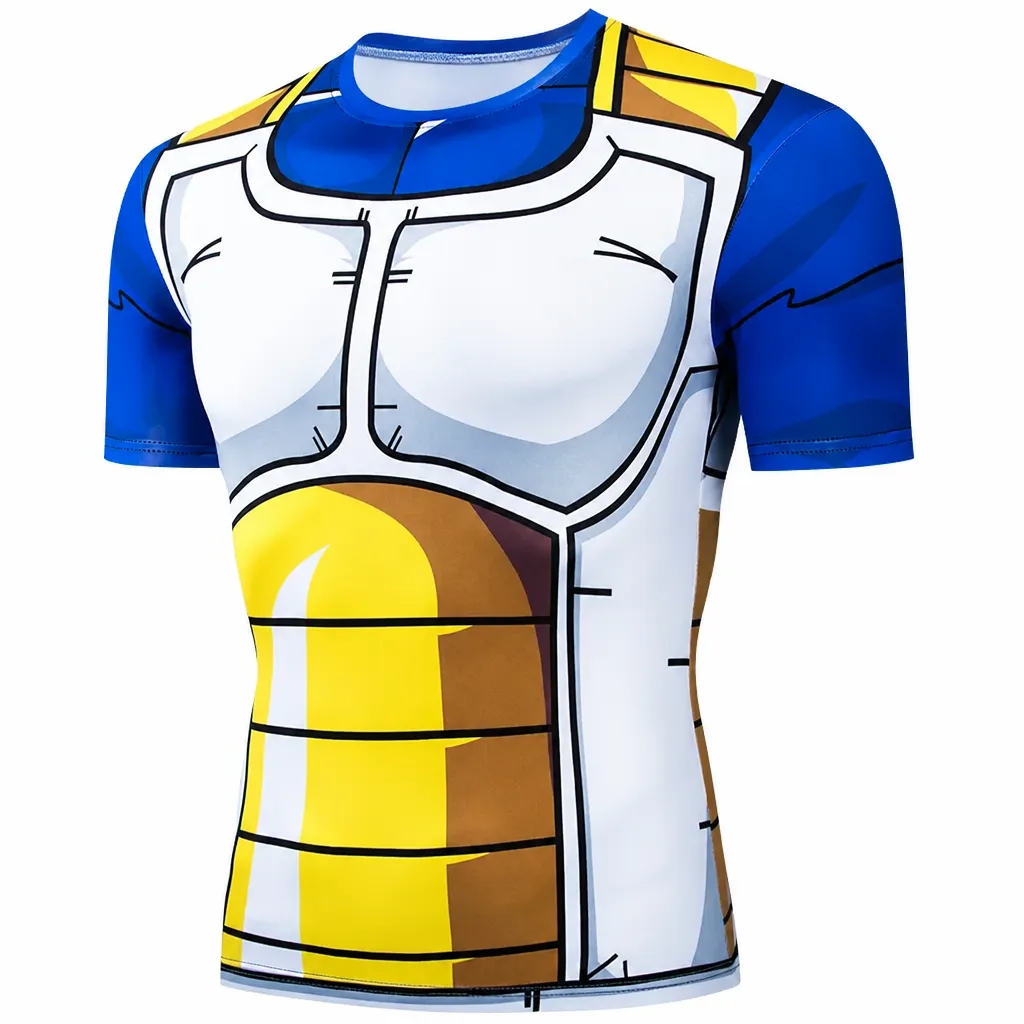
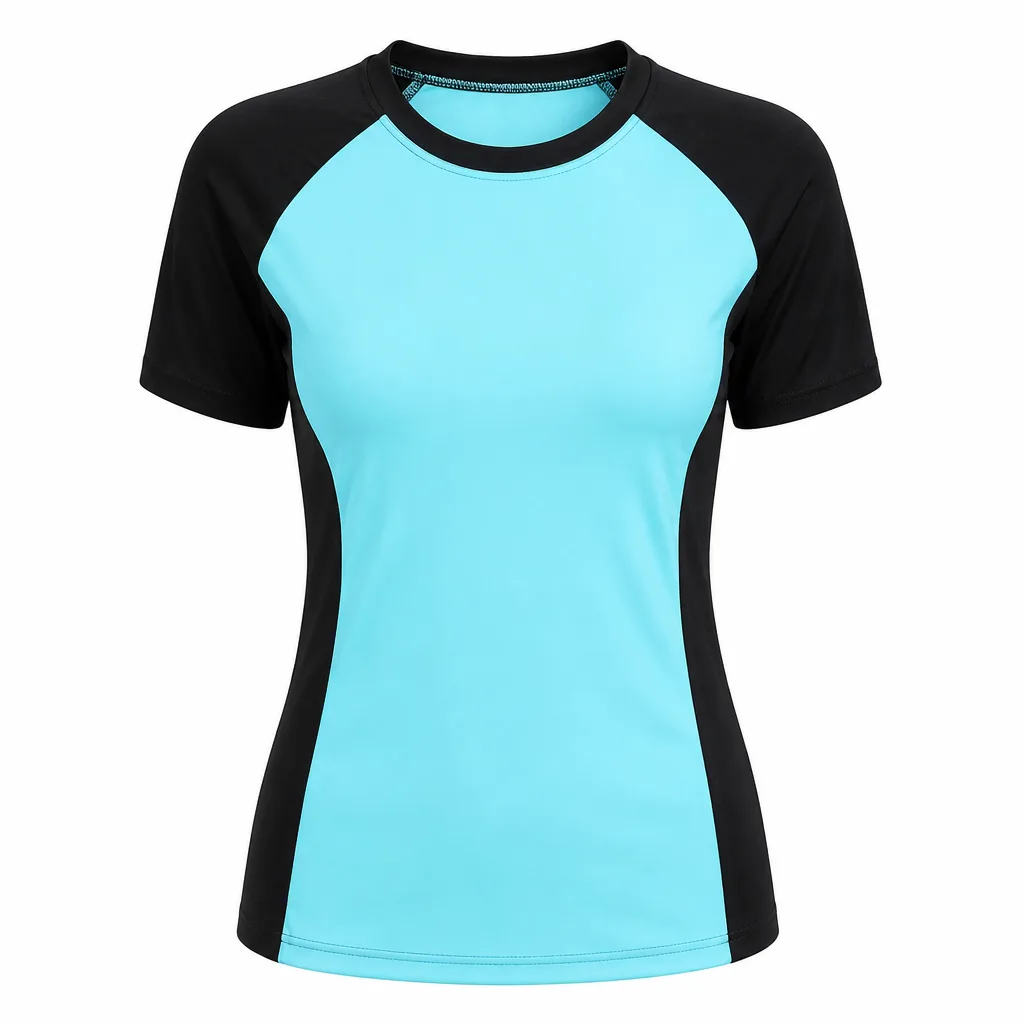
Your gi is the star. For traditional training, pack a 350-450gsm pearl weave like Tatami Elements—durable for shrimping without shredding. Roll it tightly (inside-out for faster drying) or fold flat. No-gi? Layer a spats/rashguard combo: graphene-infused Hyperfly rash guards wick sweat better than basic poly, crucial for sweaty guard passes.
Sizing matters—check our [size guide] to avoid baggy fits that hinder grips. Pro tip: Pros like Gordon Ryan pack two gis for comps, alternating to manage moisture.
Protection and Hygiene Essentials
Mouthguard: Boil-and-bite Shock Doctors for custom fit—essential for sparring to protect against elbow strikes in MMA crossover. Athletic tape (3M zinc oxide) for finger jams; pack pre-cut strips in a ziplock.
Flip-flops or water shoes: EVA foam Crocs-style prevent foot fungus from shared showers. Towel hierarchy: Microfiber for drying gi (absorbs 7x its weight), sweat towel for face during rolls. Deodorant, baby powder for rash-prone areas, and Lysol wipes kill 99% of mat bacteria—I've coached athletes who skipped this and regretted it with staph scars.
Hydration, Fuel, and Recovery
Insulated shaker with electrolytes (LMNT packets for low-carb fighters). Snacks: Jerky or nuts for post-class protein without gut bombs. Change of clothes: Compression shorts (2XU for circulation) and dry-fit tee prevent chafing on the drive home.
For home workouts, add a yoga mat; gym rats need shin guards if blending Kickboxing. Durability note: Avoid cheap nylon—Ripstop backpacks from Venum withstand 500+ sessions.
Bag Types: Best How to Pack a Gym Bag for BJJ
Best for Training: Hayabusa Hexagon backpack—vented gi compartment, shoe pocket. For Fighters/Comps: Shoyoroll Travel Bag, water-resistant canvas holds two gis securely.
Trade-offs: Backpacks beat duffels for balance during sprints to class, but duffels like Bad Boy offer cheaper bulk.
Practical Applications: Scenarios That Matter
Beginner Gym Training: Focus minimalism—gi, belt, mouthguard, towel, water. Pack in a 30L sling bag for quick locker room swaps. Common mistake: Forgetting belt; it unravels en route.
Intermediate Sparring/Open Mats: Add rashguard/spats for no-gi rounds, headguard (Cliff Keen for cauliflower ear prevention), and knee sleeves (Muay Thai-style neoprene). Scenario: Friday night open mat—pack snacks to refuel between 10-round rolls.
Competition Day (how to pack a gym bag for BJJ for fighters): Triple-check: Two gis (A/B colors), extra obi, scissors for tape. Use labeled pouches. Travel tip: TSA-compliant liquids only; dry shampoo over gels.
MMA Cross-Training (how to pack a gym bag for BJJ for training): Integrate Boxing wraps, Wrestling shoes (Asics Matflex). Home gym? Resistance bands for solo drilling.
Safety across all: Clean gear weekly in hot water (OxiClean kills odors without fabric damage). For crowded academies, anti-fungal powder is non-negotiable.
Expert Recommendations from the Mats
As a coach who's prepped pros for ADCC trials, here's my curated list from Apollo MMA's premium collection:
- Bag: Tatami Nova Backpack—anti-odor lining, lasts 3+ years of daily use. $89.99.
- Gi: Origin Pacific Pearl Weave—pre-shrunk 425gsm, IBJJF approved. Check our [size guide] for perfect fit.
- No-Gi: Venum Altitude Rashguard—compression mapping reduces fatigue in long sessions.
- Accessories: Hayabusa Mouthguard, Fairtex Flip-Flops. Pro hack: Sub-compartment bag like Gym Laundry Bag ($19.99) for wet gear isolation.
- Upgrade for Pros: Shoyoroll Batch Gi Duffel—canvas build shrugs off airport abuse.
Honest take: Skip $200+ hype bags unless competing; mid-tier like Ringside delivers 90% value. Shop our [BJJ collection] for bundles saving 15%—stock rotates fast.
Insider tip: Pack electronics last (AirPods for warm-up playlists), and always have a spare hair tie—long-haired grapplers, you know why.
Conclusion: Roll Ready, Every Time
Mastering how to pack a gym bag for BJJ transforms chaos into confidence, letting you tap into flow state faster. From hygiene hacks preventing downtime to comp-ready organization, these strategies scale for any fighter—from white belt enthusiasts to UFC contenders blending BJJ with Muay Thai.
Implement this checklist tomorrow: You'll shave 10 minutes off prep, protect your health, and elevate performance. Gear up at Apollo MMA, your worldwide source for premium MMA and BJJ equipment. Questions? Drop a comment—let's dial your bag together.
Train smart, roll hard.
(Word count: 1,728)