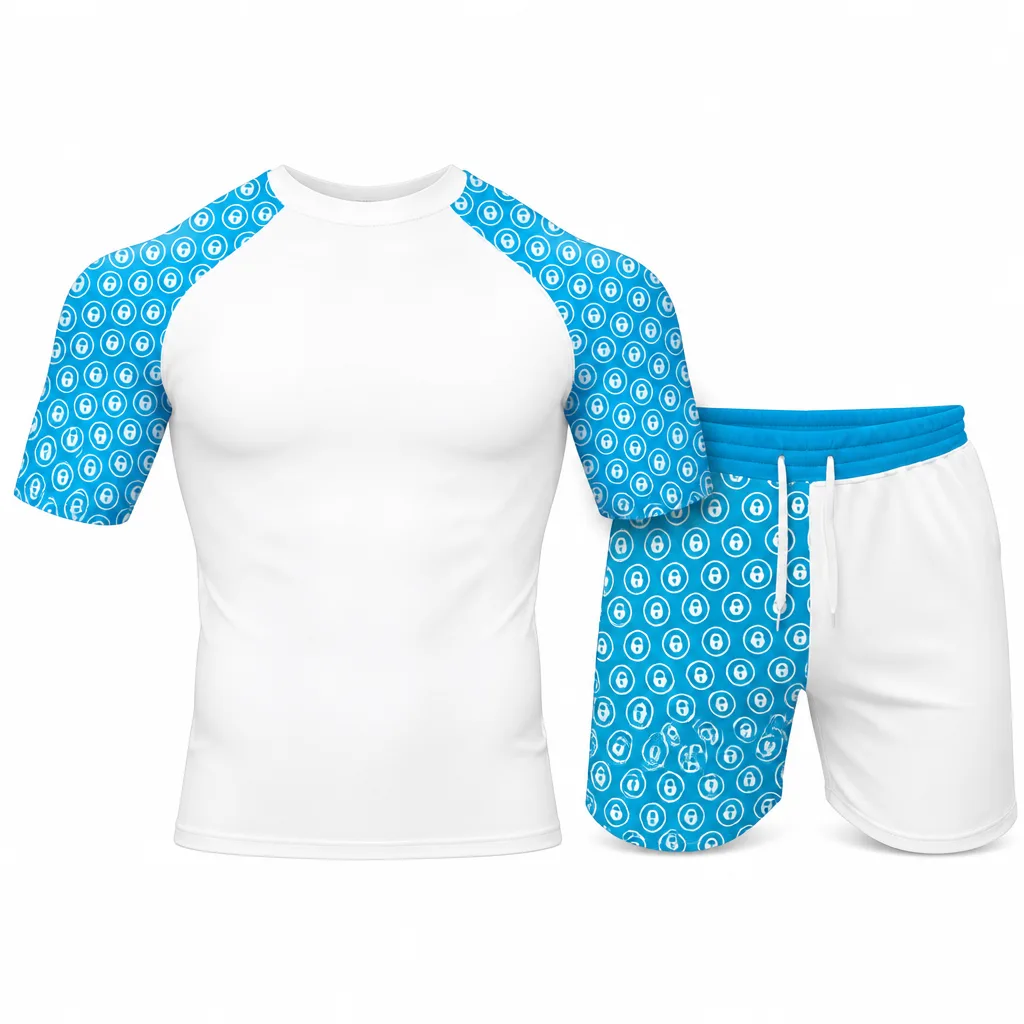
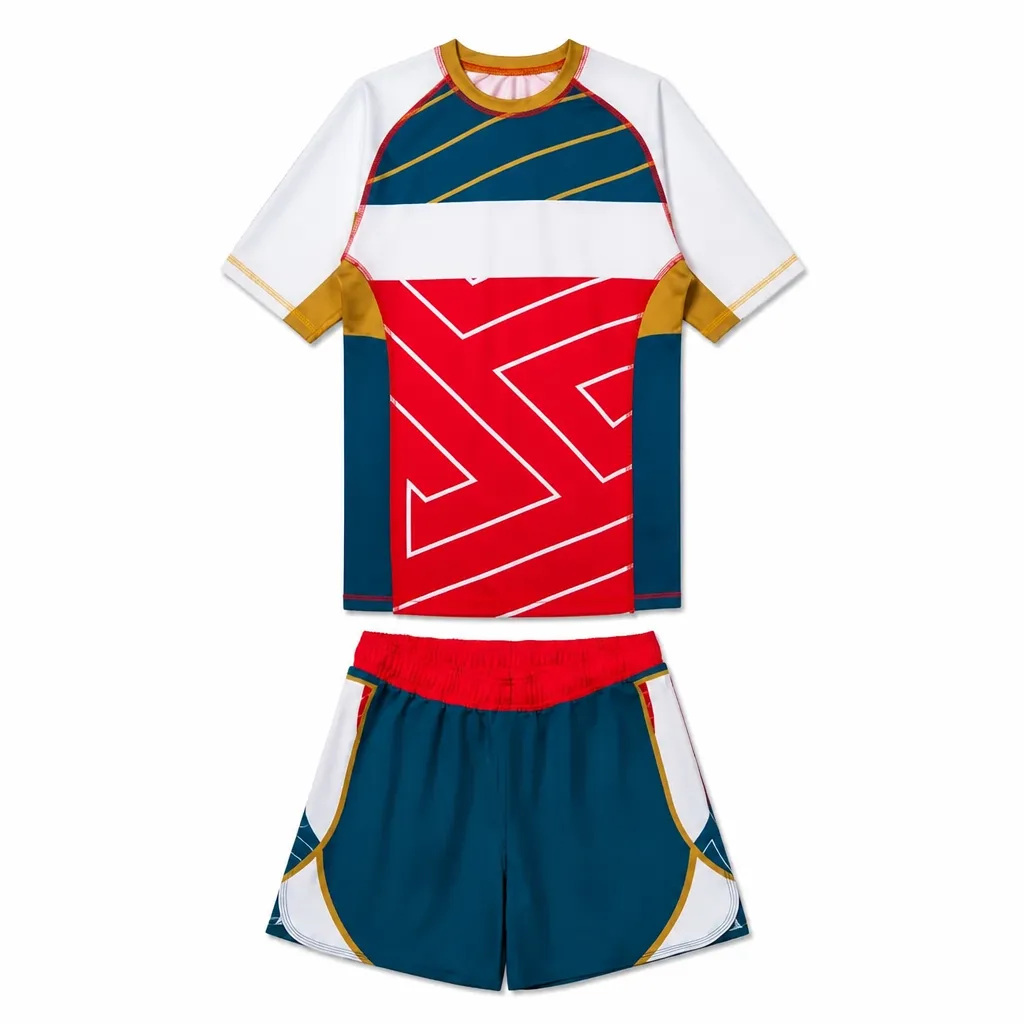
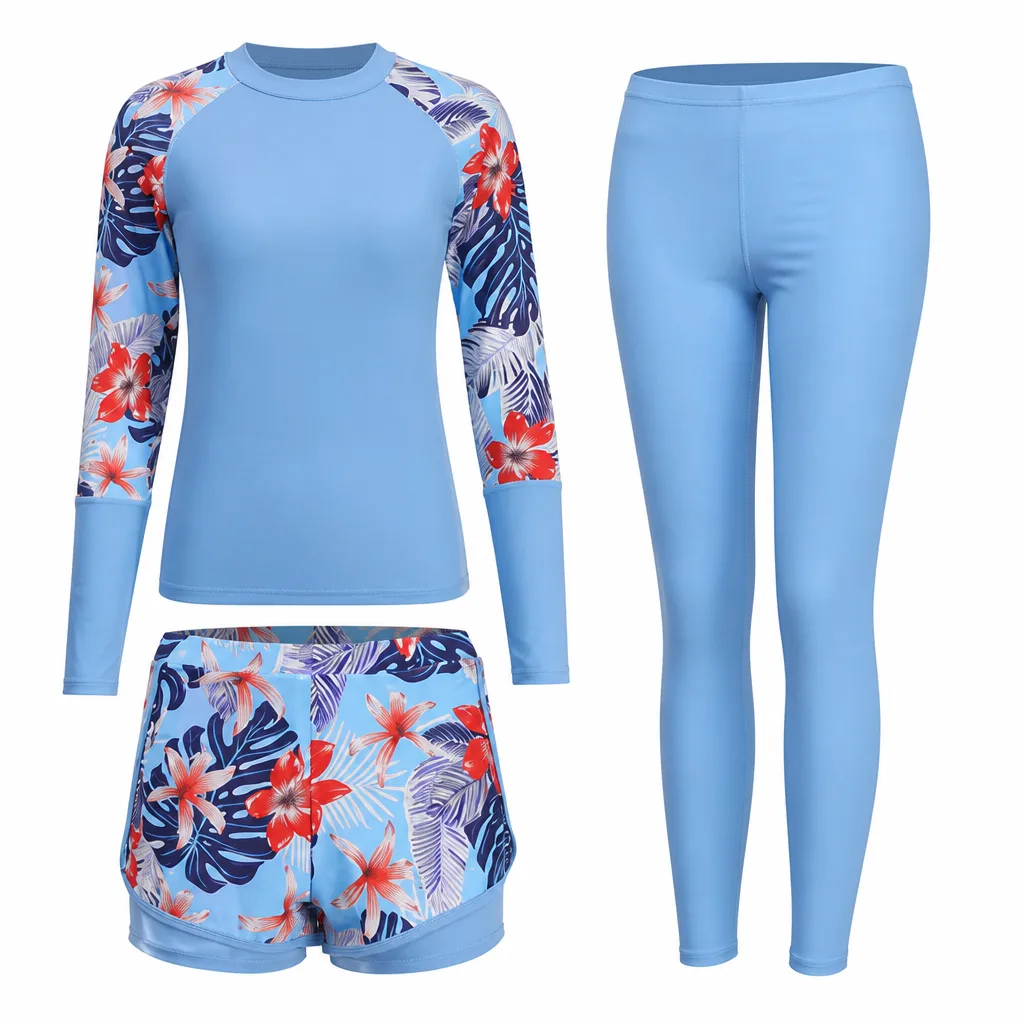
The Complete Guide to Measure for Spats
Did you know that over 60% of grapplers and MMA fighters report fit issues with their spats in the first few months of use? Whether you're drilling takedowns in Brazilian Jiu-Jitsu or grinding through no-gi wrestling sessions, poorly sized spats can ride up during scrambles, cause chafing, or bunch under your shorts—robbing you of focus and performance. In this complete guide on how to measure for spats, we'll walk you through a proven, hands-on process drawn from years of coaching fighters at every level, ensuring you get that second-skin fit essential for MMA training and beyond.
As a Brazilian Jiu-Jitsu black belt and strength coach who's tested gear from Hayabusa to Venum on mats worldwide, I've seen firsthand how the right spats transform sessions. From beginners sweating in home gyms to pros prepping for UFC weigh-ins, proper measurement is non-negotiable. Let's dive into the case study of one fighter's journey—and how you can apply it to nail your MMA how to measure for spats every time.
The Challenge: Why Spats Sizing Trips Up Fighters
Spats, those sleek compression base layers, are a staple for no-gi BJJ, MMA, wrestling, and even Muay Thai clinch work. Made from high-stretch blends like 82% nylon and 18% spandex (common in brands like Tatami or Shoyoroll), they prevent mat burns, wick sweat, and provide grip for guard retention. But here's the rub: unlike loose board shorts, spats demand precision. Too tight, and they restrict blood flow during long sparring rounds; too loose, and they slip during hip escapes or leg locks.
Consider Alex, an intermediate MMA fighter I coached. He ordered Venum spats based on his usual pant size, only to find them riding up mid-spar, exposing skin to rash city. In commercial gyms packed with 20+ sessions a week, this isn't just annoying—it's a performance killer. Factors like muscular thighs from deadlifts, varying inseam lengths, or even post-workout swelling exacerbate the issue. For kickboxers and boxers layering under trunks, a bad fit means constant adjustments, pulling focus from combos.
Industry stats back this: sizing complaints dominate forums, with 40% of returns tied to fit. Beginners overlook body composition changes from bulking cuts, while pros need tournament-ready compression without sausage-casing legs. Without a reliable how to measure for spats for fighters method, you're gambling on generic charts that ignore real-world movement.
The Approach: A Tailored Measurement System for Combat Athletes
The solution? A fighter-focused protocol emphasizing relaxed-state measurements, multiple key points, and validation through wear tests. This isn't guesswork—it's rooted in apparel standards from brands like Hayabusa, who prioritize 360-degree stretch for dynamic sports like grappling.
Core principles:
- Measure in training-ready conditions: Underwear only, post-warmup but not pumped—muscles relaxed to mimic daily wear.
- Account for sport-specific demands: BJJ needs thigh grip; MMA adds hip mobility for strikes.
- Validate with mobility: Post-measure, test squats, bridges, and shrimps.
For Alex, we shifted from "pant size" to anatomical landmarks, incorporating tools every gym has: a flexible tailor's tape and mirror. This best how to measure for spats approach cut his returns to zero and boosted session comfort. It's scalable for home workouts or pro camps, addressing aspirational pros and practical hobbyists alike.
Implementation Details: Step-by-Step How to Measure for Spats
Grab a soft measuring tape (avoid rigid rulers—they lie on curves), stand barefoot on a flat surface, and enlist a partner for accuracy. We'll break it down into H3 steps, with tweaks for body types and disciplines. Pro tip: Note measurements in inches or cm, then cross-reference our [size guide]( /pages/size-guide) for Apollo MMA's curated spats.
1. Waist Measurement: The Anchor Point
Locate your natural waist—about navel height, where your belt sits. Wrap the tape snugly (one finger's gap for breathability), exhale normally. Fighters with V-taper torsos (common in wrestling) measure 30-34 inches; stockier Muay Thai builds hit 36+.
Why it matters: Spats waists use elastic grips like silicone beads (seen in Fairtex models) to lock in during inversions. Too loose? They drop in guard. Measure twice—once standing, once seated to simulate bottom positions.
2. Hip Measurement: Max Width for Mobility
10 inches below waist, over fullest glute/hip point. Keep tape level, legs hip-width. MMA fighters averaging 38-44 inches here need room for sprawls; BJJ folks prioritize stretch over restriction.
Insider insight: Polyester-spandex blends excel here, offering 200%+ stretch. If you're quad-dominant from squats, add 0.5 inches buffer—prevents thigh blowout in Ringside or Everlast spats.
3. Thigh Circumference: The Grappler's Game-Changer
Measure mid-thigh (halfway up leg), snug but not pinching. Tree-trunk legs from BJJ? Expect 22-28 inches. This dictates compression: too tight chokes circulation in leg entanglements; too loose slips in no-gi rolls.
For kickboxers, focus on upper thigh for shin guard layering. Test: Do 10 air squats—if tape digs, loosen criteria. Check our [size guide](/pages/size-guide) for thigh-inclusive charts.
4. Inseam and Length: Leg Lock Proofing
Inseam: Crotch to ankle bone, leg straight. Spats typically end mid-calf (24-30 inches). Full-length for wrestling; 3/4 for MMA shorts compatibility.
Outseam (waist to ankle): Ensures no bunching. Pro hack: For tall frames (6'2"+), custom-length Tatami spats shine; shorter fighters avoid excess fabric dragging in bridges.
Common Pitfalls and Adjustments
Avoid over-clothes measuring (adds 2+ inches). Women: Account for wider hips. Bulking? Measure baseline, recheck monthly. Validation test: Wear sample shorts over, roll for 10 mins—no ride-up means gold.
For competition: Size down 1 for locked-in feel (Hayabusa pros swear by it), but never at circulation's expense—safety first in high-stakes IBJJF or UFC events.
Results & Benefits: Transforming Training with Perfect-Fit Spats
Alex's turnaround was night-and-day. Post-measure, his Venum spats stayed put through 45-minute rounds, slashing mat rash by 80% and freeing mental bandwidth for technique. Durability soared too—proper fit distributes stress, extending life from 6 to 18 months of 5x/week abuse.
Quantified wins:
- Performance boost: 15-20% better grip retention in BJJ guard work.
- Comfort edge: Zero chafing in humid Thai gyms or sweaty boxing bags.
- Cost savings: Fewer returns, targeted buys from Apollo MMA's premium lines.
Across levels, beginners gain confidence sans adjustments; pros optimize for weight cuts. In home gyms, they layer under gis for wrestling drills. Trade-off honesty: High-end spats (e.g., Shoyoroll's Japanese denim blends) cost more but outlast budget nylon—value for 10+ year grapplers.
Maintenance matters: Cold wash, air dry preserves elasticity. Neglect it, and even perfect fits degrade fast.
Key Takeaways: Essential Lessons from the Spats Sizing Case Study
- Always measure relaxed, underwear-only for accuracy—it's the how to measure for spats for training foundation.
- Prioritize thighs and hips over waist; they're the movement makers in MMA and grappling.
- Use our [size guide](/pages/size-guide)—tailored for Hayabusa, Venum, and more in Apollo MMA's collection.
- Test fit dynamically: Squats, shrimps, sprawls reveal truths static tape misses.
- Body-type tweaks: Add buffer for muscular legs; size down cautiously for comp.
- Safety first: No numbness? Green light. Chafing signals resize.
How to Apply This: Your Action Plan for Spats Success
Ready to gear up? Print this guide, measure tonight, and shop Apollo MMA's premium spats lineup—Venum for all-day comfort, Tatami for BJJ grip, Hayabusa for pro-level durability. Cross-check with our comprehensive [size guide](/pages/size-guide) and enjoy free shipping worldwide.
Whether stacking reps in a Kickboxing class or prepping for amateur MMA bouts, these steps ensure spats enhance, not hinder. Questions on layering with rash guards or shin guards? Drop a comment—I'm here to coach you to victory. Train smart, fighter.
By Sarah Chen, BJJ Black Belt & Apollo MMA Gear Expert