---
---
Dominate with No-Gi Guard Passing: Essential Techniques for BJJ
In the early days of Brazilian Jiu-Jitsu, the Gracie family revolutionized grappling by emphasizing ground fighting in a gi, where collar and sleeve grips provided unparalleled control. But as BJJ evolved into MMA in the 1990s—think Royce Gracie submitting behemoths at UFC 1—the landscape shifted dramatically. No-gi grappling emerged as the crucible for no-gi guard passing, demanding speed, pressure, and adaptability without fabric to clutch. Today, fighters worldwide face a stark reality: getting stalled in an opponent's open or butterfly guard can spell disaster in a roll, sparring session, or cage fight. If you've ever felt pinned by de la Riva hooks or knee shields without a clear path forward, this no-gi guard passing guide is your roadmap to breaking free and dominating from top.
Understanding the Challenge of No-Gi Guard Passing
No-gi environments strip away the gi's friction-based control, turning guard retention into a slick, athletic battle. In gi BJJ, you might yank a pant leg to off-balance an opponent; in no-gi, it's all about underhooks, wrist control, and explosive movement. This shift amplifies challenges for beginners who rely on static grips and pros transitioning from gi who underestimate the speed required.
Consider a typical gym scenario: you're drilling with a partner sporting a strong butterfly guard. Their feet frame your hips, shins block your posture, and without gi pants to grab, your hands slide off sweaty skin. In MMA no-gi guard passing, add striking threats—opponents shrimp away or launch upkicks, forcing you to manage distance while evading elbows. Data from high-level competitions like ADCC shows top passers succeed 70% more often by prioritizing hip pressure over arm drags, highlighting the need for precise technique over brute force.
Safety plays a role too. Poor passes lead to guillotines or leg entanglements, risking injury during high-intensity rolls. For home workouts or commercial gyms, understanding these dynamics prevents frustration and builds a foundation for no-gi guard passing for fighters across skill levels.
Solution Overview: Core Principles for Effective No-Gi Passes
The best no-gi guard passing hinges on three pillars: pressure, angles, and mobility. Pressure pins the hips, denying recovery space; angles create off-balancing levers; mobility lets you chain passes fluidly. Unlike gi passing, where you might stall in kesa gatame, no-gi demands constant forward drive to counter framing.
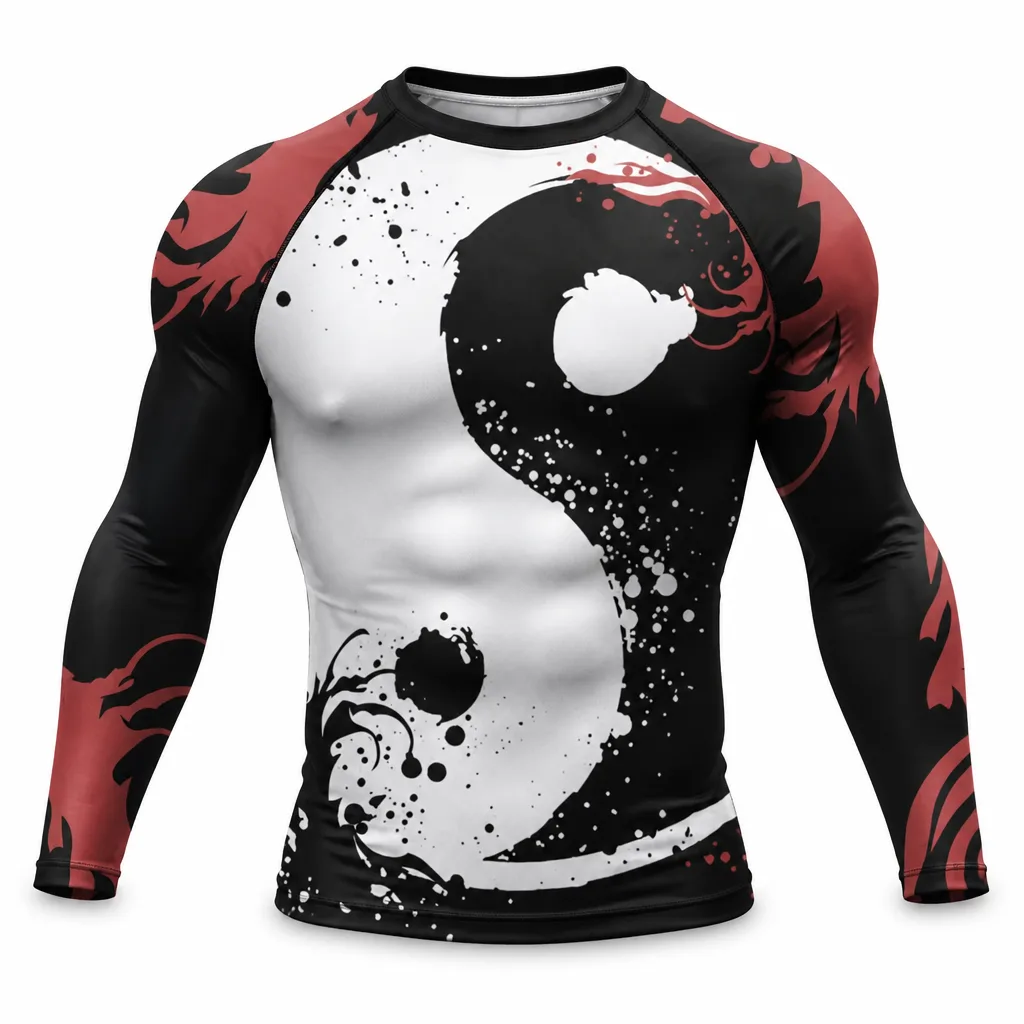
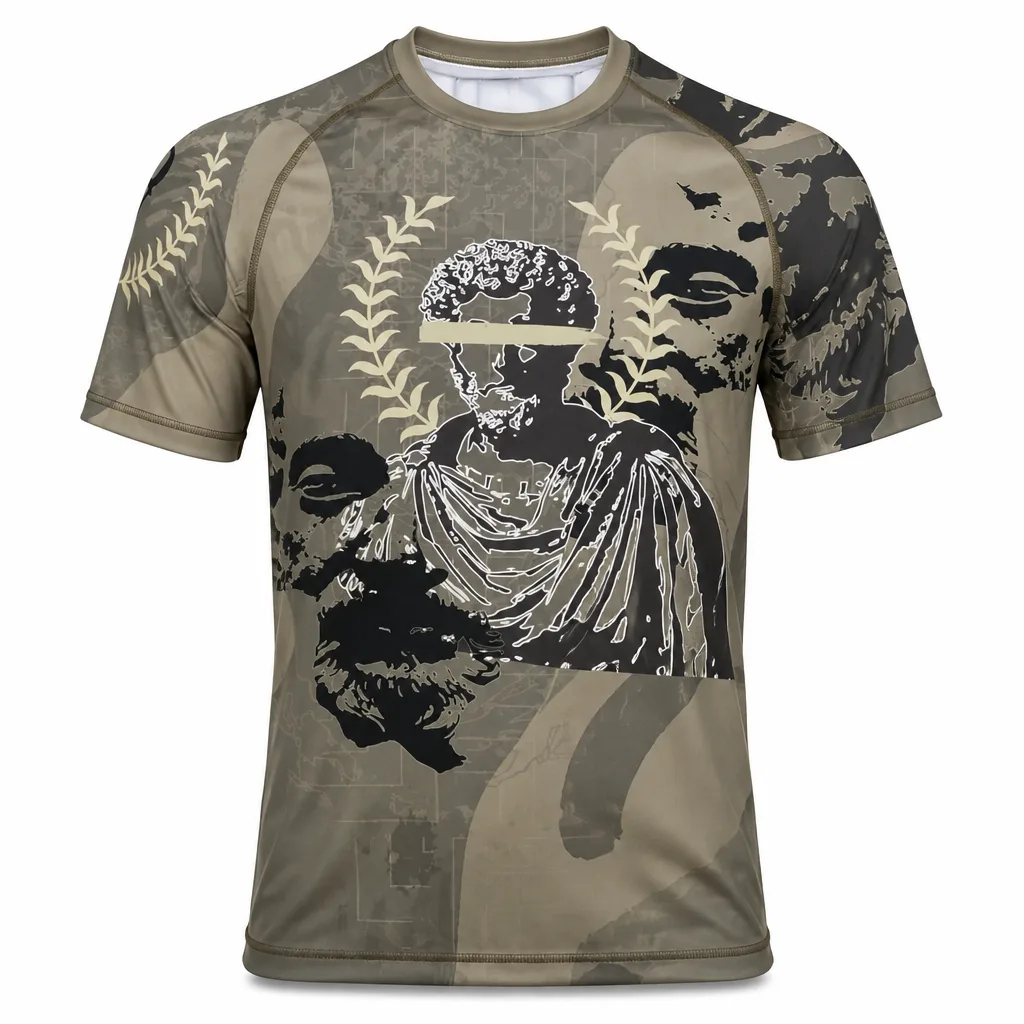
Start with posture—knees wide, elbows tight to block underhooks. From here, passes like the toreando, knee slice, and long-step variants shine. Gear matters immensely: opt for compression spats or our no-gi spats collection at Apollo MMA to mimic gi grip on legs, reducing slipperiness. Venum or Hayabusa rash guards wick sweat, maintaining hand traction during sweaty sparring sessions.
This overview sets the stage for detailed execution, tailored to training environments from mat space in a Muay Thai gym to competition butterflies under lights.
Detailed Steps: Mastering Key No-Gi Guard Passing Techniques
Break down passes into phases: entry, disruption, and finish. Practice these in progression—shadow drill for beginners, live resistance for advanced fighters. Always warm up with dynamic stretches to protect knees, a common injury site in aggressive passing.
The Toreando Pass: Speed and Control
A staple since the no-gi boom, the toreando (bullfighter pass) excels against open guard. Step 1: Posture up high, hands on opponent's shins to flatten their knees. Step 2: Circle your lead arm inside their framing leg while pushing the opposite shin across their midline—this creates torque without grips.
Step 3: Explode hips forward as you step your lead foot outside their hip, landing in a combat base. In MMA contexts, this pass sets up ground-and-pound; I've seen pros like Gordon Ryan chain it into back takes seamlessly. For durability in reps, wear lightweight MMA shorts from our Apollo MMA selection like Fairtex models, which offer split sides for unrestricted leg drive without riding up.
Common pitfall: Hesitating on the circle step invites recovery. Drill 50 reps per side, focusing on hip snap.
Knee Slice Pass: Pressure for Butterfly and Half Guard
Ideal for MMA no-gi guard passing, the knee slice penetrates deep into closed or butterfly guards. Position: Stack their knees toward their beltline, inserting your knee between their thigh and torso. Drive your shoulder into their hip while slicing the knee across.
As their bottom knee lifts, post your hand on the mat and rotate through to side control. This pass thrives on body weight—lean in like you're crushing a heavy bag. In wrestling-influenced BJJ, like at American Top Team gyms, it's gold for chaining to north-south chokes.
Gear tip: Tatami or Shoyoroll fight shorts with silicone grips prevent thigh slides, crucial for intermediate fighters building pressure. Expect 4-6 months of heavy use before silicone wears, but the initial edge is unmatched.
Long-Step and Speed Pass: For Dynamic Opponents
Against mobile foes—like a kickboxer shrimping wildly—use the long-step. Feint a toreando, then step your trail leg deep past their hip, dropping elbow to mat for control. Follow with underhook on the far hip to flatten.
The speed pass variant skips frames entirely: Jump both knees outside their legs, landing in a low ride. Pros favor this in no-gi tournaments for its explosiveness, but beginners should matador it slower to avoid knee torque.
In home gyms, pair with no-gi specific BJJ rash guards from Hayabusa—their IFL cut reduces bunching during low slides, unlike baggy tees that snag.
Over-Under Pass: Advanced Grip Fighting
For leg entanglements, the over-under grabs an overhook on the near arm and underhook on the far leg. Step over the underhooked leg, switch hips, and smash to side. This Giancarlo Bodoni favorite counters ashi garami entries prevalent in modern no-gi.
Practice against a resisting partner framing your neck—drill escapes first. Safety note: Tape wrists if rash guards lack silicone lining to prevent mat burns on dives.
Expert Tips from 20+ Years in Combat Sports Gear and Training
As a former boxing coach who's tested gear on thousands of pads and now specializes in MMA equipment at Apollo MMA, I've seen what separates passers. First, grip hygiene: No-gi hands sweat fast—use chalk alternatives like liquid grip (avoid baby powder; it slicks mats). Pair with Ringside or Everlast no-gi gloves for sparring, though purists stick to bare hands with wraps.
Body type matters: Lanky fighters excel at long-step for reach; stockier builds dominate knee slices via leverage. For pros, integrate wrestling shots pre-pass to fatigue guards. Lesser-known: Train passes bilateral—most stall same-side due to handedness bias.
- Drill Progression: Solo shadows (5 mins), partner static (10 mins), live rolling (15 mins). Track pass success rate weekly.
- Gear Maintenance: Wash rash guards inside-out post-session; silicone shorts last 2x longer air-dried. Avoid cheap nylon—they pill after 20 washes, reducing traction.
- Safety Drills: Always tap early to guillotines; use mouthguards in MMA crossover training.
- Competition Prep: Simulate mat temperature—cold starts mimic tourneys, testing grip.
Honest trade-off: High-end gear like Venum Elite shorts ($60+) outperforms budget ($20) in mobility but isn't essential for beginners. Start basic, upgrade as technique sharpens. In Kickboxing gyms blending striking, passes prevent guard pulls mid-sprawl.
Anticipating questions: For women or smaller frames, prioritize low-profile spats to avoid bulk. Pros like Craig Jones swear by them for heel hook defense during passes.
Conclusion: Pass Guards, Secure Dominance, Gear Up Today
Mastering no-gi guard passing transforms you from guard victim to top predator, whether rolling in a BJJ academy, sparring MMA, or competing no-gi. Internalize pressure, angles, and chains through deliberate practice—results compound exponentially after 3 months.
Equip right for success: Stock your arsenal from Apollo MMA's premium no-gi collection, featuring durable rash guards, grip-enhanced shorts, and spats built for fighters worldwide. We've tested them in real-world grind—your passes deserve no less. Head to our site, grab the gear, hit the mats, and dominate. What's your go-to pass? Share in the comments.
David Thompson, Equipment Specialist & Former Boxing Coach, Apollo MMA
---