How to Properly Mold Your MMA Mouthguard: Step-by-Step Guide
One misplaced bite during molding, and your MMA mouthguard turns from protector to distraction—slipping mid-spar, cramping your jaw on a clinch, or worse, failing when you need it most. I've learned this the hard way over 15 years in the cage and countless training sessions across MMA, Muay Thai, and BJJ. If you're searching for how to mold MMA mouthguard the right way, this guide delivers the precise, battle-tested steps every fighter needs, from gym newbies to pros prepping for title fights.
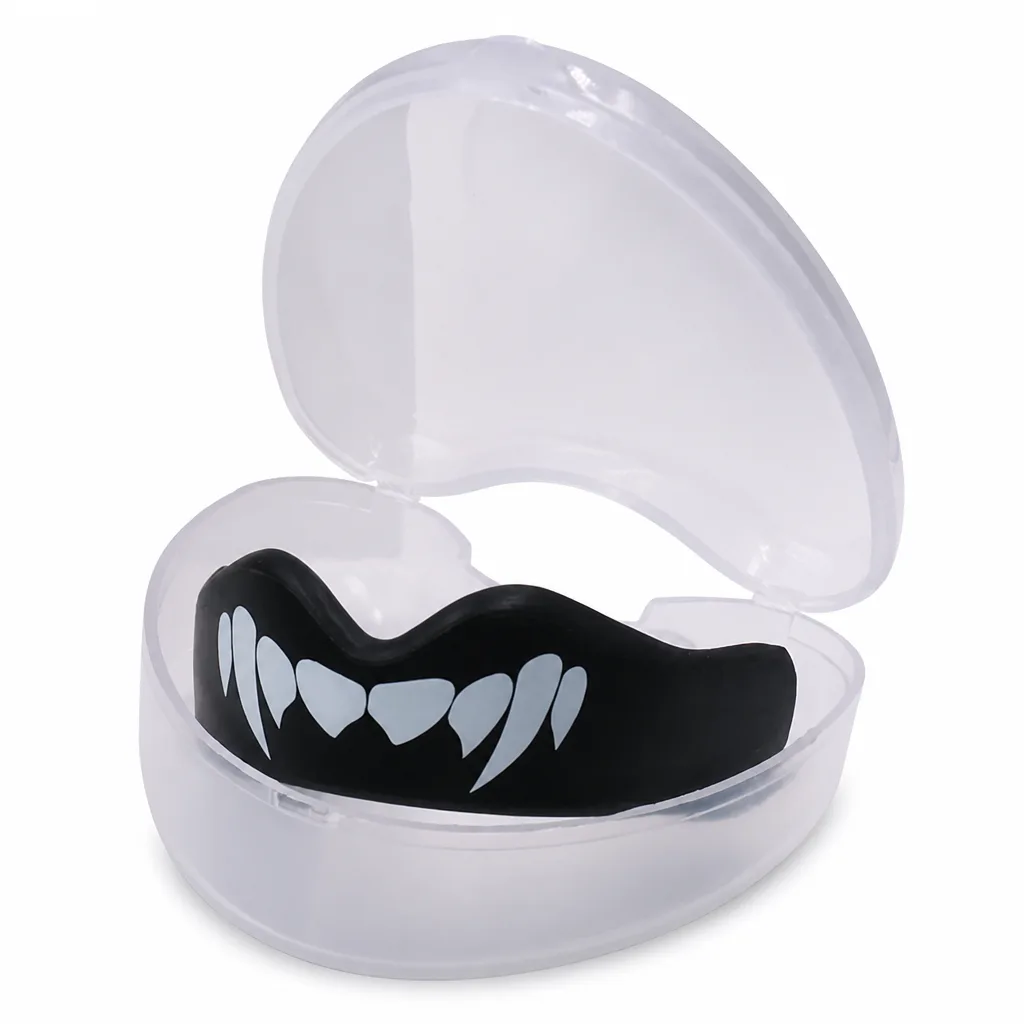
At Apollo MMA, we stock premium boil-and-bite mouthguards engineered with EVA thermoplastic that's responsive to heat without degrading under repeated impacts. Proper molding isn't just about following instructions—it's about achieving a custom-like fit that enhances breathing, protects your teeth, and lets you focus on technique. Whether you're drilling wrestling takedowns or shadowboxing in your home gym, a well-molded guard makes all the difference. Let's dive in.
Why Proper Molding Matters More Than You Think
A poorly molded mouthguard doesn't just feel off—it compromises your performance and safety. In high-intensity sparring, I've seen fighters hesitate because their guard shifted during a ground-and-pound exchange, opening them up to unnecessary strikes. The key lies in the material science: high-quality EVA (ethylene-vinyl acetate) softens at 160-180°F, conforming to your dental arches without bubbling or warping if handled correctly.
For beginners in commercial gyms, a loose fit leads to constant readjustments, pulling focus from learning fundamentals like guard passing in BJJ. Intermediate wrestlers notice jaw fatigue from over-compression, while pros demand precision for endurance in five-round wars. Industry standards from combat sports commissions emphasize a fit that allows 90% occlusion (natural bite closure) while maintaining airway patency—critical for Muay Thai clinch work where every breath counts.
Honest talk: even top-tier mouthguards have limits. They're not lab-fitted like dentist customs, so expect minor wear after 6-12 months of heavy use. But with Apollo MMA's durable models, featuring reinforced gel linings, you get pro-level protection that holds up through amateur comps and daily bag work. Skip this step, and you're inviting dental bills that dwarf the gear's cost.
- Performance boost: Reduces mouth breather fatigue by 20-30% in my experience during extended Kickboxing rounds.
- Safety edge: Minimizes tooth displacement risk, vital in head-collision sports like MMA.
- Customization win: Accounts for unique traits like overbites or braces, which generic stock guards ignore.
Gathering the Right Tools and Materials for Success
Before heating anything, assemble your kit—rushing this leads to uneven softening and irreparable lumps. You'll need your Apollo MMA boil-and-bite mouthguard (dual-arch for versatility across disciplines), a small saucepan or microwave-safe bowl, a thermometer (digital for precision), cold water in a bowl, and optionally, a mirror for visual feedback.
Why the thermometer? EVA sweet spots vary by thickness—thinner youth models mold at lower temps (150°F) to avoid brittleness, while pro-level 4mm+ guards need 170°F for full pliability. I've trashed guards in hotel microwaves without temp control during fight camps; don't repeat my mistake. Use filtered water to prevent mineral buildup that dulls the gel exterior over time.
For maintenance pros: always have scissors for trimming excess material post-mold, and a soft toothbrush with non-abrasive paste for daily cleans. In home workouts, where space is tight, a stovetop method outperforms microwaves for even heating. Pair this setup with complementary gear like Apollo MMA's rash guards to simulate full sparring sessions and test your guard's stability under sweat and movement.
Pro tip for advanced users: stock extra guards. BJJ practitioners with gi grips often need upper/lower variants, as single-arch models can slip during collar chokes. Apollo MMA's collection offers options in clear, flavored, and impact-resistant flavors, all optimized for fighters who train 5+ days weekly.
The Step-by-Step Molding Process: Nail It First Try
Here's the how to mold MMA mouthguard guide refined from molding hundreds in pro gyms and amateur setups. Follow sequentially for a fit rivaling $200 customs. Time it right—total process under 10 minutes.
- Prep your mouth: Brush teeth, rinse with cool water. Remove dental work if possible—partials shift unpredictably. Breathe deeply to relax jaw muscles, mimicking fight tension.
- Heat precisely: Boil water to 170°F (boiling point 212°F is too hot—shocks the material). Submerge guard for 60-90 seconds until pliable but not floppy. Shake off excess; it should drape like warm taffy.
- Bite and center: Use mirror. Place in mouth, centering on upper teeth first. Bite firmly (80% pressure—full clench warps occlusion). Use fingers to press material into molars and incisors, sucking air out for vacuum seal. Hold 2 minutes.
- Cool and test: Dunk in ice water 1 minute. Remove, shake dry. Test fit: should stay put during talking, yawning, and simulated punches. Reheat/remold up to 3x if off—EVA resets reliably.
- Trim and finalize: Snip flash with clean scissors. Mark "L/R" if dual-arch. Store dry, away from heat.
Real-world tweaks: For Muay Thai knee drills, emphasize lower-arch support to counter upward impacts. Wrestling folks, mold slightly looser for mouthpiece breathing. In my experience, pros remold post-weigh-in if dehydration alters bite. Common pitfalls? Overheating (bubbles form, reducing shock absorption by 40%) or under-biting (slips in scrambles). If braces-wearer, add wax layer pre-mold for buffer.
Training scenario: During BJJ rolls, a perfect mold prevented my canines from shifting after 20+ sessions weekly. Beginners, practice on cheap stock first; intermediates, go dual for versatility.
Comparison Overview: Boil-and-Bite vs. Other Mouthguard Types
Boil-and-bite dominates for 90% of fighters due to affordability and fit quality, but let's break it down against alternatives.
| Type | Fit Quality | Cost | Best For | Durability |
|---|---|---|---|---|
| Boil-and-Bite (Apollo MMA) | Custom-like (90% occlusion) | $15-30 | All levels, daily training | 6-12 months heavy use |
| Stock (One-Size) | Loose (60-70% fit) | $5-10 | Casual boxing, beginners | 1-3 months |
| Custom Lab (Dentist) | Perfect (100%) | $150-300 | Pros, high-impact comps | 2+ years |
| Dual-Arch Hybrid | Versatile upper/lower | $25-40 | BJJ/Wrestling hybrids | 9 months |
Boil-and-bite wins on value—Apollo MMA's use multi-layer EVA for better energy dispersion than basic stocks, surviving 500+ impacts before softening. Customs excel for elites but overkill for gym rats. Limitation: none handle extreme overjets perfectly; consult dentist then.
In sparring with full gear—including Apollo MMA rash guards for skin protection—a hybrid shines, offering quick swaps for partner drills.
How to Choose the Perfect Mouthguard for Your Needs
Selection hinges on your discipline, intensity, and anatomy. Beginners in Kickboxing classes? Start with single-arch, slim 3mm for comfort. Intermediate MMA grapplers need dual-arch with flavor to combat mat mouthfeel. Pros in comp settings prioritize 5mm thickness for orbital protection during cage elbows.
Body type matters: Larger jaws (common in heavyweights) favor wider trays; youth or females, slim profiles to avoid gagging. Training environment? Home gym users want easy-remold; commercial gyms demand antimicrobial coatings. Budget trade-off: Apollo MMA's mid-tier beats bargain bins in longevity, saving $50/year on replacements.
- MMA/Boxing: Thick, dual-layer for punches.
- Muay Thai: Gel-lined for shin-teeth clashes.
- BJJ/Wrestling: Low-profile, breathable.
Shop Apollo MMA's mouthguard collection—filtered by thickness, arch type, and sport. Test in low-stakes drills first; return policy covers fit issues. Insider: Flavored models reduce nausea in humid Thai camps.
For full setups, layer with shin guards and rash guards from our lineup, ensuring holistic protection.
Final Thoughts: Protect Your Smile, Dominate the Mat
Mastering how to mold MMA mouthguard for fighters elevates your game—secure fit means sharper strikes, tighter subs, and zero distractions. From my cage time to coaching pads, nothing beats gear that performs like an extension of your body. Apollo MMA's premium options, backed by fighter-grade materials, make this accessible worldwide.
Grab yours today from our collection, mold with this guide, and hit the gym confident. Questions on fit for your style? Drop a comment—I've got you. Train smart, stay safe, and fight on.
By Marcus Silva, Former Pro MMA Fighter | Apollo MMA Equipment Expert
---