---
---
Bjj Rashguard: A Fighter's Guide to Selection and Use
Introduction: From Humble Beginnings to Essential Gear
Back in the early days of Brazilian Jiu-Jitsu's global rise in the 1990s, fighters like the Gracies trained in basic cotton shirts that soaked up sweat and chafed against the mats during endless rolling sessions. Fast forward to today, and the bjj rashguard has evolved into a cornerstone of combat sports apparel. Yet, many grapplers still struggle with skin irritation, overheating, and poor fit during intense sessions. If you've ever ended a BJJ class with red, burning rashes or blisters from gi friction, you know the problem all too well—this guide solves it.
As a BJJ black belt and strength coach who's logged thousands of hours on the mats training everyone from white belts to pros, I've seen firsthand how the right rashguard transforms training. Whether you're drilling armbars in a commercial gym or sparring no-gi MMA, selecting the best bjj rashguard isn't just about style—it's about performance, protection, and longevity.
Understanding the Challenge: Why Rashguards Matter in Modern Training
Mat burn, chafing, and bacterial infections aren't just annoyances—they sideline fighters. In BJJ and no-gi grappling, constant skin-to-mat and skin-to-skin contact creates friction hotspots on your neck, arms, and torso. Add sweat from high-intensity rounds, and you risk staph infections common in humid gym environments.
For MMA practitioners blending BJJ with striking arts like Muay Thai or wrestling, the stakes rise. A loose shirt bunches up during takedowns, distracting you mid-spar. Beginners feel it most acutely during their first few classes, while pros demand gear that withstands tournament grinds. Even home workouts on crash pads expose you to similar issues without the gi's protection.
Traditional t-shirts fail here: they retain moisture, lack compression for muscle support, and ride up during guard passes. The challenge? Finding a bjj rashguard for training that balances breathability, durability, and fit across body types and disciplines.
Solution Overview: The Modern BJJ Rashguard as Your Skin's Best Defense
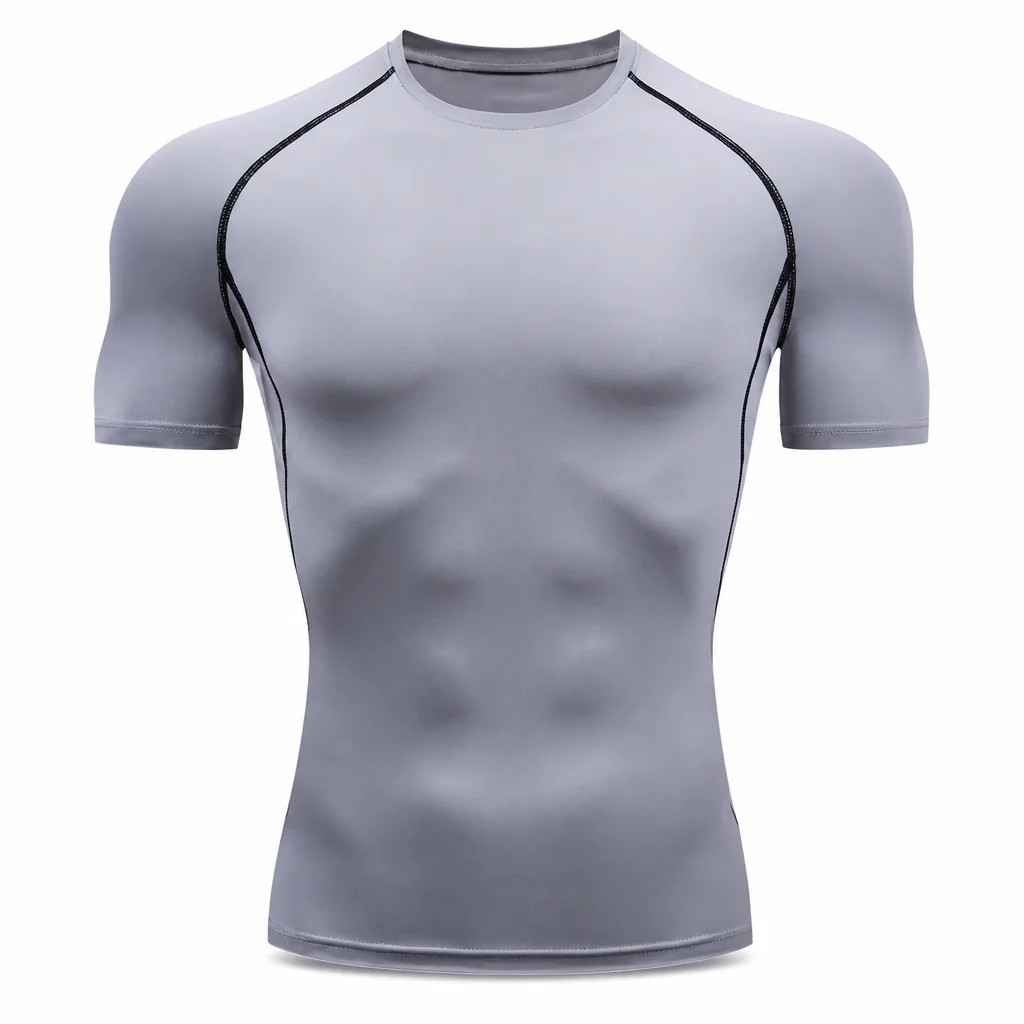
Enter the MMA bjj rashguard—a compression-fit, synthetic top engineered for grapplers. Made from high-performance fabrics like polyester-spandex blends, it wicks sweat 4-5 times faster than cotton, preventing the damp environment bacteria thrive in. Antimicrobial treatments, such as silver-ion infusions in brands like Hayabusa or Venum, further reduce odor and infection risk.
These aren't just base layers; they're tactical tools. Short-sleeve versions excel for BJJ and wrestling, while long-sleeve options shield against armbar torque in MMA. Paired with fight shorts, they create a seamless no-gi uniform that stays put through scrambles.
At Apollo MMA, our rash guards collection curates the best bjj rashguard options from top manufacturers, tested for real-world durability. The solution is straightforward: prioritize fit, fabric, and function to elevate your sessions.
Detailed Steps: How to Select Your Ideal BJJ Rashguard
Step 1: Assess Your Training Demands and Body Type
Match the rashguard to your routine. For pure BJJ drilling and competition, opt for short-sleeve models with reinforced seams at the shoulders—key stress points during shrimping escapes. MMA fighters grinding clinch work or kickboxing rounds benefit from long-sleeve bjj rashguard for fighters, which guard against shin-on-arm abrasions.
Body type matters too. Ectomorphs (lean builders) thrive in snug 4-way stretch spandex for muscle warmth without bulk. Endomorphs need looser fits in breathable polyester to avoid overheating. In my coaching, I've fitted stocky wrestlers in Venum's tech fabric, which vents heat better than thicker nylon blends during 10-round simulations.
Step 2: Decode Fabrics and Construction for Durability
Superior bjj rashguards use 80-90% polyester with 10-20% spandex for compression without constriction. Look for micro-mesh panels under the arms and sides—these dump heat during guard retention battles. Brands like Tatami incorporate double-stitched flatlock seams, preventing chafing that plagues cheaper heat-sealed options.
Durability test: premium rashguards withstand 200+ washes without pilling, unlike budget ones that fade after 50. In wrestling rooms with high mat turnover, I've seen Shoyoroll's graphene-infused fabrics outlast competitors by double, resisting tears from repeated sprawls.
- Breathability: UPF 50+ rating for outdoor sessions.
- Antimicrobial: Polygiene or Silvadur treatments for gym-to-home wear.
- Grip: Silicone-lined hems stop ride-up in inverted guard.
Step 3: Master Sizing and Fit for Performance
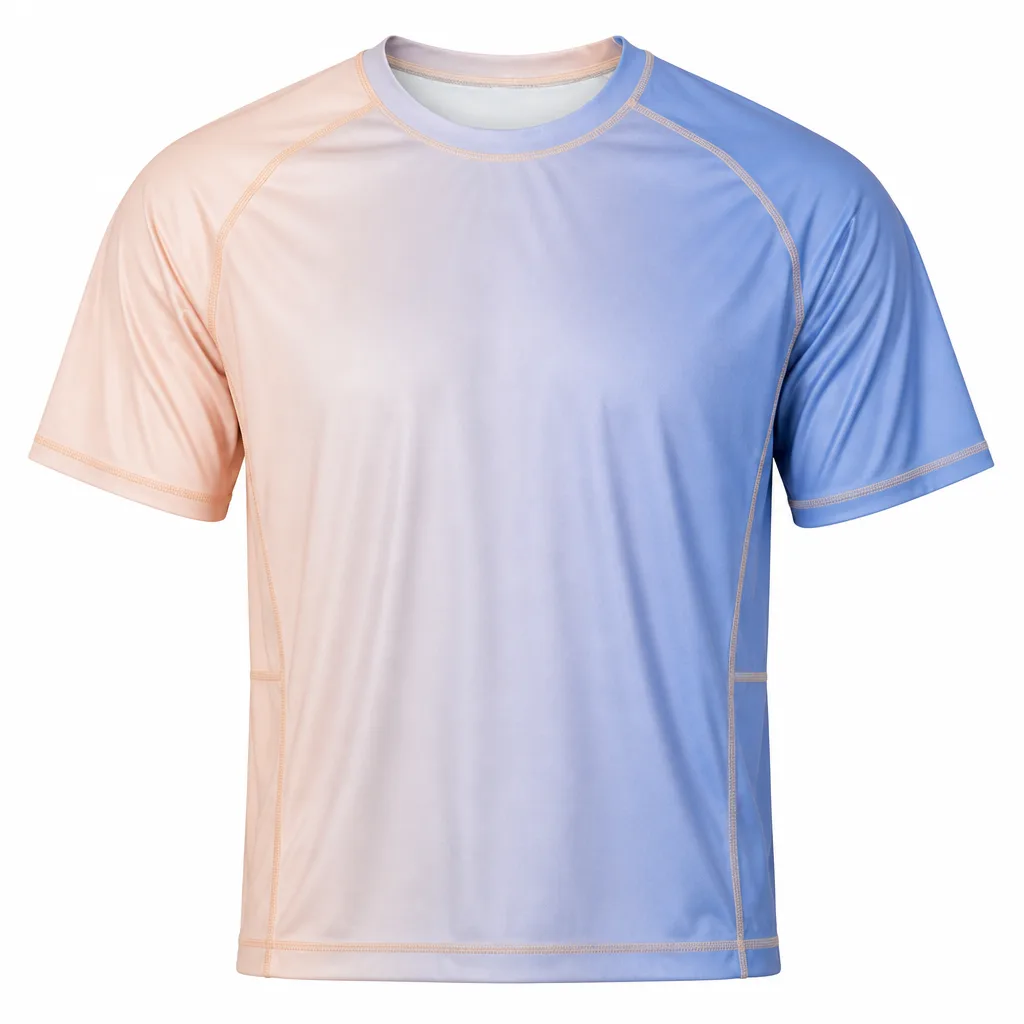
Poor fit kills mobility. Rashguards should hug like a second skin—thumbholes on long-sleeves secure cuffs during upa bridges, while raglan sleeves enhance shoulder rotation for kimura attacks. Always consult our size guide; Asian cuts (e.g., Hayabusa) run smaller than American brands like Ringside.
Pro tip: Try it with your gear stack. A bjj rashguard for training should layer under a gi without binding or pair solo with board shorts for no-gi. Test in a dynamic stretch: if it shifts during hip escapes, size up.
Step 4: Evaluate Brands and Price-to-Value
Not all rashguards are equal. Hayabusa's G-Love series offers unmatched IBN compression for blood flow during long rolls, ideal for pros. Venum's Essentials line delivers pro-level features at entry prices, perfect for intermediates. Fairtex brings Muay Thai toughness for hybrid MMA training.
Expect $40-80 for quality. Cheaper $20 options pill quickly; invest in mid-tier for 2x lifespan. Apollo MMA stocks these with fighter feedback, ensuring you get verified performance without guesswork.
Expert Tips: Insider Knowledge from the Mats
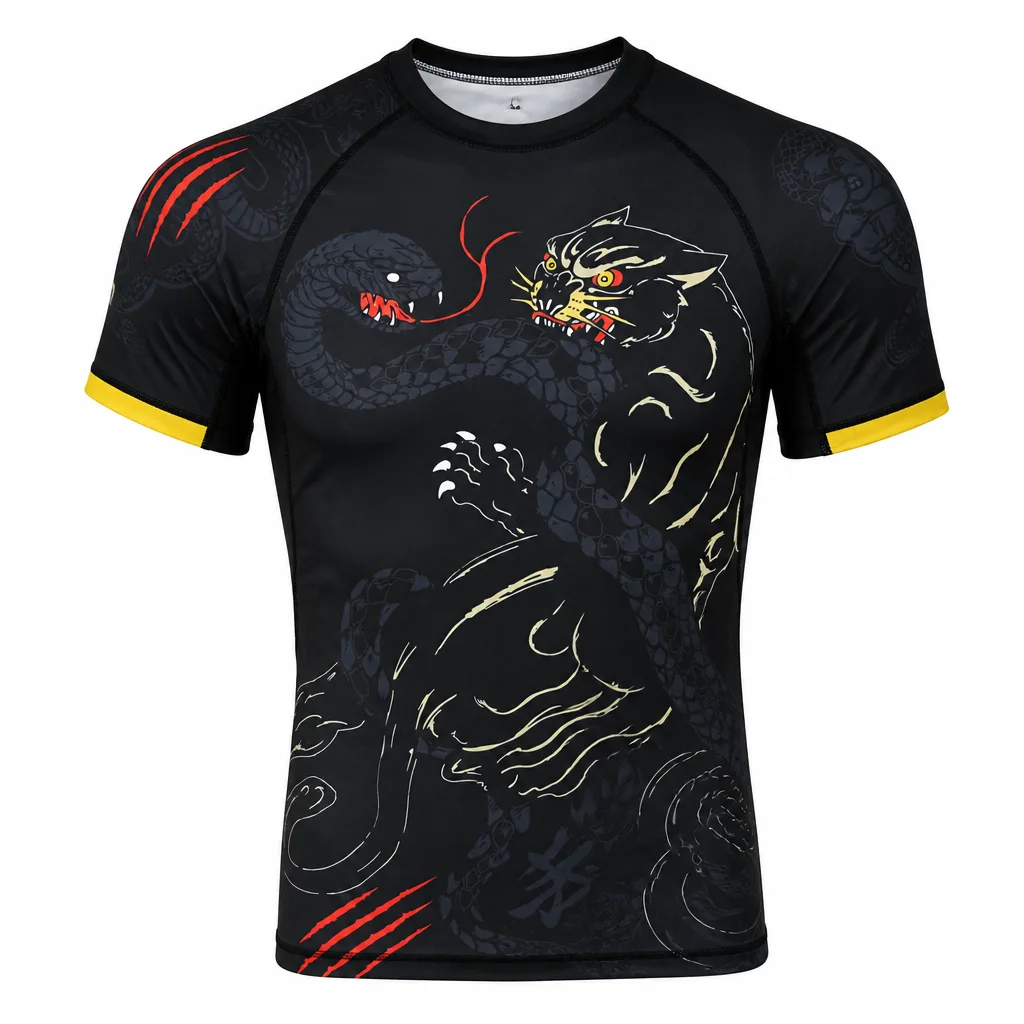
In my BJJ seminars, I stress lesser-known hacks. For women grapplers, seamless interiors prevent bra-line chafing—check Tatami women's lines. Beginners: start with sublimated prints for motivation; they hide sweat stains during white-belt nerves.
Maintenance is crucial: cold-wash inside-out, air-dry to preserve elasticity. Hot dryers shrink spandex 10-15%, turning your fit into a sausage casing. For competition, layer with zinc cream under high-friction zones like the neck.
Safety first—in staph-prone gyms, rotate two rashguards weekly. Pros like those in our fighter spotlight swear by long-sleeve for cauliflower ear protection during neck cranks. For home gyms, antimicrobial picks shine, reducing laundry from crash pad sessions.
- Wash post-every session; bacteria double hourly in damp gear.
- Store flat—hangers stretch necks.
- Pair with anti-slip fight shorts for no-gi comps.
Advanced insight: In humid Kickboxing dojos crossing into BJJ, hybrid fabrics with bamboo viscose excel for moisture without clamminess. I've coached pros ditching cotton hybrids after one staph scare—never look back.
Conclusion: Gear Up Right and Roll Stronger
Choosing the best bjj rashguard boils down to aligning fabric tech, precise fit, and your training reality. It protects your skin, boosts confidence, and sharpens focus—essential for progressing from gym rat to competitor. Don't settle for generic tees; elevate with a MMA bjj rashguard built for fighters.
Head to Apollo MMA's rash guards today and find your match. With our curated selection and expertise behind it, you'll train harder, recover faster, and stay rash-free. What's your next session look like? Roll on.
Written by Sarah Chen, BJJ Black Belt & S&C Coach
---