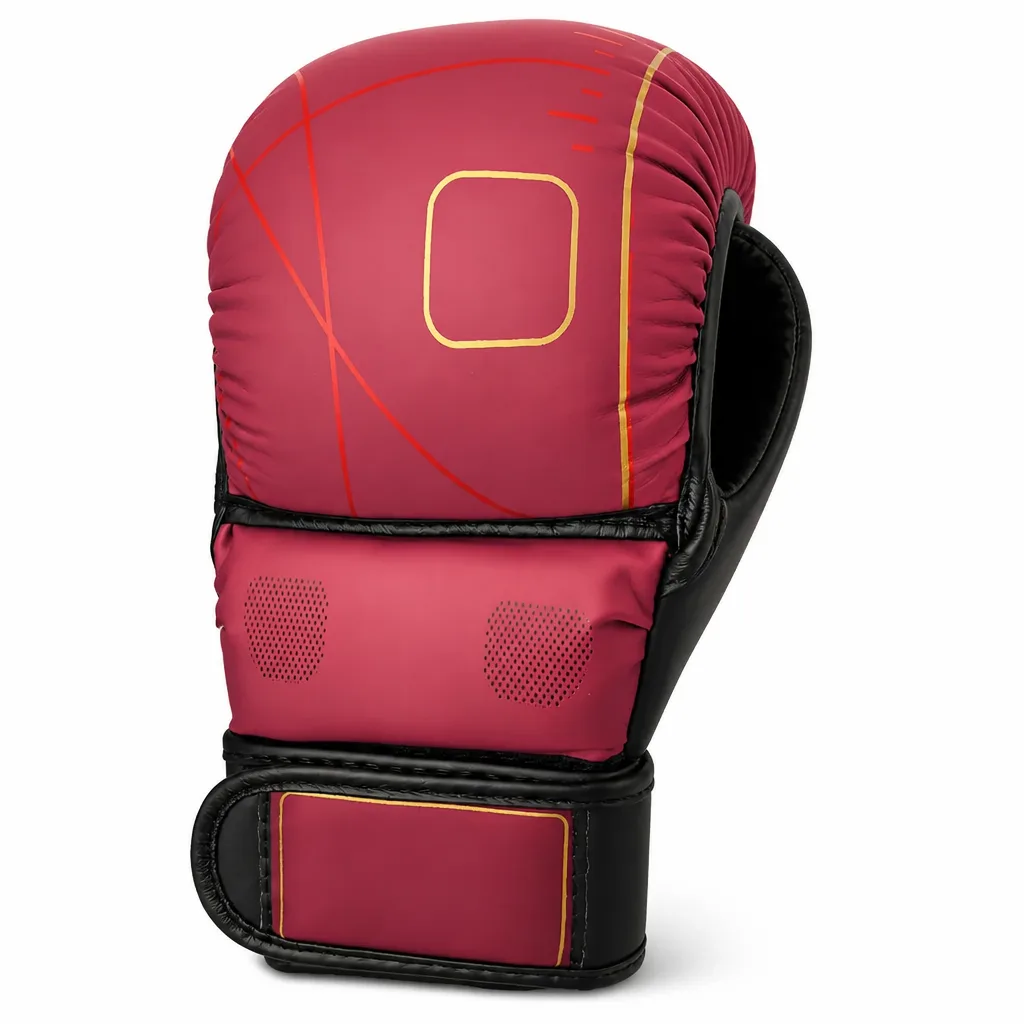
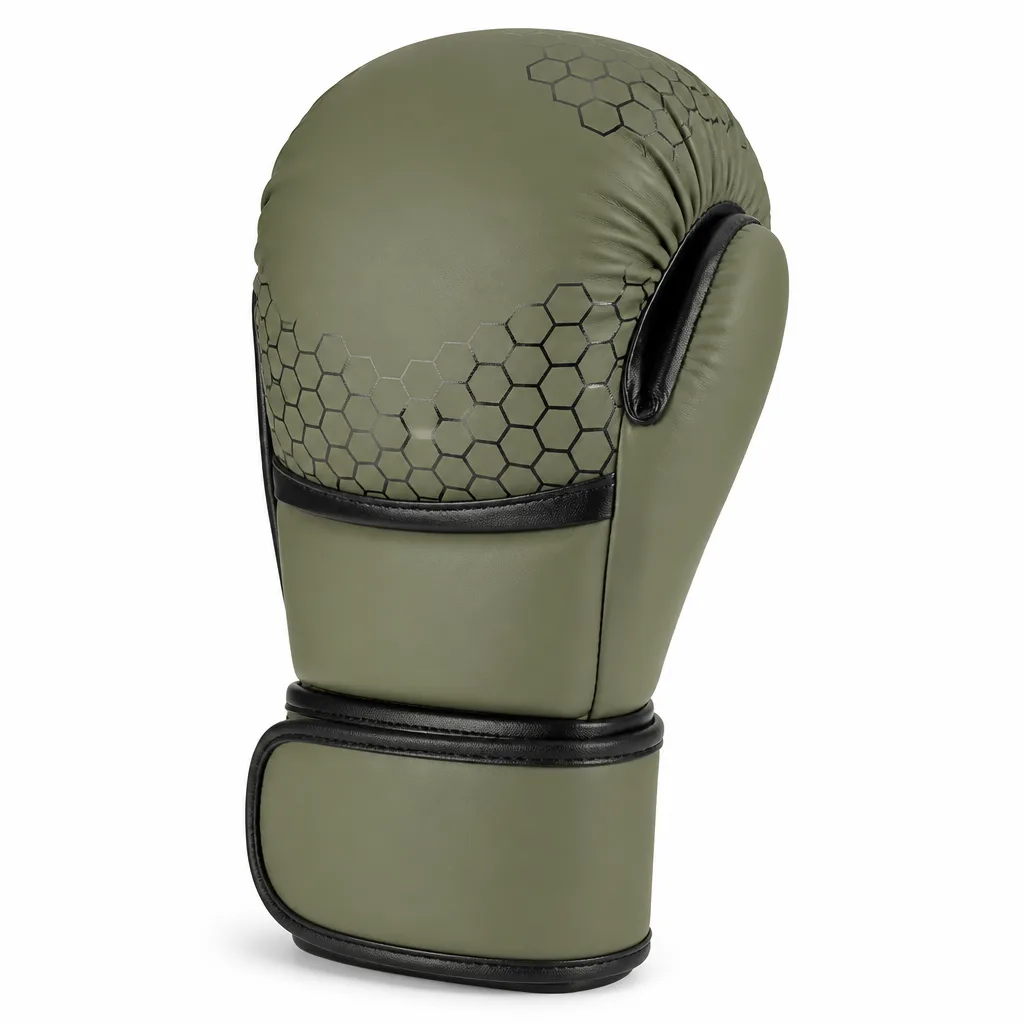
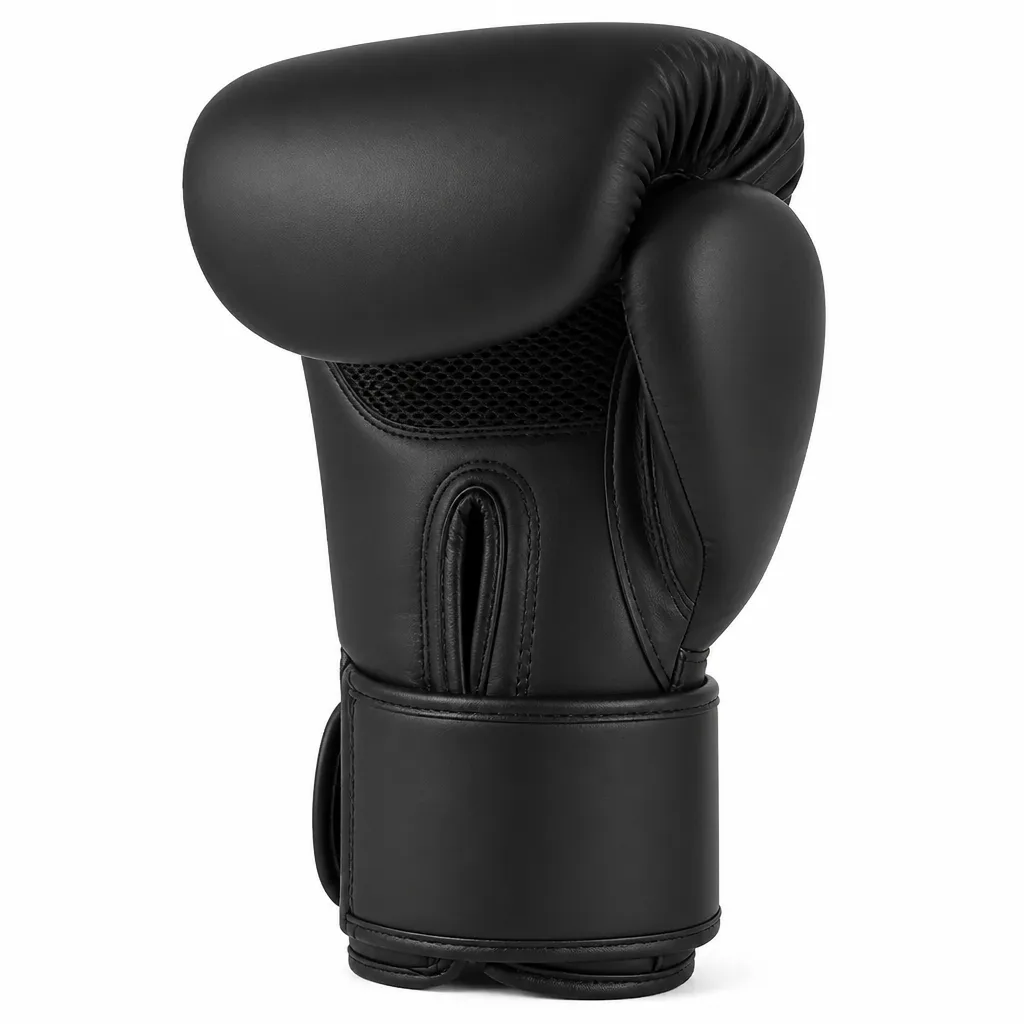
MMA Gloves: A Fighter's Guide to Selection and Use
Introduction
Picture this: You're lacing up for a intense sparring session at your local gym. The heavy bag has already warmed your knuckles, and now it's time to partner up. But as you slip on your MMA gloves, you feel a familiar tightness around the wrist—support that's just right, padding that molds to your fists without bulk. This moment highlights why choosing the right MMA gloves isn't just about gear; it's about performance, safety, and longevity in the cage or on the mats.
As a former professional MMA fighter with over 15 years of competition and training under my belt, I've tested countless pairs of MMA gloves—from brutal title fights to daily grind sessions. In this guide, we'll dive deep into selecting and using MMA gloves for fighters at every level, whether you're a beginner shadowboxing at home or a pro prepping for UFC weigh-ins. We'll cover everything from materials and fit to real-world applications across MMA, Muay Thai, BJJ, and more, helping you make informed choices that elevate your game.
Expert Perspective
From the octagon to the gym, MMA gloves have evolved dramatically since my early days in the late '90s. Back then, options were limited—mostly basic 4oz competition shells with minimal padding. Today, as someone who's reviewed and worn gear from Hayabusa to Venum, I can tell you the best MMA gloves balance protection, dexterity, and durability without compromise.
My Hands-On Testing Insights
In heavy bag work, I've shredded synthetic gloves in weeks, but full-grain leather like that on Hayabusa T3 gloves holds up for months of 5-round simulations. The multi-layer foam padding—often horsehair-infused gel in premium models—absorbs impacts better than single-density foam, reducing the micro-trauma that leads to hand injuries. For grappling-heavy sessions blending BJJ and wrestling, open-palm designs prevent mat burns while allowing grips on gis or opponents.
During my pro career, I favored 16oz MMA gloves for training; they mimic competition weight but add wrist support crucial for clinch work in Muay Thai or Kickboxing. Beginners often overlook this: lighter gloves feel faster initially but fatigue hands quicker in prolonged drills. Pros like me learned the hard way—switch to hybrid bag gloves for solo pad work to extend glove life.
Industry Insights
The MMA glove market reflects combat sports' growth, with regulations from bodies like the UFC dictating 4-6oz weights for fights, emphasizing fighter safety. Leading brands set the standard: Fairtex's Muay Thai-inspired models excel in clinch-heavy striking, while Twins offer dense padding for Thai boxing purists. Venum's ergonomic designs shine in BJJ transitions, with splinted wrists preventing sprains during takedown defenses.
Materials matter most. Cowhide leather breathes better than PU synthetics, resisting cracks after 100+ sessions. Advanced models incorporate antimicrobial linings to combat sweat buildup in humid gyms. Industry pros prefer pre-curved palms for natural fist closure—reducing break-in time from weeks to days. For competition, ABC-approved gloves ensure compliance, but training pairs like Everlast's Pro Style prioritize volume punches without regulatory bulk.
Price-to-value is key: Entry-level MMA gloves for fighters ($30-50) suit casual home workouts, but mid-range ($80-120) like Ringside's deliver pro-level durability. At the top ($150+), Tatami's BJJ-focused hybrids offer unmatched flexibility for no-gi rolling.
Practical Advice
Selecting MMA gloves for training starts with your goals. For sparring in commercial gyms, opt for 14-18oz with extended cuffs—think Venum Challenger series for solid wrist lockdown during hook exchanges. Home gym users might prefer compact 12oz bag gloves, freeing space in small setups while protecting against heavy bag tears.
Sizing and Fit Essentials
Hand size trumps universal claims. Measure your fist circumference (around knuckles and thumb) and consult our size guide. A snug fit with 1/2-inch thumb play prevents slippage; too loose, and you'll develop "boxer's knuckle." Pros wrap hands with 180-inch Mexican-style wraps for extra stability—essential for intermediate fighters building power.
- Beginners: 16oz closed-fist for boxing/MMA drills; focuses on form over speed.
- Intermediate: Hybrid open-palm for Muay Thai elbows and BJJ grips.
- Advanced/Pro: 4oz competition with minimal padding for sanctioned bouts.
Training Scenario Breakdown
In wrestling rooms, prioritize ventilation—sweat-soaked gloves breed bacteria. For Kickboxing pads, gel inserts absorb shin-check recoil. Maintenance is non-negotiable: Air-dry post-session, spot-clean with leather conditioner, and rotate pairs to hit 300-500 hours per glove. Pair with quality fight shorts for unrestricted movement in sprawl drills.
Compared to boxing gloves, MMA versions demand versatility—less thumb protection for clinches but superior palm mobility. Always prioritize safety: Ill-fitting gear causes 70% of training injuries in my experience.
Common Mistakes to Avoid
One pitfall I've seen rookies make: Buying "best MMA gloves" based on hype alone. Flashy colors don't equal performance—test wrist strap tension under load. Another: Using competition 4oz for bag work; they lack padding, leading to swelling after 20 minutes.
Overlooking discipline-specific needs trips up hybrids. Muay Thai fighters suffer in boxing-style gloves during knee strikes due to poor palm grip. Neglecting wraps shortens glove life—always layer them for even pressure distribution. Finally, ignoring break-in: Force new pairs into sparring, and seams split prematurely.
Don't chase lightness at safety's expense. In my career, a lightweight pair cost me a fight via wrist tweak. Check fighter spotlight stories for real endorsements over influencer picks.
Future Outlook
MMA gloves are heading toward smart tech integration—embedded sensors tracking impact force, like prototypes from Hayabusa labs. Sustainable materials, such as recycled leather alternatives, address eco-concerns without sacrificing toughness. Expect more modular designs: Detachable weights for progressive training, or antimicrobial nano-coatings standard by 2025.
For wrestlers and BJJ practitioners, ultra-flex palm tech will dominate no-gi scenes, blending grappling dexterity with striking protection. Regulations may tighten, mandating higher padding minimums post-injury scares. Stay ahead by stocking versatile pairs from Apollo MMA—gear that adapts as sports evolve.
Summary
Mastering MMA gloves for fighters means matching gear to your training style, skill level, and discipline—whether pounding pads in Kickboxing or rolling in BJJ. From my octagon-tested insights, prioritize quality materials, proper fit, and maintenance for peak performance and injury prevention. The best MMA gloves elevate every session, turning novices into contenders.
Ready to gear up? Explore our premium MMA gloves collection at Apollo MMA, where fighters worldwide find trusted equipment backed by expertise. Wrap your hands right, train smart, and step in confidently.