Why Gym Duffel Bag Matters for Combat Sports
Introduction
Picture this: back in the gritty dojos of 1970s Thailand, Muay Thai fighters slung simple canvas sacks over their shoulders, stuffed with wraps, shorts, and shin guards for grueling camp sessions. Fast forward to today, and that humble sack has evolved into the modern gym duffel bag—a fighter's command center for every training grind. As Marcus Silva, a former pro MMA fighter with over 15 years in the cage and countless gear hauls under my belt, I've learned the hard way that your gym duffel isn't just a bag; it's your lifeline between home workouts, gym sessions, and competition travel.
In combat sports like MMA, Boxing, Brazilian Jiu-Jitsu (BJJ), Wrestling, Muay Thai, and Kickboxing, you're hauling everything from sweat-soaked MMA gloves to mouthguards and rash guards. A subpar MMA gym duffel bag means wet gear, broken zippers mid-sparring prep, or forgetting your shin guards before a heavy bag session. This guide breaks it down—from history to hands-on picks—so you can choose the best gym duffel bag that matches your grind, whether you're a beginner hitting pads or a pro prepping for fight week.
Background and History: From Military Sacks to Fighter Essentials
Duffel bags trace their roots to World War I, named after the Belgian town of Duffel where coarse woolen cloth was woven. Soldiers used them for rugged transport, and that durability caught on in sports. By the 1980s, as MMA's precursors like Pancrase and early UFC exploded, fighters adapted these bags for the chaos of mixed martial arts training.
In my early days training Wrestling and BJJ in cramped garages, we made do with surplus military duffels—tough but lacking compartments for separating gis from gloves. Brands like Everlast and Ringside stepped up in the '90s, introducing ventilated shoe pockets for Boxing gyms reeking of old leather. Today, premium makers like Hayabusa and Venum craft gym duffel bags for fighters with fighter input, blending military-grade toughness with athlete-specific features. This evolution mirrors combat sports: from raw survival to optimized performance.
Key Concepts: What Defines a Great Gym Duffel Bag for Training
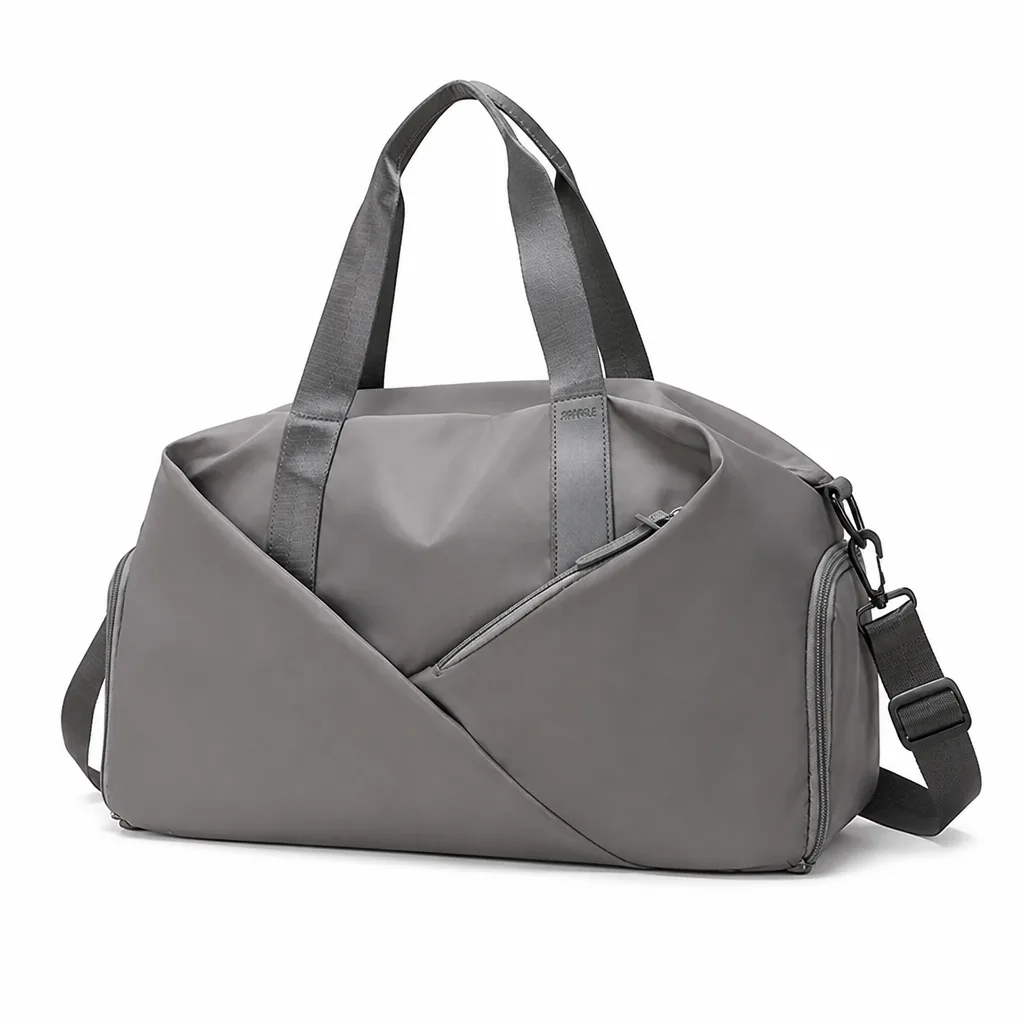
At its core, a gym duffel bag for training must handle abuse—sweat, impacts, and airport baggage claim gauntlets—while keeping your gear organized and odor-free. Size matters: 40-60 liters for daily gym runs, 70-100 liters for fight camps packing multiple gis or Muay Thai gear.
Key pillars include:
- Durability: Ballistic nylon (1680D or higher) or PVC-backed polyester outlasts canvas in wet BJJ environments.
- Ventilation: Mesh panels prevent mold on damp Wrestling singlets or Kickboxing shorts.
- Organization: Dedicated compartments for valuables, shoes, and wet/dry separation—crucial for post-spar hygiene.
- Comfort: Padded, adjustable backpack straps for hauling to outdoor training or long walks to the cage.
- Water Resistance: TPU coatings shield against rain during travel to tournaments.
These aren't luxuries; they're necessities born from real-world fails, like my Hayabusa bag saving a tournament when lesser ones split open mid-flight.
Detailed Analysis: Breaking Down Features for Combat Sports Athletes
Materials and Construction: Built to Withstand the Grind
I've tested bags from budget to pro-grade, and material trumps hype every time. Ballistic nylon, like in Venum's Elite series, shrugs off mat burns and heavy loads up to 50 lbs without fraying—perfect for MMA fighters packing shin guards and headgear. Canvas options from Twins suit traditional Muay Thai purists for breathability but falter in rain-soaked Kickboxing camps.
Reinforced stress points (YKK zippers, bar-tack stitching) are non-negotiable. In 15 years, I've ripped zippers on cheap bags during frantic changes between BJJ rolls and Boxing rounds. Look for welded seams on water-resistant models; they hold up better than stitched in humid home gyms.
Sizing and Capacity: Tailored to Your Training Style
Beginners might thrive with a 40L gym duffel bag for wraps, gloves, and a change of clothes. Intermediate Wrestlers need 50-60L for multiple singlets and tape. Pros? 80L+ for fight weeks, fitting Fairtex Muay Thai pads, multiple rash guards, and recovery tools like foam rollers.
Pro tip: Cylindrical designs expand better for bulky BJJ gis than boxy shapes, which crush mouthguards. Always check weight limits—overloading leads to strap snaps during sprints to class.
Specialized Compartments: Organization That Saves Time and Sanity
Fighters hate digging for valuables mid-session. Top bags feature fleece-lined phone pockets, ventilated shoe tunnels (gold for post-spar fungus control), and wet/dry zippers. In BJJ, separate gi compartments prevent mat funk from contaminating street clothes—a detail Hayabusa nails.
For travel, external batons for locks and ID windows shine. I've lost count of tournaments where quick-access shin guard slots meant making weight on time.
Ergonomics and Portability: Comfort During the Haul
Backpack straps with sternum clips distribute 40+ lbs evenly—vital for long walks to outdoor Boxing pads or airport treks. Side handles help one-arm grabs in crowded gyms. Limitations? Oversized bags (100L+) grow cumbersome for daily use; scale to your needs.
Practical Applications: Real-World Scenarios Across Disciplines
Consider a Monday MMA grind: Pack Hayabusa T3 gloves, 4oz competition pair for sparring, shin guards, wraps, and compression shorts. A solid MMA gym duffel bag with internal dividers keeps it snag-free, ventilated sections drying post-mitt work.
For BJJ no-gi days, prioritize anti-microbial linings—I've seen blue gis turn bags into biohazards without them. Muay Thai clinch specialists load Twins pads and rope-skipping gear; water-resistant bottoms handle clinch sweat puddles.
Competition travel? Pros like me swear by roll-top closures for expansion during fight camps, fitting extra electrolytes and ice packs. Home gym warriors (Wrestling drills in the garage) need compact, vented options to combat musty storage. Safety note: Always air out gear post-use to dodge skin infections—your bag's ventilation makes this effortless.
Beginners: Start simple to avoid overwhelm. Advanced? Customize with add-ons like carabiners for hanging in lockers.
Expert Recommendations: The Best Gym Duffel Bags for Fighters
Drawing from cageside testing and Apollo MMA's premium stock, here are picks across budgets and styles. Prioritize value: A $100 bag lasting 3 years beats a $50 disposable.
- Best Overall: Hayabusa Hexagon Duffel (60L) – Ballistic nylon, triple compartments, backpack straps. Ideal for MMA/BJJ hybrids; I've hauled it through 50+ camps. ($129 at our duffel collection).
- Best for Muay Thai: Venum Challenger Pro (50L) – Ventilated shoe pod, TPU base. Handles heavy pads without bulk. Great for intermediate fighters.
- Budget Beast: Everlast Pro Style (40L) – Reinforced for Boxing heavy bags. Honest limit: Less compartments, but unbeatable for starters at $59.
- Pro Travel King: Ringside Elite (80L) – Expandable, lockable. Wrestling teams love it for multi-day tourneys.
- BJJ Specialist: Tatami Elements (55L) – Gi hammock inside prevents tangles. Anti-odor tech for no-gi sweats.
Trade-offs: Premium bags cost more but save repair time. Measure your gear first—overbuying wastes cash. Shop Apollo MMA's gym duffel bags for fighter-vetted options with free shipping over $100.
Conclusion
Your gym duffel bag for fighters is the unsung hero keeping you prepped, protected, and performant across MMA takedowns, Muay Thai knees, or BJJ scrambles. From historical sacks to today's tech-laden beasts, the right one elevates your training ritual. Don't settle for generic totes—invest in a durable, organized powerhouse that matches your level and discipline.
Head to Apollo MMA today, grab the best gym duffel bag for your next session, and feel the difference. Got questions on packing your MMA shorts or maintaining gear? Drop a comment—I've got the insider tips. Train smart, stay geared.
By Marcus Silva, Former Pro MMA Fighter & Apollo MMA Gear Expert