Mouthguards
Boil-and-bite protection for teeth and jaw — fitted properly, it is the best value gear you own.
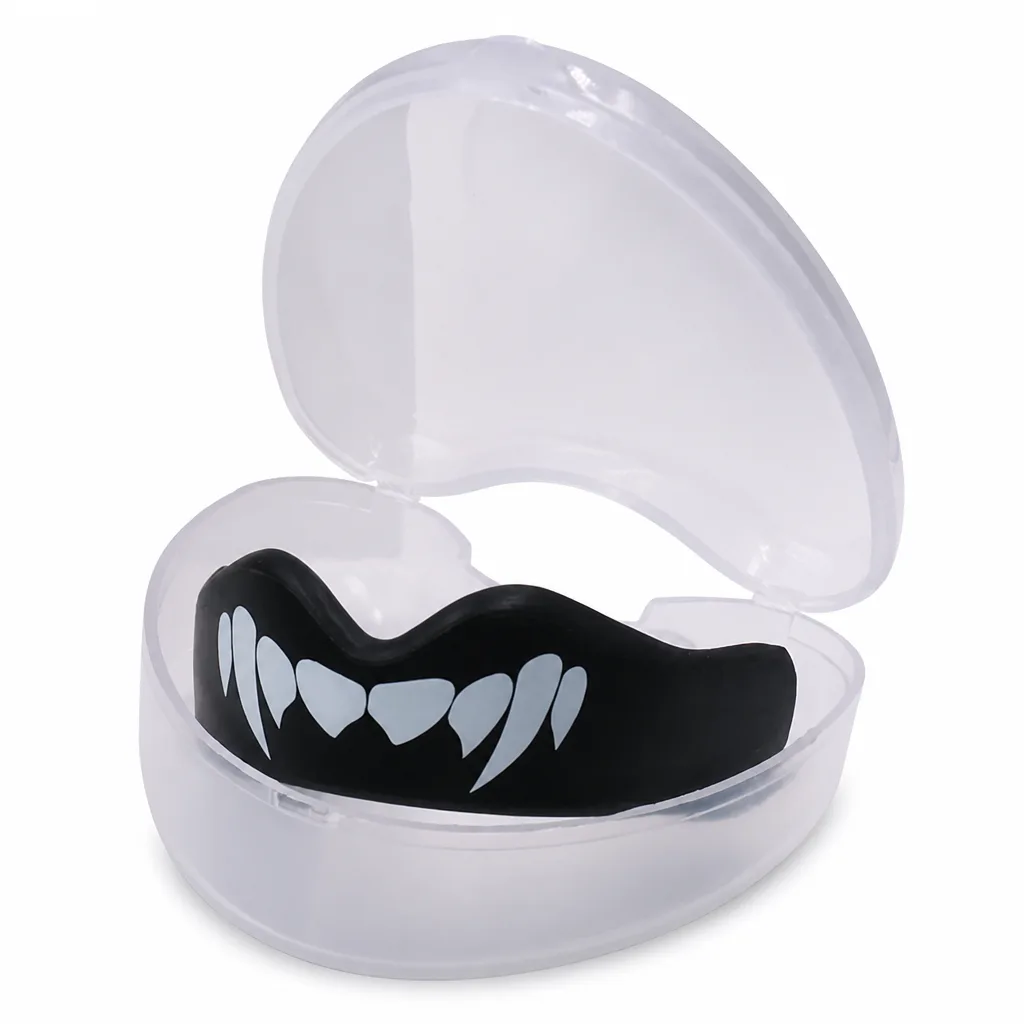
Fitting and replacing a mouthguard
A mouthguard protects teeth, lips and the jaw joint, and it stops the lower jaw slamming into the upper on impact. Dental work is expensive and permanent in a way that most training injuries are not, which makes a mouthguard the highest-value piece of protective equipment per pound spent in any combat sport. Most gyms require one for sparring, and plenty require one for grappling too — a knee to the face happens in guard passing as easily as in striking.
Boil-and-bite is the standard: soften it in hot water, seat it on the upper teeth, and bite and suck to draw the material tight against the teeth and gum line. The common mistake is not getting the water hot enough or not biting long enough, which leaves a guard that only contacts the tips of the teeth and pops loose the moment you talk. If the first fit is poor, most guards can be reheated and refitted.
A well-fitted guard stays in place without you clenching to hold it. If you have to bite down to keep it in, it is not fitted — and a guard you are clenching on is a guard that is tiring your jaw and encouraging you to hold your breath. You should be able to speak, awkwardly, and breathe normally through your mouth.
Replace it when the material has compressed, split, or no longer holds its shape against the teeth — usually every six to twelve months with regular use, sooner for people who chew on it. If you wear braces, a standard boil-and-bite is not appropriate: it moulds around the brackets and can pull them. Ask an orthodontist for a guard designed for braces.
Frequently asked questions
- Is a sports mouthguard good enough for jiu jitsu?
- A generic "sports mouthguard" or "gum shield" from a pharmacy is usually a thin single-layer boil-and-bite, and it will not survive a scramble. A "jiu jitsu mouthguard" or "BJJ mouthguard" is the same category of product done properly: a thicker guard that stays seated when someone puts weight through your jaw.
- Do I need a mouthguard for BJJ?
- Most gyms require one, and it is worth wearing regardless. Accidental knees and elbows to the face are common in guard passing and scrambles, and dental damage is permanent.
- How do I fit a boil-and-bite mouthguard?
- Soften it in hot water, seat it on the upper teeth, then bite firmly and suck to pull the material tight against the teeth and gum line. Hold it for the full time on the instructions — a rushed fit is the usual reason a guard sits loose.
- How often should I replace a mouthguard?
- Every six to twelve months with regular training, or sooner if it splits, compresses or stops holding its shape. Chewing on it shortens that considerably.
- Can I use a normal mouthguard with braces?
- No. A standard boil-and-bite moulds around the brackets and can pull them. You need a guard made for braces — ask your orthodontist.