BJJ & MMA Rash Guards
No-gi tops built for grip, sweat and scrambles — and a straight answer on which weight and sleeve length you actually want.
-
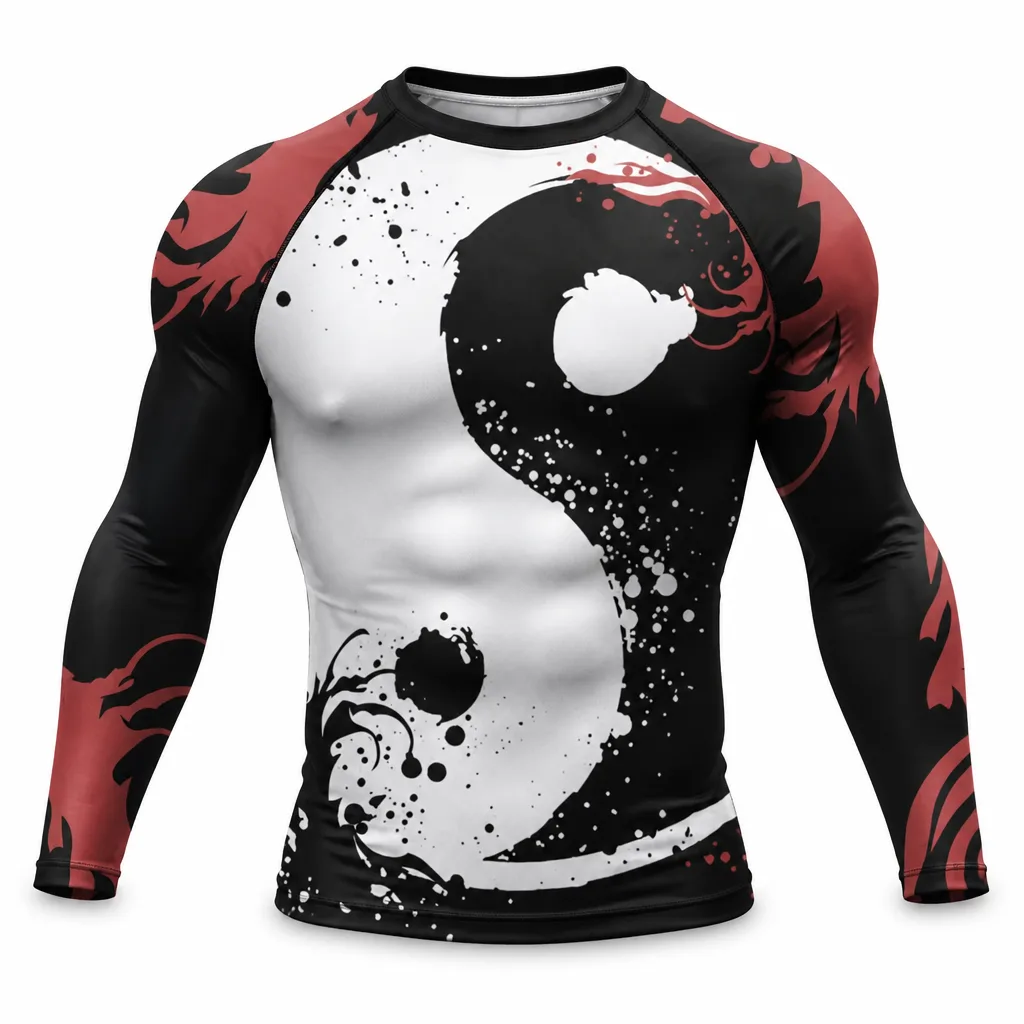 Apollo Aegis Rash Guard
$47.99
Apollo Aegis Rash Guard
$47.99
-
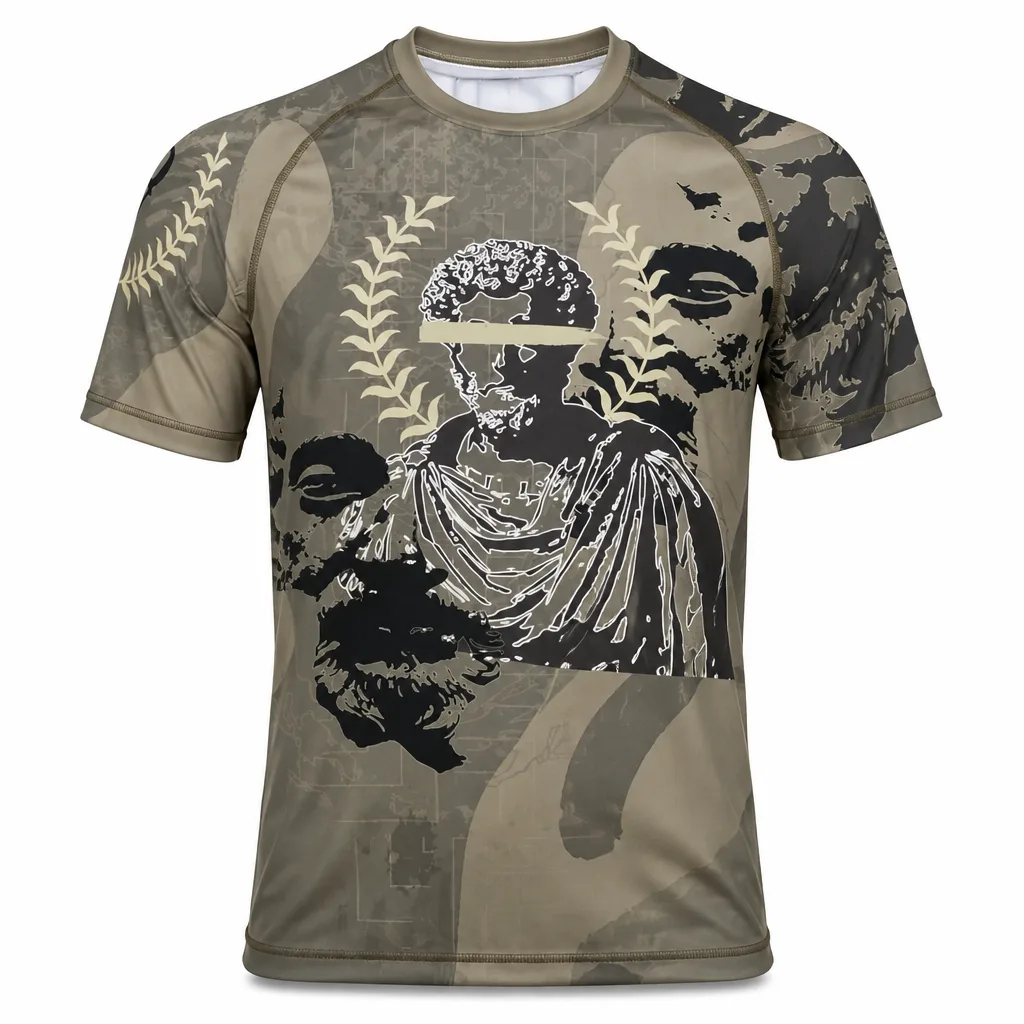 Apollo Centurion Rash Guard
$46.99
Apollo Centurion Rash Guard
$46.99
-
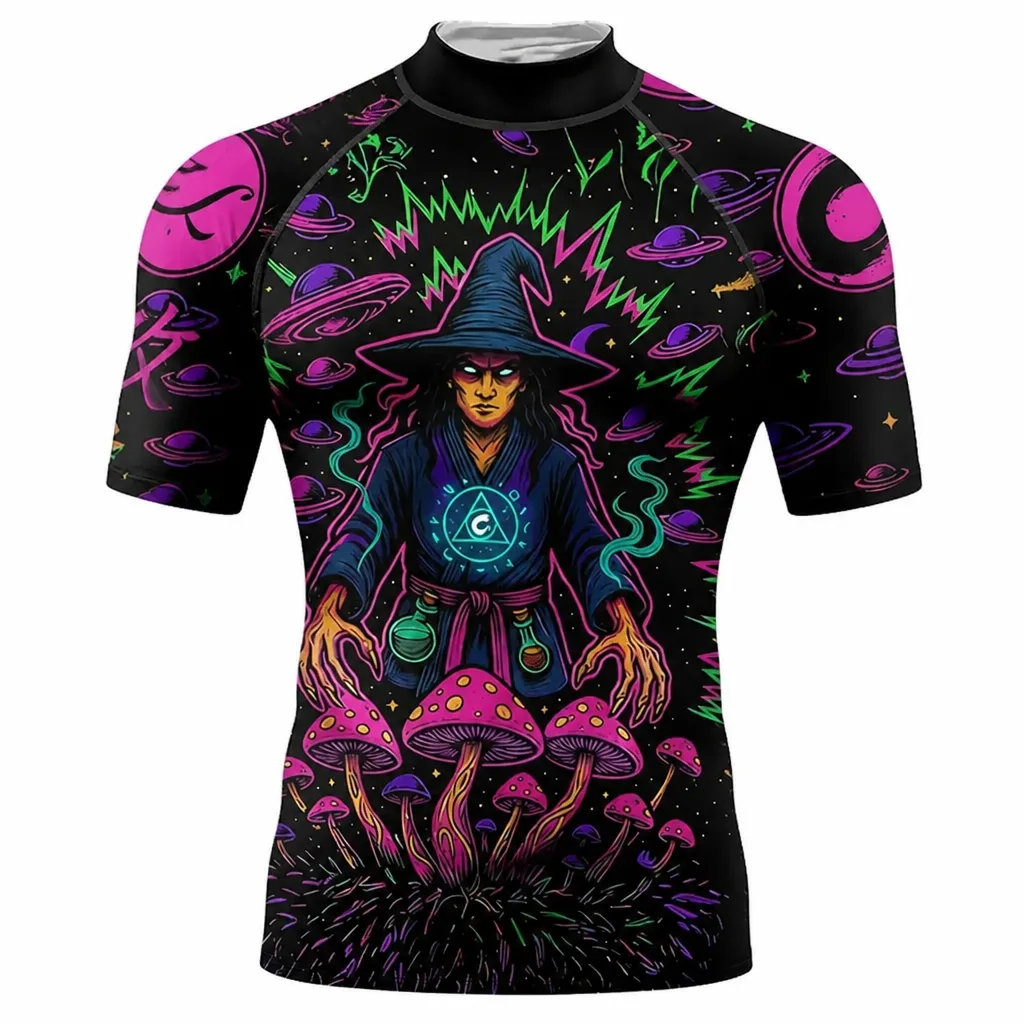 Apollo Crosscurrent Rash Guard
$51.99
Apollo Crosscurrent Rash Guard
$51.99
-
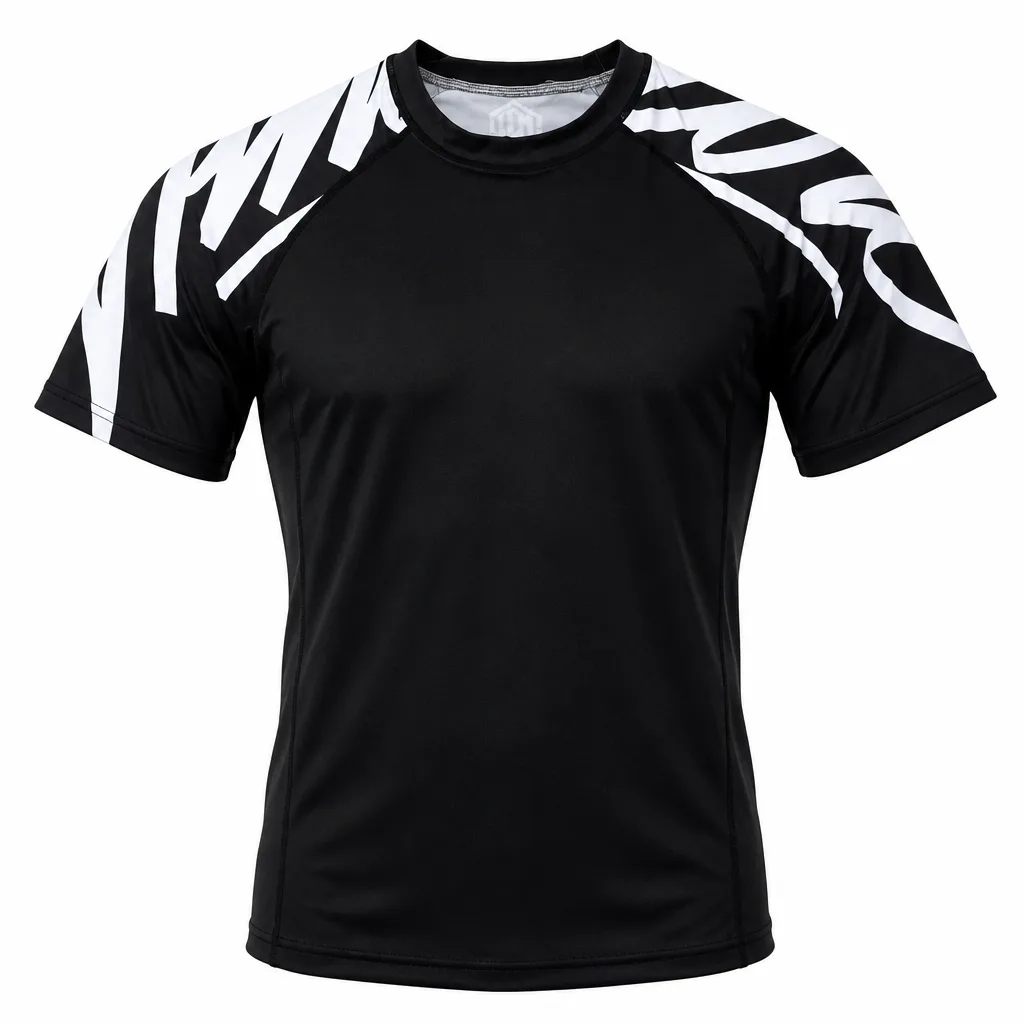 Apollo Crucible Rash Guard
$46.99
Apollo Crucible Rash Guard
$46.99
-
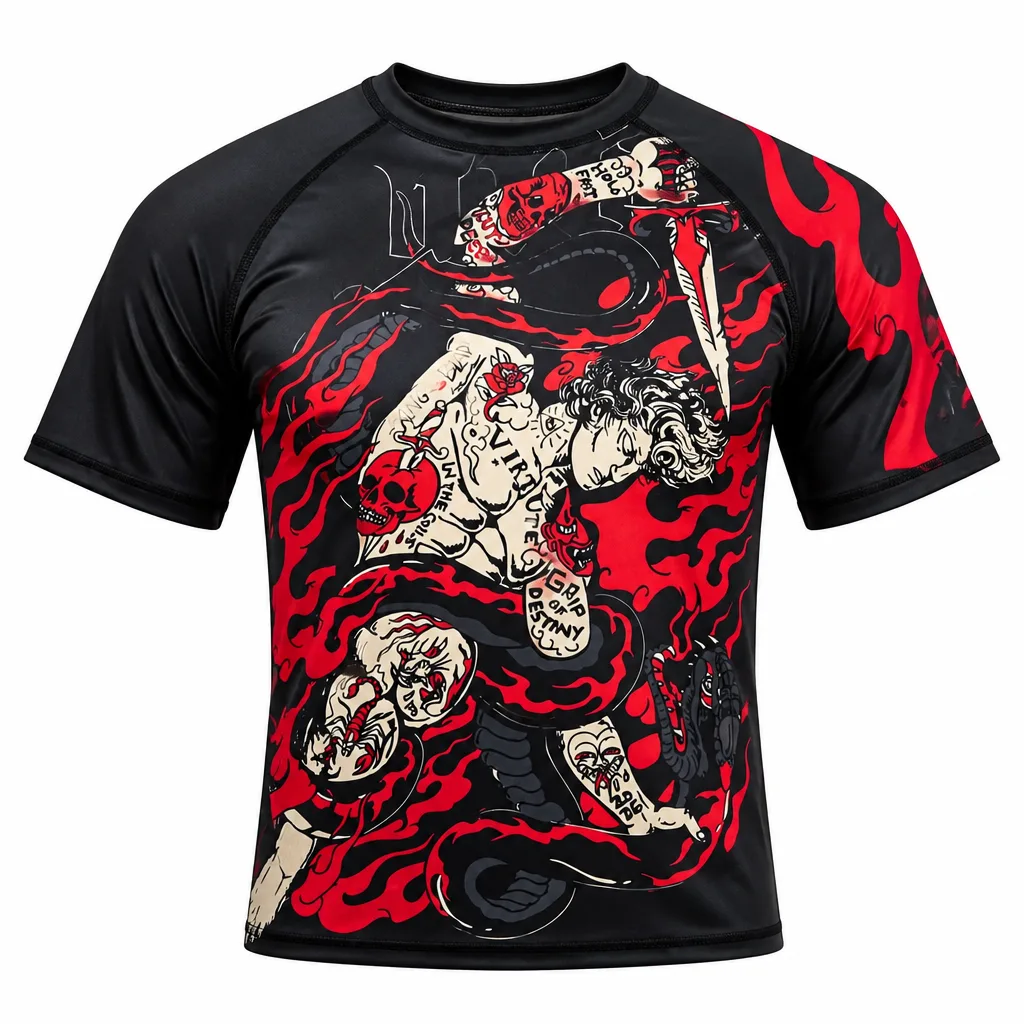 Apollo EdoWave Rash Guard
$42.99
Apollo EdoWave Rash Guard
$42.99
-
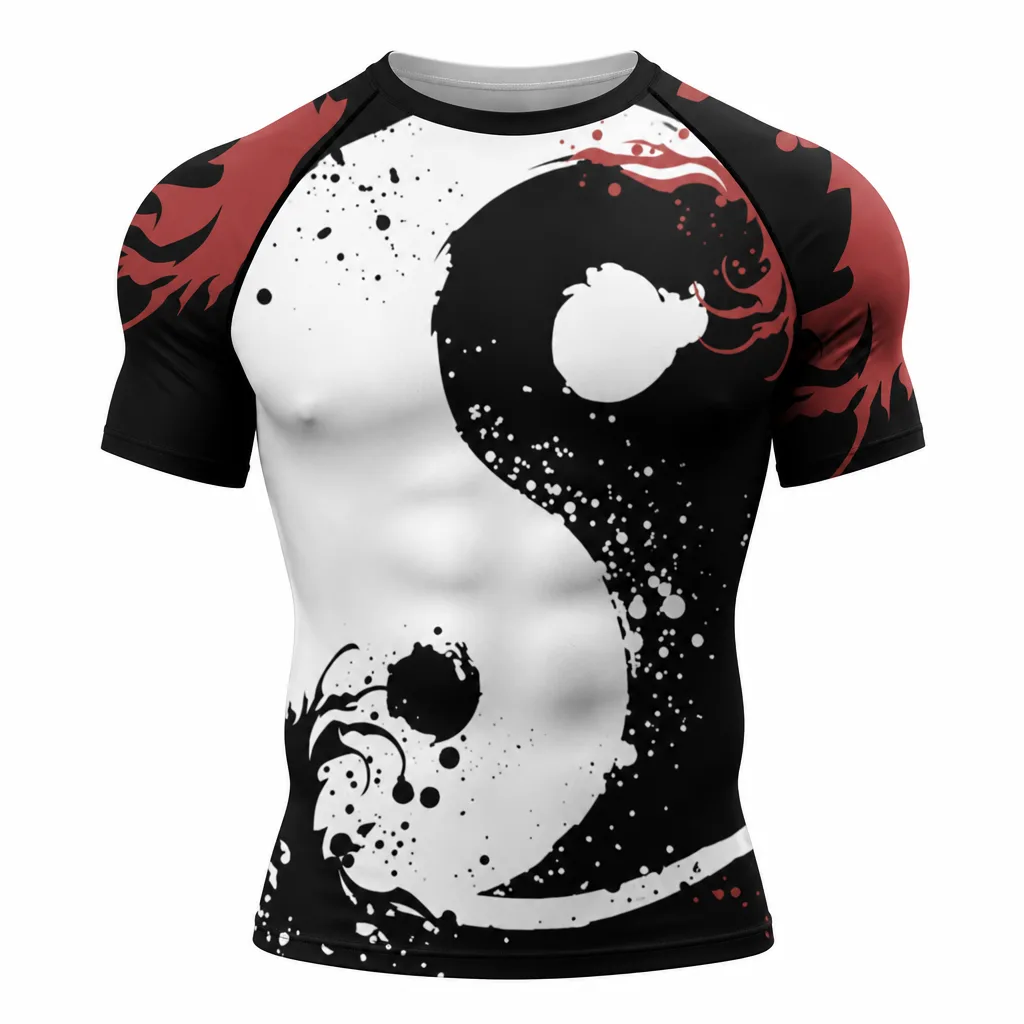 Apollo Flux Rash Guard
$29.99
Apollo Flux Rash Guard
$29.99
-
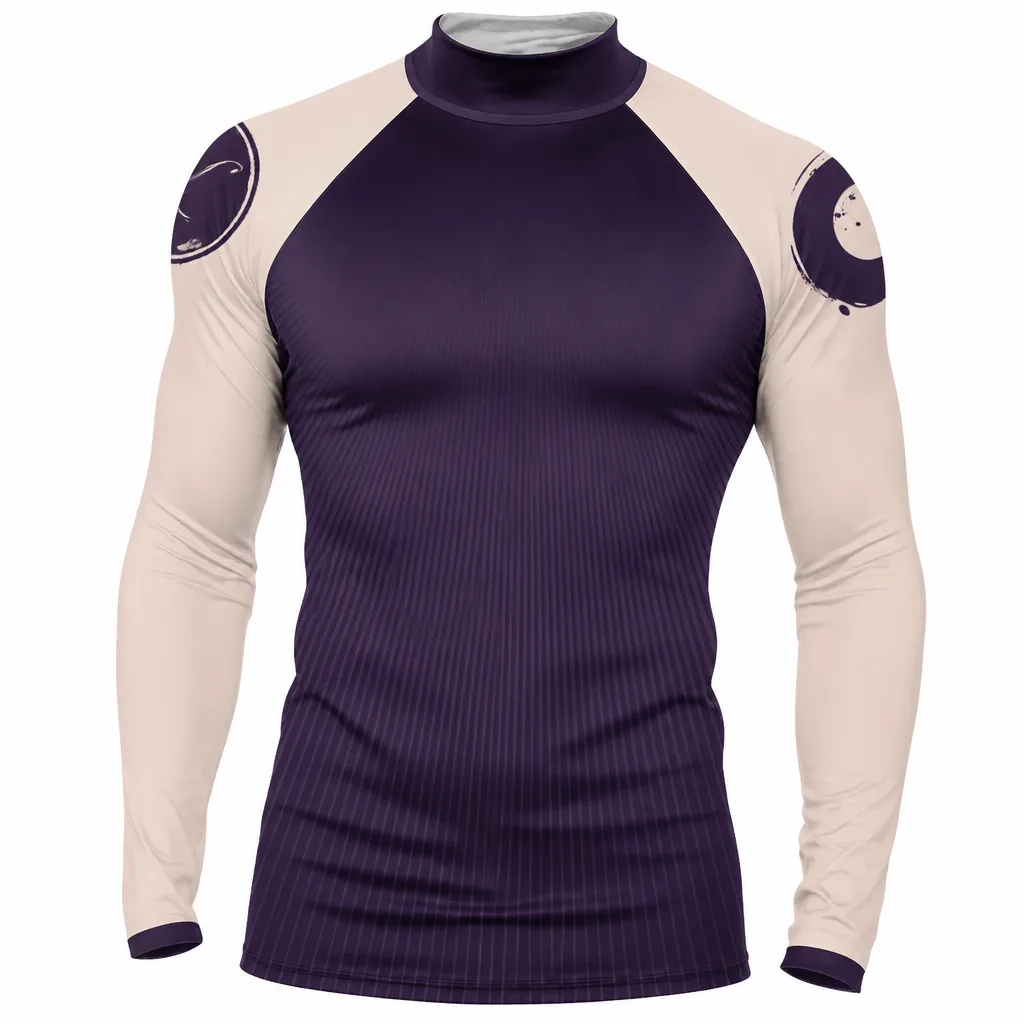 Apollo Groundwork Rash Guard
$52.99
Apollo Groundwork Rash Guard
$52.99
-
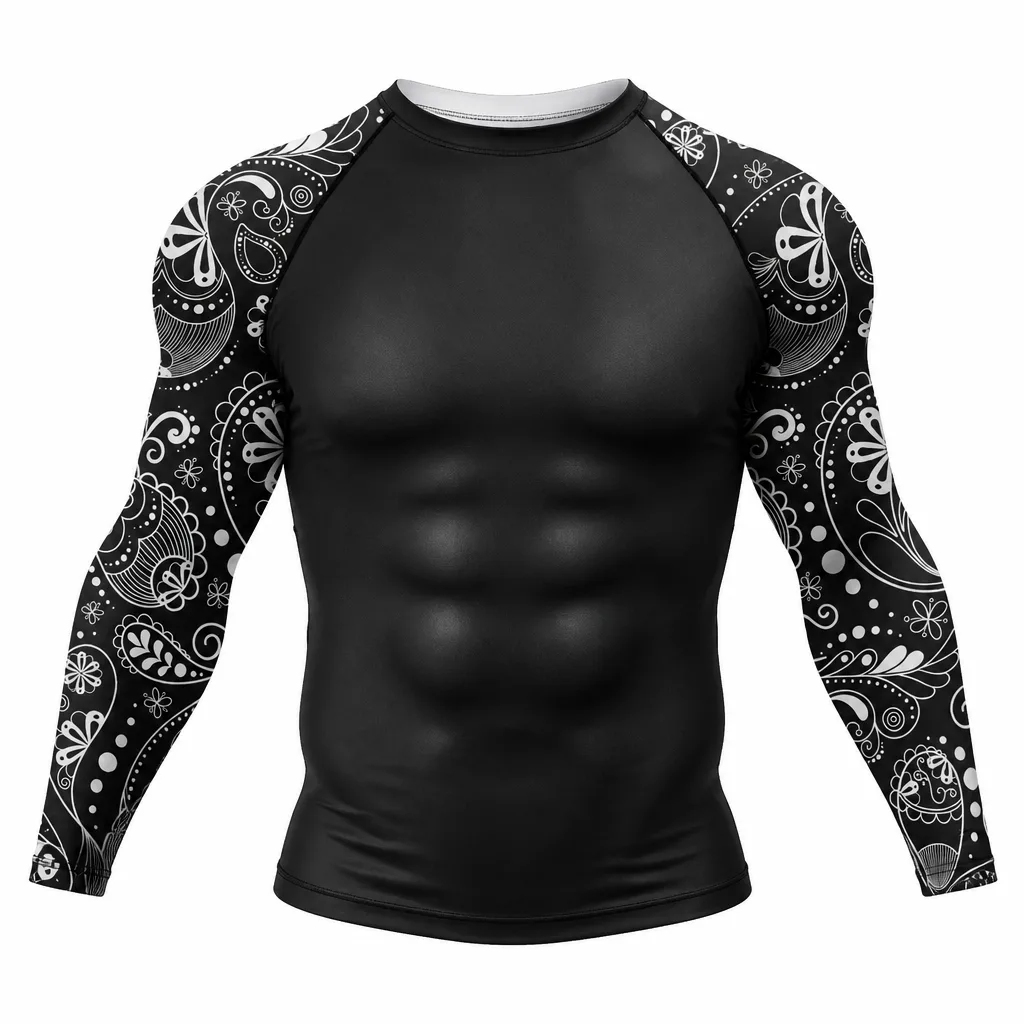 Apollo Inkforge Rash Guard
$43.99
Apollo Inkforge Rash Guard
$43.99
-
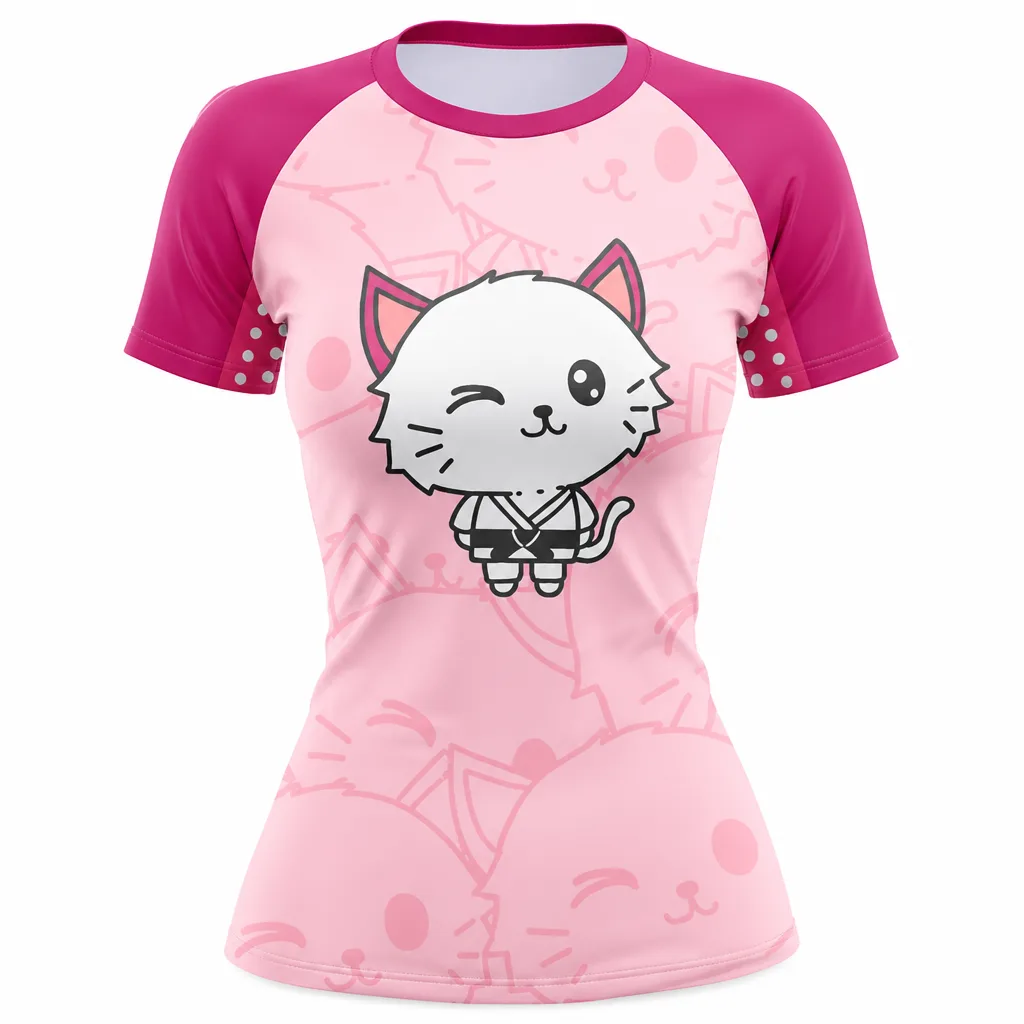 Apollo Ironwave Rash Guard Set
$48.99
Apollo Ironwave Rash Guard Set
$48.99
-
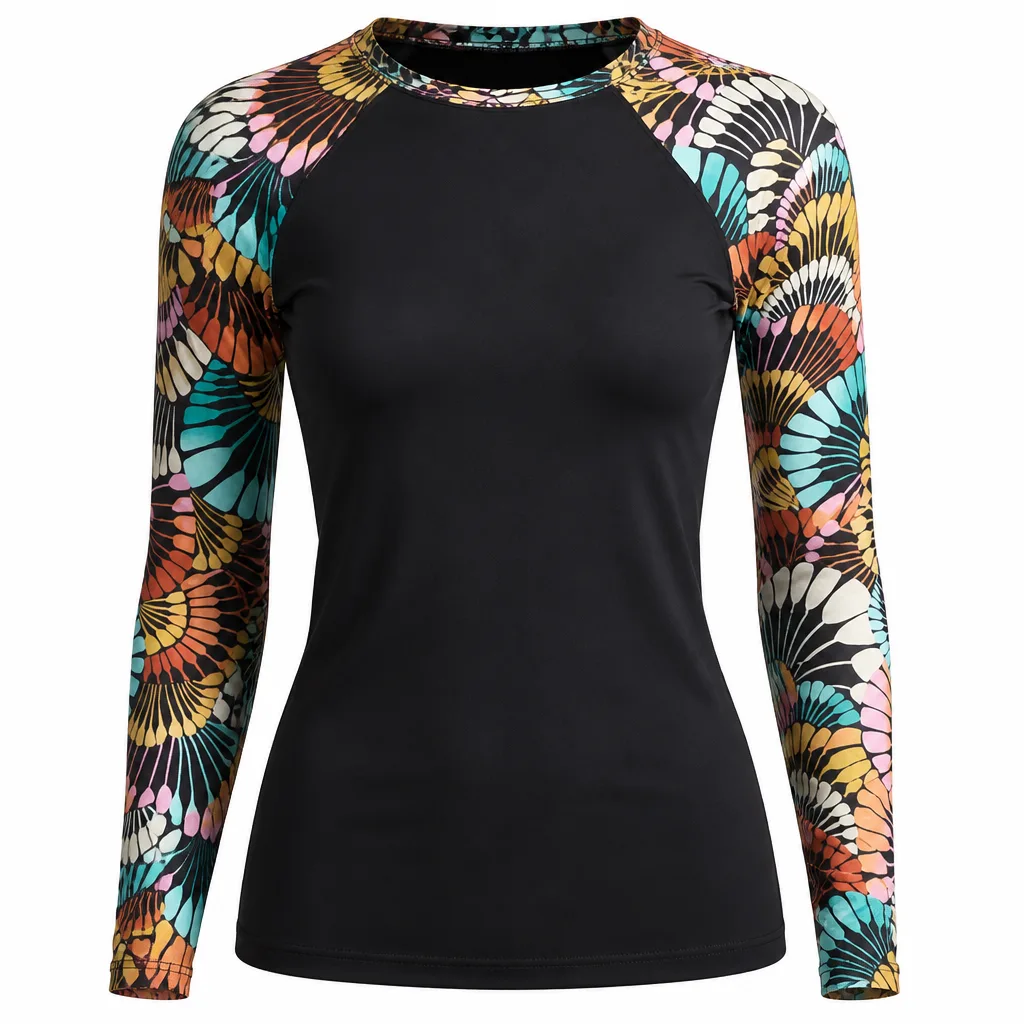 Apollo Lotus Rash Guard
$65.99
Apollo Lotus Rash Guard
$65.99
-
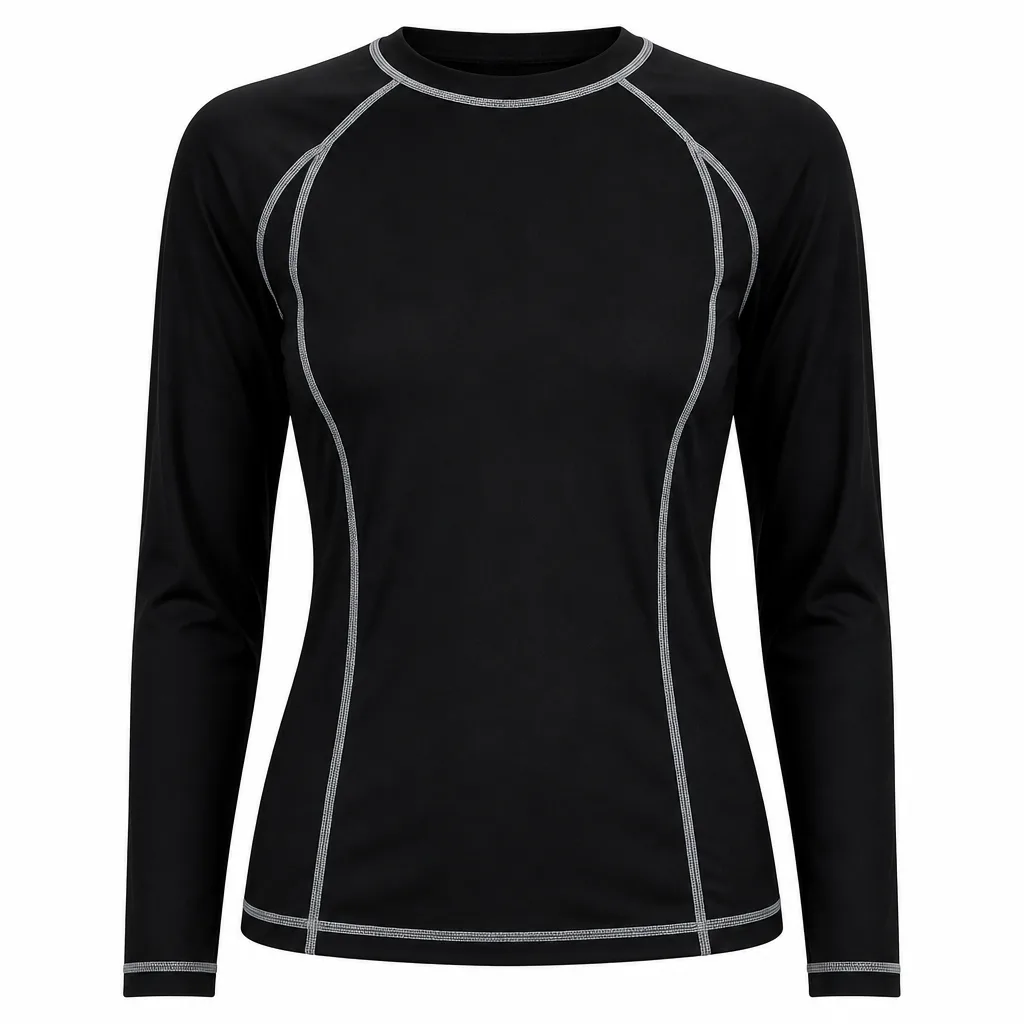 Apollo Meridian Rash Guard
$65.99
Apollo Meridian Rash Guard
$65.99
-
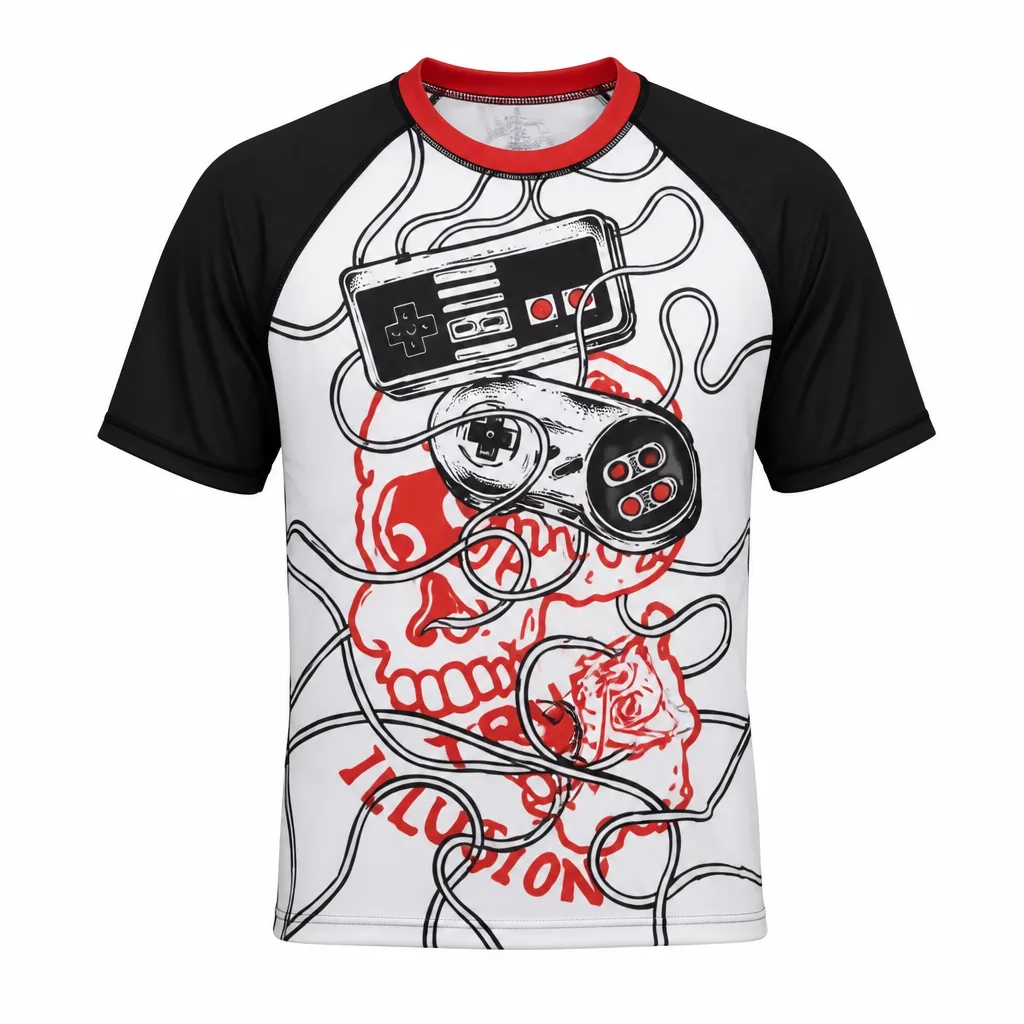 Apollo Sentinel Rash Guard
$45.99
Apollo Sentinel Rash Guard
$45.99
-
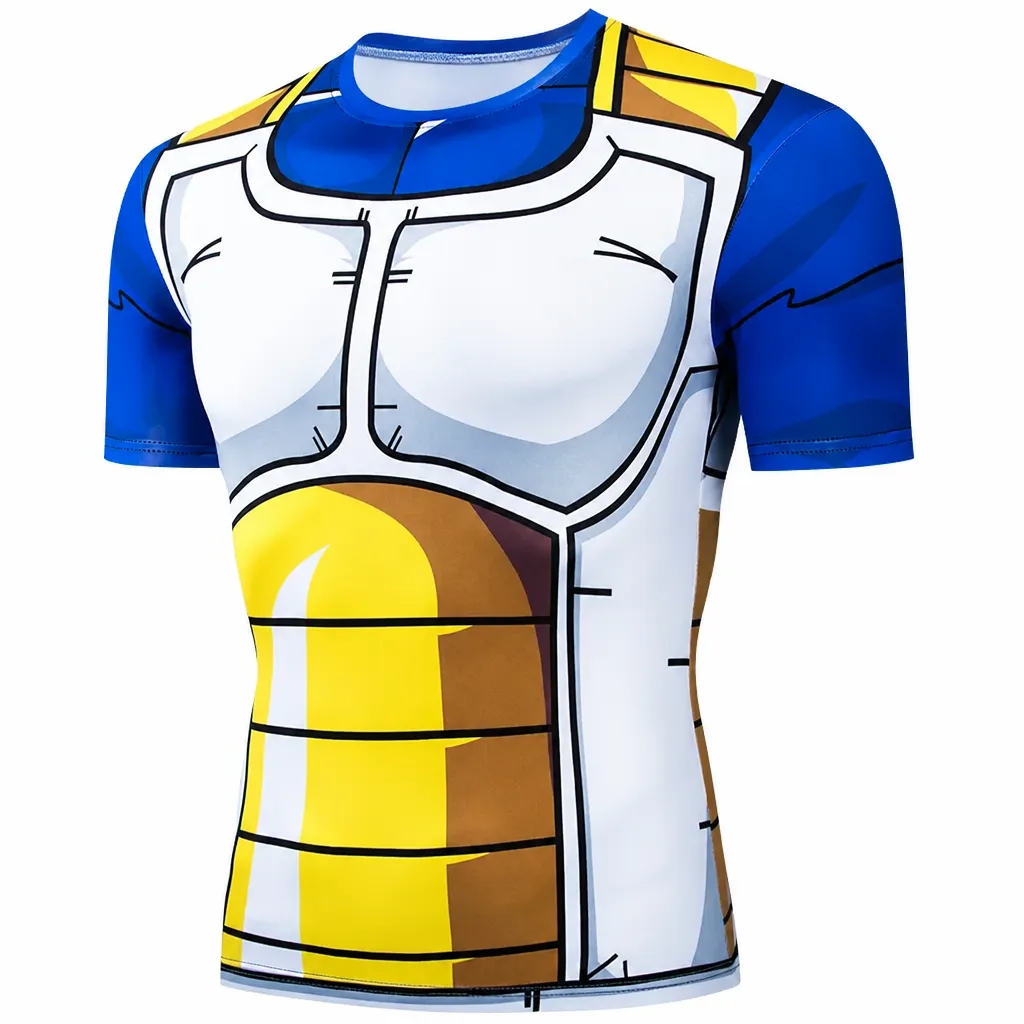 Apollo Slipstream Rash Guard
$49.99
Apollo Slipstream Rash Guard
$49.99
-
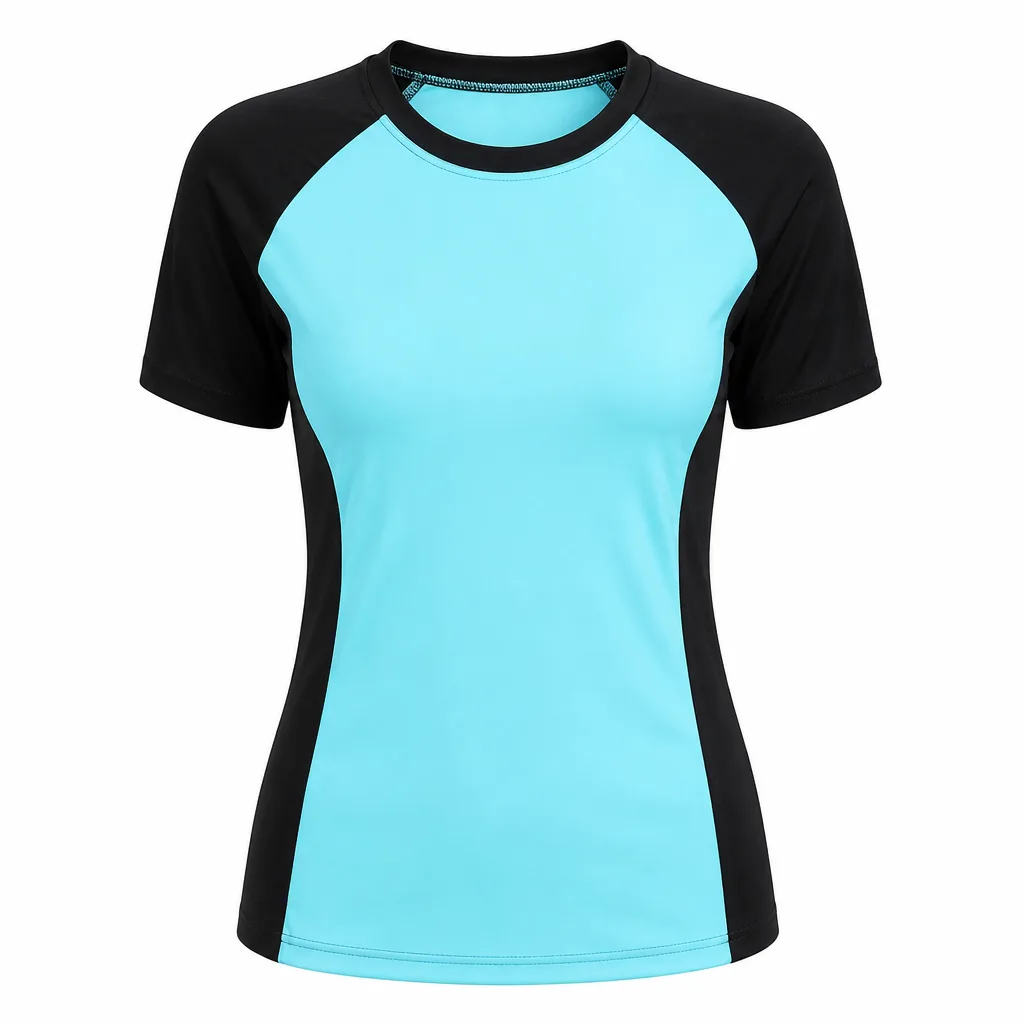 Apollo Solstice Women's Rash Guard
$68.99
Apollo Solstice Women's Rash Guard
$68.99
-
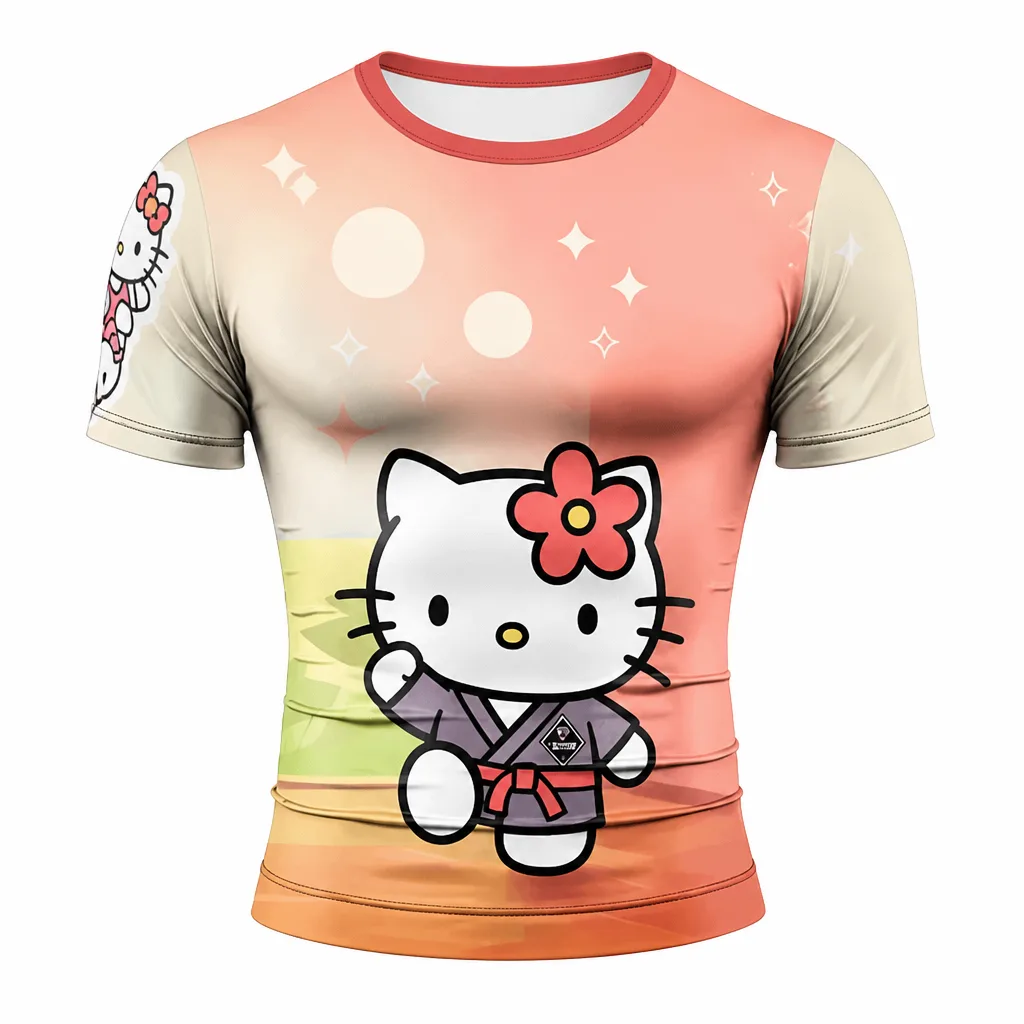 Apollo Specter Rash Guard
$36.99
Apollo Specter Rash Guard
$36.99
-
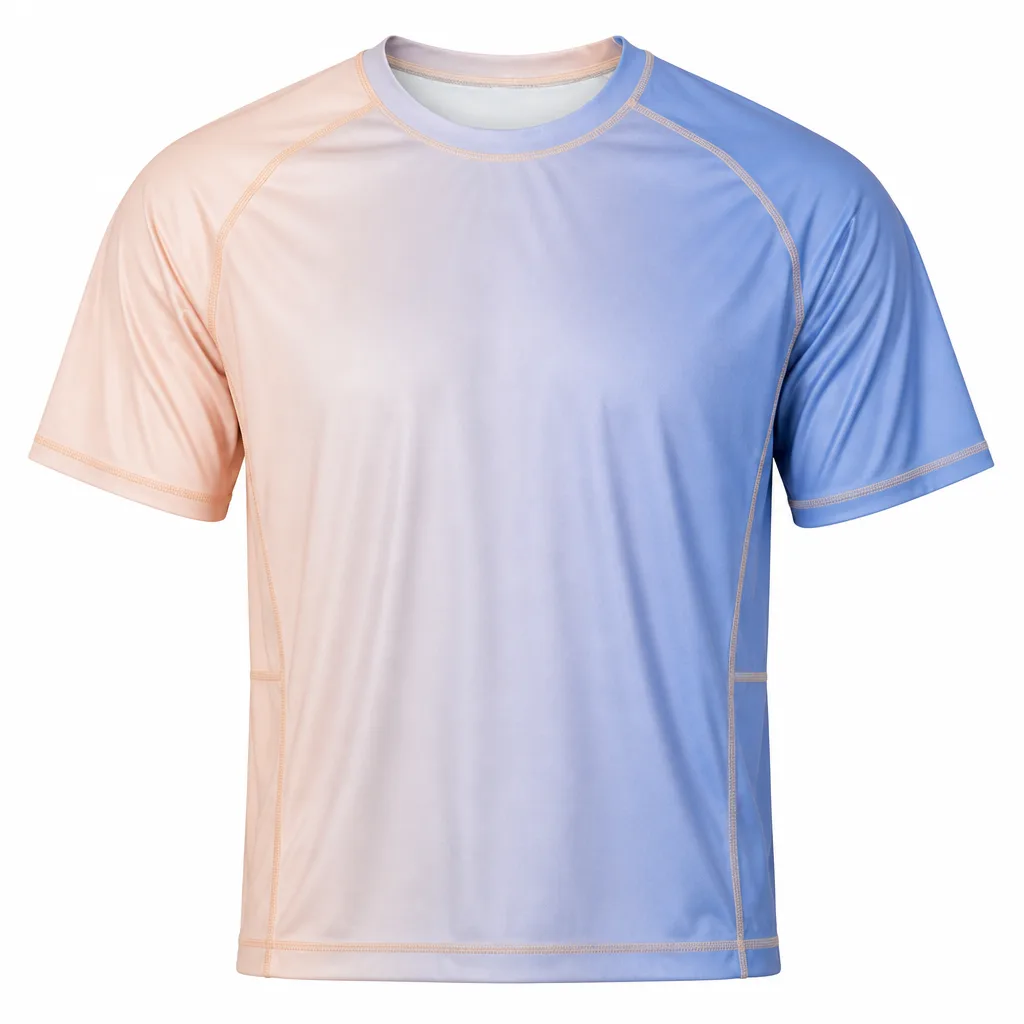 Apollo Takedown Rash Guard
$47.99
Apollo Takedown Rash Guard
$47.99
-
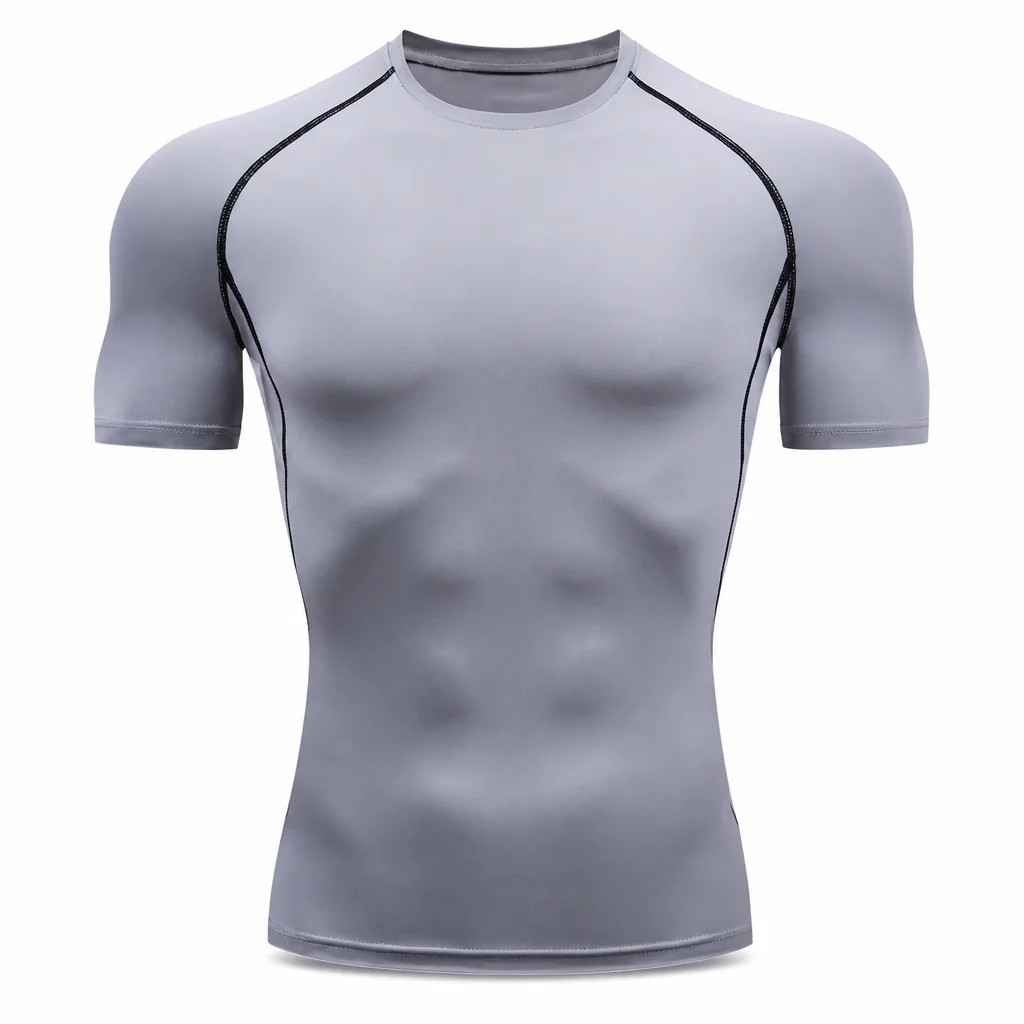 Apollo Tempest Rash Guard
$46.99
Apollo Tempest Rash Guard
$46.99
-
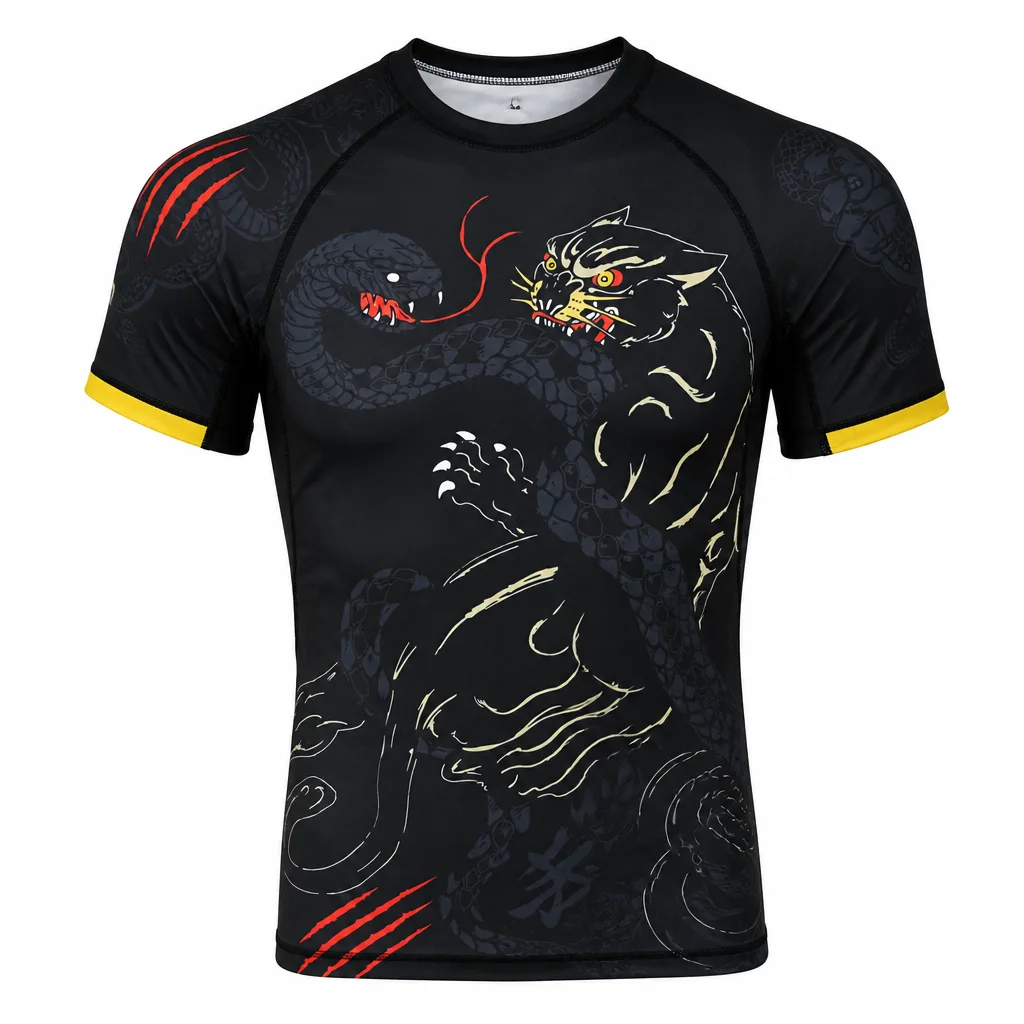 Apollo Tigercoil Rash Guard
$49.99
Apollo Tigercoil Rash Guard
$49.99
-
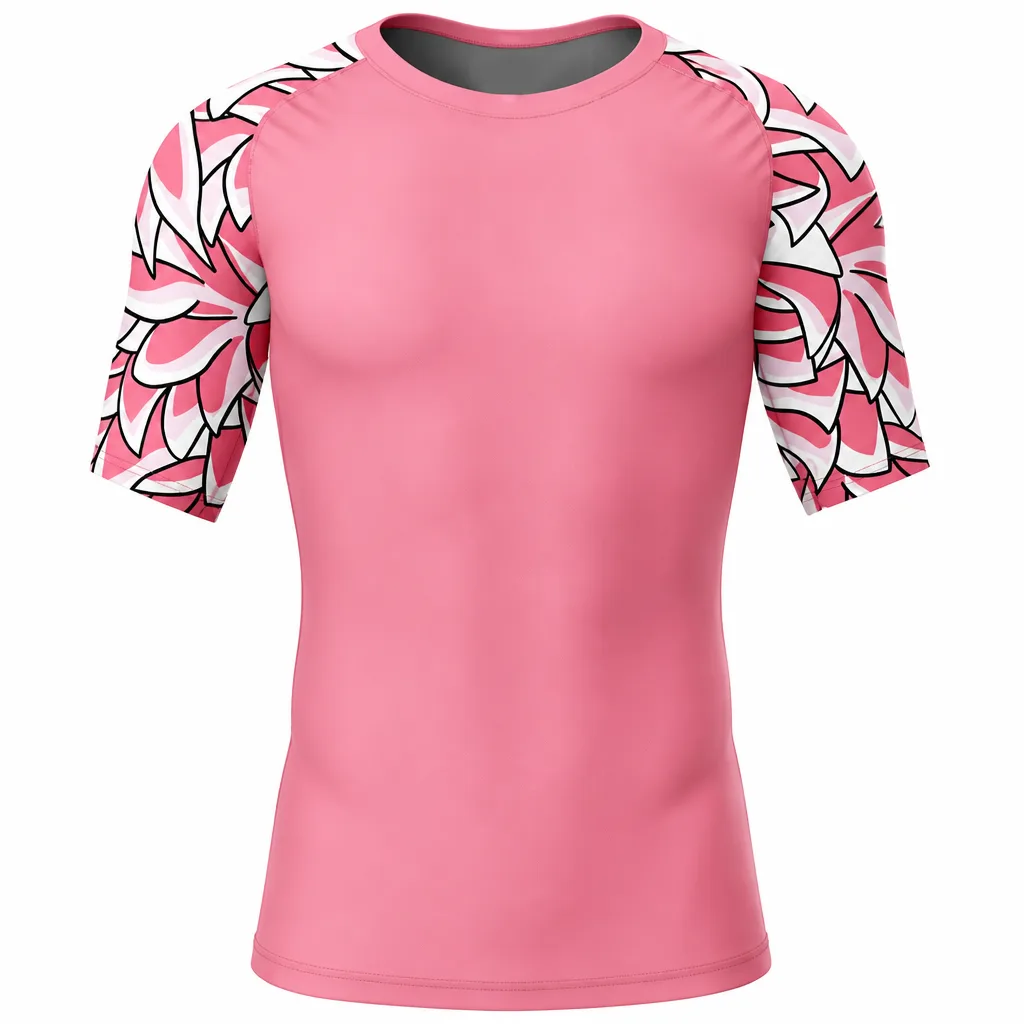 Apollo Undercurrent Rash Guard
$56.99
Apollo Undercurrent Rash Guard
$56.99
-
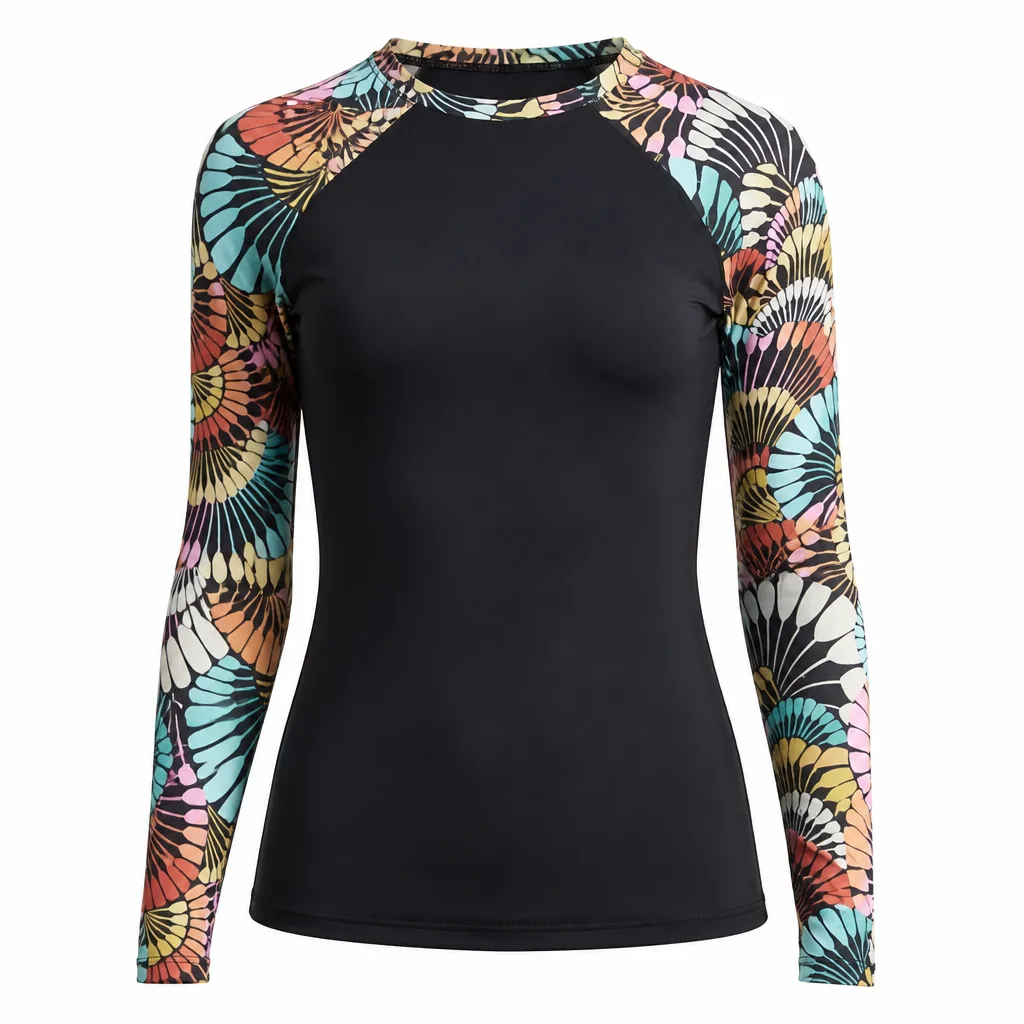 Apollo Undertow Rash Guard
$65.99
Apollo Undertow Rash Guard
$65.99
-
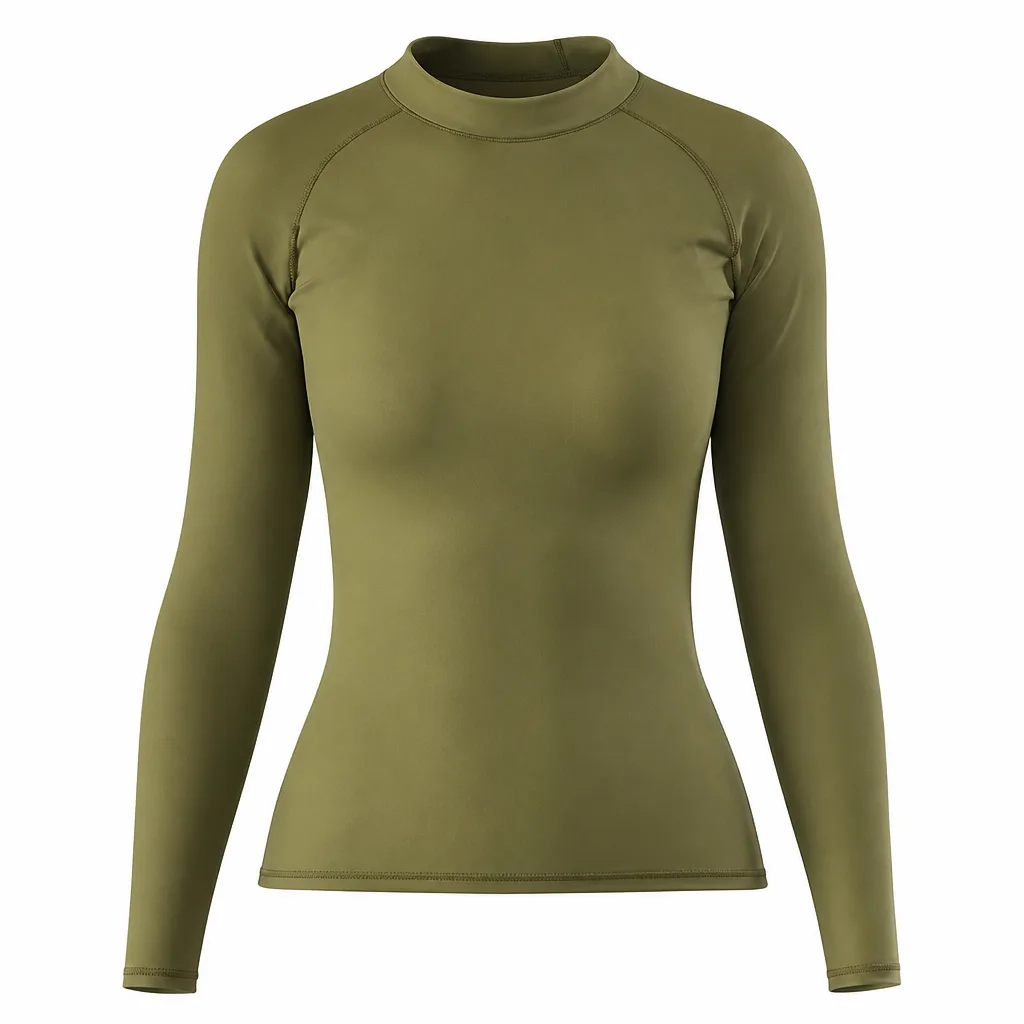 Apollo Undertow Women's Rash Guard
$98.99
Apollo Undertow Women's Rash Guard
$98.99
-
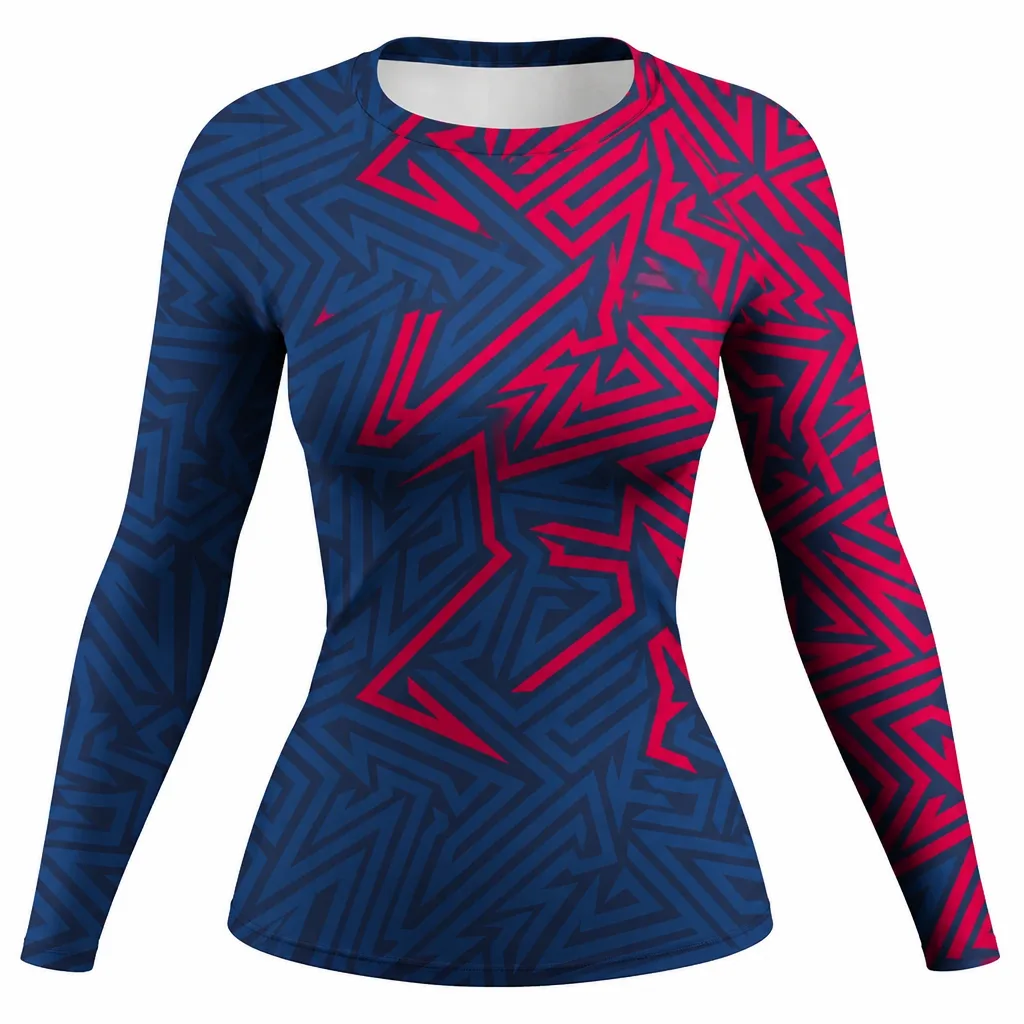 Apollo Valkyrie Rash Guard
$48.99
Apollo Valkyrie Rash Guard
$48.99
-
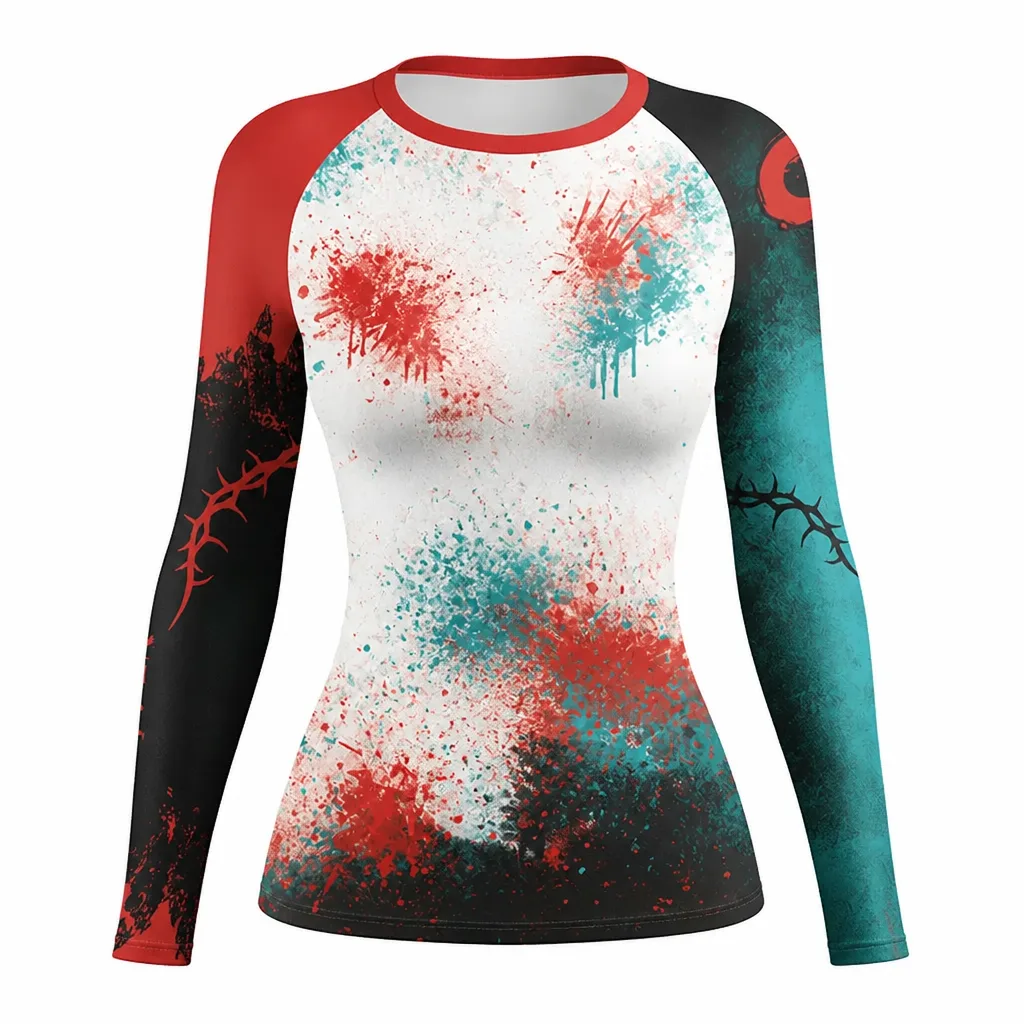 Apollo Vortex Women's Rash Guard
$49.99
Apollo Vortex Women's Rash Guard
$49.99
-
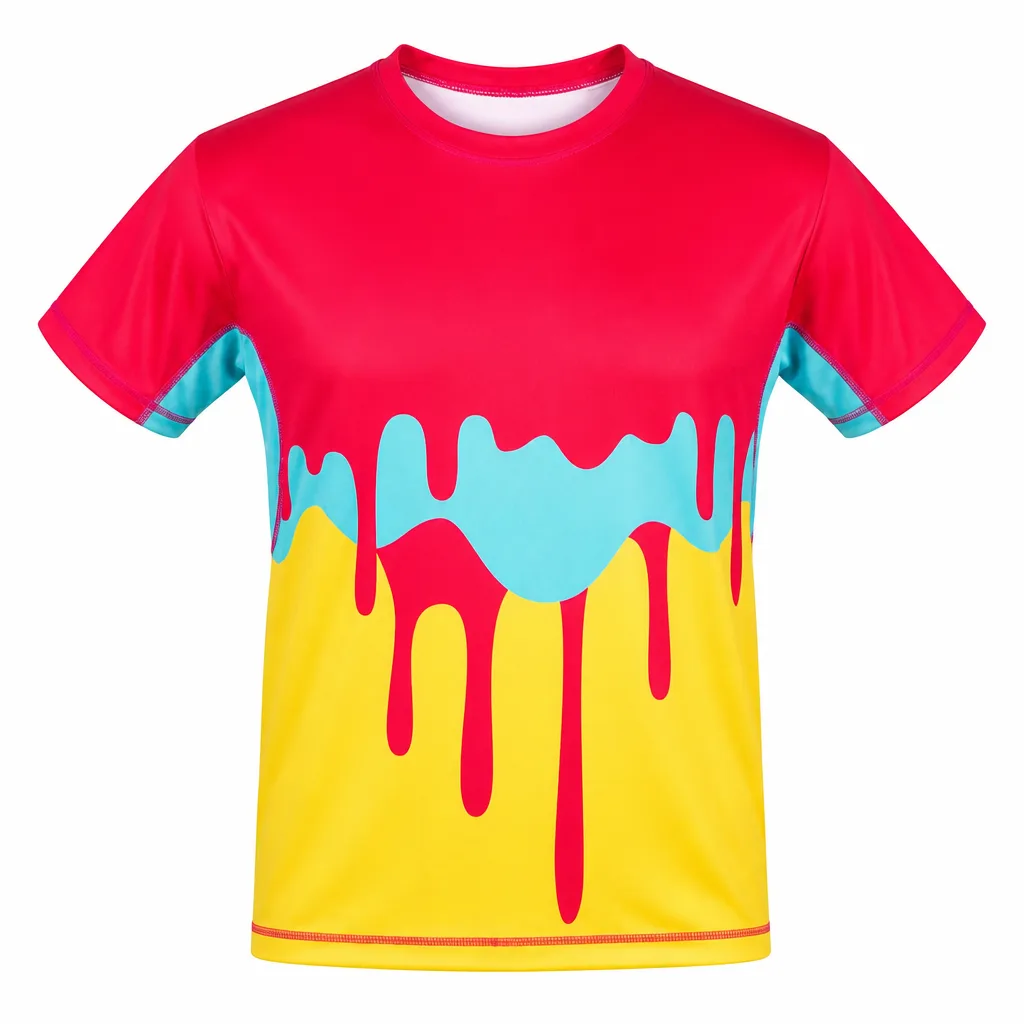 Apollo Zephyr Rash Guard
$47.99
Apollo Zephyr Rash Guard
$47.99
How to choose a rash guard
A rash guard does three jobs: it keeps your skin off the mat, it keeps your training partners off your skin, and it stops sweat turning every grip into a slip. Most gyms now treat one as mandatory for no-gi, and a good number require full torso coverage for hygiene reasons — ringworm and staph spread through skin-to-mat and skin-to-skin contact, and a rash guard is the cheapest barrier there is.
Fabric weight is the decision that matters most. Lighter polyester-elastane blends around 200 GSM breathe well and dry fast, which suits hot rooms and high-volume rolling. Heavier constructions nearer 240 GSM hold their shape through months of grip-fighting and resist the seam blowouts that finish cheap rash guards early. If you train more than three times a week, the heavier fabric is the better cost per session even though it costs more up front.
Sleeve length is preference with two practical edges. Long sleeves cover more skin, which matters if you are prone to mat burn on the forearms or train somewhere with variable mat hygiene. Short sleeves run cooler and let you feel grips on the forearm more clearly. Competitors should check their ruleset: IBJJF no-gi requires a rash guard that covers at least half the torso, ranked black or in the colour of your belt rank for adult divisions.
Fit should be genuinely tight. A rash guard that shifts under a grip is doing none of its job — it bunches, it exposes skin, and it hands your opponent a handle. Compression is the point. If you are between sizes, size down unless the chest measurement is genuinely at the top of the range. Check the length of the torso as well as the chest: a long torso in a short rash guard rides up all session.
Frequently asked questions
- Is a BJJ rashguard the same as a jiu jitsu rash guard?
- Yes — "rashguard", "rash guard", "BJJ rashguard", "jiu jitsu rashguard" and "compression shirt for BJJ" all describe the same garment, and every one of them is on this page. The only distinctions that change what you should buy are sleeve length, fabric weight and whether your ruleset requires belt-rank colours.
- What GSM should a BJJ rash guard be?
- Around 200 GSM for hot rooms and fast drying, closer to 240 GSM for durability if you train several times a week. Below about 180 GSM the fabric tends to lose compression and blow seams within a few months of hard rolling.
- Long sleeve or short sleeve for no-gi?
- Long sleeve covers more skin and reduces mat burn on the forearms; short sleeve runs cooler and gives clearer feel on grips. Neither is faster or safer — pick for your room temperature and how your forearms hold up.
- Can I wear a rash guard for IBJJF competition?
- Yes, and for adult no-gi divisions it is required. IBJJF rules ask for a rash guard covering at least half the torso, in black, or in the colour matching your belt rank. Check the current ruleset before you travel — the requirements are periodically revised.
- How should a rash guard fit?
- Tight enough that it does not move when someone grips it. If it bunches or rides up during a roll it is too big. When between sizes, size down unless your chest measurement sits at the very top of the range.