Everything You Need to Know About BJJ Training
I still remember my first intense BJJ training session after earning my black belt. Sweat-soaked and grappling with a purple belt twice my size in a packed academy, my Tatami gi held firm—no rips, no bunching, just pure mobility that let me escape a deep armbar. That moment crystallized why the right gear matters in Brazilian Jiu-Jitsu. As a BJJ black belt and certified strength & conditioning coach, I've trained thousands of hours across gyms, competitions, and home setups. At Apollo MMA, we equip fighters worldwide with premium gear that stands up to the grind of MMA BJJ training. Whether you're a beginner rolling for the first time or a pro sharpening your guard game, this guide dives deep into everything you need to know about BJJ training.
1. Fundamentals of BJJ Training: Building a Strong Foundation
BJJ training isn't just about techniques—it's a holistic system blending physical conditioning, mental resilience, and smart gear choices. At its core, BJJ emphasizes leverage over strength, making it indispensable for MMA fighters who need ground control in chaotic fights. Beginners often start with positional sparring (drilling guard passes, sweeps, and escapes), while advanced practitioners layer in flow rolling and specific sparring to simulate competition pressure.
From my experience coaching at high-level gyms, the best BJJ training routines incorporate progressive overload: 3-5 sessions weekly, mixing drilling (70% of mat time), live rolling (20%), and strength work (10%). For BJJ training for fighters in MMA or wrestling cross-training, prioritize no-gi sessions to mimic cage grappling—think slick surfaces and faster scrambles. Safety first: always tap early, warm up with shrimp drills and hip escapes, and maintain gear hygiene to prevent ringworm or staph.
Real-world insight: In humid Muay Thai gyms doubling as BJJ spaces, I've seen mat burns skyrocket without proper rash guards. Gear ties directly into fundamentals— a well-fitted gi reduces friction injuries, while compression shorts prevent chafing during long sessions. Check our training tips for drill progressions that keep your BJJ training evolving.
- Beginner focus: Positional drilling to build defense (e.g., retaining closed guard).
- Intermediate: Flow rolling for transitions, emphasizing grips and posture breaks.
- Advanced/pro: Shark tank rounds—multiple partners, high intensity for fight simulation.
2. Essential Gear for Gi BJJ Training: Durability Meets Performance
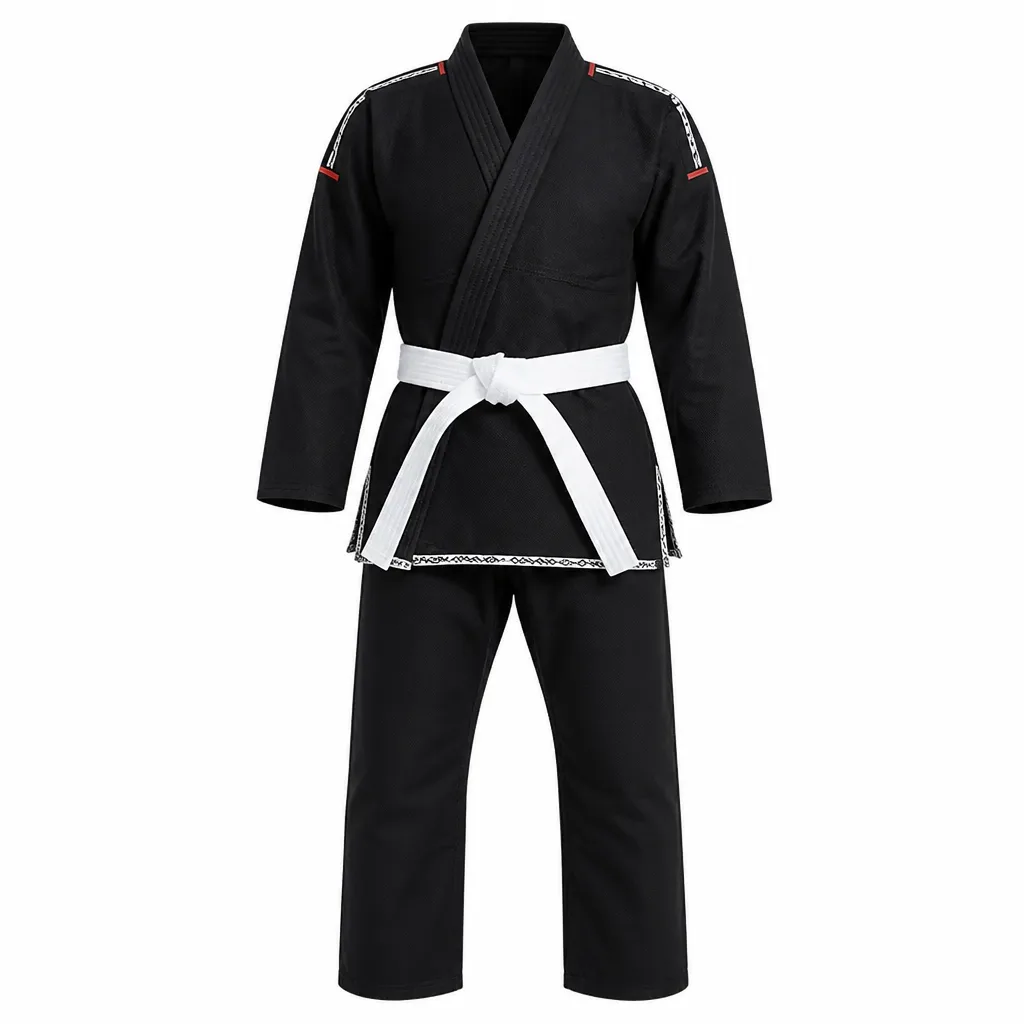
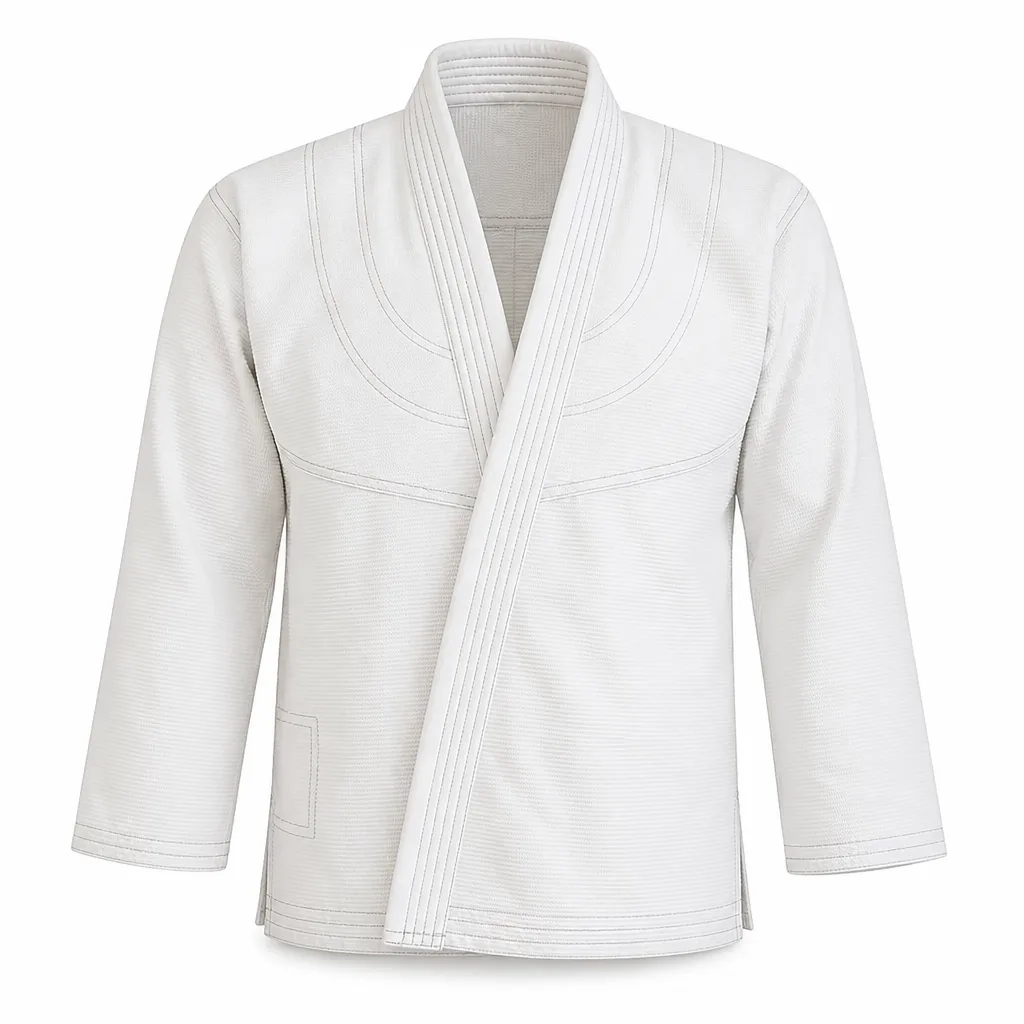
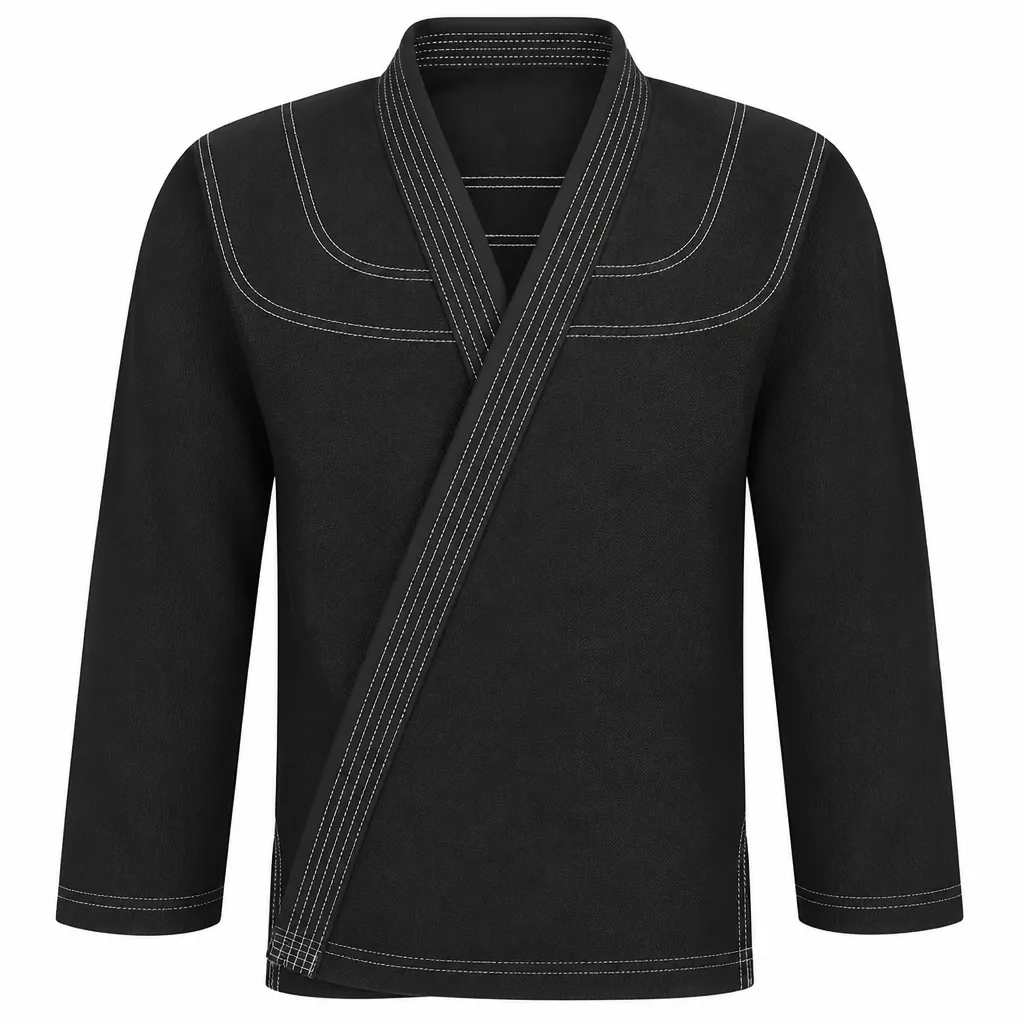
Gi BJJ training demands apparel built for collar chokes, sleeve grips, and endless friction. The gold standard is a 350-450gsm pearl weave cotton gi—light enough for mobility, tough for reinforced knees and cuffs. Brands like Hayabusa's H5 or Tatami Elements excel here: Hayabusa's microfiber pants dry 30% faster than traditional cotton, crucial for back-to-back classes in sweatbox academies.
I've ripped cheaper 300gsm gis during competition shrimping, but premium ones like Shoyoroll's Wave series withstand 100+ washes without fading. Sizing is tricky—A0 for stocky wrestlers, A1-A2 for taller frames. For women, brands now offer tailored cuts (e.g., Venum Elite Women’s Gi) to avoid baggy fits that hinder guard retention. Price trade-off: $150 entry-level vs. $250 pro—invest if training 4x/week.
Beyond the gi, pair with a moisture-wicking rash guard like Venum's Flexit for layering. In gi sessions, it prevents mat burns under the jacket. Mouthguards (Shock Doctor gel-fit) and finger tape are non-negotiables for joint safety during grip fighting. For home workouts, a compact gi bag keeps everything odor-free with antimicrobial treatments.
Key Gi Features Analyzed
- Material: Pearl weave #2 for balance; avoid bamboo blends—they tear on deep grips.
- Reinforcements: Double-layered knees for knee-cut passes; pants cuffs for heel hooks.
- Fit test: Armbar yourself in it—too loose? Return it.
Pro tip: Wash in cold water, air dry to preserve stiffness. Shop our gi collection at Apollo MMA for the best BJJ training setups tailored to your academy grind.
3. No-Gi BJJ Training Gear: Optimized for MMA Fighters
For MMA BJJ training and wrestlers transitioning to grappling, no-gi is king—faster paces, wrestling shots, and takedown chains without fabric interference. Core piece: spats or compression shorts (e.g., Hayabusa Hexagon) in 85% polyester/15% spandex. They grip the mat, preventing slides during leg locks, unlike loose boardshorts that bunch in half-guard.
Rash guards shine here: short-sleeve for wrestling sprawls, long-sleeve for full-body protection. Venum Nobre or Roka Athletics offer silicone-lined hems—no ride-up during single-leg defenses. I've coached kickboxers in no-gi; their Fairtex rash guards (anti-slip panels) excel for sweaty sprawl drills. Headgear? Optional for BJJ, but Soft Gear styles protect cauliflower ears in rough rolling.
Footwear splits opinions—wrestling shoes (e.g., Asics Matflex) for pivot control in home gyms, or barefoot for purists. Grappling socks (Sanabul Essentials) bridge the gap, silicone soles for traction without bulk. Limitations: Compression gear can overheat in hot gyms—test breathability first.
No-Gi Gear Performance Breakdown
- Durability: Look for flatlock seams; they outlast chain stitches by 2x in scrambles.
- Mobility: 4-way stretch for berimbolos; avoid stiff fabrics.
- Sizing: True-to-size for spats—too tight restricts blood flow.
In competition settings, no-gi gear like Twins shorts pairs perfectly with shin guards for hybrid Muay Thai-BJJ sessions. Beginners: Start simple. Pros: Stack layers for shark tanks. Our no-gi lineup at Apollo MMA supports every BJJ training for fighters scenario.
Comparison Overview: Gi vs. No-Gi BJJ Training Gear
Gi builds grip strength and technique patience—ideal for pure BJJ academies—but slows transitions, less MMA-relevant. No-gi accelerates athleticism, perfect for bjj training for fighters blending with boxing or kickboxing, but demands superior cardio.
| Gear Type | Best For | Top Brands | Price Range | Durability Rating |
|---|---|---|---|---|
| Gi | Traditional BJJ, grip fighting | Hayabusa, Tatami, Shoyoroll | $150-$300 | 9/10 (reinforced) |
| No-Gi (Rash/Spats) | MMA, wrestling cross-train | Venum, Roka, Sanabul | $40-$80 | 8/10 (stretch wear) |
Hybrid trainees (e.g., intermediate MMA pros) rotate weekly: gi Mon/Wed, no-gi Tue/Thu. Cost-wise, gi investments last 2-3 years; no-gi needs annual refresh due to pilling. Environment matters—gi for cool climates, no-gi for humid Thai camps. Learn more about our roots in combat sports at the about Apollo MMA page.
How to Choose the Best BJJ Training Gear
Assess your needs: Gym rats prioritize durability (450gsm gi), home trainers value packability (lightweight no-gi kits). Body type counts—ectomorphs need snug fits for leverage; endomorphs, relaxed cuts for comfort.
- Budget vs. Value: Under $100? Entry Venum. $200+? Hayabusa pro series.
- Skill Level: Beginners: Basic kits. Advanced: Custom embroidery for motivation.
- Training Environment: Commercial gyms: Antimicrobial everything. Competitions: IBJJF-compliant gis.
- Test Drive: Roll in-store if possible; check mobility in bridges and guard passes.
- Maintenance: Gear lasts longer with mesh bags and vinegar soaks.
Common pitfalls: Oversized gis lead to sloppy posture; cheap spats rip on fence climbs. For best BJJ training, Apollo MMA curates tested gear—filter by discipline on our site. Pair with strength tools like kettlebells for off-mat gains.
Anticipating questions: Safe for kids? Yes, youth sizes with parental supervision. Women-specific? Absolutely, reduced bust panels in modern rashies. Cross-discipline? BJJ gear translates seamlessly to wrestling takedowns.
Final Thoughts
BJJ training transforms fighters—ground game separates contenders from journeymen. From my black belt journey coaching pros to weekend warriors, the right gear amplifies every roll, drill, and win. Don't settle for generic; equip with purpose at Apollo MMA, where premium MMA and BJJ apparel meets real-world demands.
Ready to level up your MMA BJJ training? Browse our collections today and step onto the mat confident. Oss!
By Sarah Chen, BJJ Black Belt & Strength Coach at Apollo MMA