Everything You Need to Know About Muay Thai Training
Picture this: It's your first day at the gym, the air thick with the sharp crack of shin-on-pad impacts and the rhythmic thud of heavy bags. Sweat drips from your brow as you wrap your hands, lace up your gloves, and step onto the mats for Muay Thai training. That mix of excitement and nerves? I remember it vividly from my own start over a decade ago. As Jennifer Rodriguez, a sports nutrition expert and dedicated Muay Thai practitioner, I've conditioned countless fighters through rigorous sessions. Whether you're diving into Muay Thai training for fitness, self-defense, or competition, this guide—from hook to knockout—will equip you with everything you need.
The Journey: Stepping into the Art of Eight Limbs
My Muay Thai journey began in a dimly lit Bangkok-inspired gym in the U.S., chasing better conditioning after years in MMA and kickboxing circuits. Muay Thai, the "Art of Eight Limbs," demands total-body integration—fists, elbows, knees, and shins working in harmony. Unlike pure boxing, where footwork is linear, or BJJ's ground focus, Muay Thai training emphasizes clinch work, teeps (push kicks), and relentless pressure.
For beginners, the journey starts with shadowboxing to build form. I recall my coach insisting on perfect teep alignment before advancing to partner drills—poor technique leads to nagging shin bruises that sideline you for weeks. Intermediate fighters layer in pad work, while pros simulate fight chaos with full sparring. In MMA Muay Thai training, we adapt these for cage dynamics, shortening clinches to avoid grappling transitions favored in wrestling or BJJ.
Training environments vary: commercial gyms buzz with group classes, home setups demand compact gear like foldable thai pads, and competition prep shifts to isolated roadwork at dawn. Safety first—always warm up with dynamic stretches, and invest in quality wraps to protect wrists during high-volume rounds.
Building a Foundation: Skill Levels and Progression
- Beginners: Focus on stance (lead foot pointed forward, rear at 45 degrees), basic jabs, crosses, and low kicks. Sessions last 45-60 minutes to avoid burnout.
- Intermediate: Introduce knee strikes and elbow slices; incorporate 3-5 minute rounds mimicking amateur bouts.
- Advanced/Pro: High-intensity intervals with 20-30% power sparring, plus strength work like kettlebell swings for explosive hips.
No matter your level, consistency trumps intensity. I've seen fighters plateau from skipping recovery, only to breakthrough after dialing in nutrition—think 1.6-2.2g protein per kg bodyweight daily.
Key Discoveries: Gear That Makes or Breaks Your Training
Through thousands of rounds, I've learned gear isn't optional—it's your armor. Subpar equipment leads to injuries; premium pieces enhance performance. At Apollo MMA, we stock the Muay Thai gear trusted by Nak Muays worldwide, from Fairtex's handcrafted leather to Twins' durable synthetics.
Gloves top the list. For Muay Thai training for fighters, 16oz lace-ups like Fairtex BGV1 offer superior wrist support over Velcro for pad work—the laces distribute impact force evenly, reducing hand fatigue. In MMA contexts, hybrid 4oz competition gloves transition seamlessly. Sizing matters: measure hand circumference; too tight, and circulation cuts; too loose, control slips.
Shin Guards: The Unsung Heroes of Leg Conditioning
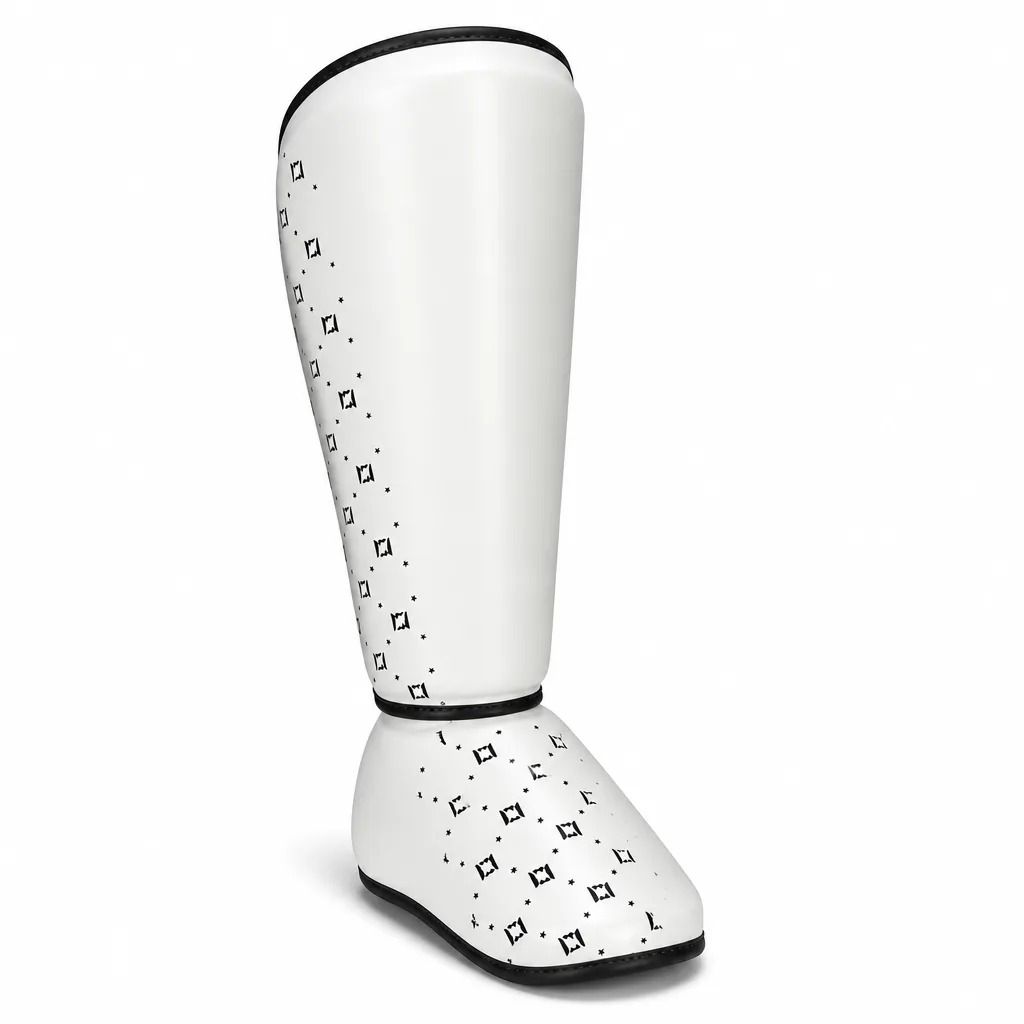
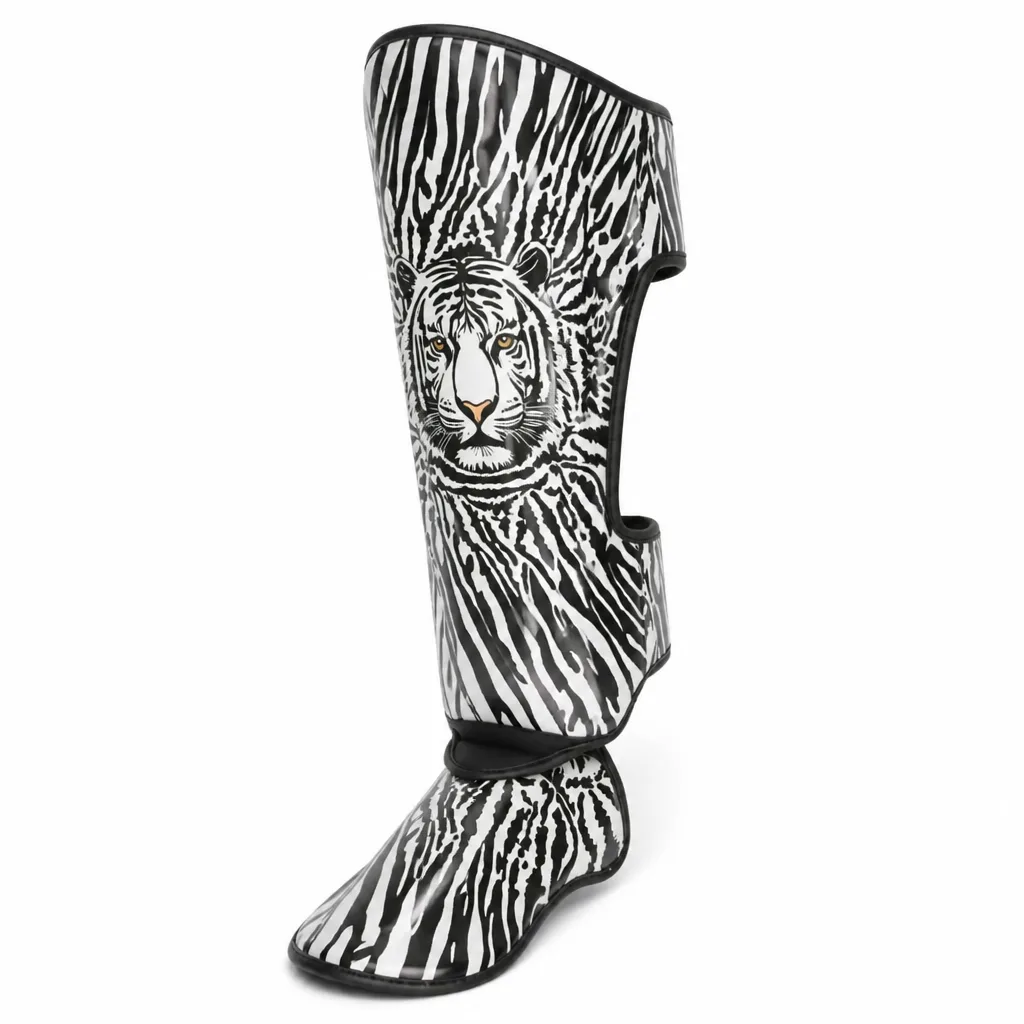
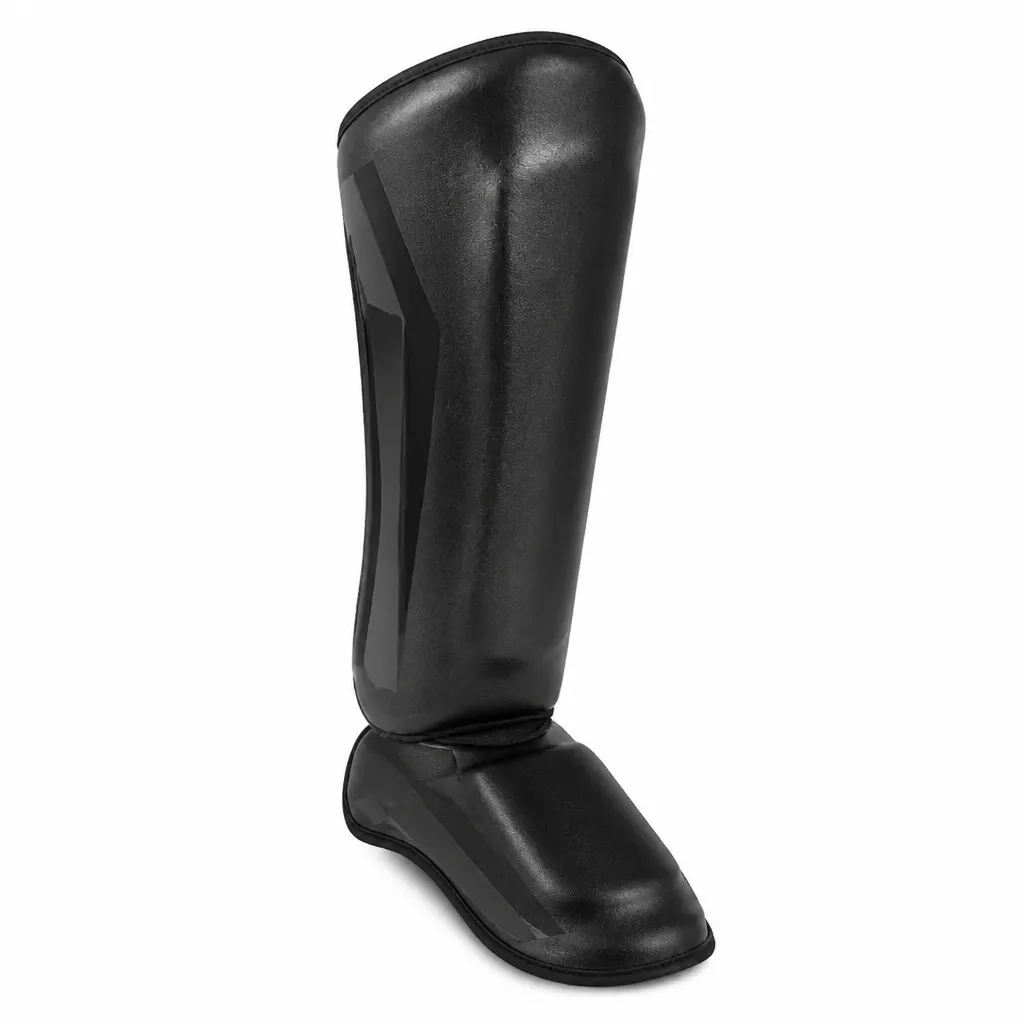
Shins take the brunt—I've conditioned mine on heavy bags until they rang like bells. Curved calf shin guards (e.g., Twins Special) contour better for teeps and checks, using multi-layer foam for shock absorption. Instep-only designs suit light sparring but falter in full-contact. Durability test: Fairtex guards withstand 6-12 months of daily use before foam compression, versus generics that crumble in half that time.
Trade-offs? High-end models like Venum Elite cost more ($80-120) but last longer than budget options ($30-50), offering better value for serious trainees. For home workouts, lightweight mesh versions prevent overheating.
Thai pads are non-negotiable for precision. A good set, like our thai pads from top brands, features dense horsehair filling for realistic feedback—Venum's Kurtral line excels here, mimicking heavy bag resistance without bulk. Holders need curved designs for knee/elbow targets; flat pads leak power in clinch drills.
Apparel and Accessories: Performance Under Pressure
Muay Thai shorts prioritize mobility—silk blends like Fairtex's breathe during humid sessions, with side slits for high kicks unrestricted by BJJ gi-style pants. Mouthguards? Dual-arch boil-and-bite models (Shock Doctor) protect better than stock ones during elbow exchanges.
Recovery gear rounds it out: Compression sleeves aid shin circulation post-training, and ice packs prevent contusions. I've swapped cheap wraps for Mexican-style cotton ones—3 inches wide, 180 inches long—for secure, breathable hand protection.
Insider tip: For wrestlers crossing into Muay Thai, opt for no-grip shorts to avoid clinch slips; kickboxers love longer inseams for thigh protection.
Transformation: From Novice to Nak Muay
Two years in, my transformation hit during a 10-round pad marathon. Cardio soared, power exploded, and confidence surged—Muay Thai reshapes not just your body but mindset. Fighters report 20-30% VO2 max gains in months, plus mental toughness from pushing through "the hurt locker."
In pro camps, we blend best Muay Thai training protocols: 5 days on, 2 recovery; morning runs (5-10km) build base, evenings refine technique. Gym rats evolve too—home setups with a $200 heavy bag kit yield pro-level conditioning sans travel.
For MMA fighters, Muay Thai injects striking depth; I've conditioned grapplers who added knees to guillotines, turning submissions lethal. Women practitioners thrive with scaled intensities—focus on speed over power for agility advantages.
Lessons Learned: Honest Truths from the Ring
Not all gear shines universally. Lace-up gloves intimidate beginners—Velcro Fairtex models bridge the gap. Budget shin guards splinter on first hard check; splurge if training 4x/week. Maintenance is key: Air-dry gloves, condition leather monthly with mink oil to fend off cracks.
Overtraining pitfalls abound—ignore rest, and cortisol spikes erode gains. Nutrition gaps? Fighters undereat carbs, bonking mid-round. Pro insight: Fairtex pads yellow from sweat; sanitize weekly. Learn from legends like Saenchai—economy of motion trumps brute force.
At Apollo MMA, learn more in our about us page or dive into training tips for tailored advice. We're not just a store; we're your training partner.
Actionable Takeaways: Your Muay Thai Training Blueprint
Ready to launch? Here's your step-by-step plan, infused with gear recs:
- Assess Your Level: Beginners: 3x/week, 45-min sessions. Pros: 6x/week with active recovery.
- Gear Up Smart: Start with 16oz gloves, curved shin guards, and thai pads. Shop Apollo MMA for bundles saving 15-20%.
- Weekly Schedule:
- Monday: Technique drills + shadowboxing (20 mins gear-free).
- Wednesday: Pad work (buy quality thai pads).
- Friday: Sparring/light bags (shin guards mandatory).
- Weekend: Conditioning runs + strength (kettlebells, bodyweight).
- Safety Protocols: Tape shins pre-sparring; hydrate with electrolytes. Scale for home gyms—wall bags for space savers.
- Track Progress: Film rounds; aim for cleaner combos. Nutrition: Post-training shake (whey + banana).
- Scale for Disciplines: MMA? Add grappling shorts. Kickboxing? Lighter guards.
Embrace the grind—Muay Thai forges warriors. Stock your arsenal at Apollo MMA, where premium Muay Thai gear meets fighter-tested quality. Questions? Hit the comments or our support. Train hard, fight smart.
By Jennifer Rodriguez, Sports Nutrition Expert & Muay Thai Practitioner | Apollo MMA