The Complete Guide to Kickboxing Training
Introduction
Did you know that kickboxing has surged in popularity, with over 3.5 million active participants worldwide in recent years, blending striking arts from Muay Thai, boxing, and karate? This hybrid discipline demands precision, power, and endurance, making kickboxing training a cornerstone for MMA fighters, boxers transitioning to stand-up, and fitness enthusiasts alike. Whether you're stepping into a commercial gym for the first time or prepping for a pro bout, this comprehensive guide—drawn from my 20+ years testing combat sports gear—covers everything from foundational techniques to elite MMA kickboxing training strategies.
We'll explore the history, core concepts, in-depth breakdowns, real-world applications, and gear recommendations tailored to your level. By the end, you'll know how to structure effective sessions, select durable equipment, and avoid common pitfalls that sideline fighters. Let's lace up and dive in.
A Brief History of Kickboxing
Kickboxing emerged in the 1960s in Japan as a sanitized version of Muay Thai, combining karate's straight punches with Western boxing's footwork and power shots. Japanese promoters like Osamu Noguchi adapted full-contact rules to create an exciting spectator sport, banning elbows and emphasizing gloves for safety. This evolution spread globally, influencing American kickboxing in the 1970s through figures like Bill "Superfoot" Wallace, who popularized high kicks and low stances.
By the 1980s, kickboxing fused with Muay Thai's clinch and knees in K-1 rulesets, birthing modern hybrid striking seen in UFC and Glory events. Today, kickboxing training for fighters bridges pure stand-up arts and MMA, where shin conditioning and teep kicks prevent takedown entries. Understanding this history helps contextualize why versatility—punching like a boxer, kicking like a Thai fighter—is non-negotiable.
Key Concepts in Kickboxing Training
At its core, kickboxing revolves around four pillars: stance, striking arsenal, defense, and conditioning. The orthodox stance (left foot forward for right-handers) keeps your power side back, enabling explosive check hooks and roundhouses. Balance is king—I've coached fighters who neglected hip mobility and paid for it with sloppy leg kicks that opponents easily checked.
Essential Striking Fundamentals
- Punches: Jab for distance, cross for power, hooks for angles—always rotate from the hips, not arms, to generate torque without telegraphing.
- Kicks: Low kicks target the peroneal nerve for damage; teeps (push kicks) control range. Roundhouses from Muay Thai roots demand shin conditioning to avoid fractures.
- Knees and Elbows: Clinch work borrows from Thai boxing, using short-range knees to the body while framing to escape wrestling entries.
Defense integrates seamlessly: slip outside jabs, parry crosses, and lift shins against low kicks. Conditioning ties it together—shadowboxing builds cardio, while plyometrics enhance explosive power. Beginners often overlook guard position; drop it, and you're eating knees.
Detailed Analysis of Training Components
Kickboxing training dissects into technical drills, pad work, bag sessions, and sparring. Start with shadowboxing: 3-minute rounds mimic fight pace, focusing on head movement and footwork transitions. I've tested countless heavy bags, and multi-layered leather models like those from Fairtex absorb thigh kicks without excessive rebound, preserving your shins.
Pad Work and Partner Drills
Mitts sessions elevate precision. A coach holding Thai pads calls combos like jab-cross-low kick-knee, forcing adaptation. For solo work, heavy bags simulate body shots, but opt for water-filled models to mimic human give—air bags bounce too predictably, training bad habits.
Clinch drills address grappling threats in MMA contexts. Practice knee strikes while controlling posture, transitioning to sweeps. Safety first: always wear mouthguards and headgear during live exchanges to prevent cauliflower ear or concussions.
Conditioning and Strength Protocols
Kickboxers need anaerobic bursts and aerobic base. Circuit training—burpees, battle ropes, kettlebell swings—mirrors round structures. Shin conditioning via rolling banana bags hardens bone density over months; skip it, and your first checked kick feels like breaking glass.
For durability, track volume: beginners 100 kicks per leg weekly, pros 500+. Hydrate religiously—dehydration drops power output by 20% in humid gyms.
Practical Applications Across Scenarios
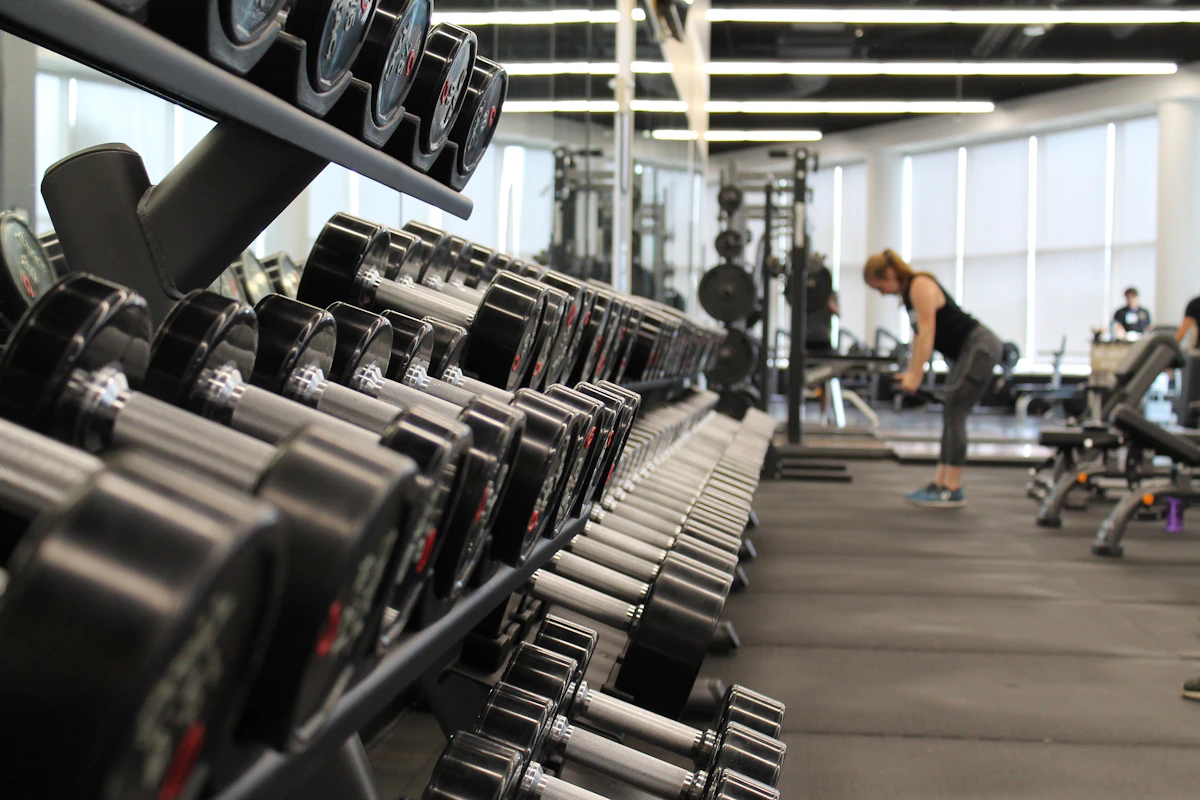
Training adapts to environments. In commercial gyms, leverage group classes for bag work and partner drills, but invest in personal gear for hygiene. Home setups suit shadowboxing and speed bag rhythms; a freestanding bag saves space, though it requires stable flooring to avoid wobbles during heavy leg kicks.
Sparring and Competition Prep
Sparring sharpens timing: light technical rounds build defense, full-contact tests chin and recovery. For kickboxing training for fighters eyeing MMA, integrate wrestling sprawls post-kick. Competition demands tapering—two weeks out, cut volume 50% to supercompensate.
Beginners: Focus form over power to ingrain mechanics. Intermediates: Layer combos. Advanced: Scenario drills like "tired fighter" simulations after sprints. Across levels, recovery matters—foam rolling shins post-session prevents DOMS.
Safety and Common Mistakes
Overtraining leads to shin splints or shoulder strains; rest 48 hours between heavy legs. Poor warm-ups risk MCL tears on roundhouses. Always consult a coach for form checks—self-taught kicks often load the wrong knee joint.
Expert Recommendations: Gear for Optimal Kickboxing Training
As an equipment specialist who's broken in hundreds of pairs, I prioritize gear that withstands abuse while enhancing performance. Start with gloves: 16oz for bag/pad work, laced for security. Fairtex BGV1s use layered horsehair for knuckle protection, ideal for boxing gloves in hybrid sessions—their microfiber shell repels sweat better than leather in humid Thai-style gyms.
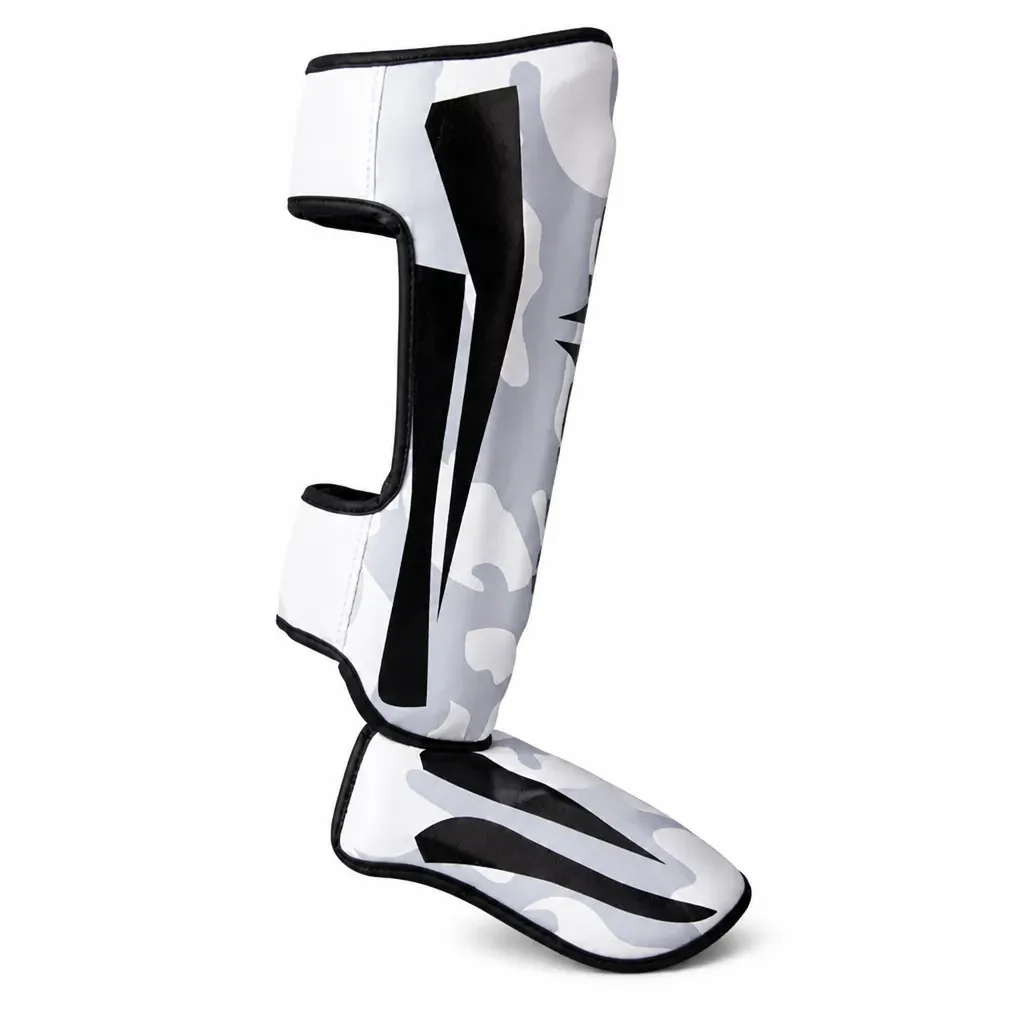
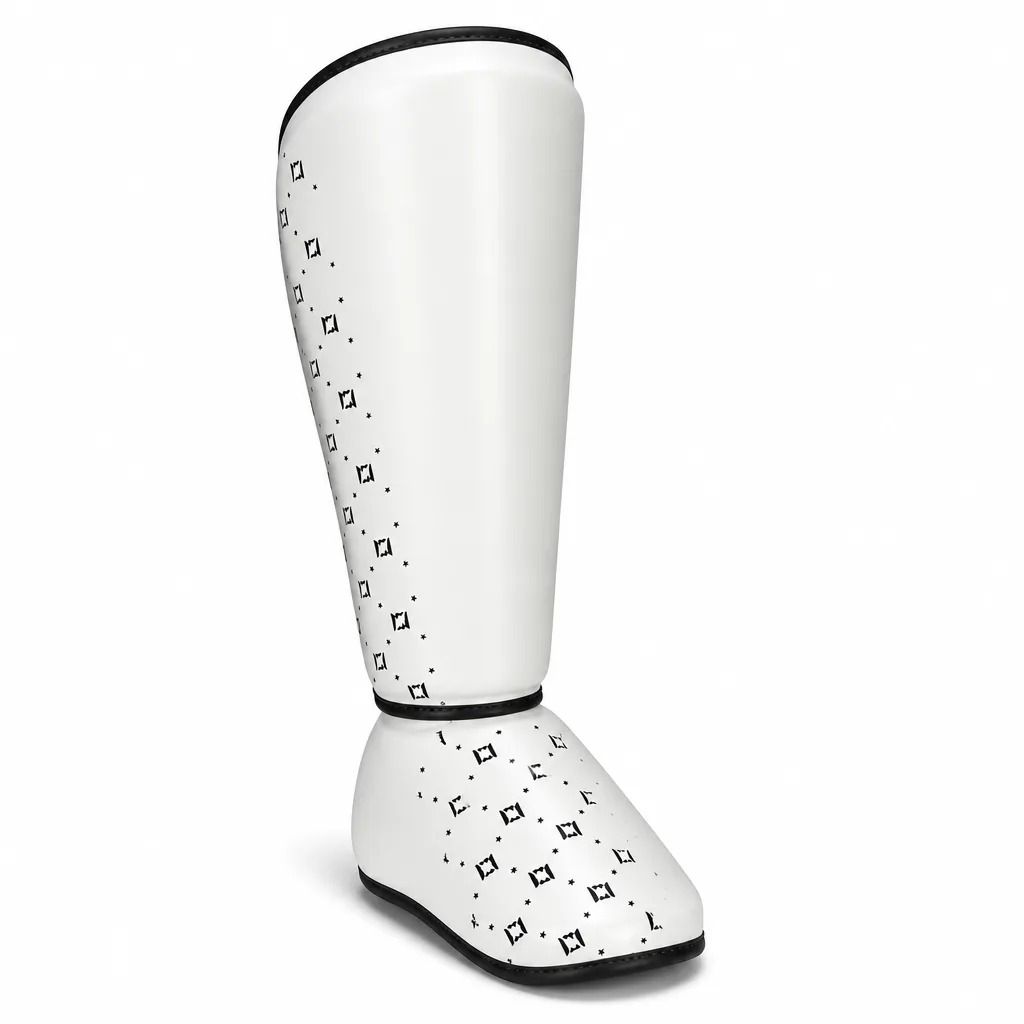
Shin guards are non-negotiable for MMA kickboxing training. Hayabusa's T3 model contours without slippage, using dual-strap density foam that compresses on impact. For partners, kick shields from Twins Special endure 1000+ thigh kicks; their curved design promotes proper hip turn.
Tailored Gear by Level and Style
- Beginners: Everlast entry-level kits for value—affordable but upgrade shins quickly as form improves. Check our size guide for fit.
- Intermediates: Venum Elite shin guards for multi-sport (kickboxing to Muay Thai); lightweight synthetics dry fast post-sweat.
- Pros: Fairtex or Ringside customs—multi-density foams absorb calf kicks without bulk. Pair with moisture-wicking shorts for clinch grip.
Browse our full kickboxing gear selection for bundles saving 20%. Maintenance tip: Air dry gloves overnight, powder interiors weekly to kill bacteria. Honest caveat: No gear replaces technique—cheap Amazon pads tear after 20 sessions, wasting time.
For holistic progress, pair with our training tips on conditioning ladders. We've fitted thousands, from garage warriors to Glory champs—right gear amplifies every rep.
Conclusion
Mastering kickboxing training transforms you from novice to formidable striker, blending power, precision, and resilience across MMA, Muay Thai, and beyond. From historical roots to daily drills, prioritize form, progressive overload, and quality equipment to sidestep injuries and accelerate gains. Whether gym-bound or home-based, consistent application yields results—pros don't outwork you, they outsmart with smart gear and recovery.
Ready to level up? Stock your arsenal at Apollo MMA, your premier source for premium kickboxing training essentials. Share your progress in the comments—what's your go-to combo?