The Complete Guide to BJJ Gear
Picture this: It's my third BJJ class ever, fresh off a string of MMA amateur fights. I'm rolling with a purple belt twice my size, sweat pouring, and suddenly—rip. My cheapo academy gi splits right at the knee during a guard pass. Everyone stops, chuckles, and the instructor pulls me aside: "Kid, gear matters more than you think in this game." That humiliating moment? It kicked off my obsession with bjj gear, turning me from a scrappy MMA fighter into someone who tests and reviews kit for a living. If you're stepping onto the mats—whether for the first time or chasing black belt gold—this guide is your roadmap, drawn from 15 years of mats, cages, and gear closets.
The Journey: From MMA Cage to BJJ Mats
As a former pro MMA fighter, transitioning to Brazilian Jiu-Jitsu wasn't just about learning techniques like the armbar or berimbolo. It was about adapting my entire setup. MMA demands versatile Muay Thai gear and gloves for stand-up, but BJJ? It's all guard play, submissions, and endless grinding on the floor. Early on, I borrowed a buddy's old gi—stiff pearl weave that chafed like sandpaper and sizing all wrong for my broad shoulders.
I started hunting for bjj gear for fighters that could handle both no-gi MMA sparring and pure grappling sessions. Gyms were packed with beginners in Walmart tees getting shredded by grips, while pros like Gordon Ryan swore by custom-fitted pieces. My journey took me through dozens of brands: testing Hayabusa's lightweight gis in humid home workouts, Venum's no-gi shorts during competition sims, and Tatami's durable rash guards in commercial gym chaos. Spoiler: Not all "pro-grade" labels hold up under real pressure.
Over years of training 6 days a week—mixing BJJ with wrestling drills and kickboxing gear for conditioning—I learned gear isn't vanity. It's your shield against injury, your edge in flow rolling, and the difference between tapping early or surviving scrambles.
Key Discoveries: Breaking Down the Best BJJ Gear Essentials
Diving deep into MMA bjj gear, I uncovered what separates tournament winners from sidelined hobbyists. Here's the breakdown, category by category, with the gritty details only mat time reveals. We'll cover gi and no-gi setups for beginners sweating through open mats, intermediates drilling positional sparring, and pros prepping for IBJJF Worlds.
The Gi: Your Grappling Armor
No BJJ guide skips the gi—it's the soul of the art. Pearl weave #1 (450gsm) is my go-to for training: breathable cotton that molds after washes, unlike the stiff #3.5 (550gsm) competition beasts from Shoyoroll, which resist tears but dry like cardboard post-roll.
Fit matters hugely. A gi too baggy snags on hooks; too tight restricts hip escapes. Check our size guide before buying—brands like Hayabusa run snug for agility, perfect for MMA crossovers needing mobility. Durability test? I put a Venum Elite through 200+ washes; collar stayed stiff, pants held knee reinforcements during stack passes. Price tip: $150-250 gets pro-level without breaking the bank.
- Beginners: Fuji Comp—affordable, IBJJF-approved, great for learning grips without shredding your wallet.
- Advanced: Origin or Hyperfly—pre-shrunk, antimicrobial fabrics for daily grinders.
Maintenance hack: Wash cold, air dry. Hot cycles warp stitching, turning your investment to rags in months.
No-Gi Gear: Rash Guards, Shorts, and Spats
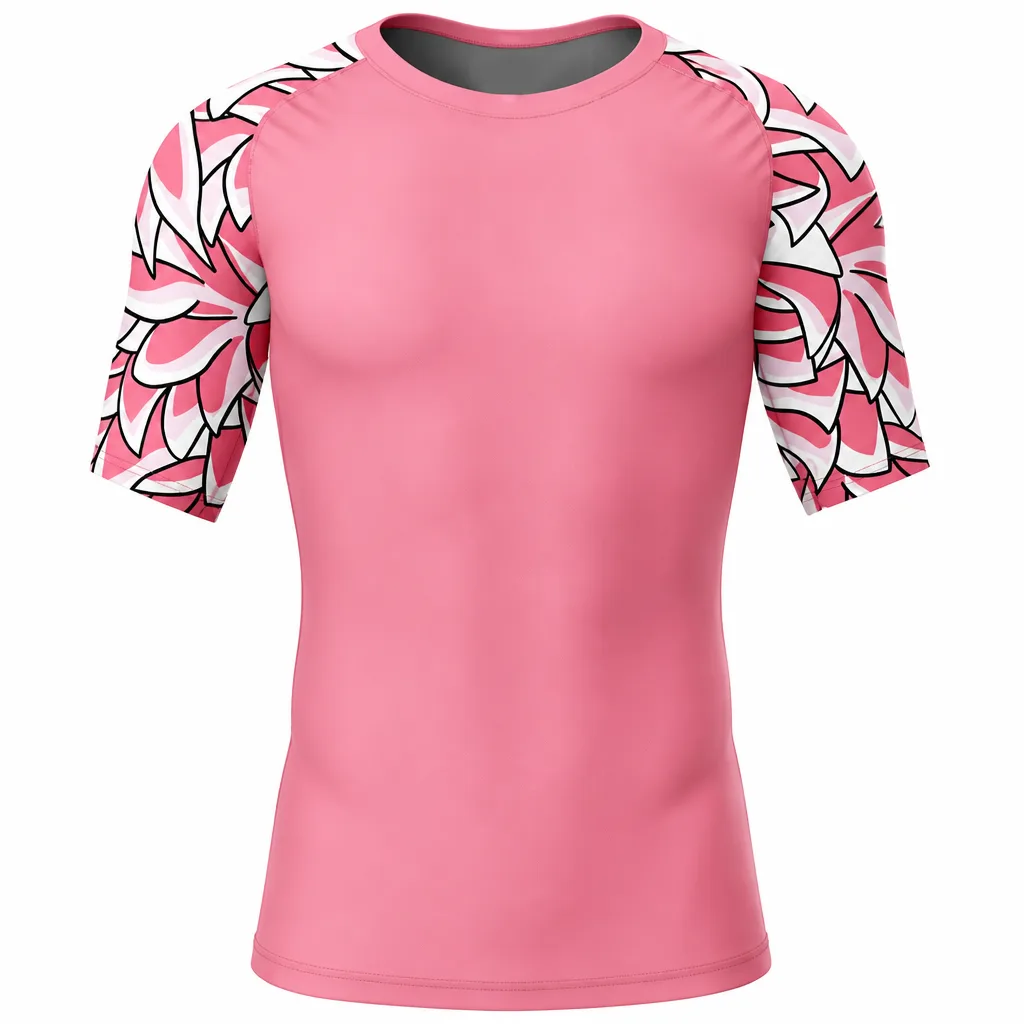
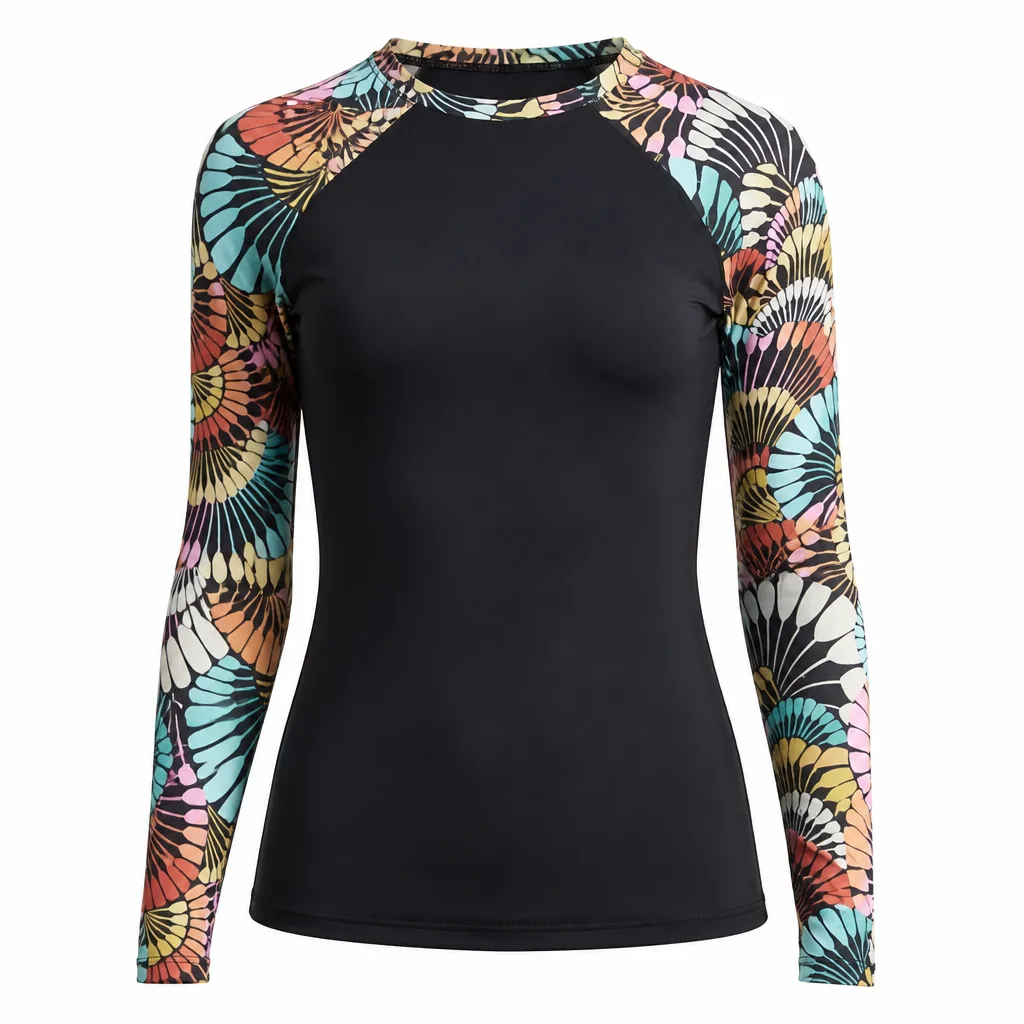
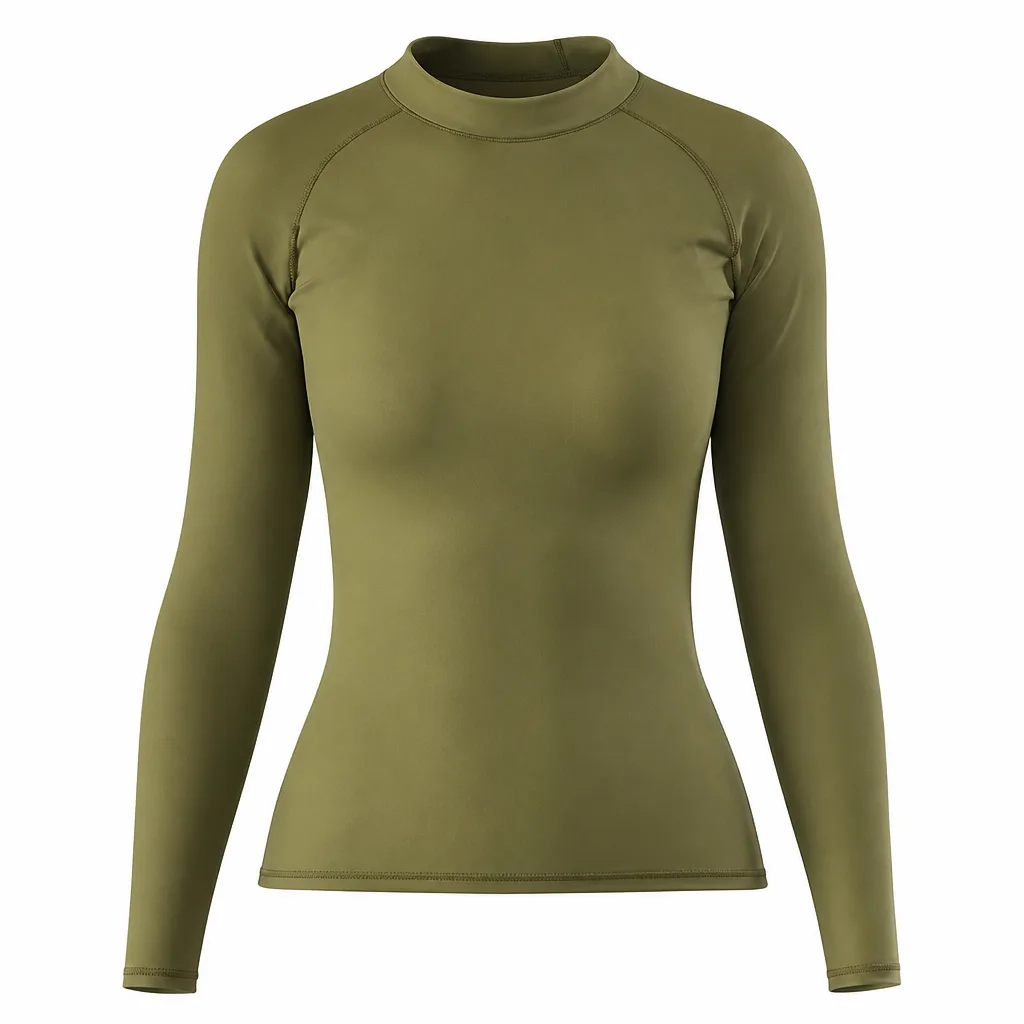
For no-gi classes or MMA sessions, bjj gear for training shifts to speed and skin protection. Rash guards aren't tees—they're compression layers preventing mat burns during turtle escapes. Spandex-poly blends (like Tatami's Element series) wick sweat better than cheap nylon, crucial in 90-minute sessions.
Shorts? Split-side designs with grippy liners, like Fairtex or Venum Challenger. They stay put during leg locks, unlike basketball trunks that ride up mid-scramble. I pair them with compression gear spats for knee stability—game-changer for old MMA injuries.
Women-specific note: Brands like RYU offer tailored cuts avoiding chest bunching. Pro insight: Look for flatlock seams; raised ones blister under pressure.
Protective Must-Haves: Mouthguards, Finger Tape, and More
Safety first. EVA boil-and-bite mouthguards (Shock Doctor) mold perfectly, protecting against guillotine chokes. Finger tape? Zebra brand's 1-inch width prevents gi burns on joints—tape pre-roll, not mid-session.
For wrestling crossovers, knee pads with silicone grips (Cliff Keen) absorb impacts without bulk. Headgear for cauliflower ear prevention? Optional for hobbyists, essential for pros stacking subs.
Transformation: How the Right BJJ Gear Changed My Game
Flash forward: Equipped with a tailored Hayabusa gi and Venum no-gi kit, my rolls transformed. No more rips mid-tournament sims. In one regional comp, my reinforced pants withstood 10+ failed guard recoveries, letting me focus on technique over wardrobe malfunctions. Training efficiency skyrocketed—rash guards kept me cool during back-to-back drills, cutting recovery time.
For MMA fighters blending disciplines, this gear bridged gaps. No-gi BJJ honed my ground game, with shorts doubling for cage work. Beginners I coached ditched blisters after switching to proper compression; intermediates hit PRs in endurance rolls. Even home gym warriors benefited—compact kits fit garage setups without sacrificing quality.
The real shift? Confidence. Gear that fits like a second skin lets you flow freely, turning defense into offense. I've seen it in pros like Craig Jones: top-tier best bjj gear amplifies skill, not compensates for it.
Lessons Learned: Honest Trade-Offs and Pitfalls
Not all shiny labels deliver. Hyperfly gis excel in feel but fade colors faster than Tatami. Budget options like Sanabul work for novices but shred after 50 washes—fine for casuals, not daily drivers. Sizing traps abound: Asian brands (Origins) skew small; measure your wingspan.
Price vs. value? $200 gis beat $80 knockoffs long-term, saving replacement costs. Limitations: No gear prevents all injuries—pair with warm-ups. For heavy sweaters, avoid full polyester; it traps heat like a sauna.
Industry truth: IBJJF rules dictate single-weave for comps—ignore at disqualification risk. And for bigger frames? Custom from BJJHQ, but Apollo MMA's stock covers 90% perfectly.
Cross-discipline alert: BJJ gis won't cut it for Muay Thai clinch work—stick to purpose-built pieces.
Actionable Takeaways: Build Your BJJ Gear Arsenal Now
Ready to level up? Here's your starter checklist, scalable by level:
- Core Kit (Beginner, $150-300): Gi or rash guard/shorts combo. Prioritize fit via our size guide.
- Training Upgrades (Intermediate, $300-500): Reinforced gi, compression spats, quality tape. Test in 5-10 sessions.
- Pro Stack (Advanced, $500+): Custom gi, multiple no-gi sets, knee sleeves. Rotate for longevity.
Shop smart at Apollo MMA—our curated bjj gear selection features battle-tested Hayabusa, Venum, and more, with free shipping worldwide. Dive into our full gear guides for discipline-specific tweaks.
Bonus tips:
- Storage: Hang gis to air out; mildew kills weave.
- Upgrades: Anti-slip mats under home setups prevent slides.
- Budget Hack: Start no-gi—cheaper entry, builds fundamentals fast.
Your journey starts with the right tools. Grab your best bjj gear today, hit the mats, and feel the difference. Questions? Drop 'em below—I've got the scars to prove the answers.
—Marcus Silva, Apollo MMA Gear Expert & Former Pro MMA Fighter