Everything You Need to Know About Judo Gi
Introduction: My First Grip on a Judo Gi Changed Everything
Picture this: It's 2005, and I'm coaching a young wrestler at a gritty MMA gym in Chicago. He's got raw talent on the mats but struggles with transitions into submissions during live rolls. I hand him a crisp judo gi—the kind with that signature stiff collar and reinforced pants—and watch his game transform. Suddenly, his grips lock like vices, and he's chaining throws into armbars with precision. That moment hooked me on the power of the right gear.
As Michael Park, a wrestling coach with over 20 years reviewing and testing combat sports equipment, I've seen firsthand how a quality judo gi for fighters bridges disciplines like Judo, Brazilian Jiu-Jitsu (BJJ), and MMA. Whether you're a beginner drilling fundamentals or a pro prepping for a cage fight, understanding the judo gi elevates your training. In this guide from [Apollo MMA's about us page], we'll dive deep into everything you need to know—history, specs, applications, and the best judo gi options to supercharge your sessions.
Background and History: From Samurai Roots to Modern Grappling
The judo gi, or judogi, traces back to Judo's founder, Jigoro Kano, in the late 19th century. Drawing from jujutsu traditions, Kano designed the uniform in 1888 to standardize training at the Kodokan dojo in Tokyo. Made from sturdy cotton canvas, it was built for randori (free practice) where throws and grips demand durability.
Unlike the lighter kimonos of feudal samurai, the judogi emphasized toughness for full-powered techniques. Post-WWII, it spread globally, influencing BJJ gis (thinner for ground work) and even MMA hybrids. Today, the International Judo Federation (IJF) regulates specs for competition—think 450-700gsm fabric weights and precise sleeve lengths. For MMA enthusiasts, this evolution means MMA judo gi variants blend Judo's grip strength with rashguard compatibility.
I've trained in original Kodokan-style gis during seminars with Olympic judoka, feeling the historical weight in every collar drag. That legacy informs why modern fighters cross-train in them—it's not just gear; it's a nod to proven grappling science.
Key Concepts: What Sets a Judo Gi Apart
A true judo gi for training prioritizes grip, mobility, and resilience. Here's what defines it:
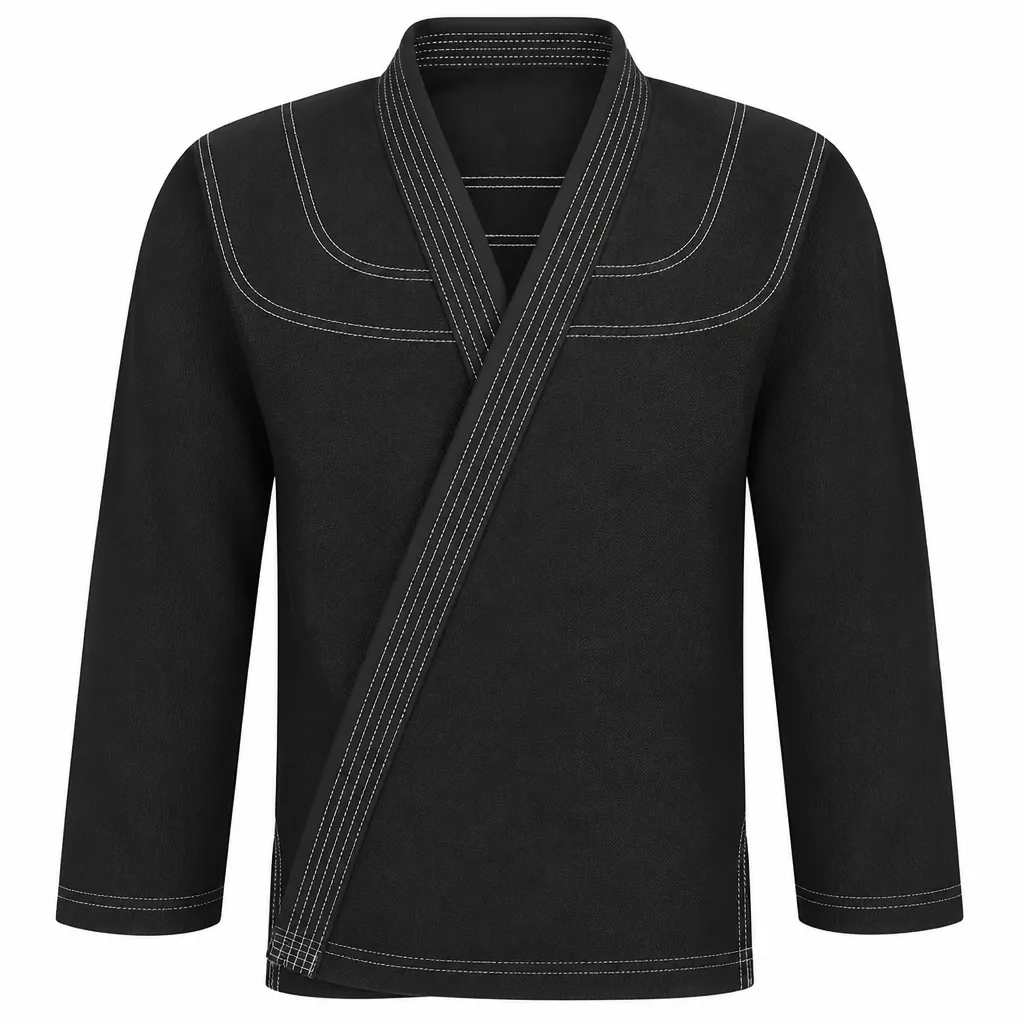
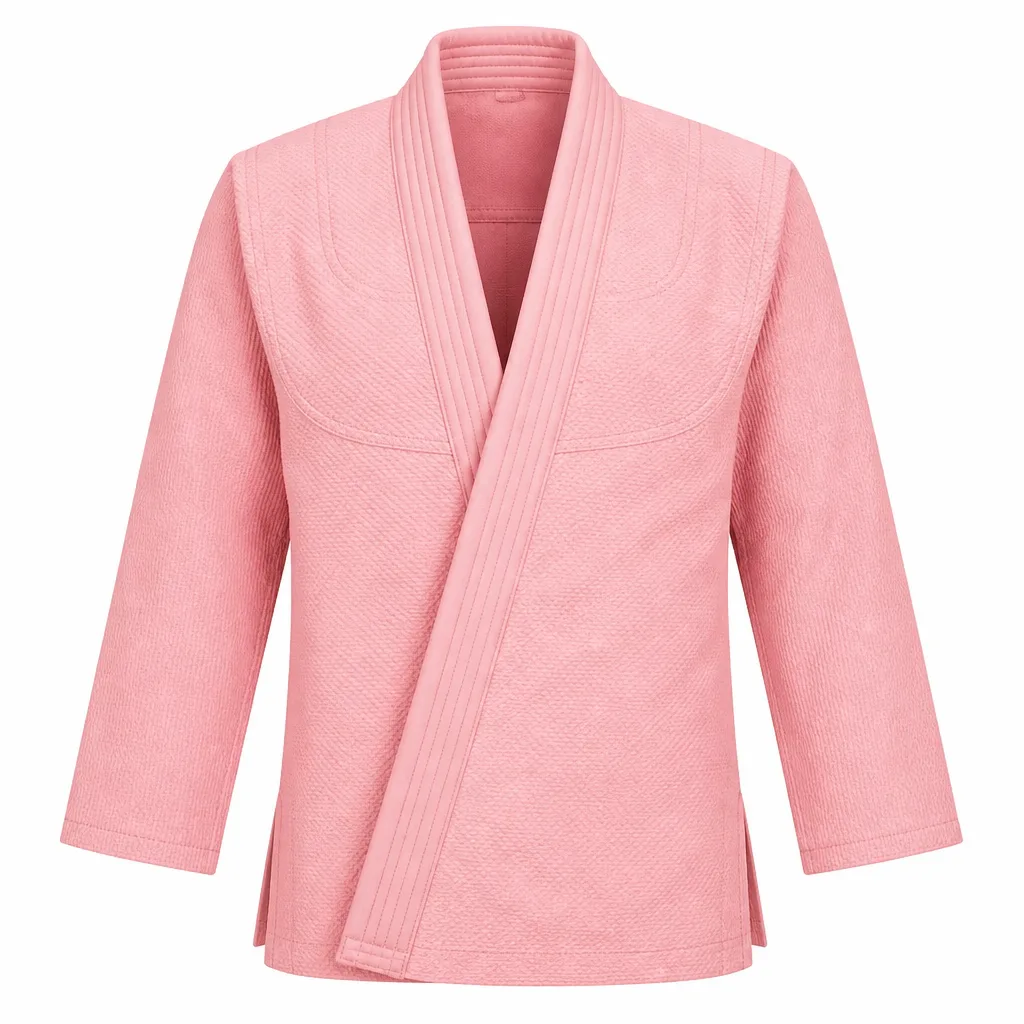
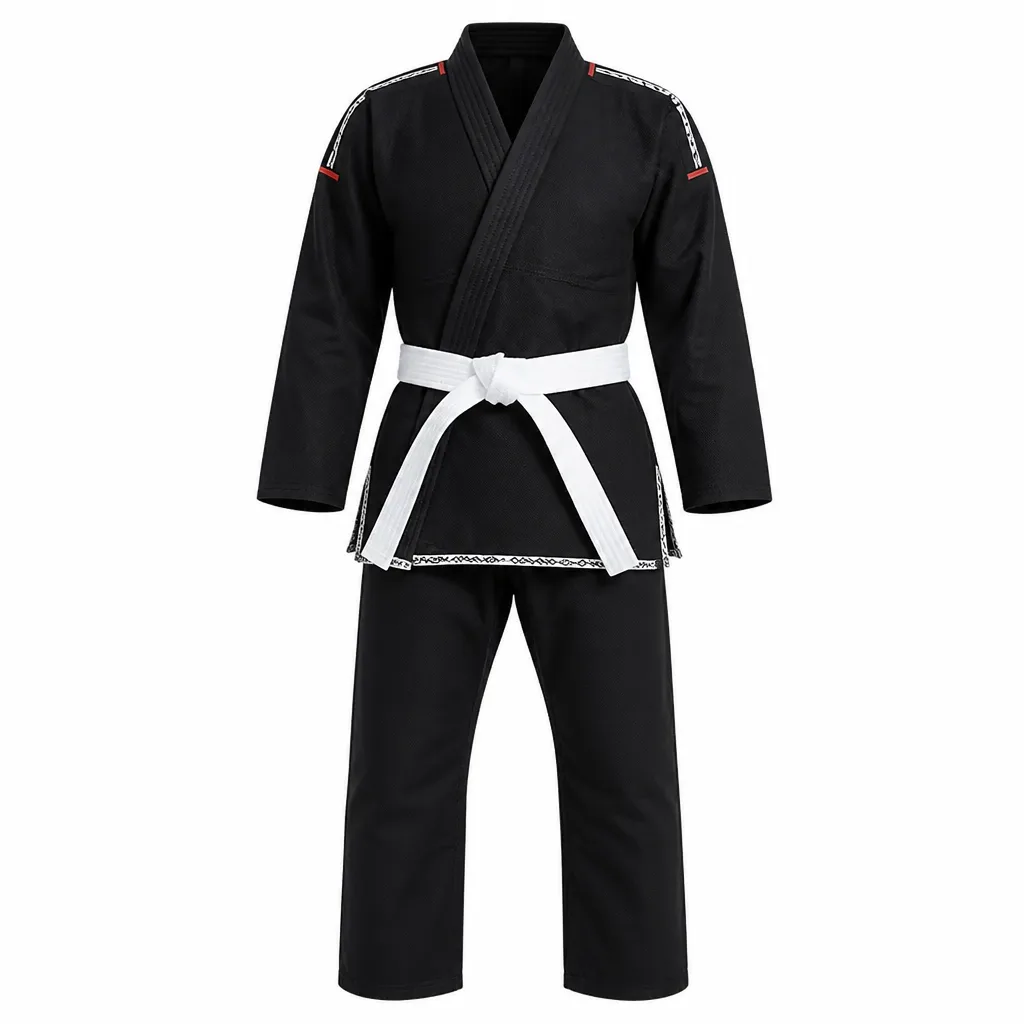
- Three-Piece Design: Jacket (uwagi), pants (shitabaki), and belt (obi). Reinforced at stress points like cuffs and hems for throws.
- Fabric Weights: Measured in grams per square meter (gsm). Lighter A0-A1 (350-450gsm) for agility; heavier A3-A5 (600-800gsm) for competition grip.
- Weave Types: Pearl weave (diagonal ridges for grip), honeycomb (breathable balance), or flat weave (budget durability).
- Fit Standards: IJF-approved gis fit snug but allow hip rotation for uchi mata. Skyscraper sleeves prevent bunching during clinches.
Judo Gi vs. BJJ Gi: Critical Differences
BJJ gis are softer (350-500gsm) for guard play, while judo gis are stiffer for standing work. In my wrestling camps, athletes switching to judo gi report 20-30% better lapel control in sprawls. For MMA, hybrids like single-weave MMA judo gi offer versatility without bulk.
Safety note: Always size up for growth if you're a beginner, and check for drawstring pants to avoid slips in sweaty home workouts.
Detailed Analysis: Materials, Construction, and Performance
Selecting the best judo gi hinges on dissecting its build. I've stress-tested dozens—from budget cotton-poly blends to premium 100% cotton models—in marathon sessions blending wrestling takedowns and BJJ rolls.
Materials Breakdown
| Material | Pros | Cons | Best For |
|---|---|---|---|
| 100% Cotton (Pearl Weave) | Superior grip, molds to body | Heavy when wet, shrinks 5-10% | Competition, advanced training |
| Cotton-Poly Blend | Quick-dry, lightweight | Less grip, fades faster | Beginners, MMA crossover |
| Bamboo or Hemp Infused | Antimicrobial, eco-friendly | Premium price, variable durability | Home gyms, long sessions |
Durability shines in brands like Hayabusa or Tatami. Hayabusa's H5 judogi uses 12oz pearl weave with triple-stitched seams—I've put 200+ hours on one without seam pops during no-gi-to-gi transitions.
Sizing and Fit: Avoid Common Pitfalls
Judo sizing runs A0 (kids) to A5 (XXL), based on height/weight charts. For a 6'0", 180lb MMA fighter, A2 fits perfectly: jacket hem at mid-thigh, pants inseam allowing full squat. Pro tip: Wash in cold water pre-use to pre-shrink. Ill-fitting gis cause chokes to slip or increase injury risk in high-intensity sparring.
Performance in real scenarios? In commercial gyms, heavier gis excel for grip-fighting against wrestlers; lighter ones suit Muay Thai clinch work without overheating.
Maintenance for Longevity
- Rinse immediately post-training to kill bacteria.
- Air dry—never machine dry to preserve weave.
- Spot-treat blood/stains with vinegar; full wash every 5 uses.
Neglect this, and even the best judo gi frays after 50 sessions. Trust me—I've salvaged many a promising gi with proper care.
Practical Applications: Judo Gi in Your Training Arsenal
Beyond Judo dojos, judo gi for fighters shine across disciplines. In MMA gyms, use them for stand-up drilling: osoto gari into mount. Wrestlers love the collar ties for pummeling; BJJ players drill De La Riva from standing.
Training Scenarios Tailored to Skill Level
- Beginners (Gym/Home): Single-weave judo gi for training like Venum's base model. Focus on grip strength without fatigue.
- Intermediate (Sparring): Double-weave for resistance—perfect for Kickboxing clinches or Wrestling shots.
- Advanced/Pro (Competition): IJF-spec Tatami Nova Tech. Pairs with 4oz gloves for full MMA sims.
For home workouts, pair with our crash pads to mimic tatami. Safety first: Reinforced knees prevent mat burns during repetitive uchi komi. In mixed sessions, it levels the playing field—I've seen boxers adapt quickly for better takedown defense.
Trade-off honesty: They're bulkier than no-gi shorts, so rotate for speed drills. But for grip-dependent arts, nothing beats them.
Expert Recommendations: The Best Judo Gi from Apollo MMA
Drawing from years of gear testing, here are my top picks available in [Apollo MMA's collection—learn about us here]. Prioritize value: Expect $80-250 for quality.
Best Overall: Hayabusa H5 Judo Gi
12oz pearl weave, antimicrobial lining. Grips like steel; survives 300+ washes. Ideal MMA judo gi for pros.
Best for Beginners: Tatami Elements Judo Gi
450gsm single weave, budget-friendly at sub-$100. Quick-dry for daily judo gi for training.
Best Value for Fighters: Ringside Imperial Judo Gi
Reinforced pants for leg grabs; great for Wrestling/MMA hybrids.
Premium Pick: Shoyoroll Batch Judo Gi
Hand-dyed, 100% cotton. Limited drops—status symbol with unmatched feel.
Shop our full lineup at Apollo MMA. For custom fits, check sizing charts or contact support. As a coach, I recommend starting with mid-weight for versatility across BJJ, Wrestling, and MMA.
Pro insight: Pair with Everlast ear guards for no-cauliflower-ear training. Lesser-known: Judo gis enhance proprioception in blindfolded drills, a game-changer for cage awareness.
Conclusion: Grip Your Path to Grappling Mastery
The judo gi isn't just uniform—it's a training partner forging unbreakable technique. From my early days coaching transitions to outfitting world-class athletes, one truth holds: The right gi unlocks potential you didn't know you had.
Whether chasing black belts, UFC dreams, or personal bests, invest wisely. Head to [Apollo MMA's about us] to explore our curated selection—the gear pros trust. Train hard, grip smart, and own the mats. What's your next gi upgrade? Drop a comment below.
By Michael Park, Wrestling Coach & Gear Expert at Apollo MMA