---
---
Everything You Need to Know About Jiu Jitsu Progression
Did you know that studies from the International Brazilian Jiu-Jitsu Federation show only about 10% of white belts ever earn their blue belt, with progression slowing dramatically beyond that? If you're diving into jiu jitsu progression, whether for pure grappling or MMA jiu jitsu progression, this statistic underscores the challenge ahead. As a Brazilian Jiu-Jitsu black belt and strength coach who's trained hundreds of fighters—from gym hobbyists to cage competitors—I've seen firsthand how the right mindset, training tweaks, and gear choices accelerate that journey.
At Apollo MMA, we don't just sell premium gear; we equip fighters with the knowledge to progress sustainably. Let's walk through the path of jiu jitsu progression together, blending storytelling from my own mat time with practical advice tailored for every level.
The Hook/Scenario: That First Day on the Mat
Picture this: You're stepping onto the mats for your first class, heart pounding, in a stiff new gi that feels like cardboard armor. The instructor calls for your first roll, and suddenly you're tapping out to an armbar you didn't even see coming. Sound familiar? This is the brutal entry point for most beginners chasing jiu jitsu progression for training.
In my early days training at a gritty MMA gym in São Paulo roots-inspired academies, I remember borrowing a oversized gi that bunched up during shrimp escapes, leading to frustrating wardrobe malfunctions mid-drill. For white belts, the scenario is universal: overwhelming techniques, sore ribs from bad positions, and gear that fights you more than your partner. But here's the insider tip—start with a properly fitted gi like the Tatami Elements, made from 350gsm pearl weave cotton that's soft yet durable for those endless posture drills.
Why does this matter? Ill-fitting gear amplifies beginner mistakes, like when loose pants snag during guard passes, throwing off your base. At Apollo MMA, our beginner collections prioritize breathable, quick-dry fabrics to keep you comfortable through sweat-soaked sessions, setting the foundation for consistent training—the real engine of progression.
The Journey: Grinding Through White and Blue Belt Blues
The journey truly begins post-honeymoon phase. White belts log 100-200 classes before blue, focusing on survival: framing, shrimping, and bridging. I spent countless nights drilling closed guard recoveries, my Hayabusa H5 gi's reinforced knees saving me from rashes during no-gi transitions for MMA crossover training.
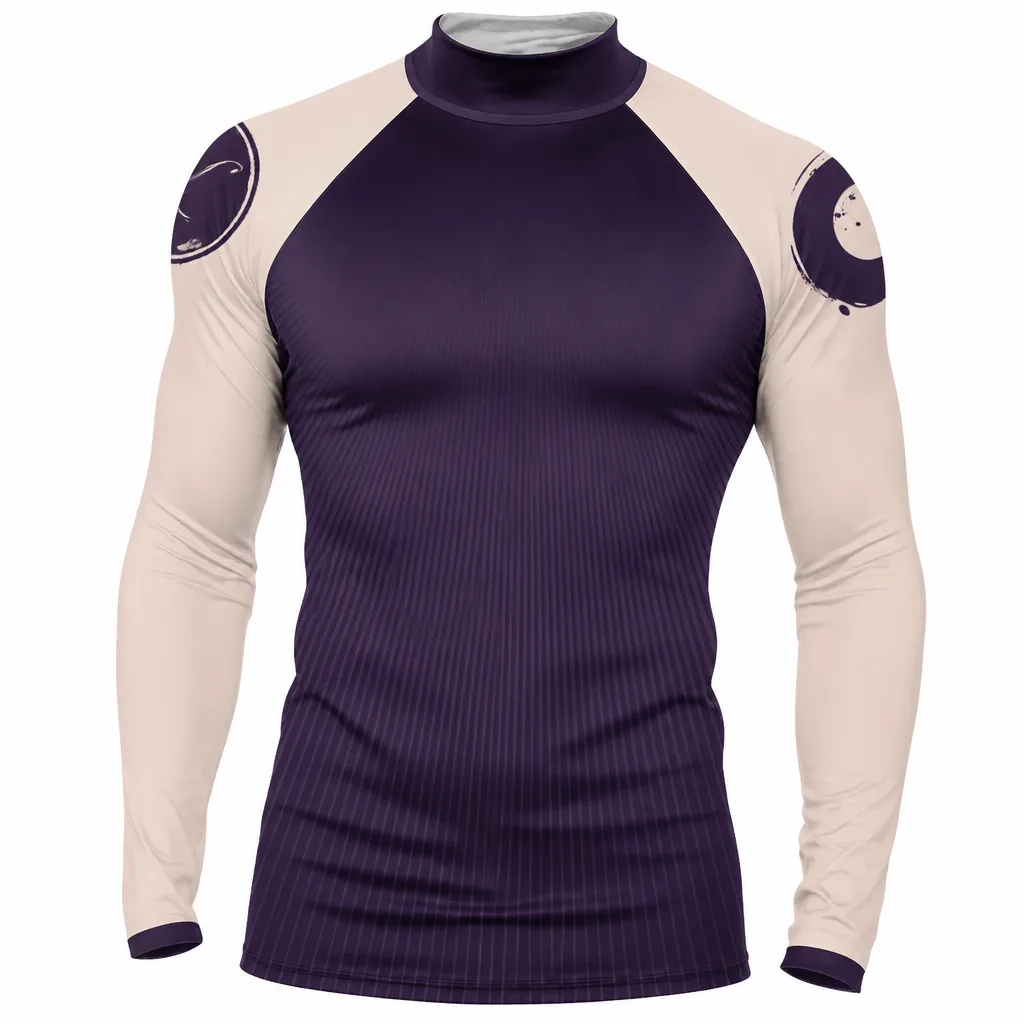
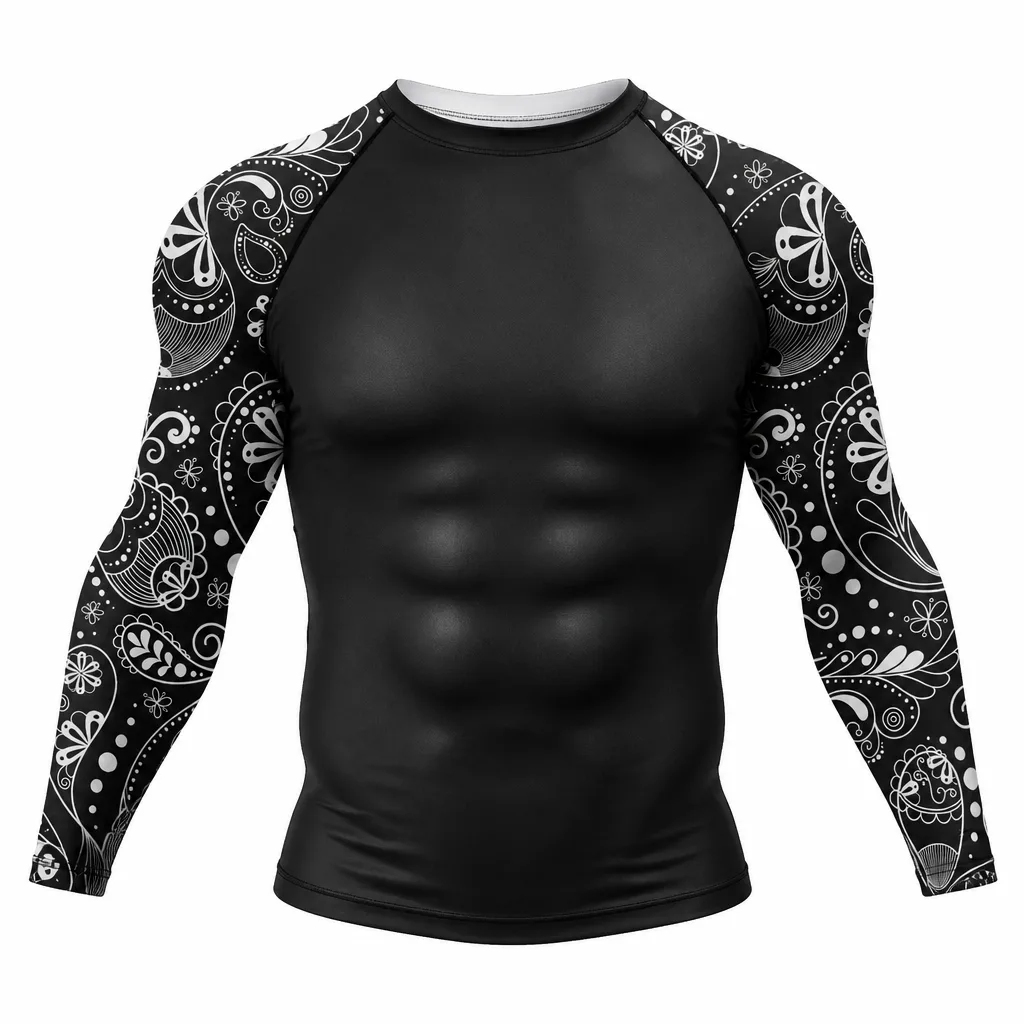
For jiu jitsu progression for fighters in MMA or wrestling-heavy gyms, no-gi work ramps up here. Rash guards become non-negotiable—opt for compression-fit ones like Venum's Elite series in spandex-poly blends with flatlock seams to prevent chafing during 10-minute rolls. I once coached a Muay Thai striker transitioning to BJJ; his loose tank tops led to grips slipping in spider guard, stalling progress until we switched him to moisture-wicking, anti-slip rash guards.
Intermediate blue belts face the grind: positional sparring dominates, testing endurance. Gear trade-offs emerge—lighter 450gsm gis for speed in open mats versus heavier weaves for competition grip-fighting. Safety note: Always inspect stitching post-wash; faded dyes on cheap gis can irritate skin during long home workouts. Learn more about our curated selection at about Apollo MMA, where we test gear in real dojo conditions.
Training environments vary—commercial gyms demand versatile shorts like Fairtex BGV1 hybrids for BJJ-to-Muay Thai flows, while home setups favor padded mats and roll-out gis for solo drills. Progression stalls without adaptation; track your rolls in a journal to spot patterns, like recurring side control escapes failing due to slick gi collars.
Common Pitfalls in Early Progression
- Inconsistent drilling: White belts chase submissions; focus on fundamentals like technical standup instead.
- Gear mismatches: Baggy shorts hinder hip movement in wrestling takedown defense—choose 4-way stretch with gripper waistbands.
- Neglecting recovery: Mouthguards and joint sleeves (neoprene for elbows) prevent tweaks that sideline you for weeks.
Key Discoveries: Unlocking Purple and Brown Belt Insights
By purple belt, after 2-4 years of consistent mats, discoveries shift from survival to strategy. I remember rolling with a brown belt who exposed my lazy berimbolo entries—turns out, my gi pants' cuff reinforcement was too bulky for fluid inversions. Switching to Shoyoroll's Micro Edition (475gsm ripstop) transformed my guard game, allowing seamless transitions in MMA jiu jitsu progression scenarios like anti-wrestling from turtle.
Purple belts thrive on flow rolling and specific sparring. For fighters blending Kickboxing clinch work with BJJ, compression shorts under fight shorts prevent riding up during knee shields. Durability shines here: Ringside's IMF Tech gloves pair perfectly for light MMA sparring, their gel padding absorbing errant punches without bulk hindering grips.
Key discovery? Gear evolves with skill. Beginners need forgiving fits; intermediates demand performance specs like vented mesh panels in rash guards for extended comp sims. In competition settings, IBF-approved gis with EVA reinforced collars withstand tournament laundering—wash in cold water, air dry to extend life. Pros like Gordon Ryan swear by custom-tailored fits; at Apollo MMA, we offer sizing charts honed from fitting thousands of athletes worldwide.
Lesser-known tip: For women in BJJ, shorter inseam gi pants reduce bunching during De La Riva hooks, a game-changer I discovered coaching female MMA prospects. Always prioritize IBJJF compliance for tourneys to avoid disqualifications.
Gear That Accelerates Mid-Level Gains
- Rash guards for no-gi: Anti-microbial silver threading fights mat funk—essential for weekly 2-a-days.
- Shin guards for MMA crossover: Low-profile Fairtex models don't interfere with ashi garami entries.
- Weight belts for strength: Everlast leather for deadlift accessories boosting guard retention power.
Check our expert picks in the about Apollo MMA story—we live this progression daily.
Transformation: Black Belt Realization and Beyond
The transformation hits at black belt—around 10 years for most, faster for MMA talents like Charles Oliveira who've woven best jiu jitsu progression into octagon dominance. My black belt exam? A grueling 8-hour session blending technique demos, ref rolls, and teaching. Gear was my silent partner: Venum Lights gi's lightweight pearl weave allowed unrestricted leg entanglements without tearing under pressure.
Advanced practitioners teach while training, spotting student errors mirroring their past. For pros, gear prioritizes longevity—Twins PU shin guards endure cage wars, their splinted design protecting during wrestling scrambles. Home gyms evolve to include heavy bags for pummeling drills, paired with impact-rated hand wraps.
Transformation isn't linear; plateaus hit everyone. I coached a stalled purple who broke through by adding yoga for mobility, using grippy yoga mats under BJJ-specific sliders. In pro circuits, fighters layer compression base layers for thermoregulation during 5-round sims, preventing cramp-induced taps.
Lessons Learned: Honesty About the Grind
After two decades on the mats, lessons crystallize. First, progression demands 3-5 sessions weekly; sporadic training caps you at blue. Gear-wise, don't chase hype— a $200 gi outperforms a $100 beater only if maintained (enzyme washes for odor control). Limitations? High-end rash guards wick sweat superbly but run small; size up for muscular builds.
Price-to-value: Entry-level Tatami Fightwear offers 90% of premium performance at half cost, ideal for white-blue. Pros invest in customs for micro-adjustments, like narrower sleeves for wristlock defense. Safety first: Headgear for cauliflower ear prevention in wrestling-heavy BJJ, especially youth or recreational.
For MMA fighters, balance gi/no-gi; overemphasizing one stalls the other. Environment matters—commercial gyms mean shared gear hygiene (personal mouthguards mandatory), while comps demand travel-ready packs with quick-dry pouches. Learn from the best: Fighters like Craig Jones prioritize minimalist gear for agility, a blueprint for aspirants.
At Apollo MMA, transparency builds trust—we disclose when budget options suffice, steering you from overkill. Dive into our philosophy via about Apollo MMA.
Actionable Takeaways: Your Personalized Progression Plan
Ready to own your jiu jitsu progression? Here's your roadmap, customized by level:
Beginners (White Belt)
- Train 3x/week: 70% drilling, 30% live rolls.
- Gear starter pack: Tatami gi, basic rash guard, mouthguard. Shop our beginner bundles for value.
- Track: Log positions survived per roll.
Intermediates (Blue-Purple)
- 4-5x/week: Add flow rolling, strength circuits.
- Upgrade: Hayabusa or Venum no-gi set, joint supports.
- Tip: Video rolls weekly—spot gi grip exploits.
Advanced (Brown-Black)
- 5-6x/week + teaching: Competition prep, open mats.
- Elite gear: Shoyoroll customs, Fairtex hybrids for MMA.
- Mindset: Mentor juniors; progression loops back.
Bonus for fighters: Integrate shin guards early for takedown defense. Maintenance ritual: Rinse gear post-use, store flat. Questions on sizing for your body type? Our guides at Apollo MMA cover it.
Progression is a marathon won daily. Gear from Apollo MMA isn't just equipment—it's your progression partner. Stock up today and step confidently toward that next stripe. Oss!
By Sarah Chen, BJJ Black Belt & Apollo MMA Gear Expert
---