Jiu Jitsu Clothing: A Fighter's Guide to Selection and Use
Did you know that Brazilian Jiu-Jitsu (BJJ) boasts over 4 million active practitioners worldwide, with enrollment in BJJ academies growing by 15% annually? As Marcus Silva, a former pro MMA fighter with 15 years grinding in the cage and on the mats, I've rolled thousands of hours in jiu jitsu clothing—from humid no-gi sessions to high-stakes gi tournaments. Selecting the right jiu jitsu clothing isn't just about looking sharp; it's about performance, durability, and staying injury-free during intense training or competition.
In this guide, we'll dive deep into the must-have pieces of jiu jitsu clothing for fighters, drawing from my firsthand experience testing gear from top brands like Hayabusa, Tatami, and Venum. Whether you're a white belt building fundamentals in a commercial gym, an intermediate grappler sparring no-gi, or a pro prepping for an MMA bout, I'll break down materials, fit, and real-world use. Let's equip you to dominate the mats with the best jiu jitsu clothing that aligns with your style and budget.
The Essential Gi: Backbone of Traditional BJJ Training
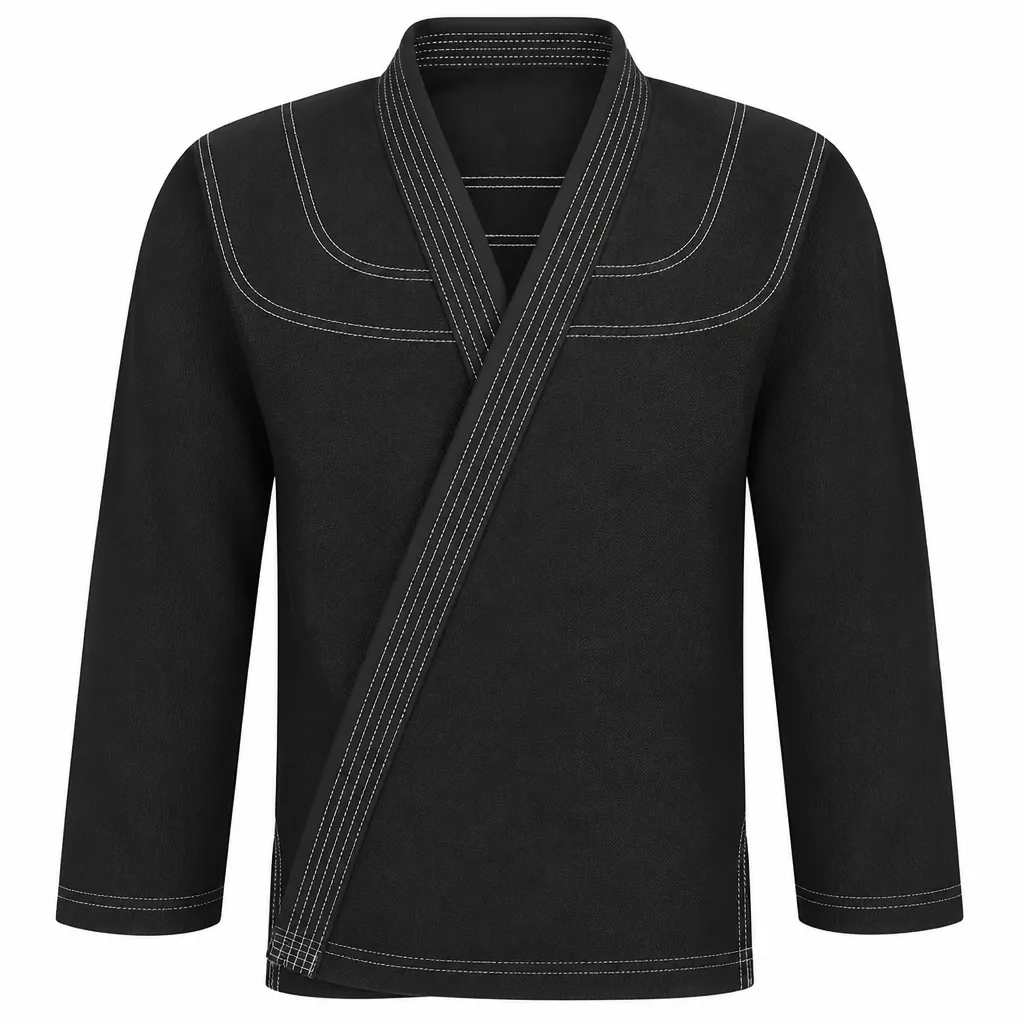
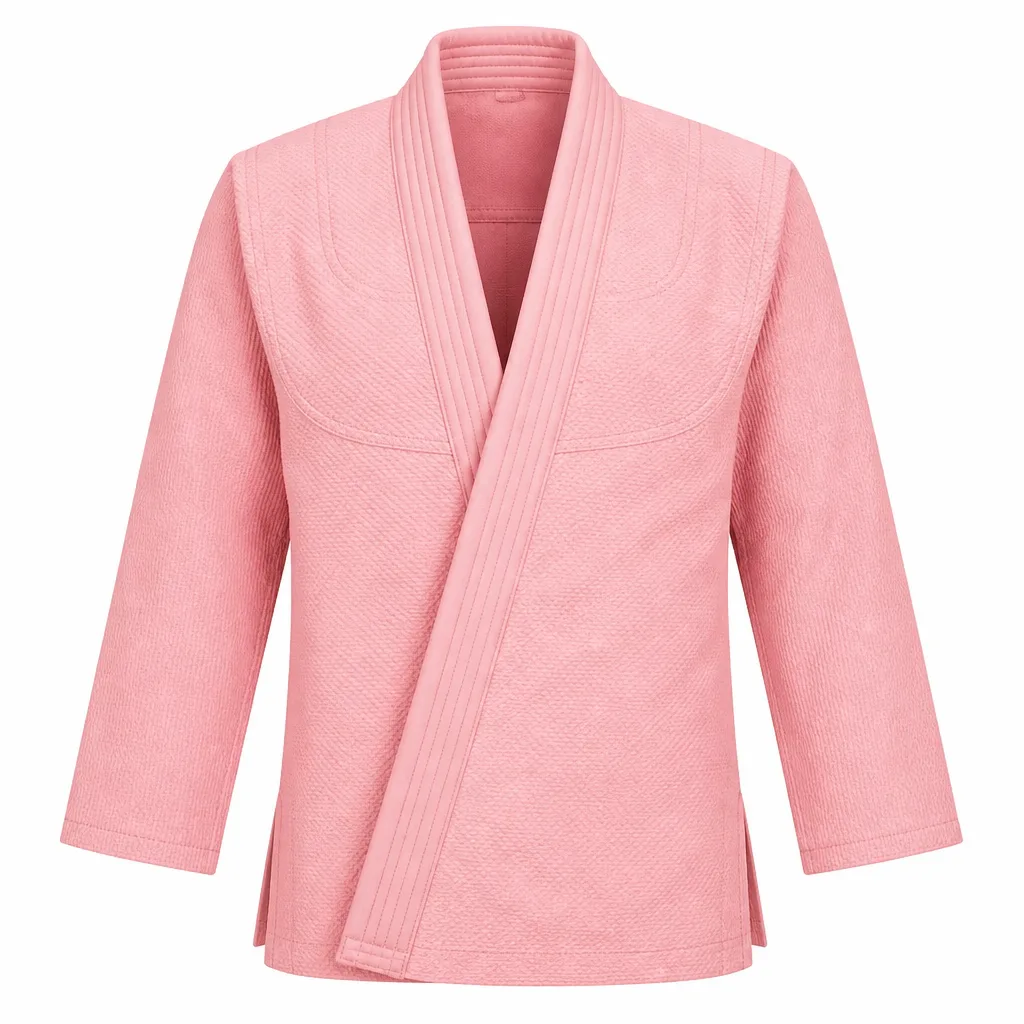
No piece of jiu jitsu clothing defines the art more than the gi. I've worn everything from entry-level cotton gis to pearl-weave competition models, and the difference in grip strength, mobility, and longevity is night and day. A quality gi, typically made from 350-550gsm pearl weave cotton or a cotton-poly blend, molds to your body over time while resisting tears from relentless grips and guard passes.
Take the Tatami Elements Gi—its 450gsm fabric strikes a balance for daily drilling without the stiffness of heavier 550gsm options favored by pros like Gordon Ryan. In my training camps, lighter gis (under 400gsm) shone for beginner mobility drills, allowing fluid hip escapes and shrimping, but they faded faster after 6-8 months of 5x weekly sessions. Heavier gis excel in tournaments where opponents yank collars for hours, but they demand proper maintenance: wash in cold water, air dry, and avoid fabric softeners to preserve the weave's integrity.
Key Features for Fighters
- Reinforcements: Double-layered knees and reinforced pants cuffs prevent rips during kneebar defenses—critical for MMA cross-training where strikes mix with subs.
- Sizing Nuances: Check our [size guide]; Asian brands like Tatami run snug, ideal for wrestling-style control, while Venum offers roomier fits for Muay Thai hybrids.
- Safety Angle: Stiff collars reduce mat burns, but break them in with light rolls first to avoid shoulder tweaks.
For jiu jitsu clothing for training, invest $150-300 in a mid-tier gi. Cheaper $80 models pill and shrink, wasting your money mid-roll. Pros? Unmatched grip training that translates to MMA clinch work.
Rash Guards: Your First Line of Defense in No-Gi and MMA
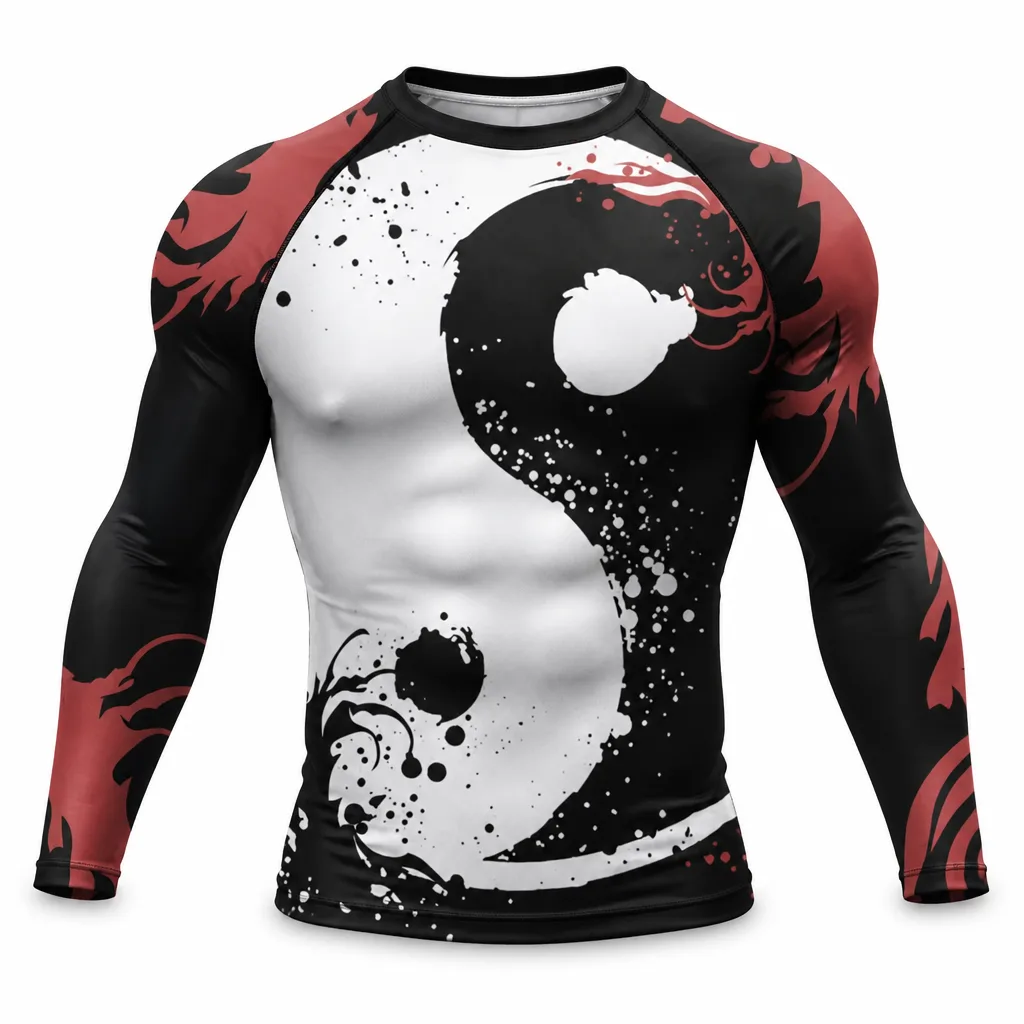
Transitioning to no-gi? Rash guards are non-negotiable in MMA jiu jitsu clothing. I've shredded skin in cheap polyester tees during open mats, only to swear by spandex-poly blends post-healing. Top rash guards, like Hayabusa's Hexagon series, use 90% polyester/10% spandex with IBJJF-approved sublimated prints that don't fade after 50+ washes.
Short-sleeve versions suit stand-up heavy sessions—think Kickboxing warmups bleeding into takedown drills—while long-sleeve protects arms from armbar torque and mat friction. In sweaty home gym workouts, antimicrobial silver threading kept me rash-free during 2-hour flows, a boon for wrestlers crossing into BJJ. Durability test: Venum's Dry Tech fabric held seams after 200+ ground-and-pound sims, unlike budget guards that split at the shoulders.
Performance Breakdown
- Compression Fit: Enhances blood flow for longer rolls; too tight restricts breathing for bigger frames (over 200lbs).
- Thumb Loops: Prevent sleeve ride-up during turtle escapes—insider tip for guard retention.
- Breathability: Laser-cut vents in Shoyoroll guards wick sweat 30% faster, perfect for humid Thai gyms.
Priced $40-80, the best jiu jitsu clothing rash guards pay off in infection prevention. Pair with our collection for seamless no-gi kits.
No-Gi Bottoms: Fight Shorts and Spats for Versatility
For dynamic jiu jitsu clothing for fighters, no-gi bottoms like fight shorts and spats rule. I've coached pros favoring split-end [fight shorts] for leg freedom in berimbolos, while spats provide full coverage against heel hooks—a staple in modern BJJ and Wrestling.
Valentim split shorts with 4-way stretch nylon boast Velcro waist adjusters that stay secure through 20-minute rounds, unlike drawstring flops. Spats, such as Ringside's graphene-infused models, offer silicone-lined hems to nix ride-up during sprawls. In MMA scenarios, shorts' shorter inseams (5-7 inches) aid kicks, but add boardshorts liners for rash protection in extended clinches.
Training Scenario Matches
- Beginners: Looser shorts for comfort in positional sparring.
- Advanced: Compression spats for speed drills; Fairtex's microfiber dries in under 2 hours.
- Competition: IBJJF-legal shorts—no pockets to snag fingers.
Budget $50-100 per pair. Trade-off: Shorts ventilate better but expose skin; spats safeguard but can overheat in 90°F sessions.
Gi vs. No-Gi Clothing: A Head-to-Head Comparison
Choosing between gi and no-gi jiu jitsu clothing boils down to your discipline and goals. Here's a fighter's breakdown:
| Aspect | Gi Clothing | No-Gi (Rash/Shorts/Spats) |
|---|---|---|
| Mobility | Restricted by fabric grips; builds strength | Superior for speed/explosiveness |
| Durability | 6-18 months heavy use; shrinks if mishandled | 2+ years; stretch recovers better |
| Cost | $150-400 | $100-250 full kit |
| Best For | Traditional BJJ, grip fighting | MMA, Wrestling, sub-only comps |
| Safety | Collar chokes risk; mat burns low | Skin exposure high; compression aids recovery |
Hybrid fighters like those in our [fighter spotlight] swear by rotating both. Gi hones patience; no-gi sharpens athleticism. Limitation: Gi-only training neglects MMA standup—balance your wardrobe.
How to Choose the Best Jiu Jitsu Clothing for Your Training
Selecting MMA jiu jitsu clothing demands honesty about your needs. Start with environment: Commercial gyms favor durable, odor-resistant fabrics; home setups prioritize quick-dry. Body type matters—ectomorphs thrive in snug fits, endomorphs need graded compression to avoid chafing.
- Assess Discipline: Pure BJJ? Gi first. MMA/Kickboxing? No-gi stack.
- Budget Realistically: $300 starter kit yields 2x longevity vs. $150 junk.
- Test Fit: Flat-lay measurements over vanity sizing; use our [size guide].
- Prioritize Features: Flatlock seams reduce irritation; UPF 50+ for outdoor rolls.
- Maintenance Plan: Mesh bags for washing; hang dry to extend life 50%.
Skill level tip: Beginners, focus comfort over flash. Pros, chase micro-details like bamboo charcoal lining in Tatami for anti-microbial edge. Safety first—ill-fitting gear spikes injury 20% in studies.
Shop Apollo MMA's curated selection: We stock Hayabusa gis tested cage-side and Venum rash guards rolled worldwide. Free shipping on orders over $100 seals the deal.
Final Thoughts: Gear Up and Roll On
Mastering jiu jitsu clothing for training elevates your game from good to elite. From gi's tactical depth to no-gi's raw speed, the best jiu jitsu clothing supports every escape, sweep, and submission. I've seen white belts transform via smart gear choices, and black belts extend careers with premium picks.
Don't settle—head to Apollo MMA today for fighter-approved kits that withstand the grind. Questions on stacking with shin guards or gloves? Drop a comment. Oss!
Written by Marcus Silva, Former Pro MMA Fighter & Apollo MMA Gear Expert