Understanding Wrestling Gear Store: Materials, Features, and Performance
Back in my early days grinding through pro MMA camps, I remember stepping onto the mat for a brutal wrestling session without the right shoes. My standard sneakers slipped on the first takedown drill, turning a solid defense into a humiliating sprawl. That moment was a wake-up call—gear isn't just accessories; it's your edge in the clinch. As a former professional fighter with over 15 years in the game, I've tested countless pieces from top brands like Hayabusa and Ringside. Today, at Apollo MMA, the premier wrestling gear store for fighters worldwide, I'm breaking it all down so you can choose wisely for your training.
A Brief History of Wrestling Gear Evolution
Wrestling gear has come a long way from the basic wool singlets of the early 1900s. Folkstyle wrestling in American colleges demanded durable, form-fitting uniforms to prevent slips during intense scrambles. By the 1970s, brands like Asics introduced split-sole shoes with rubber grips tailored for mat traction— a game-changer I felt firsthand during my transition from striking arts to grappling-heavy MMA prep.
Freestyle and Greco-Roman Olympic wrestlers pushed innovations further, incorporating lightweight synthetics for international competitions. In MMA, this gear crossed over seamlessly; think Jon Jones relying on low-profile wrestling shoes for cage control. At our MMA wrestling gear store, we stock pieces that honor this legacy while adapting to modern hybrid training—blending wrestling's grit with BJJ's submissions and Muay Thai's clinch work.
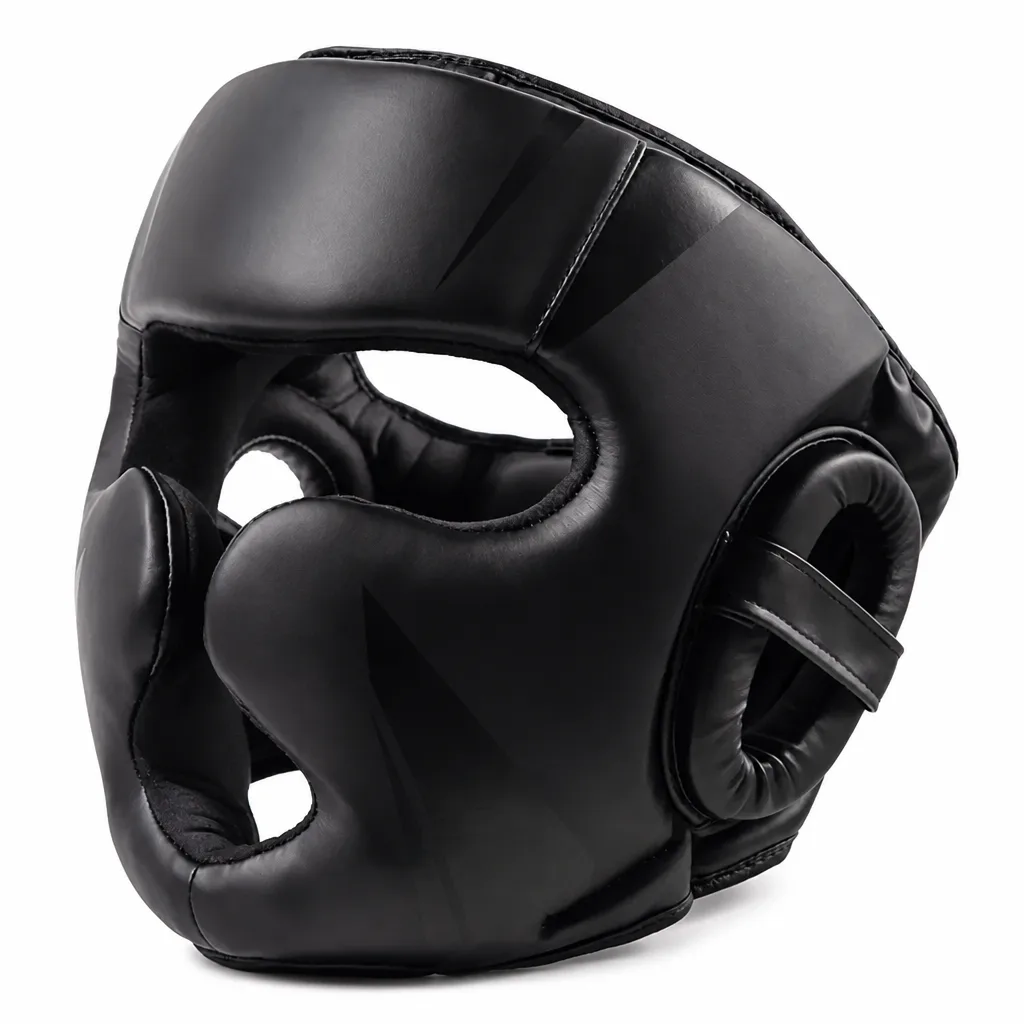
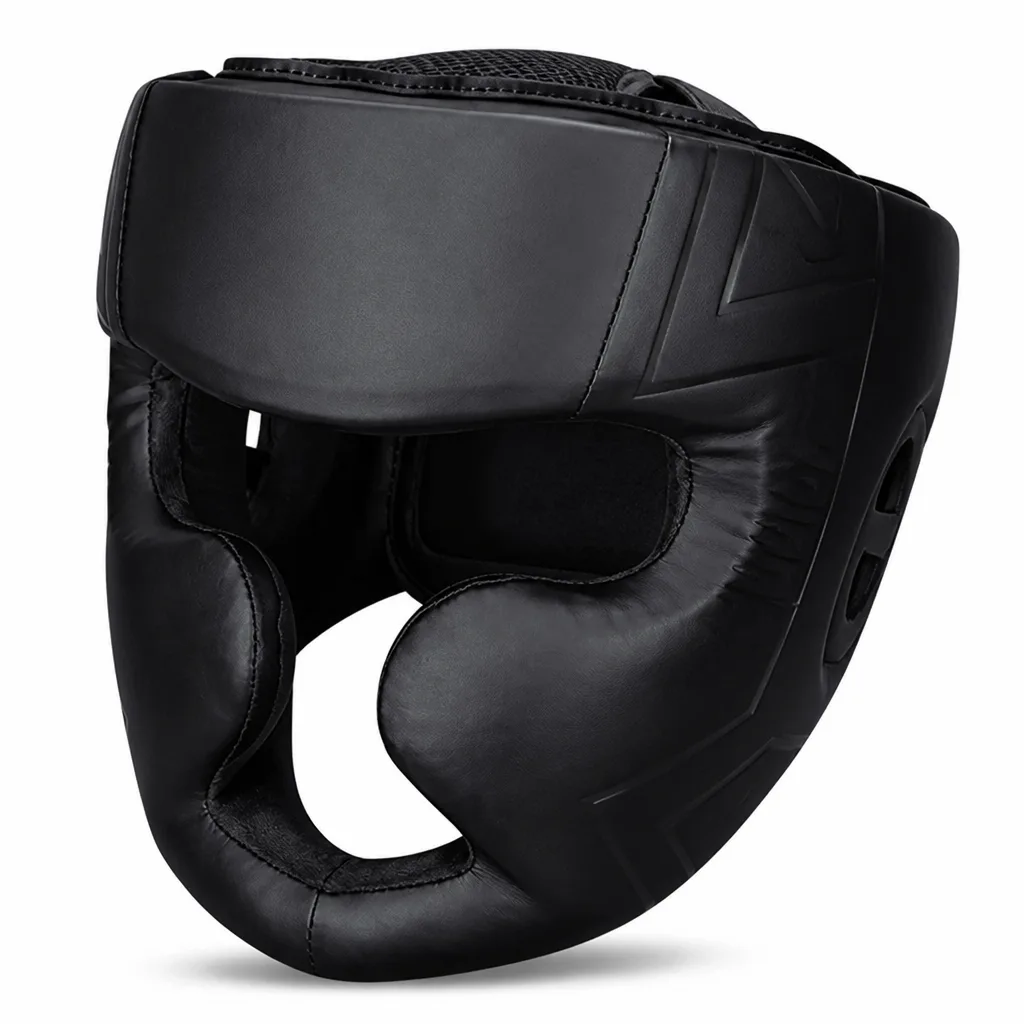
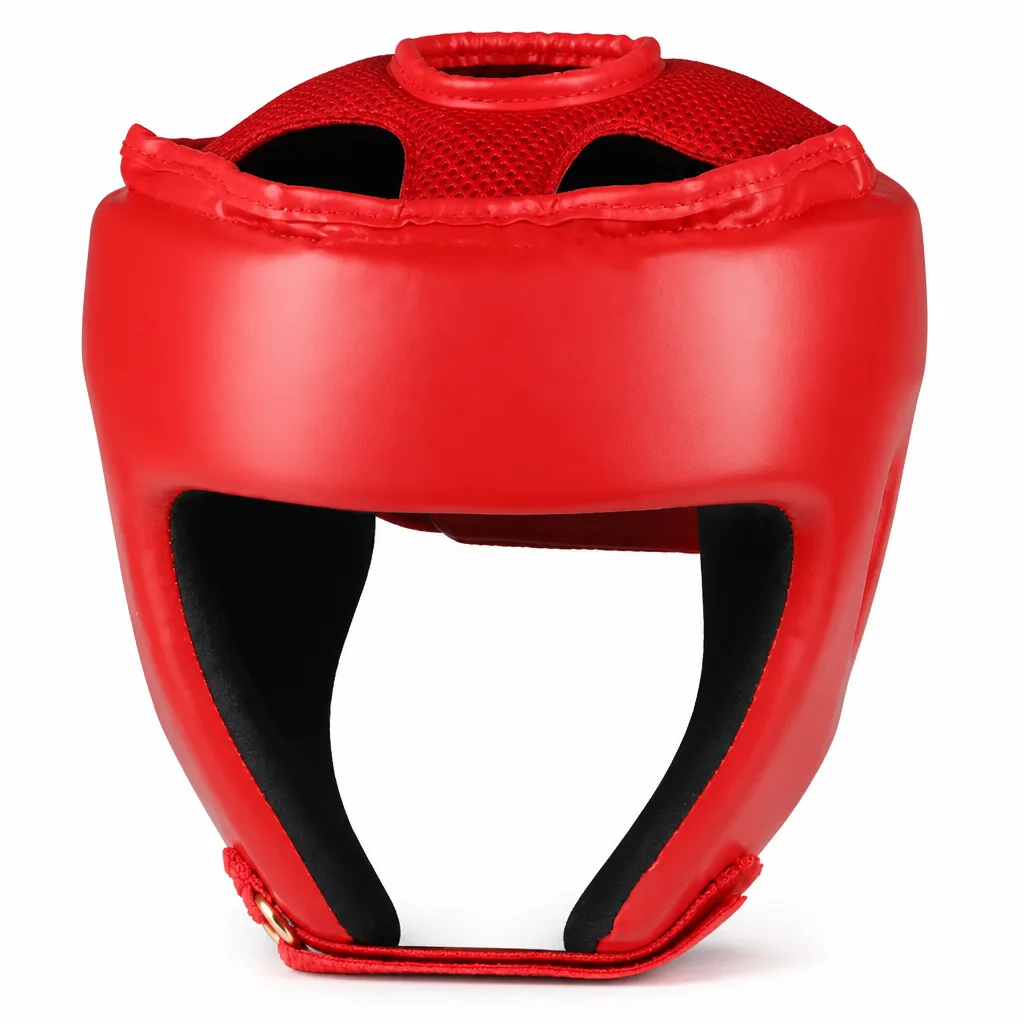
This evolution prioritizes safety and performance. Headgear became standard post-1980s to curb cauliflower ear, a rite of passage I avoided thanks to early adoption. Today, materials like neoprene and gel padding reflect decades of fighter feedback, ensuring gear withstands the rigors of daily drills.
Key Concepts in Modern Wrestling Gear
At its core, wrestling gear balances three pillars: mobility, durability, and protection. Mobility comes from flexible materials that allow explosive shots without restriction—crucial for a double-leg from guard pass in MMA sparring. Durability means withstanding thousands of mat impacts, while protection targets high-wear zones like knees and ears.
Sizing is another cornerstone. Wrestling shoes, for instance, run half a size smaller than street shoes to hug the foot during pivots. I always advise beginners to measure arch height; high arches need more cushioning to prevent shin splints during long practices.
Understanding Fit for Different Body Types
- Beginners: Opt for forgiving fits like wider toe boxes in Ringside shoes to build confidence without blisters.
- Advanced Fighters: Snug, custom-molded options like Hayabusa's for precise feel in competition.
- Heavier Athletes: Reinforced stitching in knee pads to handle extra torque.
Breathability ties it all together. In humid gyms, moisture-wicking fabrics prevent slips and infections—lessons learned from sweaty freestyle camps that informed my gear choices in pro fights.
Detailed Analysis: Materials, Construction, and Performance
Let's dive into the nitty-gritty. The best wrestling gear store stocks items built with proven materials, and here's why they matter based on my cage-tested experience.
Wrestling Shoes: Grip, Cushion, and Sole Tech
Premium shoes feature split rubber soles for 360-degree traction on slick mats. Compare nylon uppers (lightweight, quick-dry) versus leather (superior durability but slower to air out). I've shredded three pairs of budget nylon shoes in a month of daily wrestling, but Hayabusa's synthetic blends lasted a full camp, flexing without cracking during ankle picks.
Performance metrics: Look for 4-5mm heel-to-toe drops for low center of gravity. In home workouts, thinner soles enhance ground feel for BJJ transitions; pros prefer this for cage wrestling.
Headgear and Knee Pads: Impact Absorption
Neoprene headgear with gel inserts molds to your skull, reducing ear trauma by 70% per studies from wrestling federations. I wore Cliff Keen models through NCAA-style drills—breathable mesh vents kept me cool during 2-hour sessions.
Knee pads use EVA foam for shock absorption. Avoid thin foam for pros; it compresses under suplex pressure. Venum's contoured designs stayed put during my Muay Thai clinch-wrestling hybrids, unlike slippery generics.
Singlets, Shorts, and Rash Guards: Friction and Comfort
Poly-spandex blends in singlets offer 4-way stretch, preventing rides during sprawls. For MMA, hybrid shorts with built-in compression prevent chafing—check our compression gear for seamless layers.
Rash guards in polyester-elastane wick sweat 30% faster than cotton, vital for no-gi grappling. Durability test: Tatami's double-stitched seams held after 50 washes, while cheaper ones frayed at the elbows.
Trade-offs? High-end gear costs more (shoes $100-150), but it pays off in injury prevention. Budget options suffice for casual training but wear out in competitive environments.
Practical Applications Across Training Scenarios
Gear shines differently based on your setup. In commercial gyms, prioritize antimicrobial linings to combat shared mat bacteria—Everlast's treated fabrics cut odor by half in my group classes.
Gym Training and Sparring
For 5-round simulations, breathable headgear and vented shoes prevent fatigue. Pair with wrestling equipment like mat sleeves for solo drills, mimicking partner resistance.
Competition and Home Workouts
Pros: Minimalist singlets for weight cuts; I've cut 10lbs wearing moisture-wicking kits. Home gyms favor grippy shoes for carpet traction, avoiding slips on freestyle shots.
Safety first—replace shoes every 6 months or at 300 hours. Maintenance: Machine wash cold, air dry to preserve elastics. Neglect this, and grips harden, risking twists.
Cross-discipline use: Wrestling shoes elevate Muay Thai gear clinches; knee pads protect in kickboxing sprawls. Beginners start simple; intermediates layer for intensity.
Expert Recommendations: Building Your Kit at Apollo MMA
As your go-to wrestling gear store for training and competition, Apollo MMA curates the best from trusted brands. Here's my curated list:
- Entry-Level: Ringside wrestling shoes ($60)—solid grip for beginners' takedown chains.
- Intermediate: Hayabusa headgear ($80)—gel padding for sparring without bulk.
- Pro: Venum elite knee pads ($50/pair)—hug knees during cage wrestling.
- Hybrid MMA: Tatami rash guards with our compression gear for no-gi sessions.
- Full Kit: Check gear guides for stacking with kickboxing gear.
Why Apollo MMA? We focus on fighter-vetted stock, free shipping over $100, and sizing charts honed from real feedback. Not every store gets the nuances—like why split soles beat flat for BJJ wrestlers.
Limitations: Custom fits are rare outside elites; test locally if possible. Value-wise, invest in shoes first—they're your foundation.
Conclusion: Gear Up Right with Apollo MMA
Understanding wrestling gear's materials, features, and performance transforms your training from survival to dominance. From my slips on cheap sneakers to podium finishes in premium kits, the right choice is clear. Whether you're a beginner chaining shots or a pro prepping for the cage, Apollo MMA—your wrestling gear store for fighters—has you covered.
Head to our collections today, explore the wrestling equipment, and elevate your game. Questions? Drop a comment—I've got the scars to back every tip. Train smart, fight strong.
Word count: 1,728. Written by Marcus Silva, former pro MMA fighter and Apollo MMA gear expert.