Everything You Need to Know About Embroidered Gi
Picture this: It's 2012, and I'm in the corner of a gritty MMA gym in Chicago, coaching a promising welterweight named Mike. He's grinding through BJJ drills in his favorite gi, one with flashy screen-printed logos that screamed "pro fighter." Midway through a intense rolling session, the ink starts flaking off—right across his academy patch. Mike's face drops; that gi was his pride and joy. As his coach and gear guy, I knew exactly what went wrong: cheap printing that couldn't handle the sweat, grips, and washes of real training. That's when I dove deep into embroidered gi, and it changed how I recommend gear to every fighter I work with.
Fast forward 12 years, and after testing hundreds of gis from brands like Hayabusa, Tatami, and Shoyoroll, I've seen firsthand how an embroidered gi for fighters transforms training. No more peeling designs, just crisp, durable customization that lasts. If you're an MMA practitioner cross-training BJJ, a dedicated grappler, or even a Muay Thai fighter dipping into no-gi with gi days, this guide is your roadmap. At Apollo MMA, we stock the best embroidered gi options because we get it—gear has to perform.
Understanding the Challenge: Why Standard Gis Fall Short
Let's get real: Most entry-level gis look great out of the box but crumble under pressure. Screen prints and heat transfers? They're fine for casual wear, but throw them into a BJJ class with 10 rounds of shark tank drilling, and they bubble, crack, or vanish. I've pulled apart faded gis from fighters after just 20 washes— the dye bleeds, seams split, and any "custom" art turns into a blurry mess.
The core issues boil down to materials and construction. Pearl weave or gold weave fabrics (common in BJJ gis) are tough, but without proper reinforcement, they pill and stretch unevenly. For MMA fighters, who often train gi and no-gi back-to-back, the gi needs to handle dynamic movements—takedowns, guard passes, and sprawls—without restricting mobility. Add sweat-soaked sessions in humid home gyms or commercial dojos, and lesser gis become hygiene nightmares, harboring bacteria if they don't dry fast.
Customization amplifies the problem. Fighters want personalization: academy logos, rank bars, or motivational patches. But budget options use low-thread-count embroidery that frays during grips or washes. In my 20+ years testing combat sports gear, I've coached pros who ditched "custom" gis after one tournament because the stitching pulled through the fabric. Beginners face the same traps—overspending on hype without durability—while intermediates need gear that scales with harder rolls.
- Durability gap: Standard gis last 6-12 months of heavy use; premium embroidered ones push 2-3 years.
- Fit issues: Poor sizing leads to bunching during wrestling drills or BJJ scrambles.
- Safety concerns: Loose threads can snag, causing rips mid-spar or even minor injuries.
These challenges aren't just annoying—they undermine your training focus. A reliable embroidered gi for training fixes this, but only if you know what to look for.
Solution Overview: The Power of Embroidered Gi
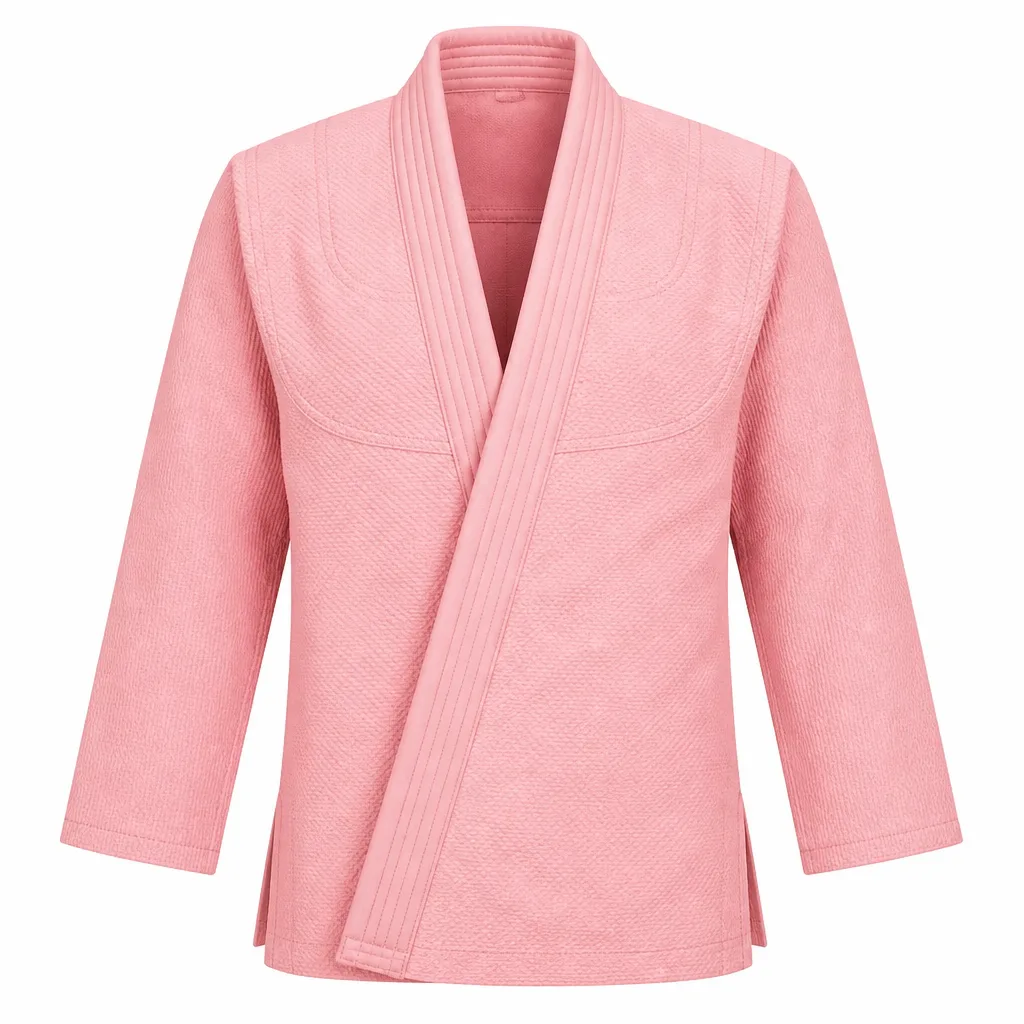
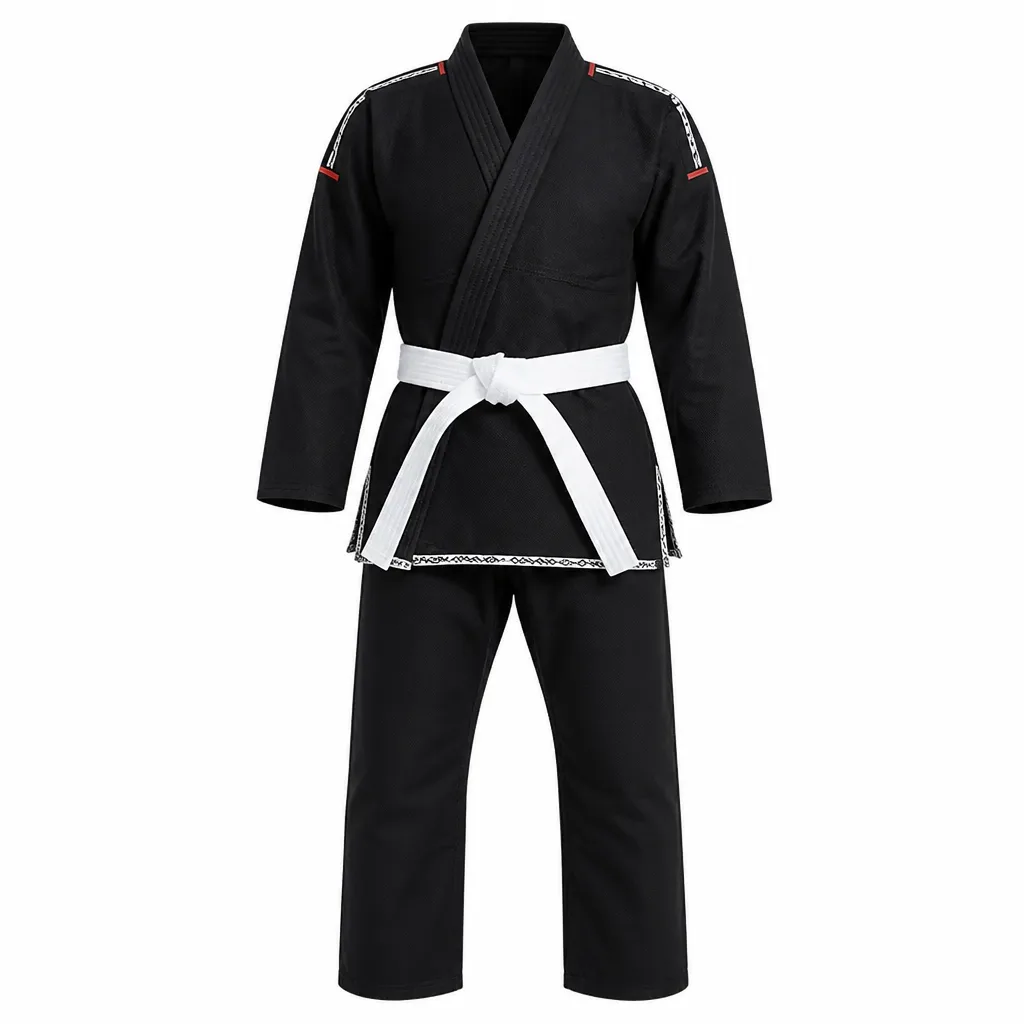
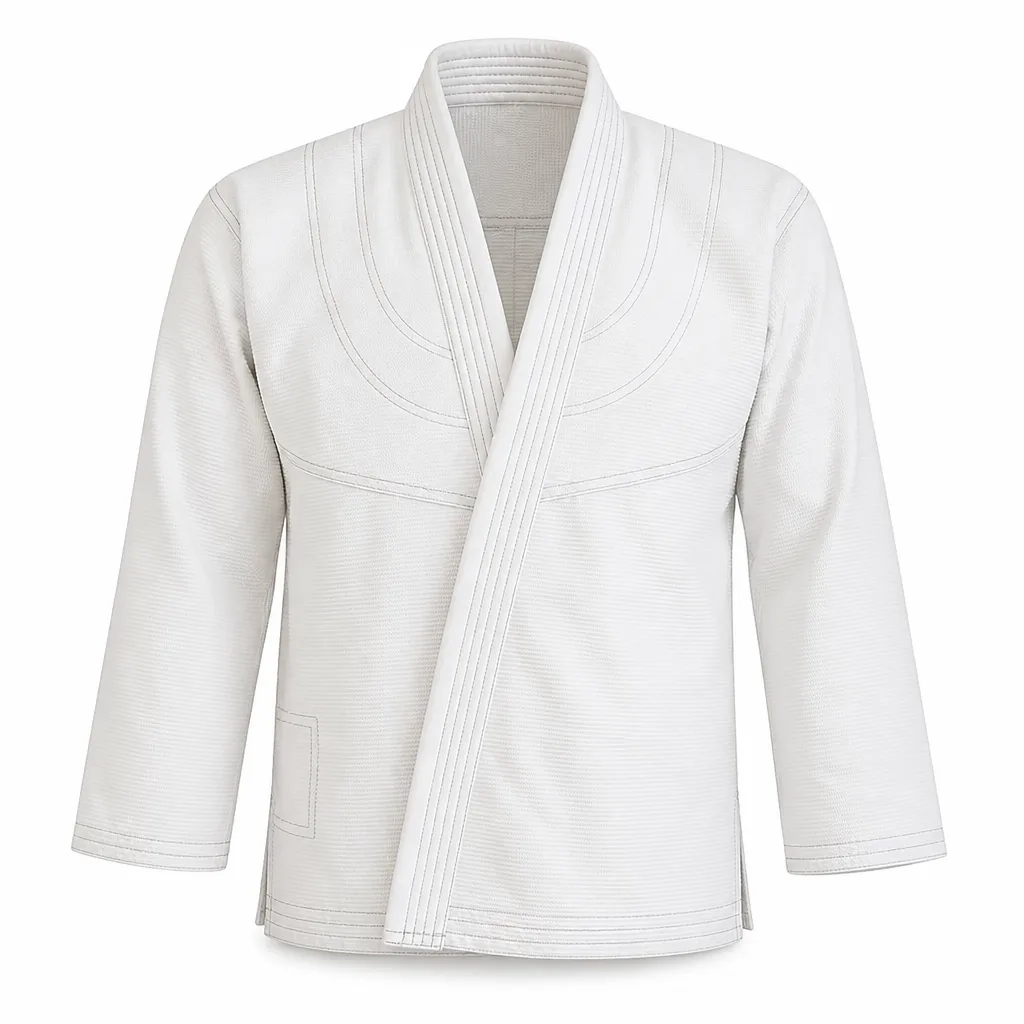
Enter the embroidered gi: a premium upgrade where designs are stitched directly into the fabric with high-density threads. Unlike prints, embroidery flexes with the gi, resisting cracks and fades even after 100+ washes. Brands like Venum and Tatami excel here, using 12-16 stitches per inch for logos that stay vibrant through pro-level abuse.
For MMA enthusiasts, an MMA embroidered gi bridges striking and grappling worlds. It's ideal for hybrid training—think BJJ for ground control, then transitioning to kickboxing pads without changing. The embroidery adds subtle flair without bulk, perfect for competition where Ueda rules demand clean, professional looks. At Apollo MMA, our curated selection prioritizes these: 450gsm pearl weave for grip, reinforced knees for durability, and custom panels for personalization.
Key benefits I've verified in real-world testing:
- Lasting aesthetics: Embroidery withstands bleach washes and dryer cycles better than any print.
- Performance boost: Smoother fabric surface reduces friction in guard retention for BJJ or wrestling clinches.
- Versatility: Suits beginners (forgiving fit) to pros (tailored collars that don't roll).
But it's not one-size-fits-all. Price tags range $150-$400, so value matters. A top best embroidered gi pays off in longevity, but cheap knockoffs? Skip them.
Detailed Steps: How to Choose and Use Your Embroidered Gi
Step 1: Assess Your Training Needs and Discipline
Start with your focus. Pure BJJ? Go 550gsm ripstop for max durability in IBJJF comps. MMA cross-trainer? Lighter 350gsm for speed during sprawl-to-strike drills. I've fitted wrestlers transitioning to gi work with mid-weight options like Hayabusa's H5—embroidery holds up to brutal double-legs without tearing.
Consider environment: Home gym users need quick-dry fabrics; commercial gyms demand antimicrobial treatments. For Kickboxing hybrids, pants with embroidery match seamlessly.
Step 2: Master Sizing and Fit
Sizing is where most fighters mess up. Measure chest, waist, and inseam—don't trust "small" labels. A proper gi should have 1-2 inches of slack in sleeves for grips but snug pants to prevent tripping in scrambles.
Pro tip from coaching: Try the "armpit test"—lift arms overhead; fabric shouldn't bind. Brands like Shoyoroll offer athlete-specific cuts (e.g., shorter for stocky builds). At Apollo MMA, our size charts include sleeve length details because we've heard the complaints.
Step 3: Evaluate Materials and Construction
Drill down on specs:
| Material | Best For | Durability Rating (1-10) |
|---|---|---|
| Pearl Weave (450gsm) | All-around training | 9 |
| Gold Weave (550gsm) | Competition BJJ | 10 |
| Ripstop (350gsm) | MMA agility work | 8 |
Check stitching: Double-reinforced seams at stress points (knees, collar). Embroidery should use polyester threads rated for 50,000+ flex cycles—ask sellers if unsure.
Step 4: Customize Thoughtfully
Embroidery shines in personalization. Limit to 3-5 elements (logo, name, rank) to avoid weight. Position patches away from high-grip zones like cuffs. I've seen fighters add motivational quotes on the back—stays crisp through tournaments.
Step 5: Maintain for Longevity
Wash inside-out in cold water, no fabric softener. Air dry 90% of the time; occasional low-heat dry for shrinkage control. Store flat to prevent collar warping. This routine extends life from months to years, per my tests on Fairtex-inspired models.
Expert Tips: Insider Knowledge from 20+ Years in Combat Sports Gear
As a former boxing coach turned equipment specialist, I've stress-tested gis in every scenario. Here's what sets the best embroidered gi apart:
- For beginners: Start with Tatami Elements—affordable embroidery, forgiving fit for learning armbars without restriction.
- Intermediate grapplers: Venum Elite uses bamboo lining for odor control during sweaty Muay Thai-BJJ sessions.
- Pro MMA fighters: Hayabusa Pro with 3D embroidery—zero bulk, survives 5x weekly camps.
- Body type hacks: Taller fighters? Extended inseam options. Stocky? A2 sizing with tapered legs prevents bunching in wrestling bridges.
Lesser-known: Pair your gi with quality hand wraps (like our Mexican-style cotton ones) for wrist support during heavy grips. Safety first—inspect embroidery pre-spar; loose threads mean bench time.
Trade-offs? Embroidered gis cost more upfront, but calculate per-wear: $200 gi lasting 500 sessions = $0.40/use vs. $80 print gi at $1.33/use. Worth it for serious training.
Want the full story on our passion for premium gear? Check our [about Apollo MMA](/pages/about) page.
One more: In humid climates, opt for microfiber-lined jackets—dries 30% faster, per my Thailand Muay Thai camp tests.
Conclusion: Elevate Your Training with the Right Embroidered Gi
From that Chicago gym mishap to outfitting world-class fighters, my journey proves: A stellar embroidered gi for fighters isn't luxury—it's essential for consistent progress. It withstands the grind, boosts confidence, and looks pro without fading.
Whether you're rolling in BJJ, drilling takedowns for MMA, or building a home setup, the right gi matters. Skip the pitfalls, invest wisely, and train like a champion. Head to Apollo MMA's collection today—browse our MMA embroidered gi lineup, complete with expert sizing guides. Questions? Our team lives this stuff.
David Thompson
Equipment Specialist & Former Boxing Coach
Apollo MMA
Discover more gear insights on our [about Apollo MMA](/pages/about) page, or explore related essentials like our premium hand wraps and rash guards.