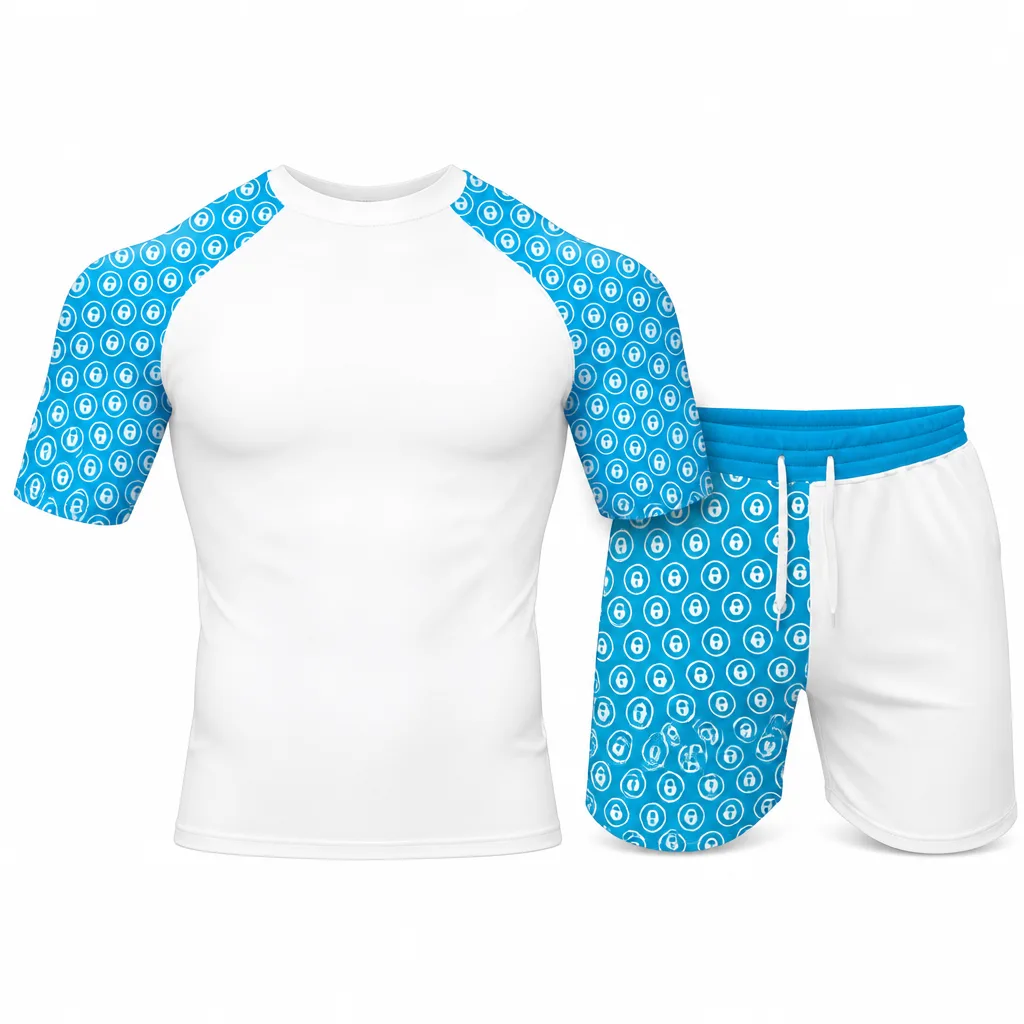
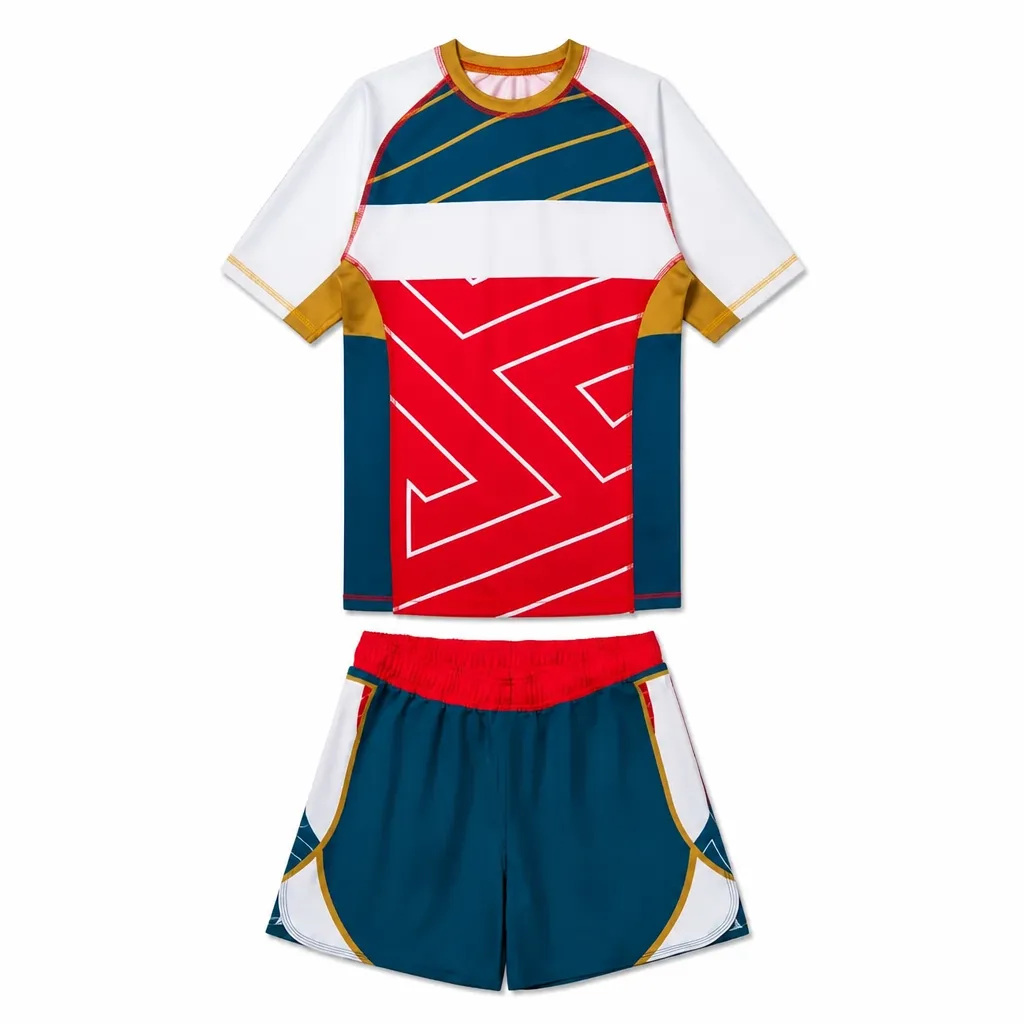
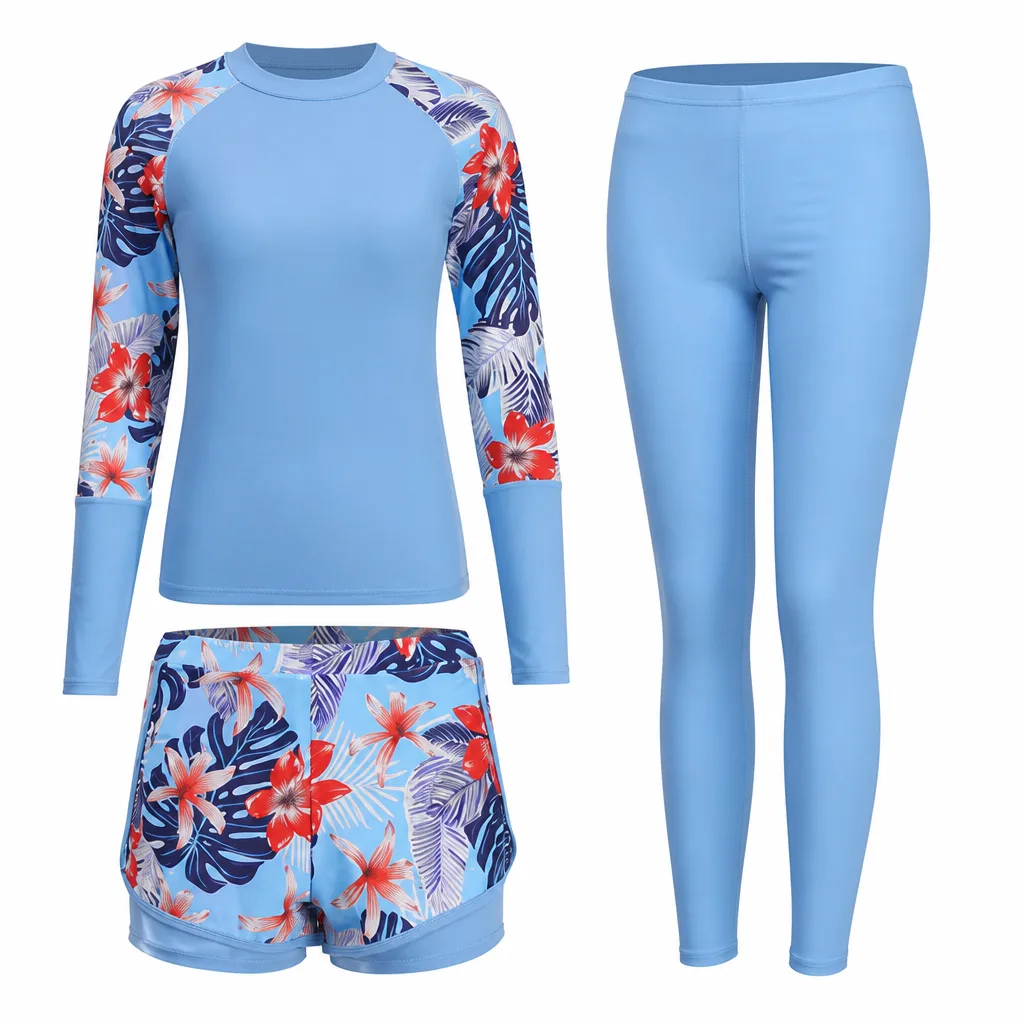
Everything You Need to Know About Thermal Rashguard
Picture this: It's a crisp winter morning in my home gym in São Paulo, and I'm knee-deep in a Brazilian Jiu-Jitsu rolling session. The AC is blasting to mimic competition conditions, but without the right layer underneath my gi, the chill seeps in, tightening my muscles and sapping my focus. That's when I first discovered the game-changing power of a thermal rashguard. As a black belt and strength coach who's trained everyone from beginners to pros in freezing dojos and outdoor pads, I've tested countless layers. If you're battling similar cold-weather woes during MMA, BJJ, or Muay Thai sessions, this guide is your roadmap to staying warm, protected, and performing at your peak.
The Problem: Training in the Cold Without Proper Protection
Cold temperatures turn even the most dedicated training sessions into a battle against discomfort. I've seen it firsthand—fighters showing up to sparring with nothing but a thin cotton tee, only to quit early because their core temperature plummets. Your body diverts blood from extremities to vital organs, leading to stiff joints, reduced grip strength, and higher injury risk during takedowns or clinch work.
For grapplers in BJJ or wrestling, sweat-soaked skin meets freezing air, amplifying rash risks from mat friction. Strikers in kickboxing or Muay Thai face wind chill during bag work or shadowboxing outdoors. Beginners feel it worst, lacking the conditioning to push through, while pros lose that edge in prolonged rounds. Without a thermal rashguard for fighters, you're not just cold—you're compromising technique, recovery, and safety.
Understanding the Challenge: Why Standard Gear Falls Short
Regular rash guards excel in warm climates or no-gi grappling, wicking sweat and preventing mat burns with their spandex-polyester blends. But they lack insulation. In sub-60°F (15°C) environments—like early morning home workouts, unheated commercial gyms, or outdoor training camps—thin fabrics offer zero thermal retention. Moisture from sweat evaporates too quickly, chilling you via evaporative cooling.
Layering with hoodies or jackets works temporarily but restricts mobility. Baggy clothes bunch during guard passes or scrambles, creating friction points. Cotton absorbs sweat, becoming a cold, heavy weight that promotes bacterial growth and odors. For MMA practitioners blending striking and grappling, you need gear that insulates without bulk, breathes during high-intensity bursts, and maintains compression for muscle support.
Consider body types too: Ectomorph strikers need lightweight warmth for agility; endomorph grapplers prioritize durability against gi grips. Women fighters often struggle with sizing gaps in men's cuts, leading to ride-up during hip escapes. These challenges aren't just inconvenient—they sideline progress. A proper MMA thermal rashguard addresses them head-on.
Solution Overview: What Makes a Thermal Rashguard Essential?
Enter the thermal rashguard: a base layer engineered for combat sports, combining rash protection, compression, and targeted insulation. Unlike generic thermals, these use advanced fabrics like brushed fleece interiors, hollow-core polyester yarns, or merino wool blends for superior heat-trapping without bulk.
Key benefits include:
- Thermal Regulation: Traps body heat while venting excess moisture—ideal for 45-90 minute sessions.
- Mobility: Four-way stretch fabrics (e.g., 80% nylon/20% spandex) mimic second-skin fit, enabling full range in armbars or roundhouse kicks.
- Durability: Reinforced flatlock seams withstand 100+ washes and heavy grappling.
- Hygiene: Antimicrobial treatments (silver ions or polygiene) combat funk from sweaty rolls.
Brands like Hayabusa and Venum lead with models featuring graphene-infused yarns for heat reflection or Thinsulate™ microfibers for packable warmth. At Apollo MMA, we stock the rash guards that pros swear by, vetted for real-world abuse. Priced from $40-80, they deliver pro-level performance without breaking the bank—far superior to off-the-shelf athletic wear.
Detailed Steps: How to Choose the Best Thermal Rashguard for Your Training
Selecting the right thermal rashguard for training isn't guesswork—follow these steps, drawn from years of fitting athletes in my coaching programs.
Step 1: Assess Your Training Environment and Discipline
Indoor BJJ in a chilly academy? Opt for mid-weight thermals (200-300gsm) like Tatami's Elements line. Outdoor Muay Thai pads in winter? Go ultralight with wind-resistant panels, such as Venum's Arctic series. MMA hybrids need no-sleeve options for glove compatibility during boxing rounds.
For wrestlers, prioritize neck-high collars to block t-shirt chokes. Kickboxers favor sleeveless for elbow strikes. Beginners: Start with forgiving fits; pros: Snug race cuts for max compression.
Step 2: Decode Materials and Construction
Look beyond hype—top fabrics balance warmth (measured in CLO units, aim for 0.5-1.0) with breathability (MVTR >10,000g/m²/24hr).
| Material | Warmth | Breathability | Best For |
|---|---|---|---|
| Synthetic Fleece (Polyester/Spandex) | High | Medium | Grappling, Gym |
| Merino Wool Blend | Medium-High | High | Endurance, Odor Control |
| Graphene-Infused | High | High | Tech-Savvy Fighters |
Honest trade-off: Wool excels in temp swings but pills faster; synthetics dominate durability. Check for silicone grips on hems to prevent ride-up in bridges.
Step 3: Nail the Fit and Sizing
Measure chest, waist, and hips—rash guards should compress without constricting breathing. Brands size differently: Hayabusa runs true-to-size; Ringside, slightly small. For women, seek V-neck or contoured seams (e.g., Everlast Femline). Test in a sprawl or shrimp escape simulation—any binding means no-go.
Pro tip: Layer under gis (size down half for BJJ) or over for no-gi Muay Thai clinches.
Step 4: Evaluate Durability and Features
Seek UPF 50+ for sunny sessions, thumb loops for glove synergy, and raglan sleeves for shoulder mobility. Test pilling resistance on high-friction zones. Budget $50+ for the best thermal rashguard—cheaper ones fade after 20 washes.
Limitations: Not for extreme cold (<32°F/0°C)—pair with shells. High compression may feel restrictive for injury recovery.
Step 5: Shop Smart at Apollo MMA
Our curated selection ensures authenticity. Read reviews from verified fighters, and use size charts. Free returns make testing risk-free.
Expert Tips from a BJJ Black Belt and Coach
With over a decade in the trenches, here are insider hacks few guides cover:
- Pairing Perfection: Under shorts for wrestling? Add shin guards like Fairtex for full coverage. MMA? Twins gloves slide seamlessly over long sleeves.
- Maintenance Mastery: Wash inside-out in cold water, air dry—heat ruins elasticity. Spritz with fabric protector for mat repellency.
- Skill-Level Tweaks: Beginners: Loose fit for comfort. Advanced: Iced grips for no-gi tournaments. Pros: Custom prints for psych edge.
- Safety First: Monitor for overheating in HIIT—zipper vents help. Avoid if you have latex allergies (some seals use it).
- Real-World Wins: During a cold-weather camp, my Venum thermal kept me rolling 2x longer. A client, a pro kickboxer, shaved seconds off sprawl times with Hayabusa's graphene model.
Want to learn more about our passion for equipping fighters? Check out our about Apollo MMA page.
Layering combos: Thermal rashguard + fight shorts + compression tights for home circuit training. For competition, strip outer layers pre-fight to avoid bulk penalties.
Stay Warm, Train Hard: Your Next Step
Don't let cold sideline your gains—a quality thermal rashguard for fighters is the unsung hero of year-round training. From my personal chills to coaching triumphs, they've transformed sessions across MMA, BJJ, Muay Thai, and beyond. Whether you're a weekend warrior or cage contender, the right one delivers warmth, protection, and confidence.
Ready to upgrade? Browse our premium rash guards collection at Apollo MMA—your trusted source for gear that performs when you do. Train smarter, fight warmer.
(Word count: 1,728)