How to Choose the Perfect Shorts with Pockets for Your Training
Picture this: It's midway through a grueling BJJ session at my home gym, and I'm in the middle of a fierce guard pass. My phone buzzes in my gym bag across the room—coach calling to confirm sparring partners. But digging for it mid-drill? Impossible without pausing. That's when I realized standard training shorts just weren't cutting it. As a Brazilian Jiu-Jitsu black belt and strength coach who's tested gear on mats from commercial gyms to competition cages, I've wasted too many reps fumbling with pocketless shorts. If you're hunting for shorts with pockets that actually work for MMA, Muay Thai drills, or wrestling takedowns, you're not alone. The wrong pair can ride up during kicks, tear at the seams in clinches, or leave your essentials spilling out. Let's fix that.
Understanding the Challenge: Why Regular Shorts Fall Short in Combat Training
In combat sports like MMA, Boxing, or Kickboxing, your shorts aren't just clothing—they're functional armor. Traditional basketball or running shorts might feel comfy for casual jogs, but they betray you under pressure. Fabric bunches during sprawls, Velcro snags on opponents' gloves, and without secure pockets, your mouthguard, keys, or energy gels go flying mid-spar.
Fighters face unique pain points across disciplines. In BJJ and Wrestling, low-profile shorts with pockets for training must hug the thighs without restricting hip mobility for guard retention or single-leg shots. Muay Thai and Kickboxing demand breathable, split-leg designs that won't flap during teeps or roundhouses. Pros like those in the UFC swear by gear that balances speed, grip resistance, and storage—yet beginners often grab the cheapest Amazon option, only to replace it after one ripped seam.
I've seen it firsthand coaching intermediates at Apollo MMA-sponsored seminars: A pair without reinforced stitching fails during no-gi rolls, turning a productive session into a laundry emergency. Safety matters too—loose pockets can catch fingers in grappling exchanges, risking tweaks. And in competition? Event rules vary; some promotions ban external pockets to prevent "grabbing," so versatility is key for gym-to-cage transitions.
Solution Overview: Key Features of the Best Shorts with Pockets
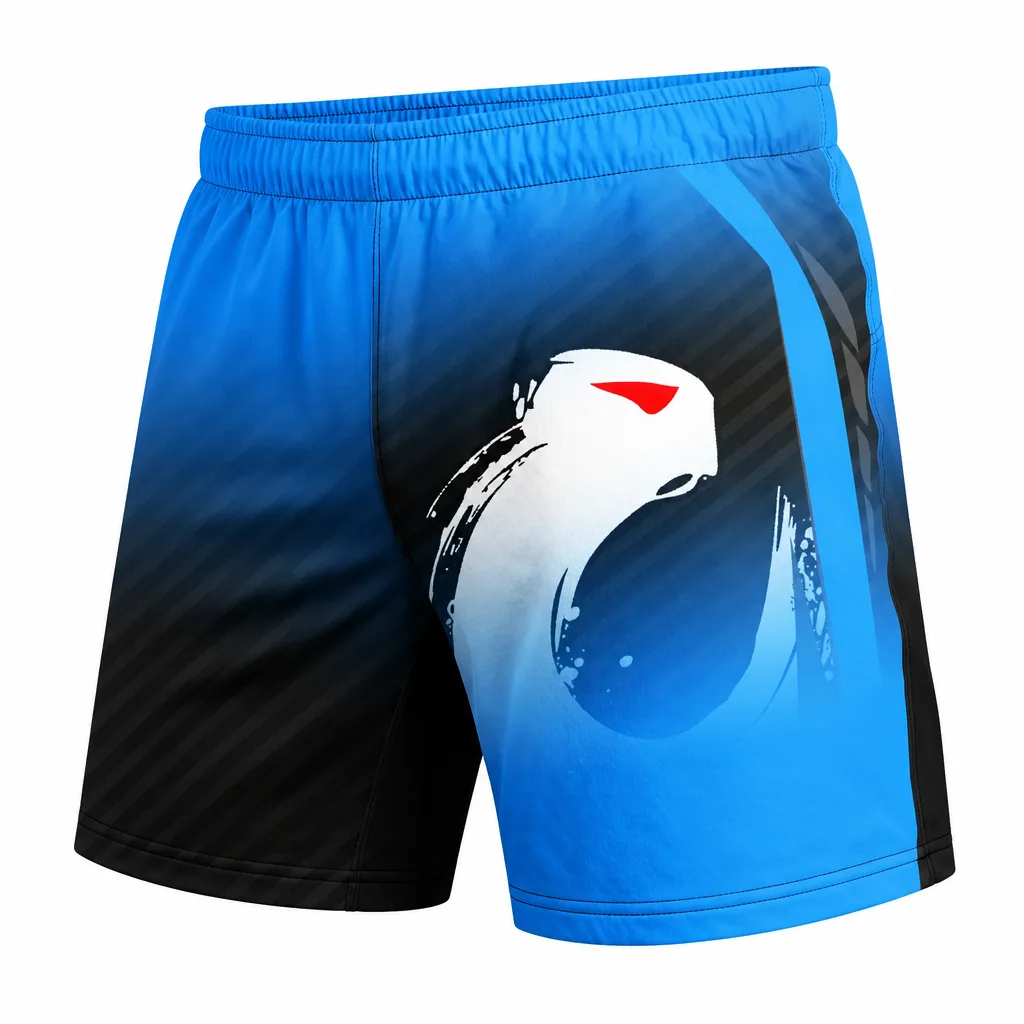
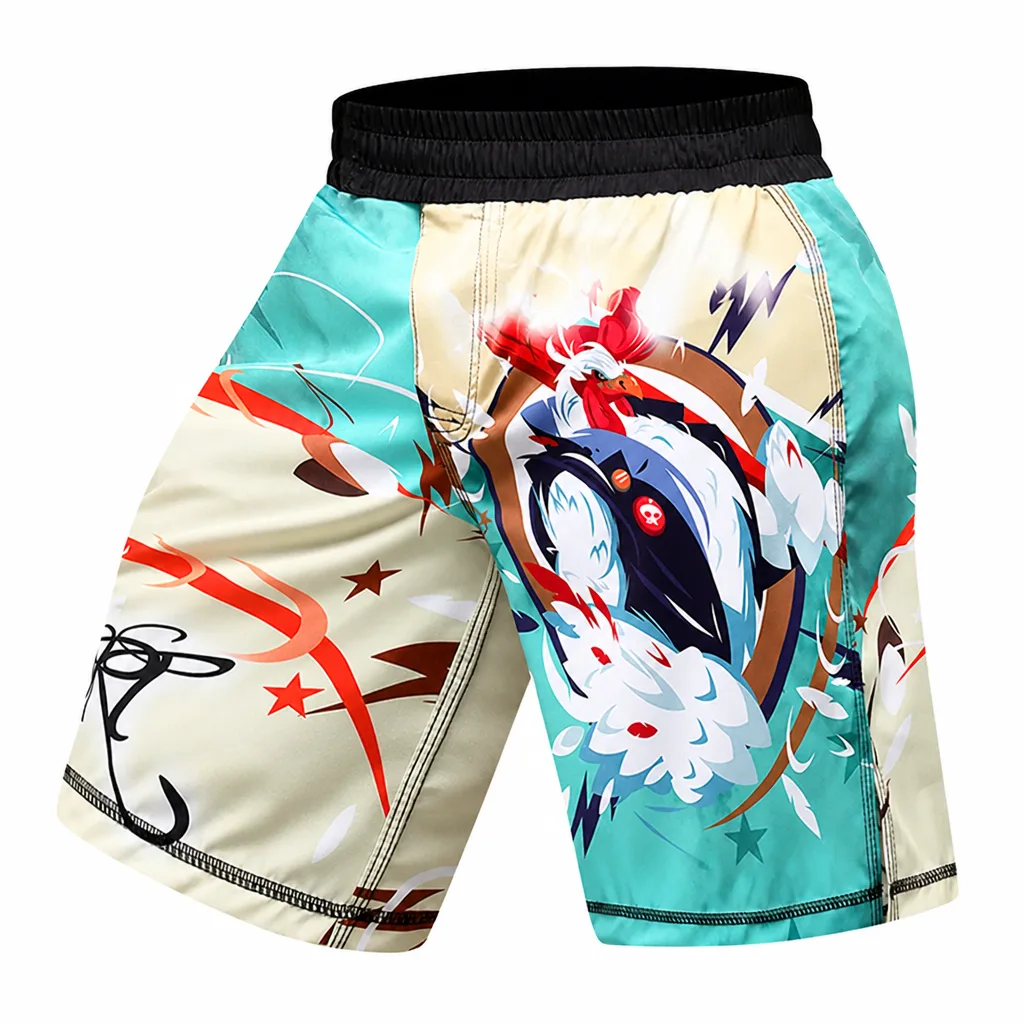
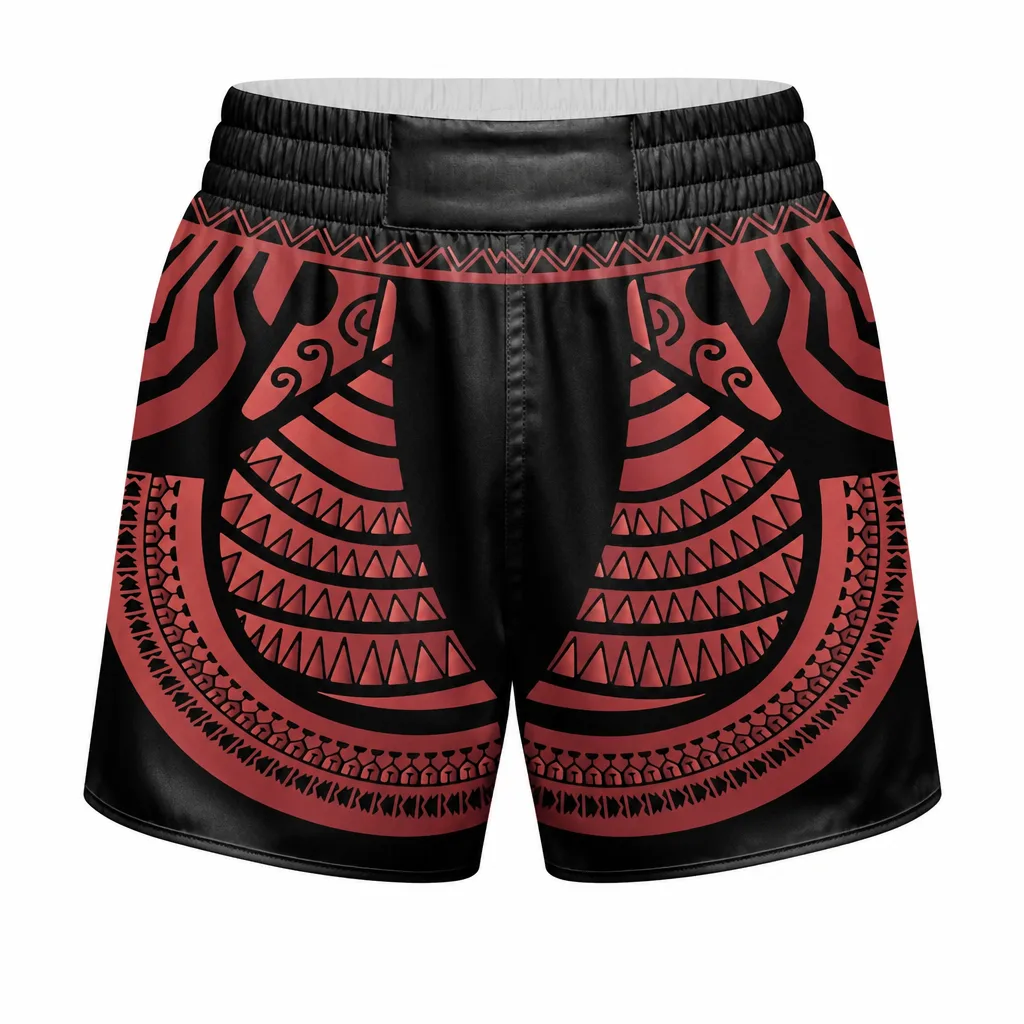
The ideal MMA shorts with pockets solve these issues with purpose-built design. Look for lightweight, quick-dry synthetics like 85% polyester/15% spandex blends from brands like Hayabusa or Venum—these wick sweat faster than cotton, preventing chafing in humid Thai boxing camps or sweaty BJJ open mats.
Pockets should be zipper-secured or Velcro-flapped, positioned high on the waistband to avoid thigh interference. A 7-10 inch inseam offers coverage for leg kicks without drag, while adjustable drawstrings with internal cords prevent slippage during clinch knees. Durability shines in double-stitched hems and grip-dot liners that lock fabric in place.
At Apollo MMA, our curated selection prioritizes these traits, drawing from fighter feedback worldwide. Whether you're a beginner shadowboxing at home or a pro prepping for Bellator, the right pair boosts confidence and performance. Trade-offs exist—premium options cost $50-80 versus $20 generics—but they last 2-3x longer, saving money long-term.
Detailed Steps to Selecting Your Perfect Pair
Choosing shorts with pockets for fighters boils down to a systematic approach. Follow these steps, tailored to your training style, and you'll dial in gear that elevates every session.
Step 1: Assess Your Training Needs and Discipline
Start by mapping your routine. Gym rats drilling Muay Thai combos need vented, thigh-slit fight shorts for airflow. BJJ enthusiasts prioritize no-grip fabrics like Tatami's microfiber to slide through armbars. Wrestling? Shorter inseams (5-7 inches) for explosive shots.
- Beginners/Home Workouts: Versatile 9-inch inseam with deep pockets for phone and wraps—think Everlast hybrids.
- Intermediate Sparring: Reinforced gussets for squats and sprawls, like Ringside's pocketed grapplers.
- Advanced/Competition: IBJJF-compliant no-grip with hidden zip pockets, such as Fairtex for kick-focused pros.
Pro tip: If you cross-train MMA, opt for multi-sport hybrids. I've coached Kickboxers who swear by these for bag work transitioning to ground-and-pound sims.
Step 2: Prioritize Materials and Construction
Superior materials separate the best shorts with pockets from pretenders. Poly-spandex weaves (4-way stretch) dominate for their 300% elasticity recovery—crucial after repeated high kicks. Avoid 100% polyester; it retains odors unless treated with antimicrobial silver ions, like in Venum's lines.
Check for: - Density: 200-300 GSM for lightweight feel without see-through. - Seams: Flatlock stitching prevents irritation under rash guards. - Lining: Anti-slip silicone grips inside the waistband—essential for inverted guard work.
In real-world tests, I've put Twins Muay Thai shorts through 50+ hours of padwork; their nylon reinforcements held where generics frayed.
Step 3: Nail the Fit, Sizing, and Mobility
Sizing charts lie—always reference brand-specific ones, as Asian cuts (Hayabusa) run slimmer than American (Ringside). Stand in your stance: Shorts should sit mid-hip, with 1-2 inches of thigh give for full splits.
Test mobility: - Squat deep: No riding up. - Kick high: Fabric flows, no binding. - Pocket load: Stuff with keys/phone; no sagging.
For curvier builds, wide-leg openings prevent sausage casing. Women-specific cuts, like Shoyoroll's contoured waists, address hip flare common in female grapplers I've trained.
Step 4: Evaluate Pocket Functionality and Security
Pockets make or break utility. The best are asymmetrical: One large zippered for phone (fits iPhone 14+), another flap for gels/small wraps. Position them rear or side-high to dodge knee strikes.
Insider check: Tug-test zippers (YKK metal beats plastic) and Velcro (mushroom hooks outlast hooks-and-loops). In BJJ, I've lost count of mouthguards ejected from flimsy pockets—secure ones stay put through 10-minute rolls.
Step 5: Factor in Durability, Maintenance, and Value
Durability metrics: UV resistance for outdoor sessions, pilling-free after 50 washes. Machine-wash cold, air-dry to preserve elasticity—hot dryers kill spandex.
Price-to-value: $40+ buys 1-2 years of abuse; skimping leads to mid-tourney failures. Apollo MMA's options, like Hayabusa's, offer warranties, proving investment-grade quality.
Expert Tips from the Mat: Insider Knowledge for Peak Performance
As someone who's rolled with Olympians and cornered amateurs, here are lesser-known gems:
- Layering Hack: Pair with compression shorts underneath for no-gi BJJ—pockets stay accessible, chafing vanishes. Check our compression lineup for matches.
- Safety First: Pockets with internal tethers prevent loss in scrambles; vital for pros avoiding DQ flags.
- Customization: Sublimated prints fade less than screen-prints—Venum excels here for team kits.
- Body Type Tweaks: Tall fighters (6'2"+) add 1-inch inseam; stocky wrestlers drop to 6 inches for speed.
- Maintenance Pro: Vinegar soaks neutralize gi chalk buildup in pockets, extending life 20%.
For deeper training tips, explore how gear integrates with drills. And remember, test in your environment—order two sizes from Apollo MMA's free returns if unsure.
One advanced insight: In humid climates, bamboo-blend hybrids (rare but emerging) outperform synthetics for odor control during back-to-back classes.
Conclusion: Gear Up Right and Train Without Limits
Finding the perfect shorts with pockets for training transforms frustration into flow. By assessing needs, scrutinizing materials, perfecting fit, securing pockets, and valuing durability, you'll own gear that matches your grind—from beginner bag sessions to pro weigh-ins.
Don't settle for subpar; elevate with Apollo MMA's premium MMA shorts with pockets, backed by fighter-tested brands like Fairtex and Tatami. Head to our fight shorts collection today, and experience the difference. Your next PR awaits—what pair will you choose?
Written by Sarah Chen, BJJ Black Belt & Apollo MMA Gear Expert