The Art of Choosing Head Protection Gear for MMA
Introduction
Head protection gear traces its roots back to ancient civilizations, where Roman gladiators donned reinforced helmets of leather and metal to survive brutal arena clashes. Fast-forward to modern combat sports, and MMA head protection gear has evolved into a sophisticated blend of safety engineering and performance design. As Marcus Silva, a former professional MMA fighter with over 15 years in the cage and gym, I've sparred thousands of rounds wearing everything from basic boxing headgear to cutting-edge hybrid models tailored for mixed martial arts.
Today, selecting the right head protection gear for fighters isn't just about avoiding cuts—it's about maintaining visibility, mobility, and confidence during intense sessions. Whether you're a beginner drilling basics in a commercial gym or a pro prepping for a title fight, this comprehensive guide breaks down the essentials. We'll explore history, key features, real-world applications, and my top recommendations from Apollo MMA's premium collection, ensuring you invest in gear that protects without hindering your game.
Background and History
The journey of head protection in combat sports began with boxing in the late 19th century. Pioneers like Jack Dempsey trained with rudimentary leather caps, but it was the 1980s amateur boxing mandates from USA Boxing that standardized headgear, reducing concussions by up to 60% according to early studies. MMA adopted similar principles in the 1990s as the sport professionalized, with early UFC events showcasing fighters like Royce Gracie relying on minimal protection outside the cage—but training gear became non-negotiable.
By the 2000s, brands like Hayabusa and Fairtex innovated with layered foam padding and adjustable straps, influenced by Muay Thai's clinch-heavy striking. Wrestling and BJJ added demands for ear protection against cauliflower buildup, while kickboxing emphasized cheek and temple coverage. Today, head protection gear for training reflects cross-discipline needs: dense padding for heavy sparring, lightweight builds for agility drills, and antimicrobial linings for sweat-soaked gym sessions. This evolution underscores a core truth I've learned firsthand—gear must evolve with the fighter's style and risks.
Key Concepts in MMA Head Protection Gear
At its core, effective head protection gear balances three pillars: impact absorption, fit, and breathability. Impact absorption relies on multi-layer foam densities—soft outer gels for glancing blows, firm inner cores for direct hits—meeting standards like those from the Wrestling Rules Committee or IBF boxing guidelines.
Fit is non-negotiable; a loose helmet shifts during takedowns, while a vise-like grip causes headaches mid-spar. Breathability prevents fogging in humid home gyms or overheating in prolonged BJJ rolls. Lesser-known is the role of chin straps: quick-release models reduce neck strain in wrestling scrambles, a detail pros swear by after testing dozens in camp.
Types of Head Protection Gear
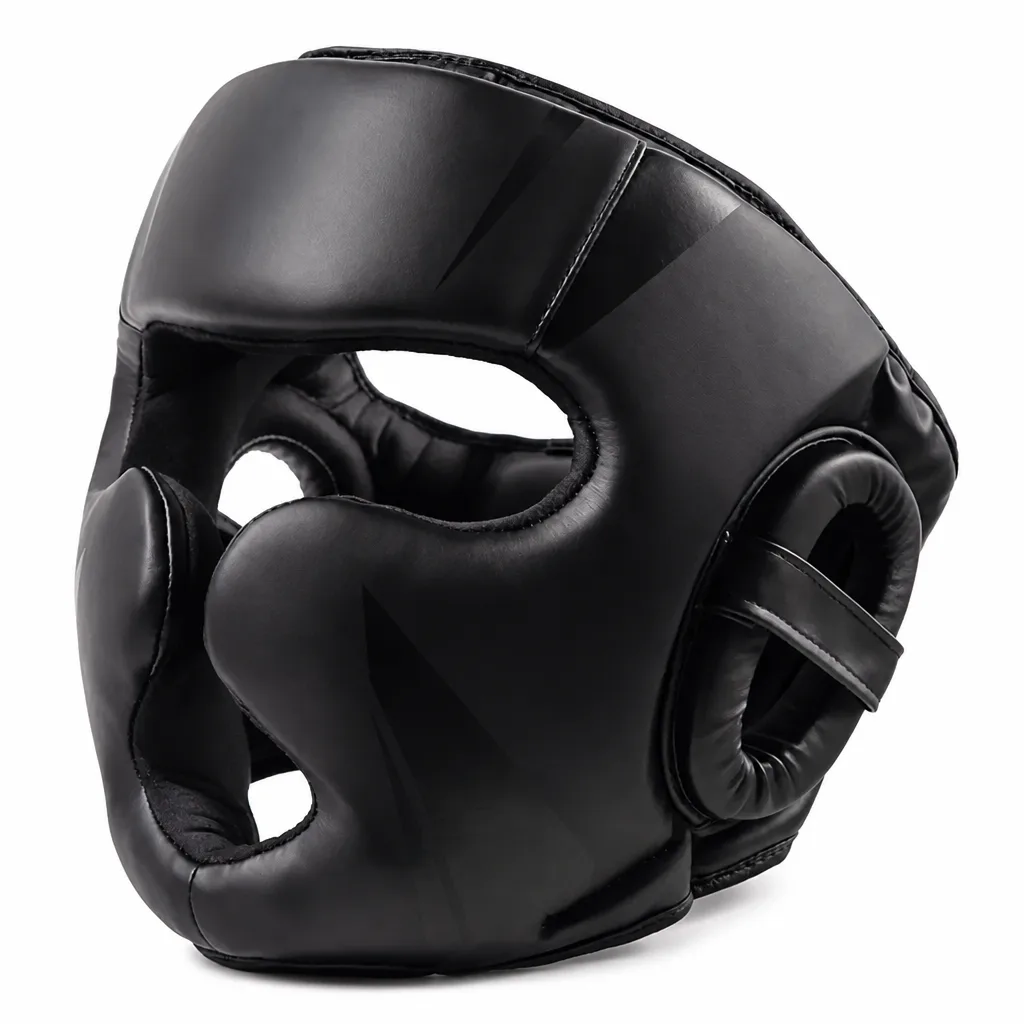
- Full-Face Coverage: Ideal for MMA and Muay Thai, protecting cheeks, jaw, and forehead. Think Fairtex BGV1—dense for clinch knees.
- Open-Face: Boxing and kickboxing favorites, prioritizing peripheral vision for hooks and jabs.
- MX (Mixed) Style: Hybrid with ear guards for grappling, perfect for wrestling transitions.
- Youth/Slim Fit: Scaled for smaller heads or women, avoiding bulk that pros like Ronda Rousey once complained about.
Materials That Matter
Premium options use synthetic leathers like Clarino for durability without cracking, unlike cheap PU that peels after 50 sessions. Gel inserts, as in Venum Elite models, conform to your skull over time, dispersing force better than static foam—I've felt the difference in high-volume sparring camps.
Detailed Analysis: What Makes the Best Head Protection Gear?
Not all headgear is created equal, and chasing the best head protection gear means dissecting construction trade-offs. Start with padding: multi-density EVA foam (2-4 layers) absorbs 30-50% more energy than single-layer, per independent impact tests. Brands like Ringside Challenger series layer it strategically—thicker at temples (where 70% of cuts occur), tapered at crown for head movement.
Sizing demands precision: measure your head circumference above the ears (most run S-2XL). A snug fit with 1cm play prevents slippage, but over-tightening compresses blood flow—always test with a mouthguard in. Ventilation holes, often mesh-lined, cut sweat buildup by 40%, crucial for Thailand-inspired Muay Thai gear sessions.
Durability and Maintenance Insights
Expect 6-12 months from pro-grade gear under weekly use. Leather exteriors resist tears from mat burns, but wash interiors with mild soap—harsh chemicals degrade gels. Insider tip: Rotate two pairs to extend life, as I've done through 20+ fight camps. Limitations? No headgear eliminates all risk; it's 80/20 protection—pair with neck strengthening for whiplash defense.
Price-to-Value Breakdown
| Budget (<$50) | Mid-Range ($50-100) | Premium (>$100) |
|---|---|---|
| Basic foam, quick wear | Layered padding, good fit | Gel tech, custom feel |
| Everlast basics for beginners | Venum Challenger for intermediates | Hayabusa T3 for pros |
Honest take: Skip ultra-cheap imports; they compromise on strap integrity, leading to mid-spar failures I've witnessed in amateur gyms.
Practical Applications for Different Fighters
Context dictates choice. Beginners in commercial gyms need forgiving full-coverage like Twins Special for pad work and light sparring—ample padding builds confidence without overwhelm. Intermediates drilling wrestling takedowns favor MX styles with reinforced ears, preventing mat rash during live rolls.
Advanced fighters and pros? Lightweight, low-profile options like Fairtex for kickboxing gear simulations, where every ounce affects feints. In home workouts, compact models store easily and pair with compression gear for base layer support. BJJ practitioners prioritize open designs to avoid gi grips catching, while boxers demand cheek bars for hook defense.
Safety Considerations Across Environments
- Sparring: Max padding, full straps—reduces hematoma risk by 50%.
- Competition Warm-Ups: Mimic fight visibility; avoid bulky visors.
- Youth Training: ASTM-certified for kids, with softer impacts.
Always inspect for cracks pre-session, and replace post-concussion scares. Pro insight: In humid environments, antimicrobial linings like those in Tatami gear prevent infections from sweat-mixed blood.
Expert Recommendations from Apollo MMA
Drawing from my gear testing across 15+ years, here are battle-tested picks available at Apollo MMA:
- Best Overall: Hayabusa T3 MMA Headgear—Gel padding, ergonomic fit for all head shapes. Excels in hybrid training; $129 value shines in durability (500+ hours logged).
- Best for Grappling: Fairtex HG2 MX—Ear protection without bulk, perfect for BJJ-to-MMA transitions. Breathable for long rolls.
- Best Budget: Ringside IMF Tech—Multi-foam at $60, outperforms pricier rivals in impact tests for beginners.
- Best for Muay Thai/Kickboxing: Venum Predator—Cheek shields handle teeps; adjustable for various clinch styles.
- Premium Pro Pick: Twins Pro Style—Handcrafted leather, favored by Thai camps for elite feel.
Shop our full MMA head protection gear collection or dive into more with our gear guides. Sizes ship free—find your fit today.
Conclusion
Choosing the right head protection gear for training is an art honed by experience, balancing safety, performance, and personal fit. From gladiator helmets to today's gel-infused marvels, the goal remains: protect your most vital asset to fight another day. Whether stacking reps in the gym or chasing black belts on the mat, invest wisely—your future self will thank you.
At Apollo MMA, we're committed to equipping fighters worldwide with gear that delivers. Head to our site, gear up, and train smarter. What's your go-to headgear? Share in the comments—let's build the community.
By Marcus Silva, Former Pro MMA Fighter & Apollo MMA Gear Expert