What Makes Amateur Boxing Gloves Essential for Fighters
In the gritty smoke-filled arenas of 19th-century England, bare-knuckle boxing ruled, where fighters like Jack Broughton learned the hard way that unprotected hands led to shattered careers. It was this brutal reality that sparked the birth of modern boxing gloves, evolving into the specialized amateur boxing gloves we rely on today. As a former professional MMA fighter with over 15 years in the cage and ring, I've laced up countless pairs—from dingy gym sessions to high-stakes amateur bouts—and I can tell you these gloves aren't just gear; they're your first line of defense and performance edge.
At Apollo MMA, we stock premium equipment that bridges that historical gap to modern safety and efficacy. Whether you're a beginner shadowboxing in your home gym or an intermediate fighter prepping for a local amateur boxing tournament, understanding what sets amateur boxing gloves for fighters apart is crucial. This guide dives deep, drawing from my hands-on experience to help you choose wisely.
Background and History of Amateur Boxing Gloves
The Marquis of Queensberry rules in 1867 formalized glove use in boxing, mandating padded gloves to reduce injuries—a direct response to the savagery of bare-knuckle eras. Amateur boxing gloves emerged shortly after, standardized by organizations like USA Boxing and the International Boxing Association (AIBA, now IBA), which enforce stricter padding and weight requirements for non-professional fights.
Unlike pro gloves, which prioritize speed and lighter protection (often 8-10 oz), amateur boxing gloves emphasize safety with 10-12 oz weights and denser foam. This shift protected young athletes in Olympic-style bouts, where headgear was once mandatory. I've trained with vintage pairs from brands like Everlast's early models, feeling the evolution firsthand: modern amateurs benefit from multi-layer foams that absorb impacts without compromising wrist support.
Today, these gloves influence cross-training in MMA, Muay Thai, and Kickboxing, where fighters like those in our fighter spotlight series adapt them for versatile sessions. Their history underscores a core truth: proper gear prevents the career-ending injuries I witnessed in my early amateur days.
Key Concepts in Amateur Boxing Gloves
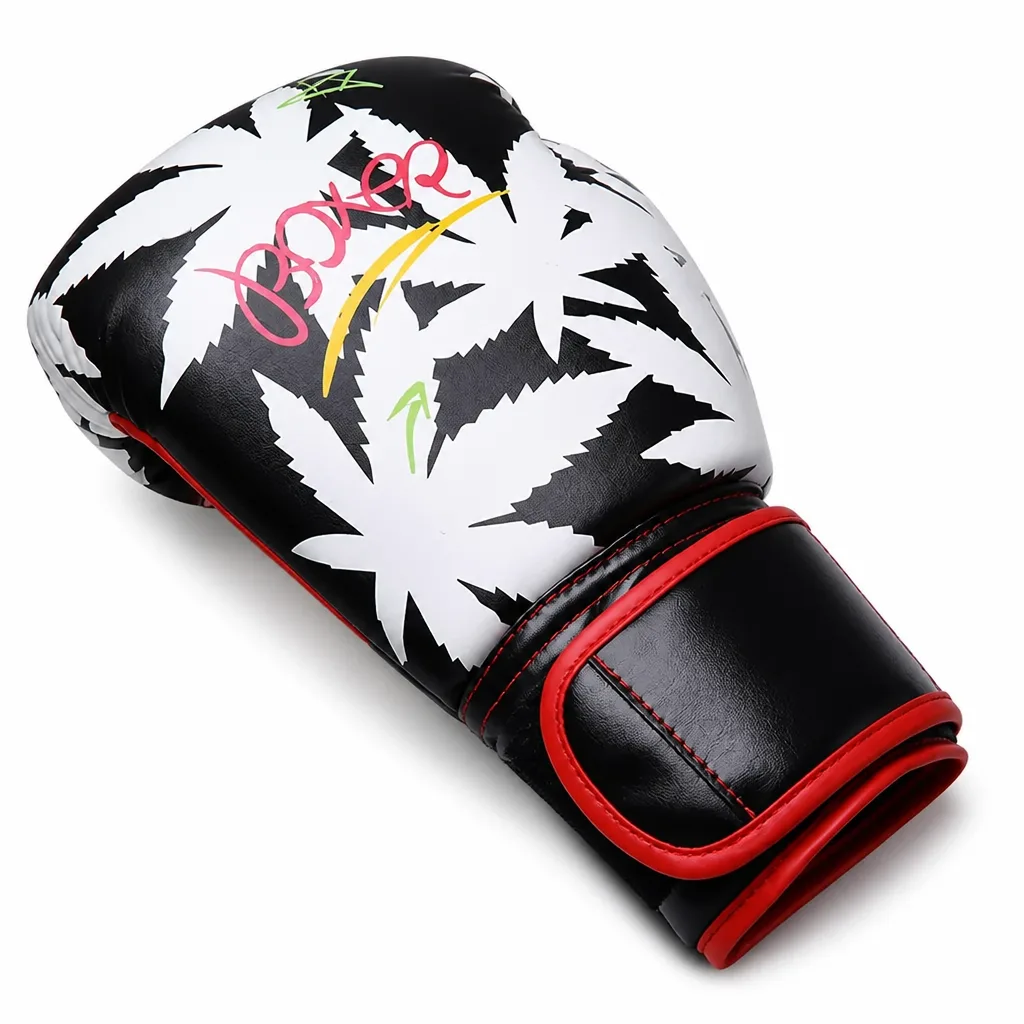
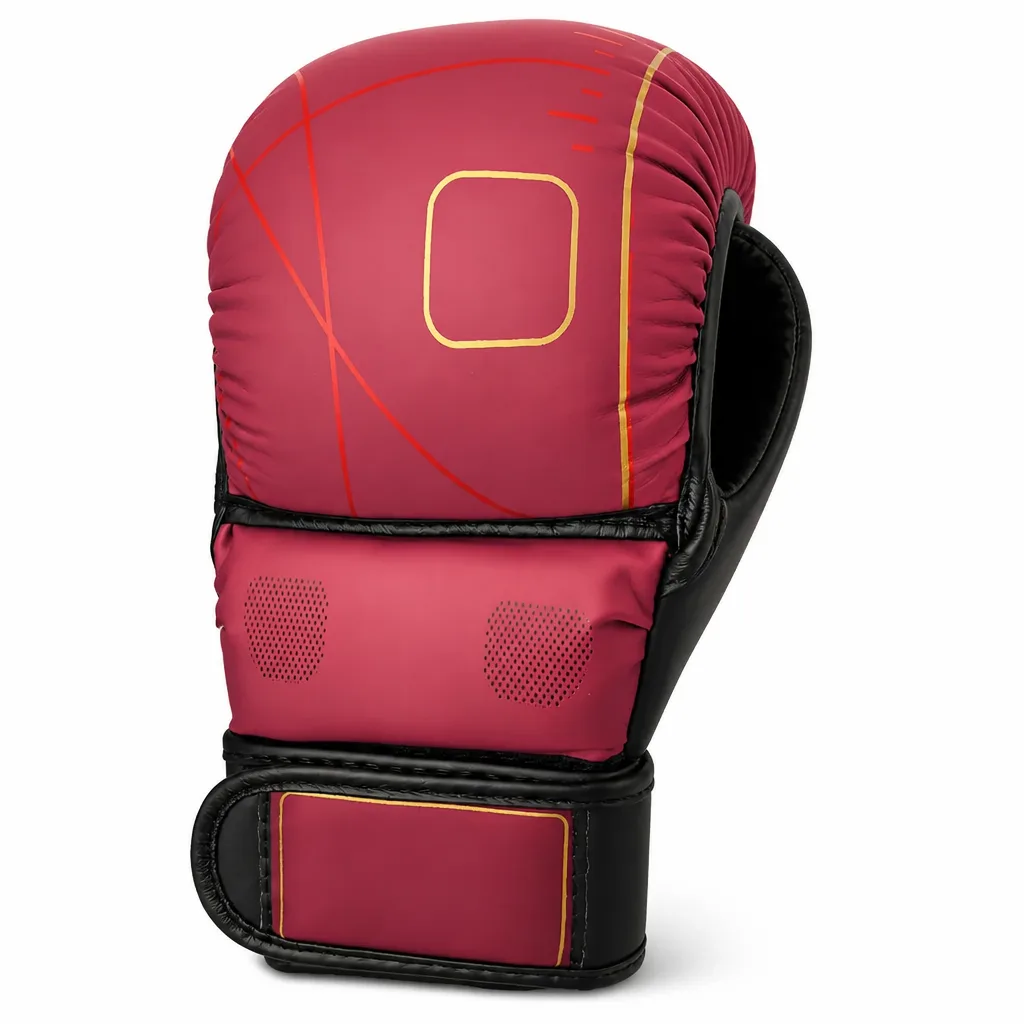
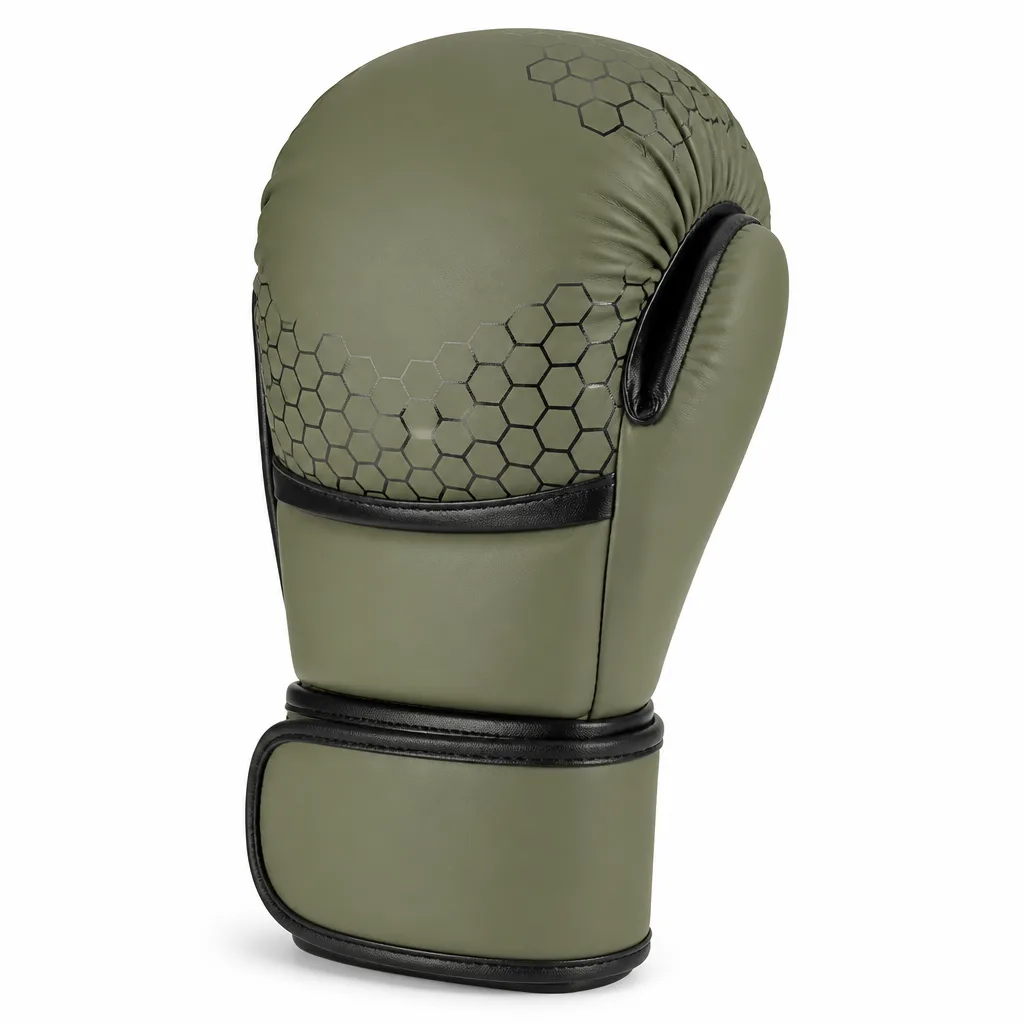
At their core, amateur boxing gloves for training balance protection, fit, and durability. Key differentiators include:
- Padding Density and Distribution: Multi-layer foam (typically 2-3 layers of high-density horsehair or gel-infused polyurethane) molds to your hand, dispersing force across knuckles and wrist. Amateur standards require at least 1.5 inches of padding to minimize cuts and fractures.
- Weight Classes: 10 oz for lighter divisions (flyweight to lightweight), scaling to 12-16 oz for heavier amateurs. Heavier gloves slow punches but enhance safety in sparring.
- Closure Systems: Long Velcro straps (8-10 inches) over lace-ups provide adjustable wrist lockdown, crucial for preventing sprains—unlike the elastic closures on bag gloves.
- Compliance Standards: IBA-approved gloves feature approved labeling, ensuring even weight distribution and no hard inserts.
These concepts aren't abstract; in my MMA camps, we've tested gloves failing these basics, leading to swollen hands after just 30 minutes of mitt work. Safety regulations also address ventilation—mesh panels prevent sweat buildup, reducing slip risks in humid gyms.
Detailed Analysis: Materials, Construction, and Performance
Materials That Matter
Premium cowhide leather, like that in Hayabusa or Fairtex models, offers superior abrasion resistance over synthetic options. Full-grain leather breathes better and breaks in over 20-30 sessions, developing a custom fit. Synthetics from brands like Ringside hold up for beginners but crack after 6-12 months of heavy bag use.
Inside, look for IMF (injection-molded foam) tech, which eliminates dead spots. I've dissected worn pairs: uneven foams lead to knuckle hotspots, while layered designs (e.g., Venum's triple-density) maintain shape through 200+ rounds.
Sizing and Fit Nuances
Amateur gloves run snug—hand span from wrist to longest finger should match glove length (9-11 inches for adults). Women and smaller frames often size down to youth 12 oz. Pro tip from my coaching: wrap hands with 180-inch wraps for optimal fill; loose gloves shift during hooks, inviting wrist torque.
Ventilation holes near the thumb palm reduce moisture, vital for BJJ cross-trainers where grips get slick. Durability tests in my garage gym show leather outlasting synthetics by 50%, but at a premium—$80-150 vs. $40-70.
Performance Trade-Offs
These gloves excel in controlled power transfer but lag behind MMA gloves for grappling. In sparring, their bulk teaches defensive head movement, a skill I honed before transitioning to MMA. Limitations? They heat up faster than hybrid designs for Muay Thai clinch work, so rotate pairs for high-volume training.
Honest assessment: No glove is indestructible. Expect liner replacement after a year, and avoid cheap imports lacking CE certification—they compromise on padding integrity.
Practical Applications Across Training Scenarios
Amateur boxing gloves for fighters shine in diverse settings. For gym heavy bag sessions, 14-16 oz absorbs rebound shock, protecting joints during 5-round drills. Beginners appreciate the forgiveness; I've seen novices build confidence without hand bruising.
In sparring, pair with headgear and mouthguards—10-12 oz promotes technique over power, ideal for intermediates simulating amateur bouts. For home workouts, lighter 12 oz versions fit shadowboxing marathons, minimizing fatigue.
Cross-discipline use: MMA fighters like me use them for pure boxing rounds to sharpen footwork, while Kickboxers add shin guards for hybrid pads. Wrestling gyms favor ventilated models to avoid rash during takedown drills. Maintenance tip: Air-dry post-use, condition leather monthly with ELC cream—extends life by 30%.
For competitions, IBA-approved pairs ensure eligibility. Always match opponent weight class to avoid mismatches in protection levels.
Expert Recommendations: The Best Amateur Boxing Gloves
Drawing from thousands of training hours and gear tests, here are my top picks for the best amateur boxing gloves. Shop our curated boxing gloves collection at Apollo MMA for these and more.
- Hayabusa T3 Boxing Gloves (12 oz): Ergonomic thumb and full leather—gold standard for sparring. Exceptional wrist strap; lasts 18 months of pro-level use. Price-to-value king at $120.
- Fairtex BGV1 (14 oz): Muay Thai-inspired density for MMA cross-training. Horsehair core molds perfectly; breathable for long sessions. Ideal for intermediates.
- Venum Challenger 2.0 (10-16 oz): Budget beast under $60. Synthetic but reinforced seams; great for beginners building volume.
- Ringside IMF (12 oz): IBA compliant, gel-foam hybrid. Forgiving for heavy bags; pair with fight shorts for full amateur kits.
- Twins Special BGVL-3 (16 oz): Premium Thai leather for advanced users. Unmatched durability in tournament prep.
Choose based on needs: sparring demands wrist support, training prioritizes comfort. Test fit in-store if possible—our Apollo MMA sizing guide helps online shoppers nail it first try.
Conclusion: Elevate Your Game with the Right Gear
Amateur boxing gloves aren't optional; they're the foundation of safe, effective training that propels fighters from gym rats to contenders. From their historical roots to modern innovations, they protect hands while honing the precision that wins fights. In my career, investing in quality gear like those at Apollo MMA prevented setbacks and amplified gains.
Whether you're drilling combinations, sparring partners, or prepping for your first amateur bout, prioritize gloves that match your level and style. Head to our collections today—stock up on MMA amateur boxing gloves and the apparel to match. Lace up, train smart, and step into the ring ready. Your hands—and future self—will thank you.
Written by Marcus Silva, Former Pro MMA Fighter & Apollo MMA Gear Expert