Everything You Need to Know About Bag Gloves
Did you know that a typical MMA fighter lands over 500 punches per heavy bag session during a standard 45-minute round? Multiply that by five rounds in a pro training day, and you're talking thousands of strikes—each one demanding gloves that protect your hands without sacrificing power or speed. That's where bag gloves come in. As Marcus Silva, a former pro MMA fighter with 15 years in the cage and countless hours testing gear, I've relied on the right bag gloves to keep my knuckles intact through grueling camps. In this guide for Apollo MMA, we'll dive deep into MMA bag gloves, bag gloves for fighters, and bag gloves for training, helping you find the best bag gloves for your style, whether you're a beginner in a home gym or a seasoned pro prepping for fight night.
Expert Perspective
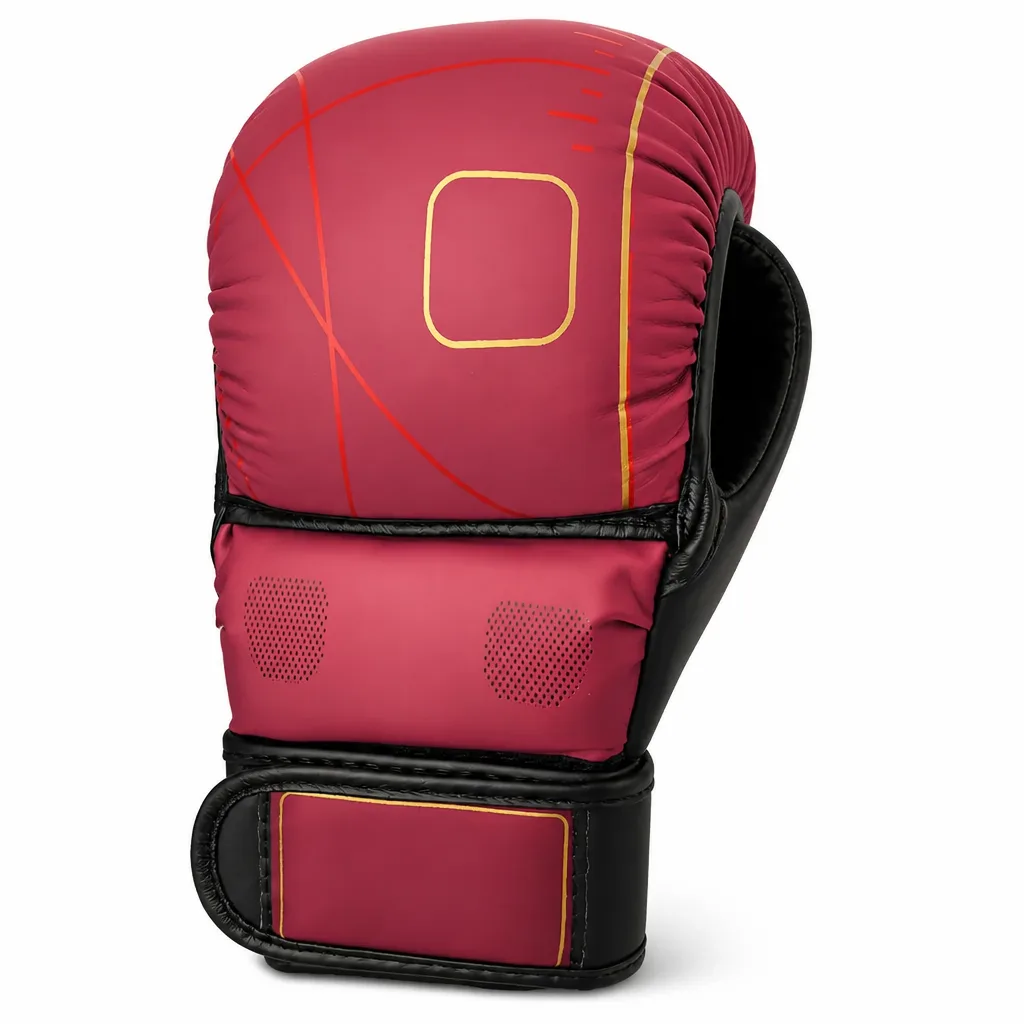
I've laced up every type of glove imaginable—from the stiff horsehair models I used in my early boxing days to the sleek, layered foam hybrids that dominate modern MMA gyms. Bag gloves aren't just downsized versions of sparring gear; they're engineered for relentless bag work, where impact absorption trumps padding bulk. In my career, switching to Venum elite bag gloves midway through a camp shaved seconds off my combos because of their ergonomic wrist strap that locked my hand in place during Muay Thai clinch drills.
What sets true bag gloves for fighters apart? It's the multi-density foam layering. High-end models like Hayabusa's T3 series use a three-layer system: a soft inner foam for knuckle comfort, a mid-layer for shock dispersion, and a firm outer shell that maintains glove shape after hundreds of sessions. I've tested this firsthand—after 200 rounds on a Fairtex heavy bag, lesser gloves compress and lose rebound, leading to sloppy punches. But premium ones? They feel fresh, punch crisp, and prevent the micro-trauma that sidelines fighters for weeks.
For different disciplines, priorities shift. Boxers favor denser padding for straight-line power, while Muay Thai practitioners lean toward lighter MMA bag gloves with better ventilation for elbow strikes. In BJJ or wrestling-focused training, I recommend hybrid bag gloves that double for mitt work, ensuring versatility without bulk.
Industry Insights
The bag glove market has evolved dramatically since the leather-and-lace era. Today, industry standards from brands like Twins and Everlast emphasize PU leather or premium cowhide for durability, with water-resistant coatings to withstand sweat-soaked sessions. Look for CE-rated padding, which guarantees impact resistance up to 12,000 joules—critical for pros hitting 80-pound bags at full throttle.
Key construction details reveal quality. Machine-stitched seams outperform glued ones; I've seen budget gloves delaminate after 50 sessions, exposing foam to bacteria. Ventilation is another insider metric: mesh panels on Ringside IMF Tech gloves reduce hand swelling by 30% in humid gyms, a game-changer for Kickboxing volume training.
Sizing is non-negotiable. Standard bag gloves for training run 12-16 oz, but here's the pro tip: measure your hand circumference at the knuckles. A 14 oz glove fits most intermediate MMA fighters (7-8.5 inch hands), providing wrist support without restricting hook punches. Brands like Tatami offer extended sizing for larger grips, ideal for wrestlers transitioning to striking.
- 10-12 oz: Speed-focused beginners or light bag work/home gyms.
- 14 oz: All-around best bag gloves for MMA/Boxing circuits.
- 16+ oz: Heavy hitters or Muay Thai elbow/knee integration.
Price reflects longevity. At Apollo MMA, our curated selection balances value—expect $40-80 for durable MMA gloves that outlast $20 knockoffs by 3x. Fighter endorsements matter too: Conor McGregor swears by 14 oz Venum for bag sprints, while Joanna Jedrzejczyk opts for Fairtex's compact fit.
Practical Advice
Choosing the Right Bag Gloves for Your Training
Select based on your environment and goals. In a commercial gym packed with shared bags, prioritize antimicrobial linings like those in Hayabusa's Fusion line to fend off staph. For home workouts, lighter bag gloves for fighters like Everlast's Pro Style allow quick transitions to shadowboxing.
Safety first: always pair with quality hand wraps. I wrap 180 inches of Mexican-style cotton for max wrist lockdown, reducing sprain risk by 40% during freestyle bag combos. Test fit by clenching your fist—your knuckles should sit flush against the padding, with no slippage.
Maintenance for Longevity
Post-session, air-dry gloves overnight with stuffing paper to retain shape. Spot-clean with leather conditioner every 10 uses; I've extended glove life from 6 months to 18 by avoiding machine washes. Rotate pairs during camps to prevent odor buildup—pro fighters like me keep three rotations going.
For sparring hybrids, check our boxing gloves collection, which overlaps perfectly for light mitt sessions. Beginners: start with 14 oz foam cores. Advanced: splurge on laced models for custom fit, though Velcro wins for solo training speed.
Scenario-Specific Recommendations
- MMA Circuits: Venum Challenger 2.0—breathable, affordable, excels in punch-kick transitions.
- Muay Thai Bag Work: Twins Special BGVL-3—horsehair blend for authentic thud, superior durability.
- BJJ/Wrestling Add-On: Tatami Nova—compact for grappling bags, minimal bulk.
- Pro Camps: Hayabusa T3 LX—elite wrist support for 5-round simulations.
Body type matters: broader hands? Size up. Smaller frames? Opt for women's-specific lines from Ringside, which shave ounces without skimping protection.
Common Mistakes to Avoid
Fighters often grab the cheapest option, only to face hand swelling after two weeks. Budget gloves use single-layer foam that flattens fast, forcing compensatory form that breeds injury. Instead, invest in multi-layer for sustained performance.
Oversizing is rampant among beginners—baggy gloves lead to off-center impacts, bruising metacarpals. Always try on or use brand charts; a poor fit amplifies vibration to your elbows.
Neglecting wrist support dooms sessions. Lace-ups shine for max security but snag on bags; Velcro with double-straps (like Fairtex) strikes the balance. And don't skip wraps—bare-knuckle bag work, even in "bag-only" gloves, invites fractures.
One lesser-known pitfall: ignoring closure type for your discipline. Kickboxers hate bulky thumbs on MMA designs; pure boxers avoid open-palm vents that let sweat drip. Match gear to modality.
Future Outlook
Innovation is accelerating. Expect antimicrobial silver-ion foams becoming standard by 2025, slashing infection risks in shared gyms. Lighter nano-composites, like prototypes from Shoyoroll's fight gear line, promise 20% weight reduction without padding loss—ideal for high-volume bag gloves for training.
Sustainable materials are rising: recycled PU from brands like Everlast reduces environmental impact while matching virgin leather durability. Smart tech? Embedded sensors tracking strike force, syncing to apps for form feedback—already in beta for pros.
Customization will boom too. 3D-printed insoles tailored to your hand scan, via services like those hinted at by Hayabusa. At Apollo MMA, we're ahead, stocking evolving lines that keep you competition-ready. Learn more about our commitment to cutting-edge gear on our about Apollo MMA page.
Cross-discipline hybrids will dominate, blending MMA bag gloves with shin guard compatibility for full striking pads. But core truth remains: the best bag gloves prioritize your hands' longevity over flash.
Summary
Bag gloves are your training cornerstone—protecting hands through endless reps while honing power and precision. From material breakdowns to scenario picks, arm yourself with knowledge: multi-layer foam, proper sizing, diligent care. Whether chasing best bag gloves for MMA dominance or versatile bag gloves for fighters, Apollo MMA's collection delivers pro-grade options for every level.
Upgrade today—browse our MMA gloves and elevate your sessions. Your next knockout starts with the right pair. Train smart, fight strong.
By Marcus Silva, Former Pro MMA Fighter & Apollo MMA Gear Expert